グローセンゼーバッハの天然記念物・トップ20
グローセンゼーバッハが誇る美しい風景を見てみたいなら、グローセンゼーバッハの素晴らしい天然記念物・トップ20
に行ってみましょう。あなたにぴったりの場所が見つかるよう、素晴らしい天然記念物を探索するために必要なすべての情報を集めました。次のアウトドアの冒険に出かける計画の参考にしましょう。
最終更新日: 9月 14, 2026
グローサー・ビショフスヴァイアー
ハイライト • 湖
翻訳者 Google •
役立つ情報 は

ユグノーの噴水
ハイライト • 記念碑
翻訳者 Google •
役立つ情報 は

今すぐサインアップして、こんな場所を発見しよう
最高のシングルトラック、ピーク、その他のエキサイティングなアウトドアスポットのおすすめを受け取ろう。
コスバッハの祭壇
ハイライト • 歴史的な場所
翻訳者 Google •
役立つ情報 は

Regenbogenwald Neuhaus(追悼の森)
ハイライト • 記念碑
翻訳者 Google •
役立つ情報 は

フォーゲルフライシュテッテ・ヴァイアーゲビート・バイ・モールホフ自然保護区
ハイライト • 自然記念物
翻訳者 Google •
役立つ情報 は

無料でサインアップして、さらに多くの自然記念物を発見しましょう グローセンゼーバッハでの。
すでにアカウントをお持ちですか?
無料アカウントで今日から始めよう
次の冒険が待っています。
コミュニティからのヒント

バイロイトの宮廷彫刻家エリアス・レンツは1706年にユグノーの噴水を作りました。楕円形の噴水池の中には円錐形の岩山が立っています。その一番下の段には高貴なユグノーの一家が描かれ、その上には古代の神々、そして一番上にはマルクグラーフ・クリスティアン・エルンストが描かれています。岩の円錐形の開口部からは、マルクグラーフの騎馬像を見ることができます。
4
0


ポッペンウィントからヴァインベルク湖までの美しい眺め。
0
0

The Huguenot Fountain is an important monument in Erlangen, commemorating the history of the Huguenots in the city. It is located in the extensive palace gardens, one of the earliest Baroque gardens in Franconia. In the 17th century, after the revocation of the Edict of Nantes by Louis XIV in 1685, numerous Protestant Huguenots fled France. Margrave Christian Ernst of Brandenburg-Bayreuth offered them refuge in Erlangen. The Huguenot Fountain was designed and erected by Elias Räntz in 1706. It was intended to honor the settlement of the French religious refugees and the Margrave's achievements.
5
0
The Huguenot Fountain is a Baroque fountain in Erlangen's castle garden. It was built in 1706 and commemorates the French religious refugees (Huguenots) who found a new home in Erlangen at the end of the 17th century. The fountain consists of a large pool and a conical rock with numerous sculptures depicting allegorical scenes and coats of arms. It is an important monument to Erlangen's city history and a popular photo subject.
7
0

A very beautiful memorial place for mourners who have lost their child.
0
0

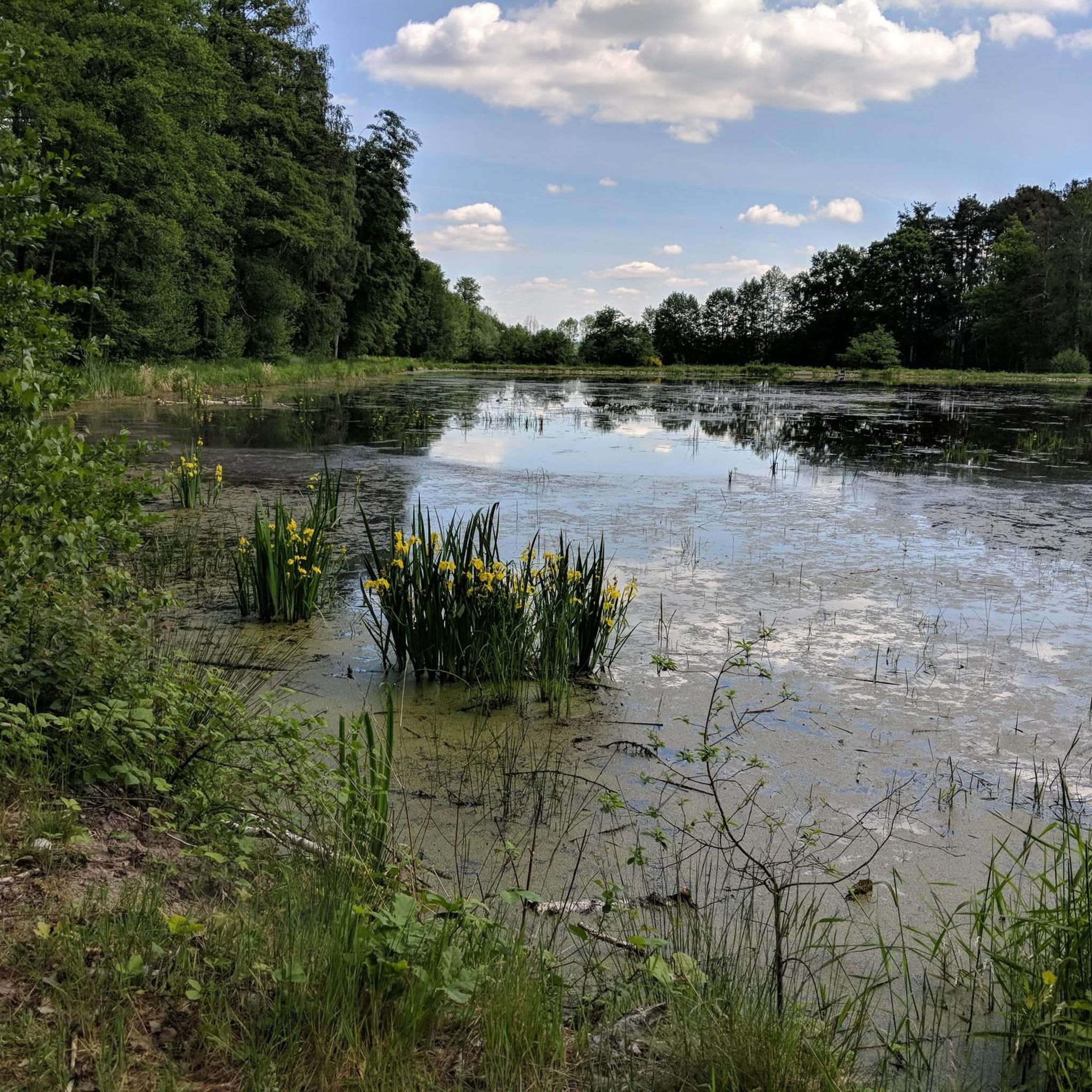
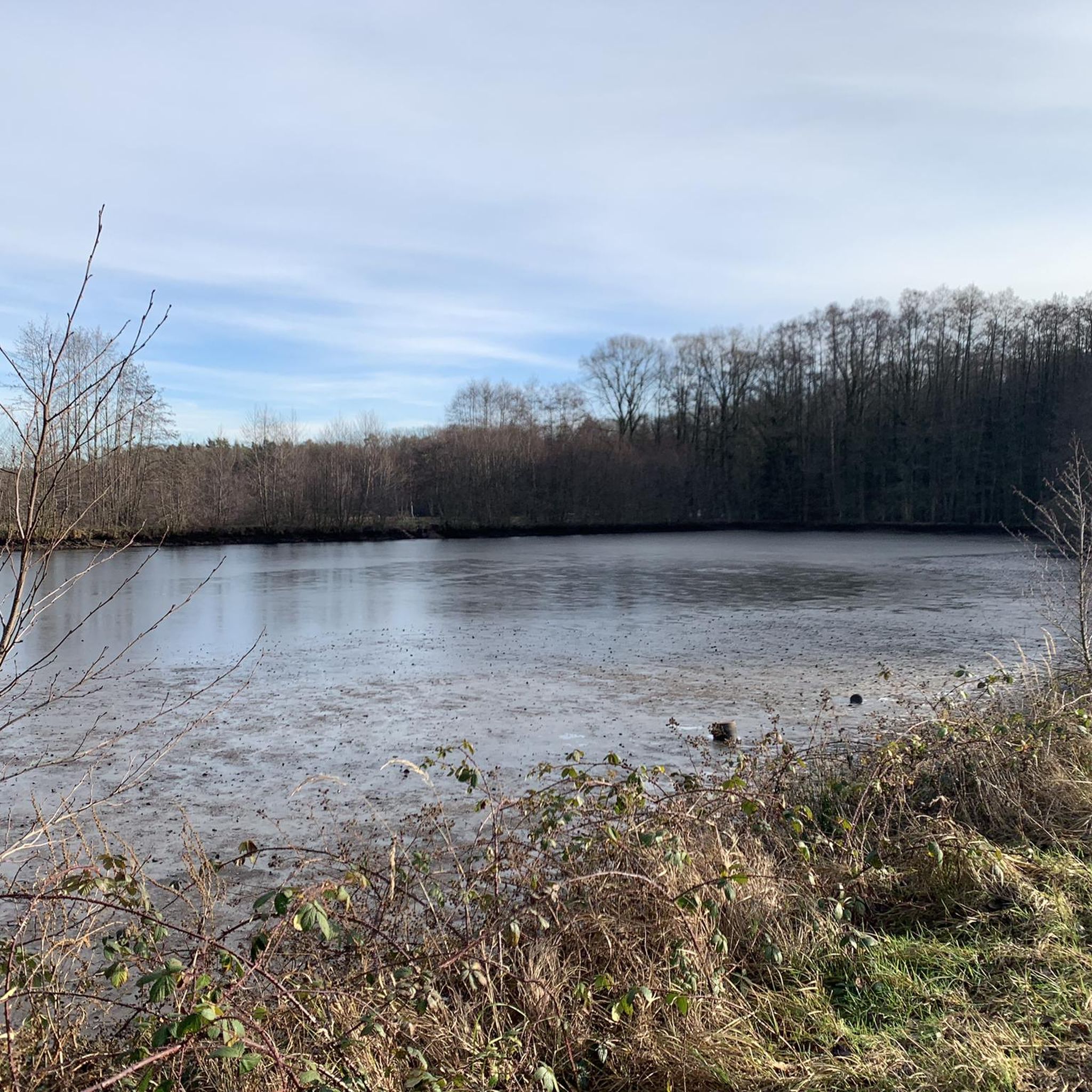
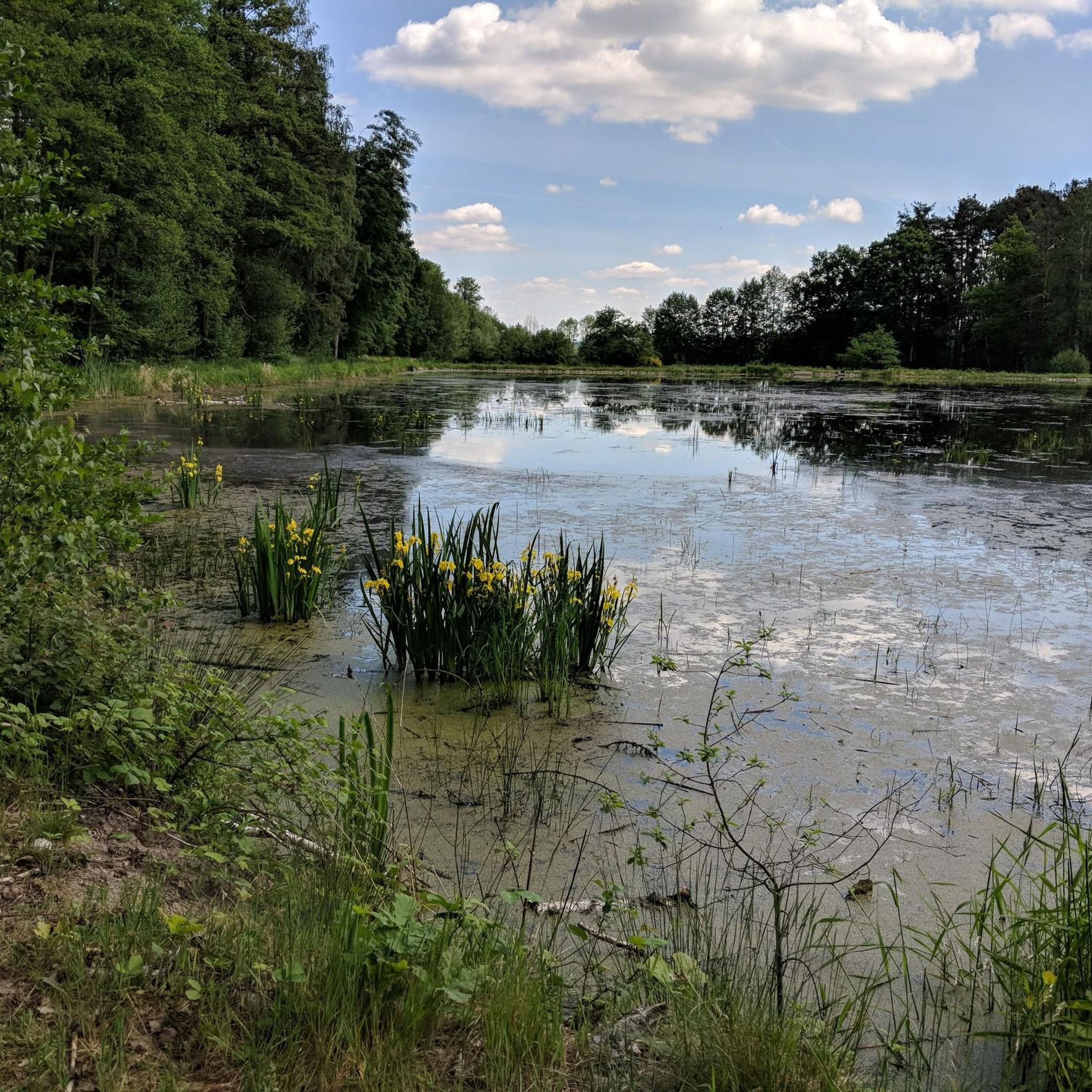
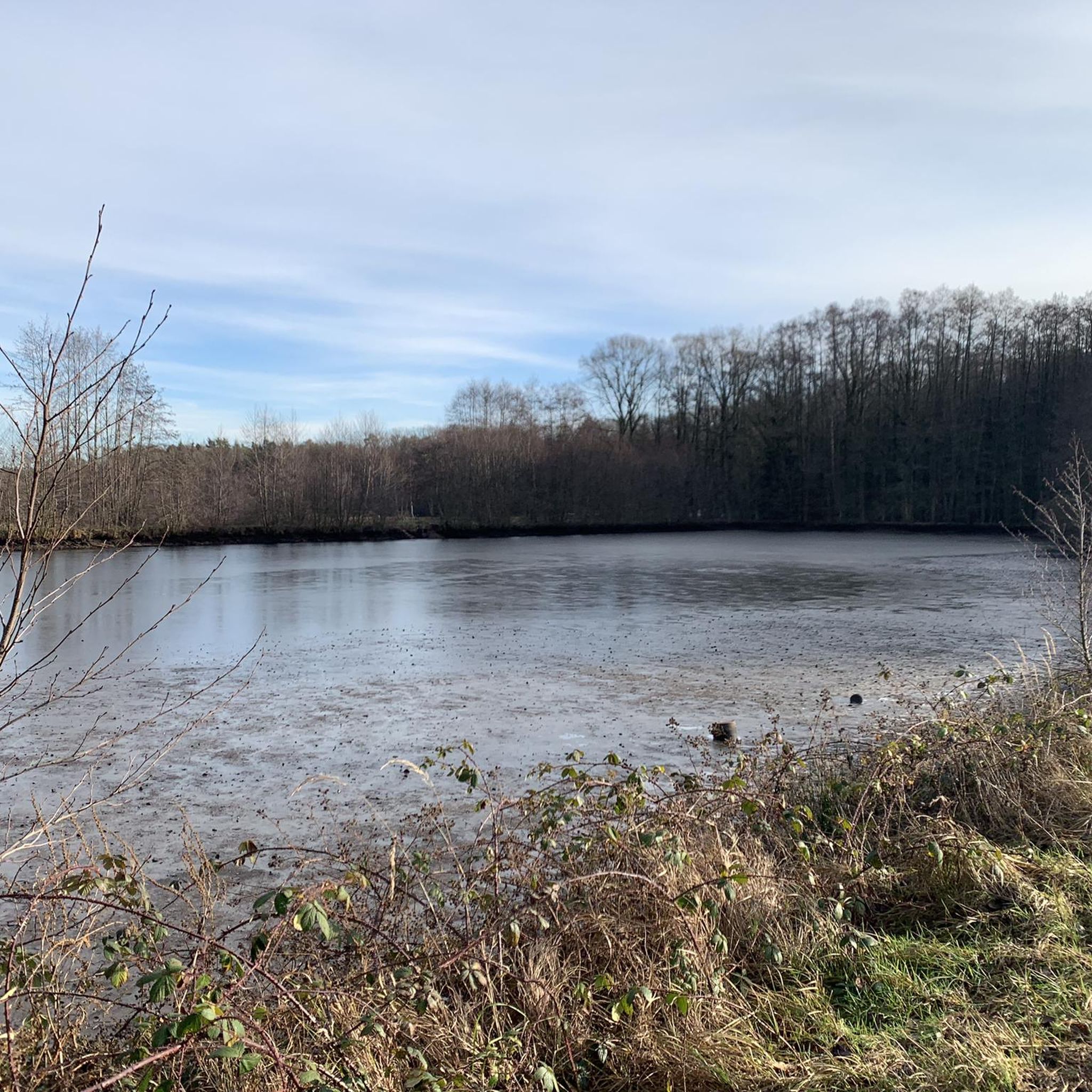
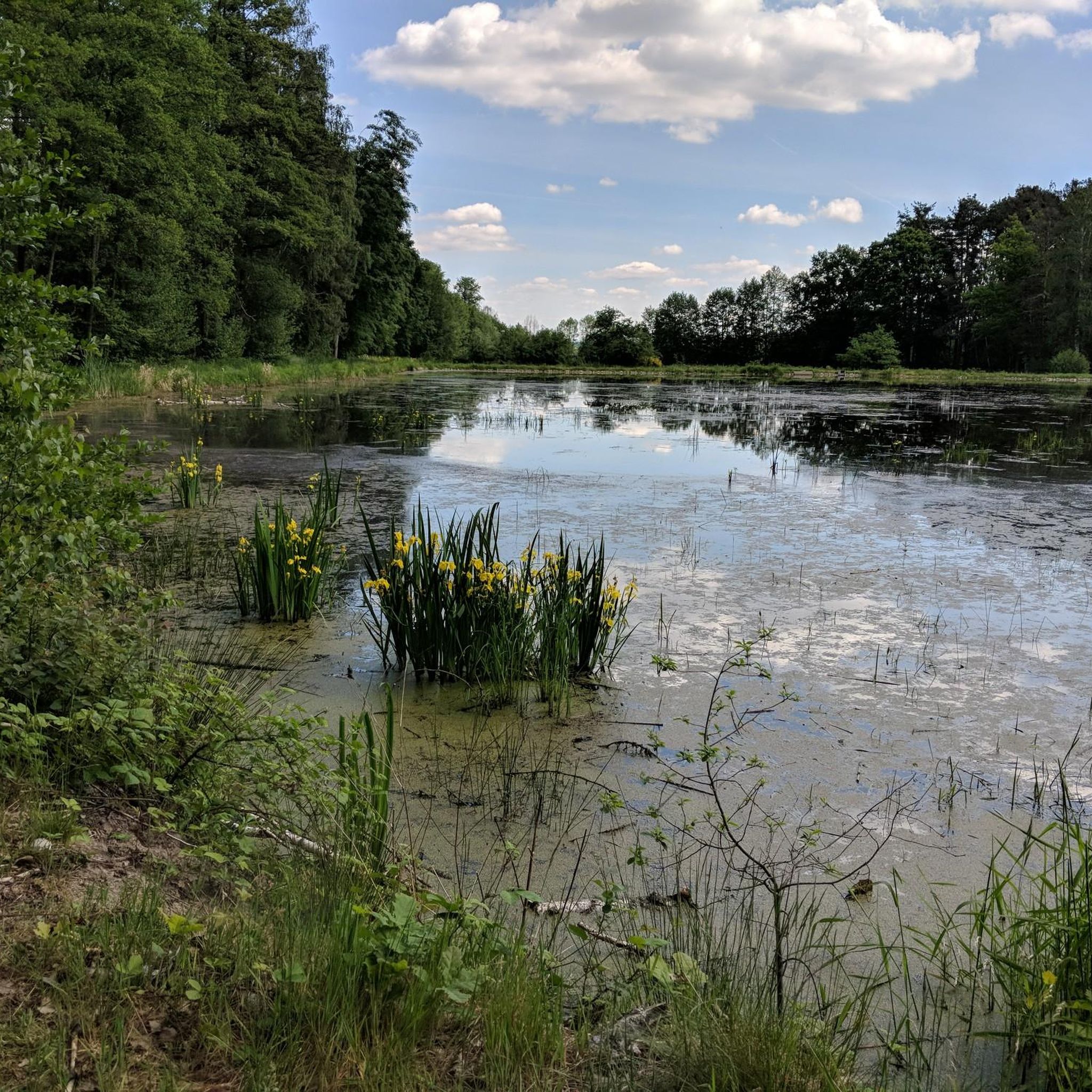
The Dechsendorfer Weiher (Großer Bischofsweiher) and the almost equally large Kleiner Bischofsweiher were created in the Middle Ages by the Bamberg bishops as carp ponds. Due to the large water surfaces and the immediate surroundings, both ponds are of great importance for species and biotope protection, especially for water birds. The Dechsendorfer Weiher are a popular destination for those seeking local recreation due to their proximity and closeness to nature. The pond is used as a bathing pond; however, use was restricted by the algae problem. The bathing ban is also announced locally and by clearly visible signs or signs at the bathing area. The fields to the west of the ponds are in the Sandachse Franken nature conservation project and the forest areas of the Markwald directly adjacent to the east are protected forest. The entire area is a landscape conservation area. The Dechsendorfer Weiher was previously flowed through by the Röttenbach. This has now been created as a new Röttenbach over a length of 1.6 km from the intermediate dam inlet area to the downstream area of the Dechsendorfer Weiher. A near-natural watercourse is intended to improve the previously moderate water structure and create new habitats for the ecological diversity of nature. The lack of passability of the Röttenbach was restored. In the new Röttenbach, nutrients, sediments and also fish from the catchment area of the Dechsendorfer Weiher can be diverted around it into the downstream area of the pond. The pond is no longer in the main tributary but in the bypass and can therefore be managed in terms of the quality and quantity of the incoming water. With the targeted planting of aquatic plants, the pond was returned to a plant-dominated state. [ Source: https://erlangen.de/aktuelles/gewaesserschutz-dechsendorfer-weiher ]
0
0
グローセンゼーバッハでのの人気観光スポット

komootモバイルアプリでインスピレーションを得よう


さらに探索
これらのガイドで、最高の洞窟を探す範囲を広げましょうグローセンゼーバッハでの:
