コルクレットの天然記念物・トップ6
コルクレットが誇る美しい風景を見てみたいなら、コルクレットの素晴らしい天然記念物・トップ6
に行ってみましょう。あなたにぴったりの場所が見つかるよう、素晴らしい天然記念物を探索するために必要なすべての情報を集めました。次のアウトドアの冒険に出かける計画の参考にしましょう。
最終更新日: 9月 11, 2026
ロクナガー・クレーター
ハイライト • 記念碑
翻訳者 Google •
役立つ情報 は

ドーセットシャー連隊記念碑
ハイライト • 記念碑
翻訳者 Google •
役立つ情報 は

今すぐサインアップして、こんな場所を発見しよう
最高のシングルトラック、ピーク、その他のエキサイティングなアウトドアスポットのおすすめを受け取ろう。
ホーソンクレストのクレーター(ソンムの戦い、第一次世界大戦)
ハイライト • 自然記念物
翻訳者 Google •
役立つ情報 は
ラ・ボワセルの採掘跡
ハイライト • 歴史的な場所
翻訳者 Google •
役立つ情報 は
マメッツの森・ウェールズ師団記念碑
ハイライト • 記念碑
翻訳者 Google •
役立つ情報 は

無料アカウントで今日から始めよう
次の冒険が待っています。




コミュニティからのヒント

The Cratère de Lochnagar, an impressive war memorial, was created by a huge mine blown up by the British Royal Engineers on 1 July 1916, as part of the Battle of the Somme. The explosion marked the beginning of the battle and left a crater 90 metres in diameter and 25 metres deep. Interestingly, the crater was named after Lochnagar Street, the trench from which the tunnel was dug. The crater is now a preserved site of remembrance and a religious service is held there every year on 1 July in memory of those who died.
8
0

The 38th Welsh Division Memorial, unveiled in 1987, is dedicated to the soldiers of the 38th Welsh Division who fell at the Battle of Mametz Wood in July 1916, at the start of the Battle of the Somme, and "marks their sacrifice for Freedom" with a red dragon, the symbol of Wales. With its wings in motion, the dragon, facing Mametz Wood, tears through barbed wire with its claws. On July 10, 1916, during the Battle of the Somme, the 38th Welsh Division was forced to capture Mametz Wood, a stronghold of German resistance that was preventing any eastward advance of the British Army. The wood was taken after fierce bayonet fighting, at the cost of very heavy losses, on July 12, 1916. For most of the soldiers, it was their baptism of fire: 4,000 men were put out of action, including 600 killed and 600 missing. Having lost a quarter of its strength, the 38th Welsh Division was relieved after a week and did not participate in a major offensive again until July 31, 1917.
0
0

Just off the road to Bapaume, is the site of the grand mine. At 7am on the 1st July 1916 the biggest explosion in history cause this hole o e of several that marked the start of the Battle of the Somme. Well worth a visit.
0
0


Enormous crater! Should you take with you on the tour: few are so well preserved and accessible.
2
0
An impressive example of the power of destruction: 100 years later, you still stand at this crater and can't imagine what really happened here. Well documented and can also be visited by groups, the area has space for stay and exchange.
3
0

Lochnagar Crater is the largest man-made World War I mine crater on the Western Front, created by a massive explosion that marked the start of the Battle of the Somme in 1916. You can tour the crater on a walk , discover history through information panels and pay tribute to the men and women who suffered during the Great War. The Lochnagar Crater Foundation organizes annual commemoration ceremonies and maintains the site as a memorial.
5
0
Lochnagar Crater is the largest artificial mine crater of the First World War on the Western Front. It was created by a massive explosion of 60,000 pounds of explosives under German lines on July 1, 1916, the first day of the Battle of the Somme. You can tour the crater and discover its history thanks to the information panels. You can also pay your respects to fallen soldiers by visiting the memorial cross and memorial plaques.
2
0
よくある質問
クールレット周辺で最も注目すべき自然記念物はどれですか?
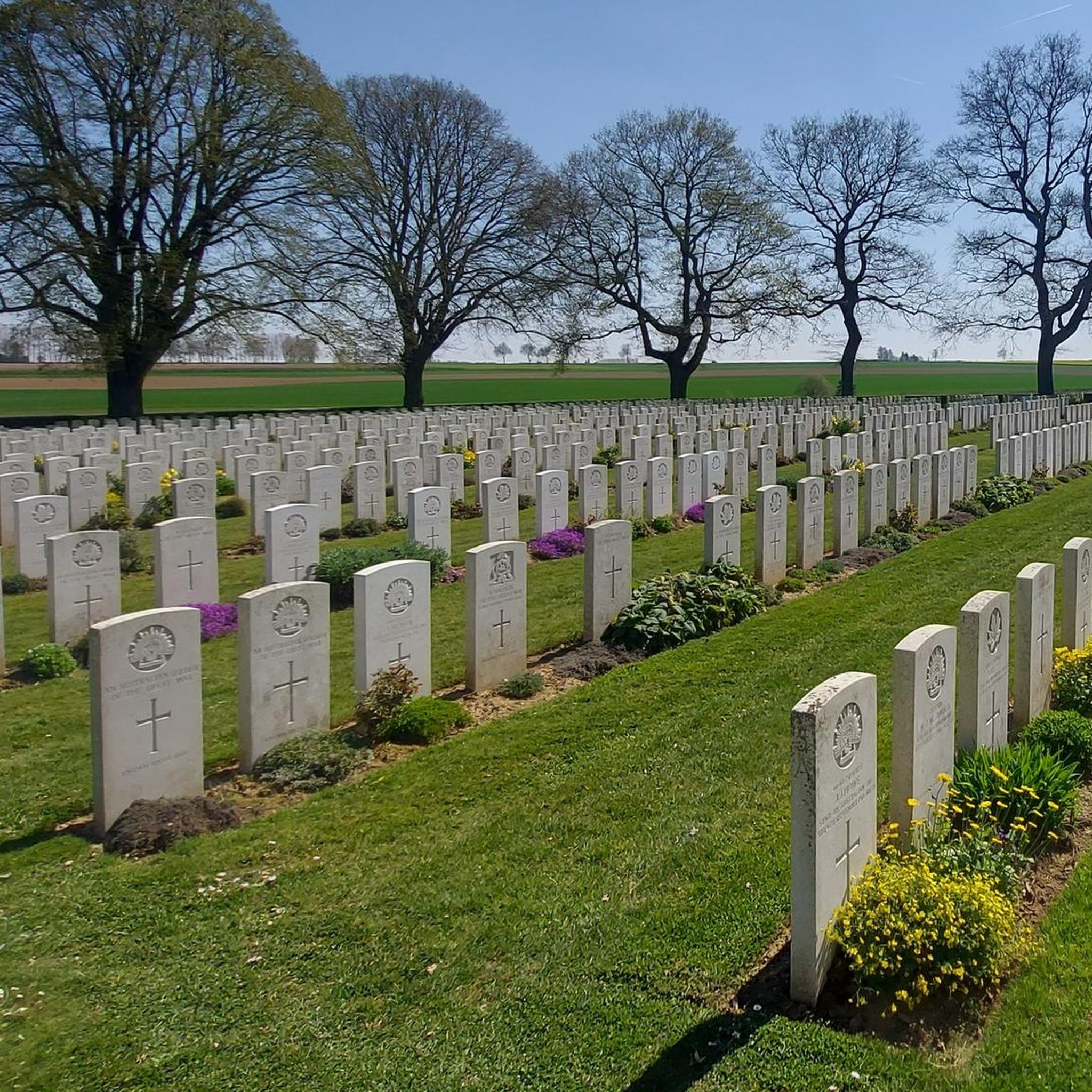
クールレット周辺の自然記念物は、特にソンムの戦いにおいて、この地域の歴史的重要性としばしば深く結びついています。主な場所としては、西部戦線における第一次世界大戦の最大の人工的な爆撃クレーターであるローナガー・クレーター、同じ戦いのもう一つの重要な爆撃クレーターであるホークソーン・リッジ・クレーターがあります。ドーセットシャー連隊記念碑も際立っており、野原と木々の絵のように美しい環境の中でイギリスの歩兵部隊を記念しています。
クールレット地域に家族向けの自然記念物はありますか?
はい、クールレット地域には家族に適した自然記念物がいくつかあります。ローナガー・クレーター、ドーセットシャー連隊記念碑、ラ・ボワセル鉱山クレーター、そしてマメッツウッドウェールズ師団記念碑はすべて家族向けとして分類されています。これらの場所は、開放的で瞑想的な環境で歴史について学ぶ機会を提供します。
クールレット近郊の自然記念物を訪れる際、どのような地形が予想されますか?
クールレット周辺の地形は、一般的にソンム地方特有の、開けた野原と緩やかに起伏する景観が特徴です。石灰岩の露頭や乾燥した草原がある地域もありますが、「自然記念物」自体はクレーターのような史跡であることが多く、地面のくぼみの周りの小道を歩くことになります。ホークソーン・リッジ・クレーターのような場所の周辺では、特に道がぬかるんでいる場合があるため、適切な履物をお勧めします。
クールレットの自然記念物の近くにハイキングコースはありますか?
もちろんです。クールレット地域では、これらの歴史的な自然記念物を組み込んだ様々なハイキングの機会があります。「テプヴァル記念碑周辺トレイル」や「ローナガー・クレーターとフリクール・ドイツ軍墓地 — ラ・ボワセルからのループ」のようなルートを探索できます。その他のオプションについては、クールレット周辺のハイキングガイドをご覧ください。
これらの史跡の近くで、ランニングやマウンテンバイクなどの他のアウトドアアクティビティのオプションはありますか?
はい、この地域では他のアウトドアアクティビティの機会も提供されています。ランナー向けには、「テプヴァル記念碑 — ループ — テプヴァルからのラン」や「フリクール・サリエントとローナガー・クレーター・ループ」のようなルートがあります。マウンテンバイカーは、「シュヴァトー・ド・スザンヌ – カルノワ・マメッツからのヴォー・ビューポイント・ループ」のようなトレイルを見つけることができます。詳細については、クールレット周辺のランニングトレイルおよびクールレット周辺のマウンテンバイクトレイルガイドをご覧ください。
これらの自然記念物の歴史的重要性は何ですか?
クールレットの「自然記念物」は、主に第一次世界大戦、特にソンムの戦いとの関連で重要です。ローナガー・クレーターやホークソーン・リッジ・クレーターのような場所は、戦いの重要な瞬間を示した大規模な爆撃の結果です。これらは、戦争中に払われた悲劇的な出来事と計り知れない犠牲の証人として、痛切な記念碑であり保存された景観として機能しています。
クールレットの自然記念物を訪れるのに最適な時期はいつですか?
クールレットの自然記念物を訪れるのに最適な時期は、一般的に春(4月~6月)と秋(9月~10月)です。これらの季節は、屋外の場所を散策したり探索したりするのに、通常は穏やかで快適な気候です。夏も適していますが、暑くなる可能性があります。冬は気温が下がり、ぬかるんだ状態になる可能性があります。
クールレットの自然記念物に犬は連れて行けますか?
特定の規則は異なる場合がありますが、クールレット周辺の史跡や記念碑を含むソンム地方の多くの屋外史跡や記念碑は、特にリードにつないでおけば、一般的に犬に優しいです。各場所の特定の標識を確認することをお勧めしますが、これらの野外記念碑を犬を連れて敬意を持って散歩させている訪問者をよく見かけるでしょう。
自然記念物の近くで駐車場を見つけることはできますか?
クールレット地域にある主要な自然記念物や記念碑の場所には、通常、駐車場があります。例えば、ローナガー・クレーターやその他の重要な記念碑の近くには、指定された駐車場があります。これらの場所は、訪問者が車で来やすいように設計されており、駐車エリアの標識も明確です。
クールレット周辺の景観を特徴づける自然の特徴は何ですか?
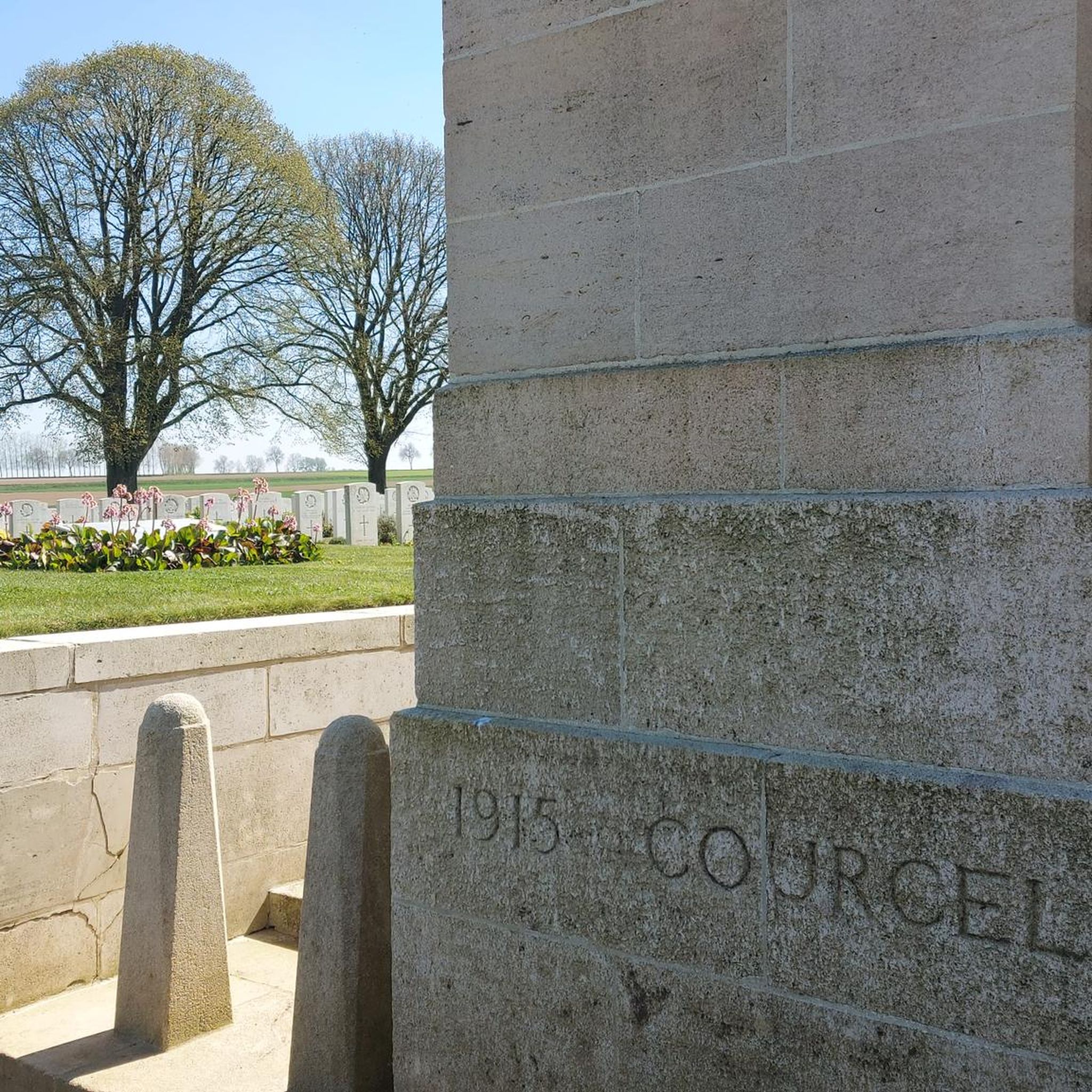
「コートー・ド・レソンヌ・エ・ド・ラ・リマール」ZNIEFFの一部であるクールレット周辺の景観は、石灰岩の露頭と乾燥した草原が特徴です。この地域は壮大な地質学的構造で知られているわけではありませんが、その自然要素は歴史的な記念碑のデザインにしばしば組み込まれています。例えば、クールレット・カナディアン記念碑にあるカエデの木がある円形の公園は、歴史的な文脈の中で平和で瞑想的な緑地を作り出しています。
訪問者はこれらの場所で一般的に最も楽しんでいることは何ですか?
訪問者は、これらの場所での厳粛な雰囲気と、反省の機会に深い感謝の意を表することがよくあります。情報パネルによって提供される歴史的な洞察と、クレーターの保存状態を高く評価しています。木々や開けた眺めのある、平和で手入れの行き届いた景観は、過去を記憶するための痛切な背景を提供しており、ローナガー・クレーターやドーセットシャー連隊記念碑のヒントで見られるように、その例があります。
公共交通機関を利用して自然記念物にアクセスするにはどうすればよいですか?
クールレット周辺の個々の自然記念物への公共交通機関のオプションは限られています。この地域は車での移動が最も便利で、複数の場所を訪れることができます。しかし、ソンム地方の大きな町へは電車やバスでアクセスでき、その後、個々の記念碑の場所へ行くために地元のタクシーサービスを利用したり、自転車に乗ったりすることを検討できます。
コルクレットでのの人気観光スポット

komootモバイルアプリでインスピレーションを得よう


さらに探索
これらのガイドで、最高の洞窟を探す範囲を広げましょうコルクレットでの:
