コルクレットでののおすすめグラベルライド
4.5
(5)
25
ライダー
10
ライド
komootがまとめたコルクレットでののおすすめグラベルライドを参考にして、グラベルライドの魅力を最大限に楽しみましょう。難易度の高い登り坂や絶景のトレイルなど、あらゆるルートの中から厳選したコルクレットでののグラベルライドをご覧ください。
最終更新日: 10月 8, 2026
5.0
(2)
6
ライダー
45.9km
02:46
250m
250m
中程度のグラベルライド. ある程度のフィットネスレベルが必要です。 全般的に舗装された状態です。あらゆるスキルレベルに適しています。
4.0
(1)
3
ライダー
28.2km
02:10
260m
260m
中程度のグラベルライド. ある程度のフィットネスレベルが必要です。 全般的に舗装された状態です。あらゆるスキルレベルに適しています。

3
ライダー
40.7km
02:58
380m
380m
中程度のグラベルライド. ある程度のフィットネスレベルが必要です。 全般的に舗装された状態です。あらゆるスキルレベルに適しています。
3
ライダー
52.1km
03:32
430m
430m
中程度のグラベルライド. ある程度のフィットネスレベルが必要です。 全般的に舗装された状態です。あらゆるスキルレベルに適しています。
1
ライダー
30.8km
02:12
220m
220m
中程度のグラベルライド. ある程度のフィットネスレベルが必要です。 全般的に舗装された状態です。あらゆるスキルレベルに適しています。
さらに多くのルートや他のユーザーのおすすめ情報を確認できます。
すでにアカウントをお持ちですか?
おすすめのツアーは他のkomootユーザーが実際に経験した何千ものアクティビティに基づいています。
無料アカウントで今日から始めよう
次の冒険が待っています。



コミュニティからのヒント


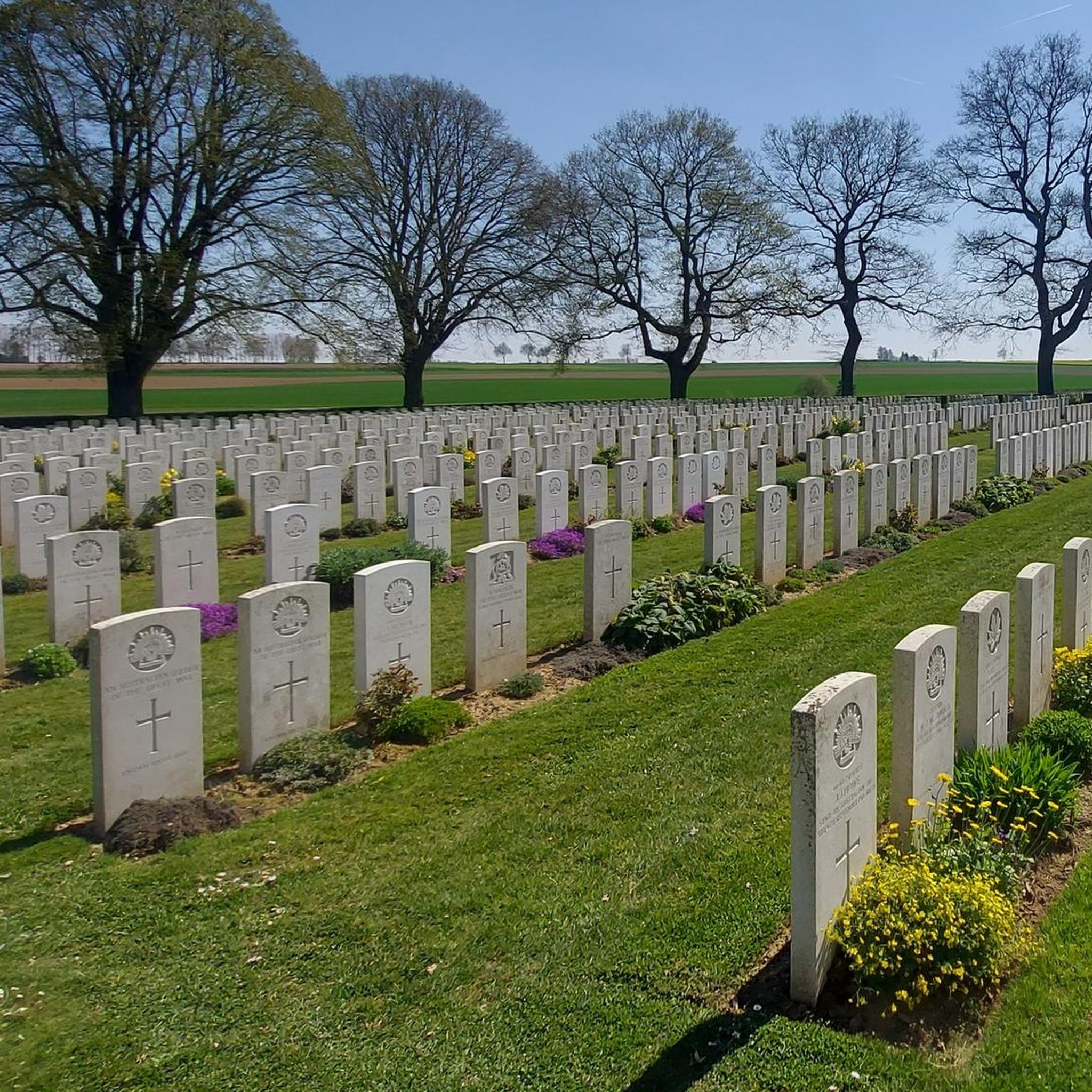
cemetery containing 876 graves, including 825 British soldiers
2
0

Nice view of the ponds and the villa "Les étangs".
0
0

An interesting anecdote is that the Royal Naval Division was originally formed from reservists of the British Navy who had no place on ships during the war. This unit was trained as infantry and played a crucial role in several battles, including the Battle of the Ancre.
6
0
The British Royal Naval Division Memorial in Beaucourt-sur-l'Ancre commemorates the officers and men of the Royal Naval Division who died during the Battle of the Ancre, part of the great Somme offensive. The memorial is located on Rue d'Hamel (Route D50) and Chemin de Serres les Pusieux.
6
0
The Nymphe d'Aveluy is a historical monument in Aveluy, France, commemorating the artwork created by French soldiers during World War I. During periods of rest between battles, soldiers created sculptures and engravings, including the famous "Nymphe d'Aveluy". These works were often photographed and sent to their families on postcards.
1
0
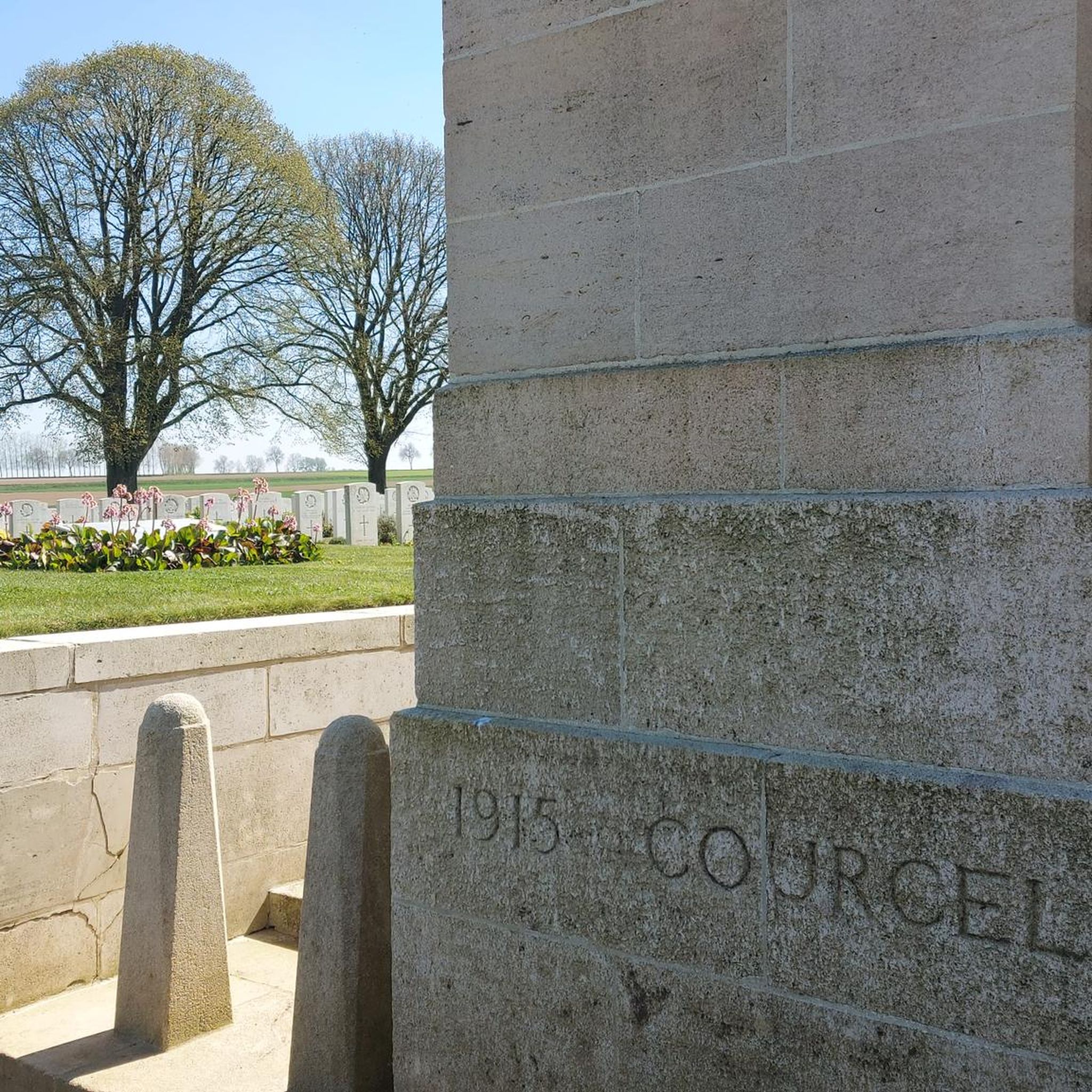
The Méaulte Military Cemetery was built in December 1915 and was in use until February 1917, although after the fighting of 1918 and the armistice, more bodies were buried there. It contains 312 graves (303 British, 2 Canadian, 1 Australian, and 6 Indian), including 21 unidentified bodies. The village of Méaulte was occupied by the British from 1915 until March 26, 1918, when it was captured by the Germans. It was finally liberated by the British 12th Division, supported by tanks, on August 22, 2018.
0
0
The extension to the Mesnil-Martinsart Communal Cemetery was built in July 1916, at the time of the Battle of the Somme, and contains 333 graves: 321 British, 5 Canadians, and 7 New Zealanders. Since the village of Mesnil was located near the front until September 1916, and again from March to August 1918, this cemetery was begun in July, at the time of the Battle of the Somme. Although bodies were still being buried in 1918, it was mainly after the armistice that a large number of bodies from the nearby battlefield, located northeast of Mesnil, were gathered here. This was the case for 141 British sailors and soldiers, as well as the Canadians from Mesnil Dressing Station Cemetery. This cemetery was located during the war to the west of the village, near a small railway line, which was mainly used to transport munitions. It was used from June 1916 to February 1917, and again from March to July 1918, mainly by the 63rd Division: the Royal Naval Division
0
0
コルクレットでのの人気観光スポット

komootモバイルアプリでインスピレーションを得よう


さらに探索
他の地域の最高のグラベルライドを見てみましょう。
