ヴォルミュンスターの天然記念物・トップ20
Wollmünster周辺の最高の自然記念碑は、印象的な地質学的構造と広大な森林景観を特徴としています。ドイツとフランスの国境近くに位置するこの地域は、ユニークな砂岩構造で知られています。これらの自然の特徴は、数百万年にわたる地質学的プロセスと人間の歴史的痕跡への洞察を提供します。この地域は、その独特の自然の美しさの中で、アウトドア探検のための多様な機会を提供しています。
Wollmünster周辺の最高の自然記念碑
- 最も人気のある自然記念碑は、壮観な岩石構造を特徴とする自然記念碑であるアルトシュロス・ロックスです。夕方の訪問は、低い太陽が砂岩を照らすときの強烈な色の遊びで報われることがあります。
- もう一つの必見スポットは、壮大な色の遊びを持つ自然記念碑であるアルトシュロスフェルゼン砂岩の岩石構造です。この場所は、非常に印象的で変化に富んだハイキング体験を提供します。
- 訪問者はまた、岩のそばや一部は岩の下を通るトレイルであるヘルムート・コール・ハイキング・トレイルも気に入っています。この道は、印象的な岩石構造の没入体験を提供します。
- Wollmünsterは、そのユニークな砂岩の岩石構造、広大なトレイル、そして景色の良い展望台で知られています。この地域は、地質学的な重要性と自然の美しさを紹介する、さまざまな自然記念碑を見て探索することができます。
- Wollmünster周辺の自然記念碑は、2400件以上の「いいね!」と3700枚以上の写真が共有されており、komootコミュニティによって高く評価されています。
最終更新日: 9月 11, 2026
アルトシュロスフェルセン
ハイライト • 自然記念物
翻訳者 Google •
役立つ情報 は

Altschlossfelsen(アルトシュロスフェルセン) — 砂岩の岩群
ハイライト • 自然記念物
翻訳者 Google •
役立つ情報 は

今すぐサインアップして、こんな場所を発見しよう
最高のシングルトラック、ピーク、その他のエキサイティングなアウトドアスポットのおすすめを受け取ろう。
翻訳者 Google •
役立つ情報 は

岩の輝き
ハイライト • 自然記念物
翻訳者 Google •
役立つ情報 は

ヘルムート・コール・ワンダーウェーク
ハイライト (セグメント) • トレイル
翻訳者 Google •
役立つ情報 は

無料でサインアップして、さらに多くの自然記念物を発見しましょう ヴォルミュンスターでの。
すでにアカウントをお持ちですか?
無料アカウントで今日から始めよう
次の冒険が待っています。
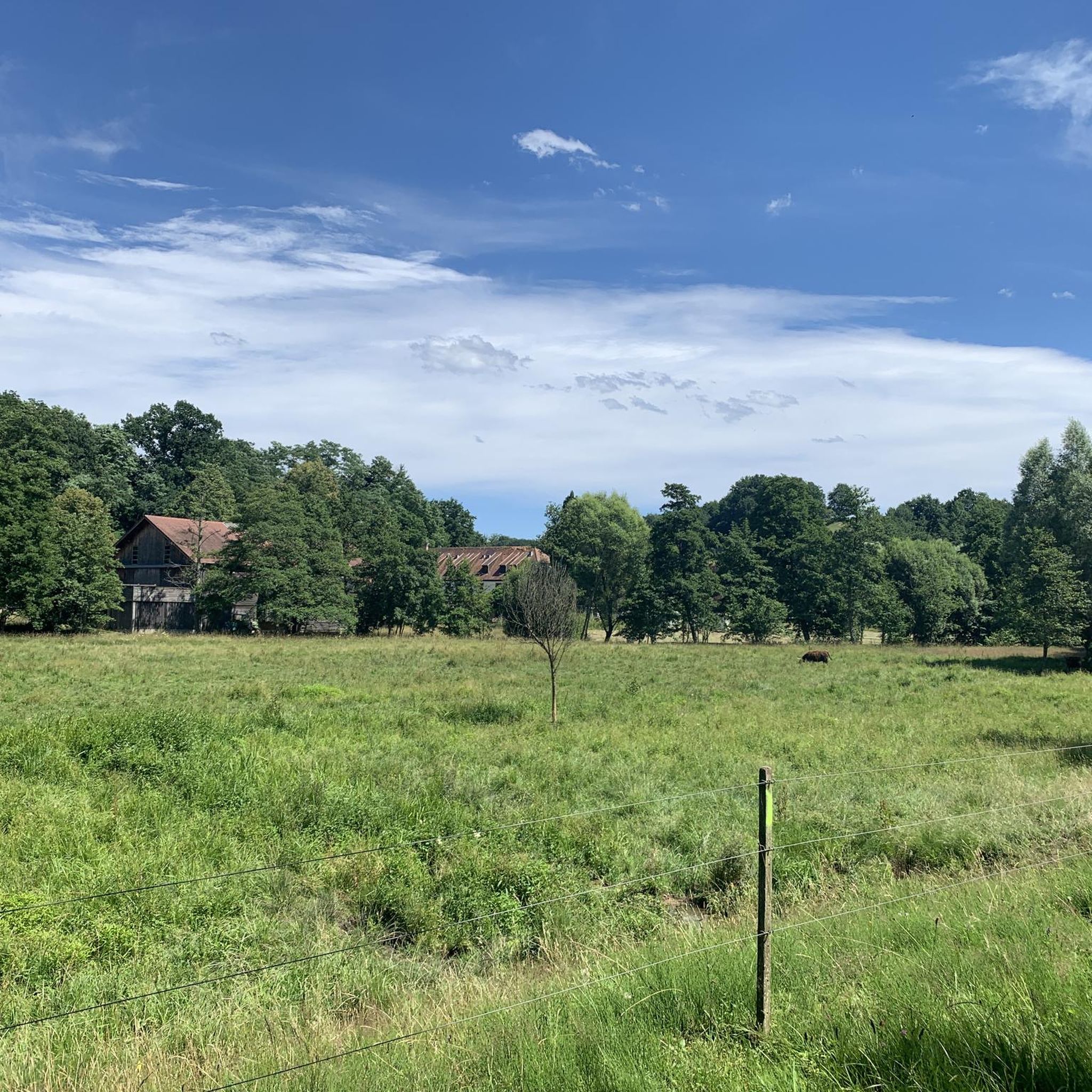
コミュニティからのヒント

古典的な森の地面をハイキングすることを再考してください。ここではハイキングが楽しいです。道の上または横断する多くの根に注意する必要があります、転倒の危険。
9
0

The Altschlossfelsen (also known as Eppenbrunn Castle) are a group of red sandstone rocks designated as a natural monument (ND) ND-7340-205 and a cultural monument (KD) in the municipality of Eppenbrunn in the Palatinate Forest on the border with France, and are the largest rock formation in the Palatinate. They are located on the eastern slope of the Brechenberg (406 m) near Eppenbrunn and Roppeviller at an elevation of approximately 365 m above sea level at the northeast end and 380 m above sea level at the southwest end of the rock band. The Altschlossfelsen are a group of red sandstone rocks approximately one and a half kilometers long and up to 30 meters high. The group consists of sandstone towers and walls. The Altschlossfelsen are crisscrossed by cracks and joints, some of which are wide enough to climb through. They are known primarily for their diverse weathering phenomena and rare lichens. The summit plateau can be reached from the north and south on narrow paths. There, you'll find a sparse forest and moss-covered rocks. A special lighting situation created by the sun, the "rock glow," is best seen around 7:00 p.m. in the first half of April, depending on weather conditions, vegetation, and the position of the sun. In the morning hours, the glow occurs around 8:45 a.m. Finds from the Hallstatt and Roman periods attest to earlier settlement of the rock group. In 1964, for example, shards from the La Tène period (c. 450–50 BC) were found. Traces of a medieval castle from the 11th or 12th century are found on the four main rocks. These include the remains of a stepped structure, post holes, remains of masonry, and notches for beams in the rock. A depression with a diameter of four meters is located on a rock, which may have served as a cistern. Additionally, on the southern and northern slopes around the rock formation, humped blocks, which may have originated from the structure of a former castle, as well as shards from the High Middle Ages were found in a wall groove. A more precise dating of the castle complex is difficult, as the castle was not mentioned before 1297 or later in the 1605 border description between Lorraine and the County of Hanau-Lichtenberg. Source: https://de.wikipedia.org/wiki/Altschlossfelsen
1
0

Today the light, and the time, did not favor the brightness among the rocks.
1
1

It was very beautiful there, but I was there at the wrong time. I'll be back :) Does anyone know the best time to see the rocks like this?
0
0

A beautiful hiking trail along the historic rock formations near the border
3
0


A special lighting situation created by the sun, the "rock glow", is best seen in the first half of April around 7 p.m. on the southeast side of the third rock from the east (from Eppenbrunn), depending on the weather, vegetation and position of the sun.
2
1

Very nice
0
2
ヴォルミュンスターでのの人気観光スポット

komootモバイルアプリでインスピレーションを得よう


さらに探索
これらのガイドで、最高の洞窟を探す範囲を広げましょうヴォルミュンスターでの:
