ムッテンの洞窟・トップ14
ハイキングの途中で偶然見つけた場合でも、ガイドブックに沿ってたどり着いた場合でも、いつも特別な体験をもたらしてくれる城。ムッテンには訪れるべき 14
の美しい城があります。一覧から行きたい城を見つけて、次の冒険では歴史にも触れてみましょう。
最終更新日: 10月 9, 2026
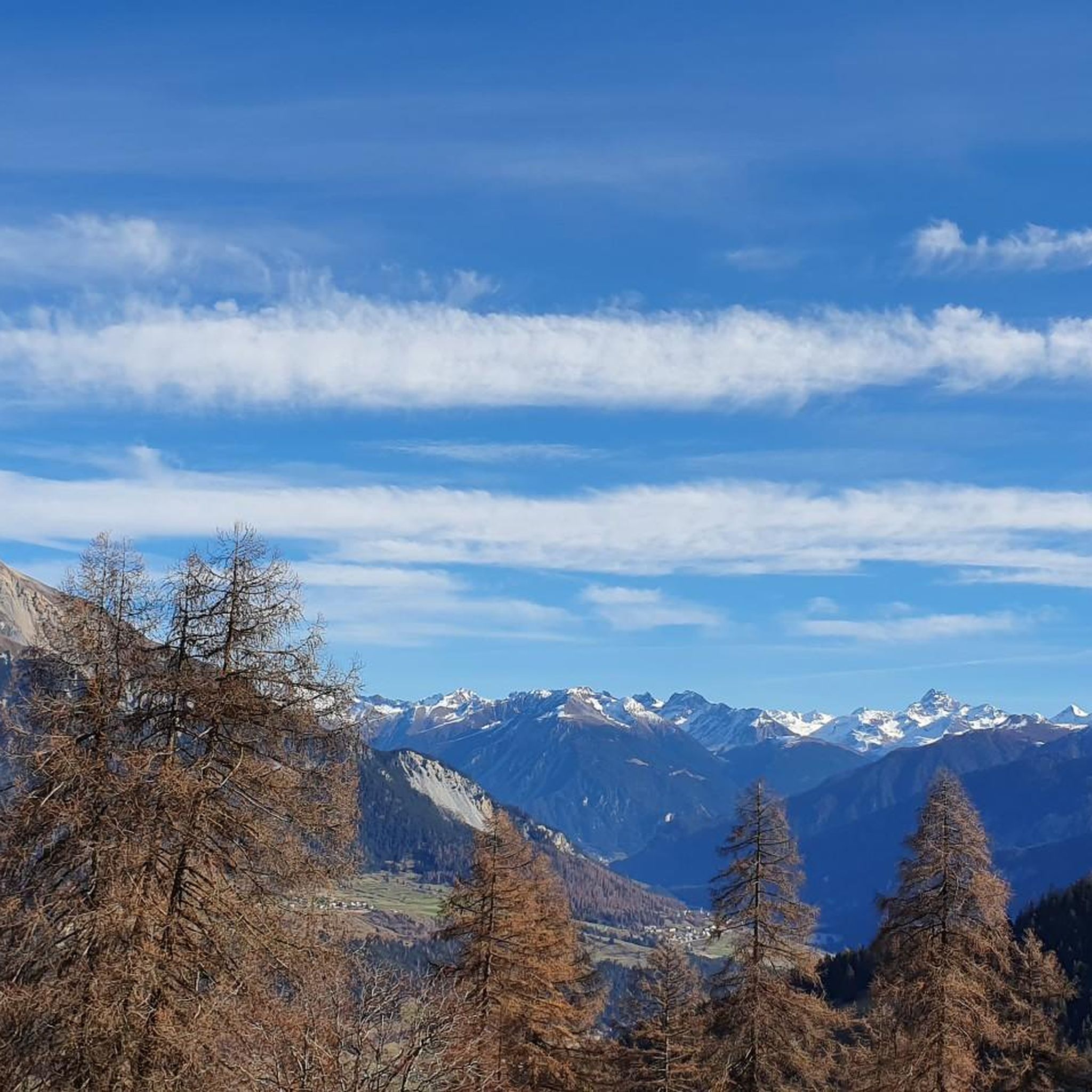
ホーエン・レーティエン城跡の眺め
ハイライト • 城
翻訳者 Google •
役立つ情報 は

リオム城
ハイライト • 城
翻訳者 Google •
役立つ情報 は

今すぐサインアップして、こんな場所を発見しよう
最高のシングルトラック、ピーク、その他のエキサイティングなアウトドアスポットのおすすめを受け取ろう。
リートベルク城
ハイライト • 城
Rietberg war der Sitz der Herren von Rietberg, die in einer Urkunde vom 29. Juli 1286 als Vasallen der Herren von Sax-Misox erwähnt werden und im 13. …
役立つ情報 は

シャウエンシュタイン城
ハイライト • 城
An episcopal Meierhof as the origin of Fürstenau
The episcopal power in Domleschg was probably already developed in the epoch of the Frankish Empire, in …
翻訳者 Google •
役立つ情報 は
アルト=ズュンスの廃城跡
ハイライト • 城
In 1216, the powerful Barons of Vaz built their first castle in the mild Domleschg outside their ancestral castle Nivaigl …
翻訳者 Google •
役立つ情報 は
無料でサインアップして、さらに多くの城を発見しましょう ムッテンでの。
すでにアカウントをお持ちですか?



コミュニティからのヒント

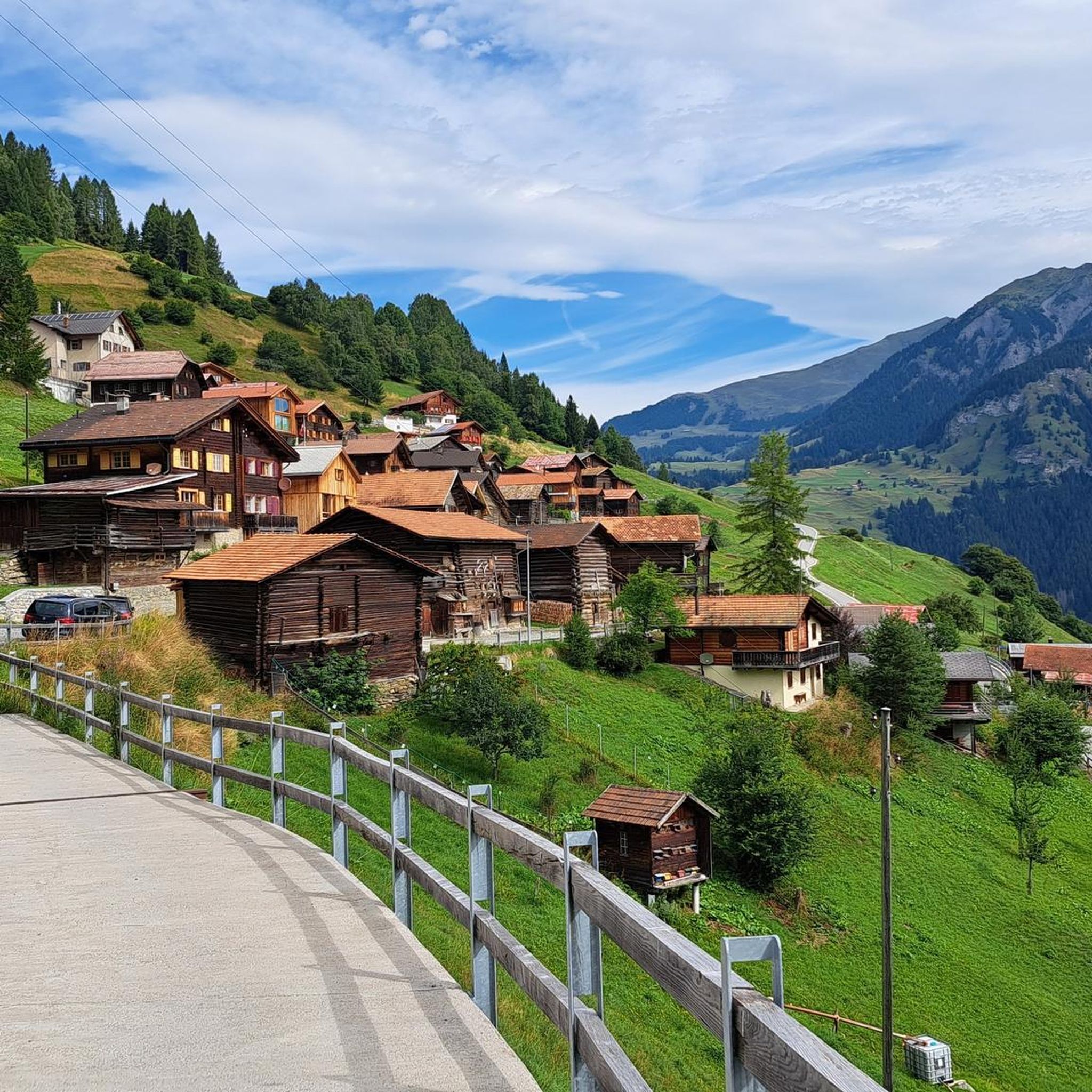
This castle is located 250m above the Oden valley. It is privately owned and is very well preserved. Inside there is seating and a fireplace. Entrance fee is 5 francs to help maintain this beautiful castle.
1
0

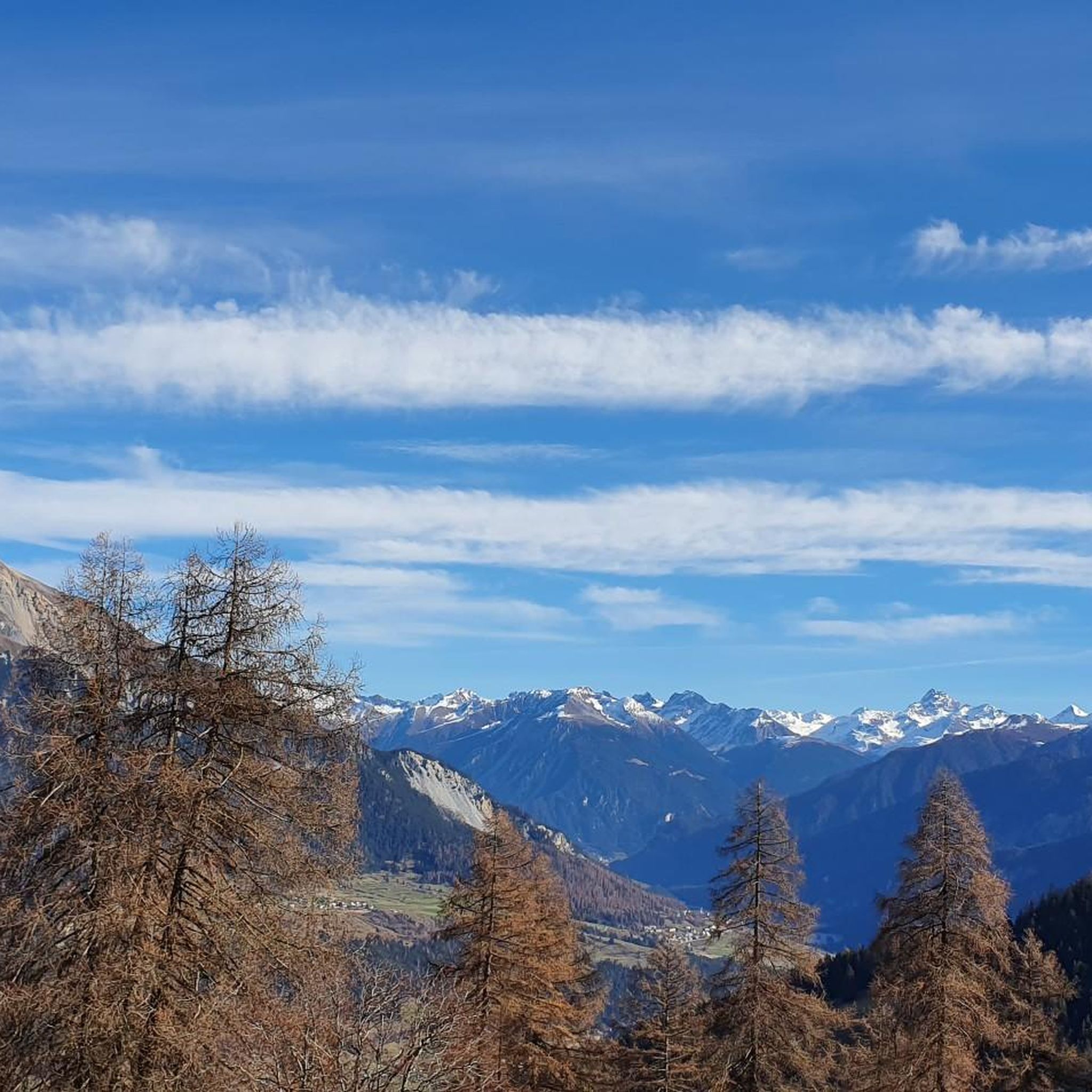
The Höhen Rätien Castle is a hilltop and church castle high on the rock at an altitude of 946 metres above the entrance to the Viamala Gorge. It is located in Sils im Domelschg Hinterrhein Graubünden. It is one of the oldest cultural and settlement sites in Switzerland.
3
0
Rietberg Castle stands above Pratval in Doleschg Graubünden. It was built in 1225 as a hilltop castle at an altitude of 723 metres.
0
0

Ruin of Alt-Süns 1216, the oldest Vaz castle in Domleschg In 1216, the powerful Barons of Vaz built their first castle in the mild Domleschg outside their ancestral castle Nivaigl in Vaz, from there fifty years later they built Ortenstein and even later Neu-Süns, which we usually call Canova. With the heir Ursula von Vaz of the last Baron, the property went to the Counts of Werdenberg-Sargans. In the Schams Feud of 1451, the barely inhabited castles of Alt-Süns and Neu-Süns collapsed when half of the tower was undermined. Since then they have been a picturesque eye-catcher in the Domleschg castle landscape. Text: Pro Castellis https://pro-castellis.ch/ruine-alt-s%C3%BCns-1216
12
0
Rätia Ampla Castle in Riom The Romans already had a settlement in Riom. In the early Middle Ages, a royal court developed. Following the episcopal bailiffs, the land bailiffs lived in what was then one of the largest castles in the canton of Graubünden. After the village fire in 1864, all the wood from the fortress was used to rebuild the village. Until 1977, when a roof was rebuilt, the castle eked out a miserable existence as a ruin. Today's theater house houses Graubünden's largest theater and cultural festival. The Origen Festival takes place every summer in July and August. Rätia Ampla Castle in Riom was probably built around 1250. It quickly changed hands from the old lords to the Bishop of Chur. In 1552, the valley was bought free from episcopal rule. The castle was used as a conference venue and as a prison. Text / Source: Tourism Savognin Bivio Albula AG, Stradung 42, 7460 Savognin https://www.valsurses.ch/de/excursions/burg-riom
12
0
Rätia Ampla Castle in Riom Rätia Ampla Castle in Riom is the largest castle in Surses. After the village fire in 1864, all of the fortress's wood was used to rebuild the village. The former bishop's castle, built in 1227, can be viewed from the outside. Text / Source: Tourismus Savognin Bivio Albula AG, Stradung 42, 7460 Savognin https://www.valsurses.ch/de/ausflugsziele/burg-riom
12
0
Fürstenau - town in miniature An episcopal Meierhof as the origin of Fürstenau The episcopal power in Domleschg was probably already developed in the epoch of the Frankish Empire, in the first millennium. The incompletely preserved Reichsurbar (list of goods and taxes of the imperial rule) from 831 shows that a ministry Tumliasca (bishop's administrative apparatus Domleschg) existed. This faced a vicedominus with judicial authority. It is conceivable that the episcopal administration was originally based in Hohenrätien ob Sils i.D. had, but had been moved to one of the three Carolingian royal courts of Scharans, Almens and Tomils early on. Presumably an administrative officer (Meier) of the bishop took up residence in Baumgartenland Maros near Fürstenau. The name Maros goes back to the Latin word ad majoranem, the accusative of maiora (= dairy farm or farmstead). From this, the name Mairaus developed via ad maioranes, which as a name for Fürstenau first appears in documents in the first half of the 12th century. The development of the city In the course of the 14th century, the sovereign large castle acquired a modest urban character as a result of the denser settlement of the outer bailey. A document from 1383 testifies that the main castle was in front of the bridge to a bailey (lat. atrium). Peasant and artisan subjects lived here, who were responsible for the supply of the lords of the castle, and, as the House of Stoffel shows, apparently also knightly servants. Architectural and political developments are interrelated. In the middle of the 14th century, the diocese of Chur not only managed to obtain market privileges, but also a place of jurisdiction for blood justice. King Charles IV had Bishop Ulrich V (1331-1355) present a diploma on May 13, 1354, which gave Fürstenau the right to jail, sticks and gallows, as well as the holding of two annual markets on St. Michael's and St. George's Day . This meant that Fürstenau had also become a city in a legal sense. Its expansion from 1354 coincides with that of the castle mentioned in 1272. The town was not only of great importance as a trading and market place, it had also risen to become the center of princely possessions in the upper part of the Domleschg. So the castle has clearly proven itself as a strong attraction. Around 1300, a territorialization process began in the Graubünden area, which had a significant influence on political events up until after 1450. Noble dominions such as that of the Lords of Rhäzüns supplemented or overlaid the episcopal dominion. Neither party had a closed territory. As early as the first half of the 14th century, Fürstenau was drawn into the maelstrom of the episcopal power struggles. The few surviving documentary mentions of Fürstenau should be seen in this context: In 1333 the bishop promised the lords of Rhäzüns 1000 marks, four hundred of them through Fürstenau Castle, which was then pledged. In 1347 the castle served as security so that the bishop would go back into the captivity of the Count of Tyrol, from which he had been released. Fürstenau was then handed over to Walter von Stadion. In 1351 an arbitral tribunal had to decide the dispute over Fürstenau Castle between the bishop and the Counts of Montfort. Finally, in 1367, Fürstenau was occupied by the cathedral chapter and the bishop's vassals. In 1387 it regained great importance in connection with the expansion of the Septimer Pass by Johann von Castelmur. Text: City of Fürstenau https://www.fuerstenau.ch/Portrait/History/
13
0


komootモバイルアプリでインスピレーションを得よう


さらに探索
他の場所で最高の城を探していますか?他のガイドを発見しましょうムッテンでの:
