バルダラセテの天然記念物・トップ12
バルダラセテが誇る美しい風景を見てみたいなら、バルダラセテの素晴らしい天然記念物・トップ12
に行ってみましょう。あなたにぴったりの場所が見つかるよう、素晴らしい天然記念物を探索するために必要なすべての情報を集めました。次のアウトドアの冒険に出かける計画の参考にしましょう。
最終更新日: 10月 18, 2026
リスコ・デ・ラス・クエバス・デ・ペラレス・デ・タフーニャ
ハイライト • 洞窟
翻訳者 Google •
役立つ情報 は

Azud de Vaciabotas
ハイライト • 構造物
This is the dam or weir where the Caz del Molino takes its water from the Tajuña River. It is also known as the Azud del Molino and …
翻訳者 Google •
役立つ情報 は
今すぐサインアップして、こんな場所を発見しよう
最高のシングルトラック、ピーク、その他のエキサイティングなアウトドアスポットのおすすめを受け取ろう。
タホ川のアルカリアス:石膏、マール、エスパルト
ハイライト • 自然記念物
翻訳者 Google •
役立つ情報 は
Peña Bermeja
ハイライト • 自然記念物
翻訳者 Google •
役立つ情報 は
ケヒーゴ・デル・ロブレダル
ハイライト • 自然記念物
翻訳者 Google •
役立つ情報 は
無料でサインアップして、さらに多くの自然記念物を発見しましょう バルダラセテでの。
すでにアカウントをお持ちですか?
無料アカウントで今日から始めよう
次の冒険が待っています。
コミュニティからのヒント

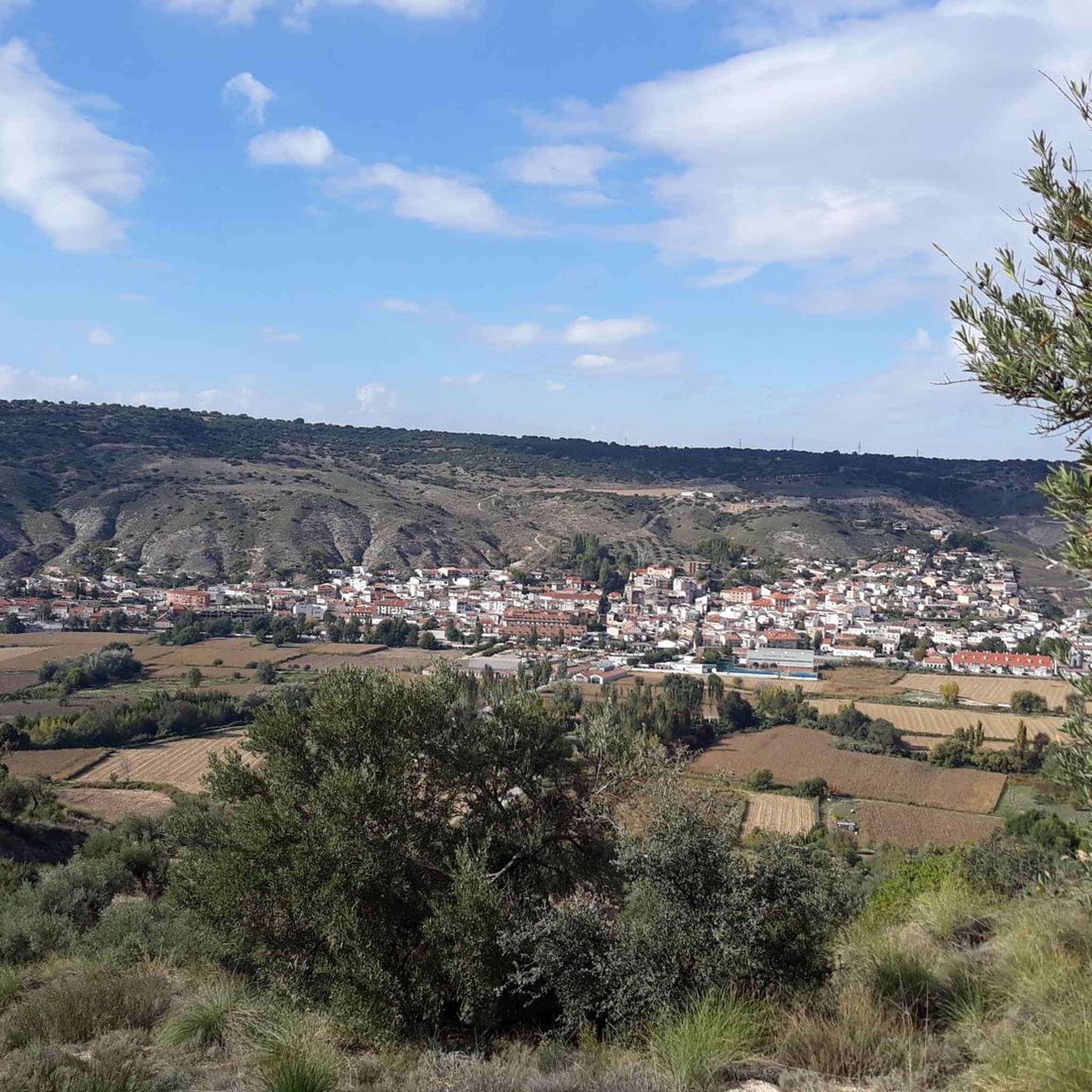
The Tajo River basin in the province of Madrid is a basin of limestone, gypsum, marl and sandstone sediments. The limestone is hard and has resisted erosion over time, forming large plateaus and agricultural wastelands known as alcarrias. On the other hand, the gypsum and marl are much softer materials and environmental precipitation has created a curious landscape of slopes, cliffs and test hills that precipitate dissolved salts to the bottom of the plains, determining the reliefs, textures and highly specialised plant species, with numerous peninsular endemic species.
0
0
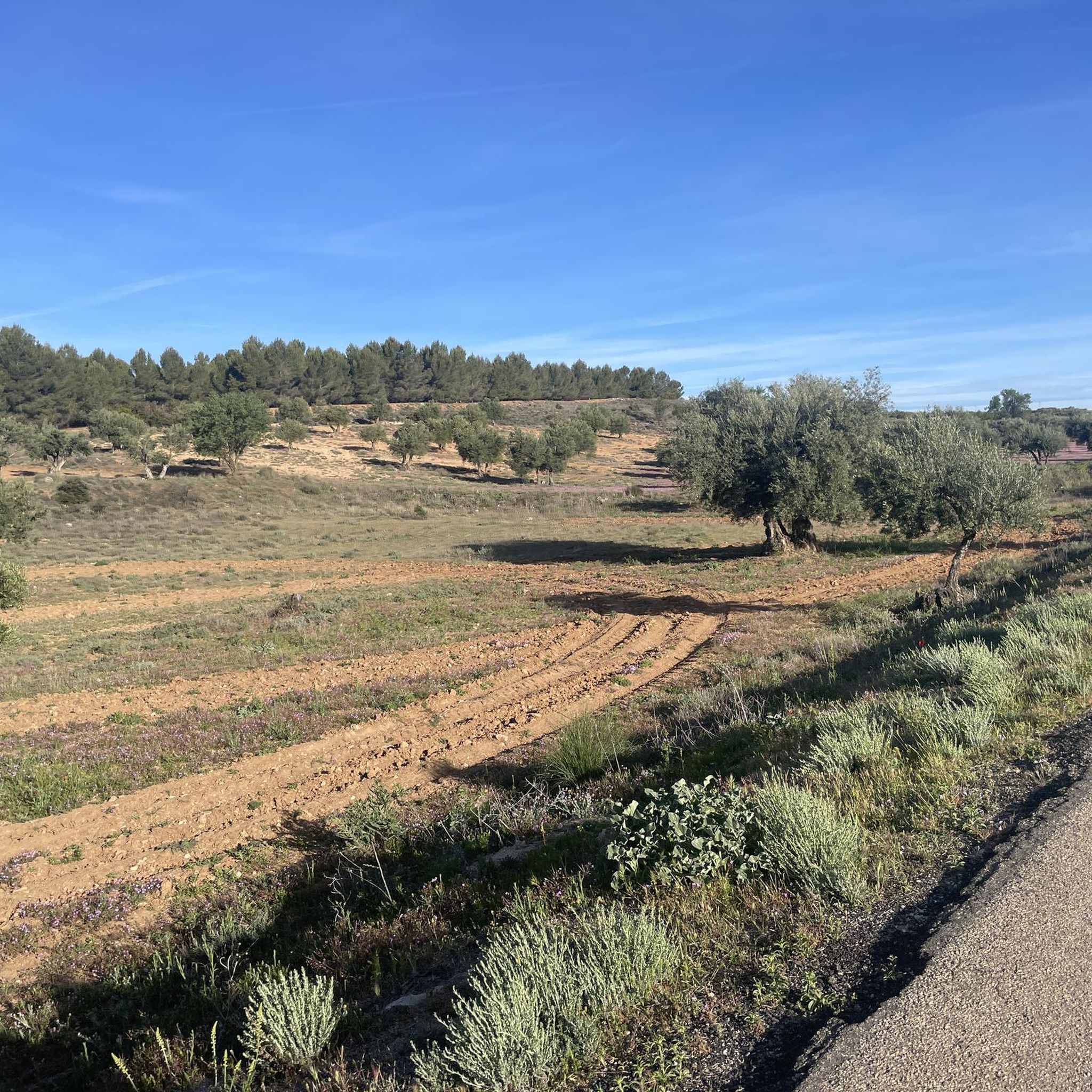
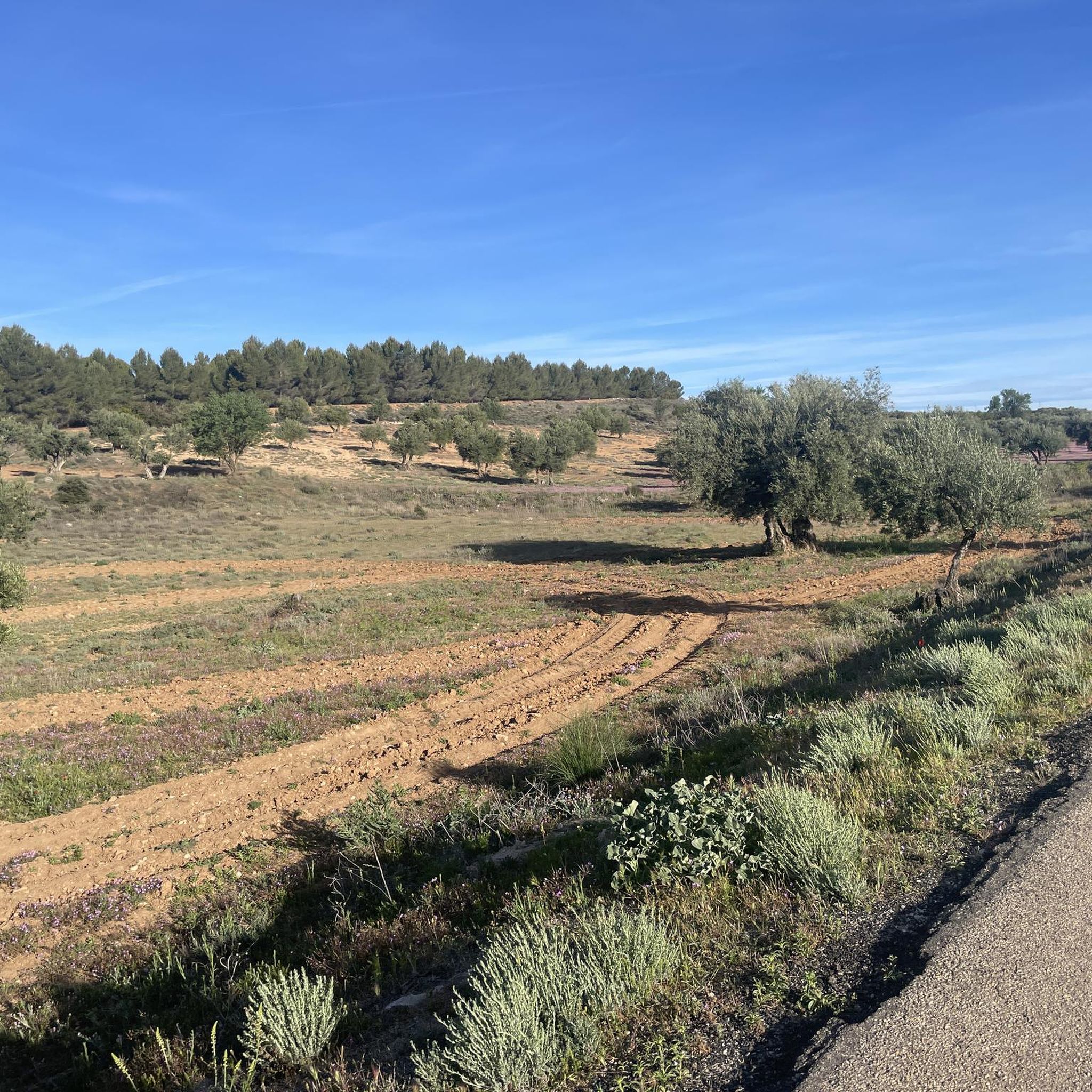
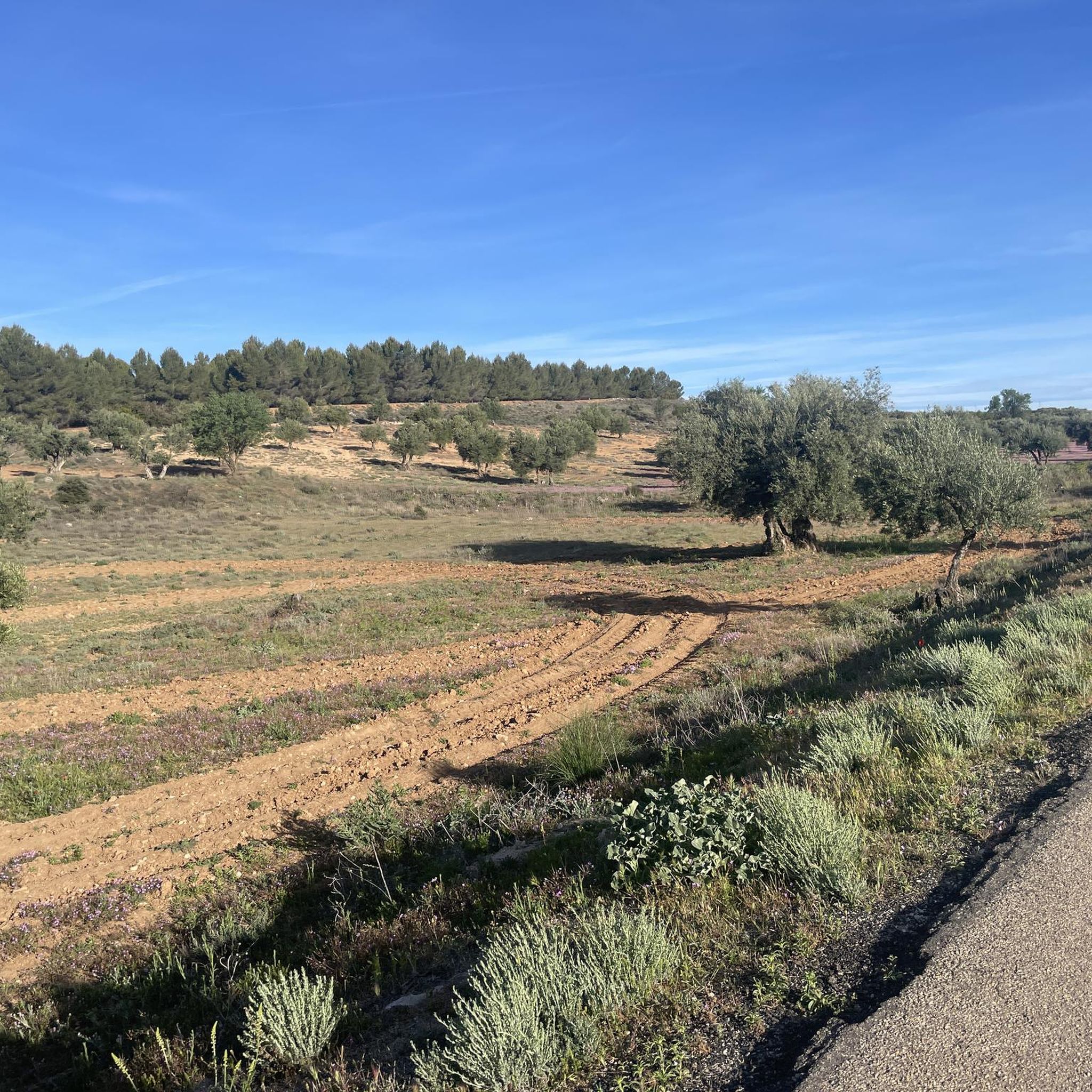
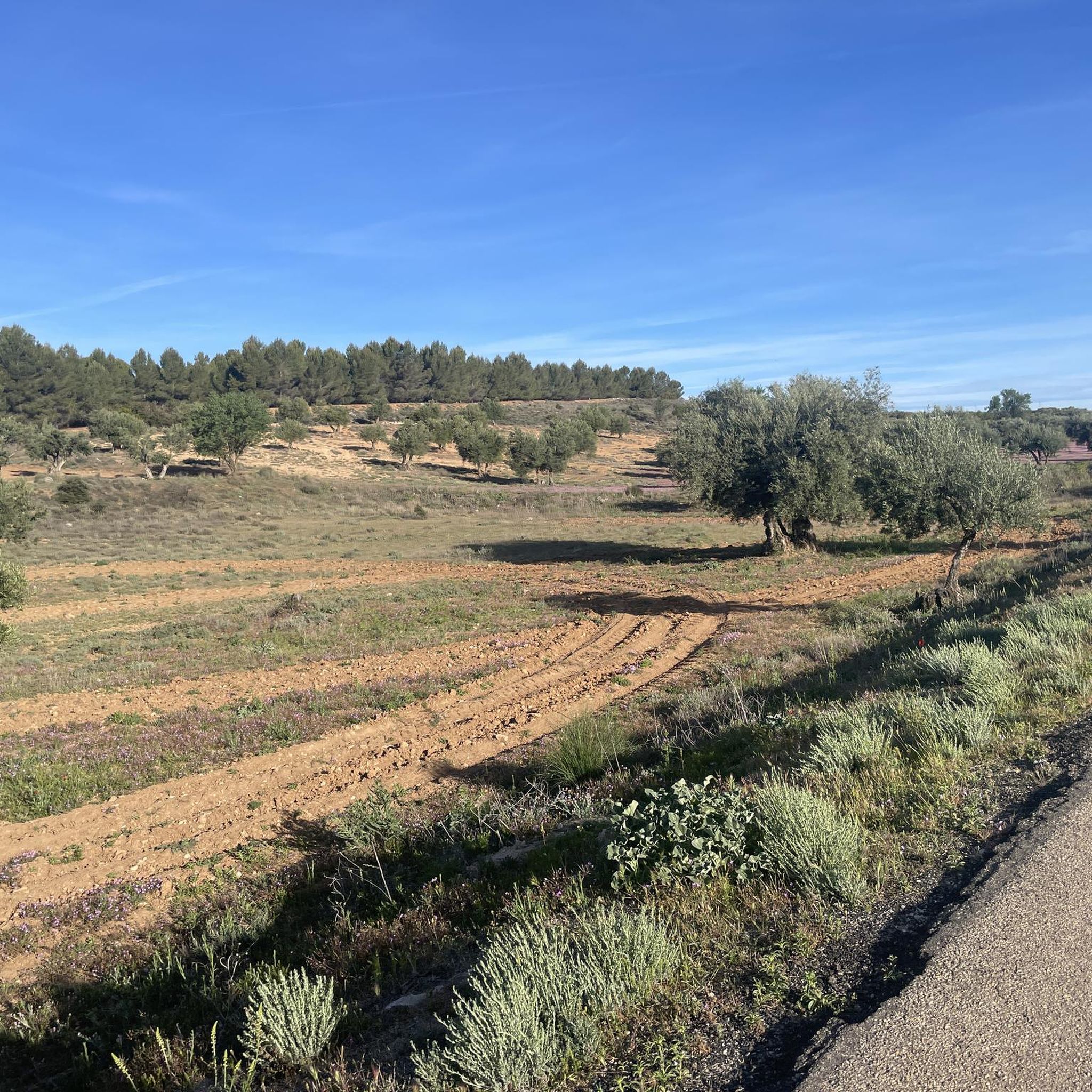
The Robledal de Brea is a valuable ecosystem of holm oak forests from La Mancha, with holm oaks, gall oaks and oaks with centuries-old specimens and great environmental quality due to their good state of conservation. At the entrance to the Monte is the Quegijo del Rebledal, tree number 315 in the catalogue of Singular Trees of the Community of Madrid, it is twenty metres high, three metres in circumference and has an estimated age of two hundred years.
0
0
Peña Bermeja is a good geological observation point to appreciate the reliefs that have developed through river erosion over the last thirty million years, after the withdrawal of the immense sea that covered the entire territory. The cliffs of Peña Bermeja are common formations on the highest edges of the valleys, appearing in the limestones of the moorland that occupy the stratum located between the high plains and the slopes of impermeable marl and gypsum that fall towards the plain. In many places these limestone walls have been used to exploit stone quarries.
0
0
The caves of the primitive Carpetanian settlement of Caraca are a window in time, from the first Carpetanian inhabitants to the present day, representing the different cultures that have populated the Tajuña valley over time. The current state shows the deterioration typical of a hillside made of marl and gypsum that is brittle and easily eroded. In the time of the Carpetanians, it was a troglodyte settlement with interior passages that connected different galleries, had water channels, warehouses and houses protected from intruders at a certain height from the ground, accessed by ladders and ropes. In the middle of the last century, the Risco de las Cuevas was the setting for several films.
0
0
Vaciabotas Dam This is the dam or weir where the Caz del Molino takes its water from the Tajuña River. It is also known as the Azud del Molino and is one of the irrigation channels of the Madrid plain. The dam's waterfall is next to the old Molino Nuevo or Molino de la Isla, which is privately owned and documented in the Topographic Relations of Felipe II. The riverbank is a cool environment of giant trees and riverside vegetation. The irrigation channel and the course of the Tajuña are separated by the dam and until they meet again at the Puente del Palo they form the island that gives the place its name. In the area of Tielmes there are the Presón weirs, the Presa del Marqués and the Cantarranas Molino waterfall, all of Islamic origin.
1
0
バルダラセテでのの人気観光スポット

komootモバイルアプリでインスピレーションを得よう


さらに探索
これらのガイドで、最高の洞窟を探す範囲を広げましょうバルダラセテでの:
