サマーフォードブースの天然記念物・トップ6
サマーフォードブースが誇る美しい風景を見てみたいなら、サマーフォードブースの素晴らしい天然記念物・トップ6
に行ってみましょう。あなたにぴったりの場所が見つかるよう、素晴らしい天然記念物を探索するために必要なすべての情報を集めました。次のアウトドアの冒険に出かける計画の参考にしましょう。
最終更新日: 10月 15, 2026
The Cloud (Bosley Cloud)
ハイライト • 自然記念物
役立つ情報 は

ブライドストーンズ・ケアン
ハイライト • 歴史的な場所
役立つ情報 は

今すぐサインアップして、こんな場所を発見しよう
最高のシングルトラック、ピーク、その他のエキサイティングなアウトドアスポットのおすすめを受け取ろう。
ダリア・ウォーク、ビドルフ・グレンジ・ガーデン
ハイライト • 自然
役立つ情報 は

ウェリントニア・アベニューとストーンアーン、ビドルフ・グランジ・カントリーパーク
ハイライト • 自然
役立つ情報 は
ビドルフ・グランジのモンキーパズルツリー
ハイライト • 自然
役立つ情報 は
無料でサインアップして、さらに多くの自然記念物を発見しましょう サマーフォードブースでの。
すでにアカウントをお持ちですか?
無料アカウントで今日から始めよう
次の冒険が待っています。

コミュニティからのヒント

The avenue of grand Wellingtonias, Sequoiadendron giganteum, stretches from the Arborteum to the largest stone garden urn in Britain and the edge of Biddulph Grange Country Park. This avenue was replanted with seedlings grown from seed harvested on site from the Wellingtonia trees originally planted in the Pinetum. The avenue also includes parallel rows of Red Horse Chestnuts and Austrian Black Pines.
0
0
The Monkey Puzzle tree, Araucaria araucana, is a familiar site in many front gardens, easily identified, once you have been introduced. Originally known as Chilean Pine, its Monkey Puzzle nickname was a Victorian addition – certainly hard for a monkey to climb, if it ever met any. An evergreen tree dating back to Jurassic times it can grow to 50m and live for a thousand years. A native of Argentina and Chile, where it is known as Pehuén and is sacred to the local Pehuenche people, trees are either male or female and the pinecones can take more than two years to mature. This specimen is 170 years old and is an icon of Biddulph Grange.
0
0
Dahlias are planted in tiers between huge buttressed yew hedging and provide a dazzling display of colour. Yew is used throughout the garden to create bays and 'rooms'. Biddulph Grange is thought to have been the first garden of its era to have used the concept of 'garden rooms'. Biddulph’s most spectacularly colourful showpiece The dahlias are planted out in June after the danger of early frosts is over and they flower spectacularly, reaching a peak in early Septemer. Many types of dahlia are planted, such as pompon or ball, which would have been available in the late 19th century but some more modern types such as collarette are included. Once the dahlias are lifted in late October, the beds are filled with a mixture of bulbs to provide a riot of colour in the spring. Shade at the south-east section of the Walk has proved too difficult for the sun-loving dahlia and here the borders have been planted with shade-tolerant perennials such as Ligularia przewalskii, Japanese anemones and Toad lilies. It is the powerful arrangement of dark yew hedges that defines this garden and to see it in winter is to appreciate just how dominant they are. Beside every change in gradient, stepped buttresses of hedging jut out to meet the path and appear to support the hedges that enclose the terrace gardens above. It is a massive green construction. The buttresses also serve another purpose, in winter they hide the prospect of end-to-end bare soil. The buttresses recede like wings of scenery in a theatre, focusing the view at the lower end on a bed of architectural planting, and at the upper end on the Shelter House with its inviting arched entrance and Venetian window above. In late October, after flowering, the tubers are lifted, turned upside down so that excess water drains out, cleaned and stored on newspaper in crates covered by sawdust. In February they are put into trays and covered in compost. When they start to shoot, cuttings are taken and potted on so they grow into healthy plants. James and Maria Bateman lived at an interesting time in the development of dahlias. They had been introduced to Europe in the late 18th century and by 1860–80 these flowers truly came of age, moving from being just an attractive garden flower to something highly-bred, sophisticated and the subject of serious competitions. The Batemans constructed the walk to house dahlias, the new tender exotics from Mexico. Sadly, in the 20th century the Dahlia Walk fared less well. During the hospital era, it was filled in completely when the new wards were being built, providing a less dangerous open space for the children. Excavating and reinstating the Walk has been one of the National Trust’s most important projects at Biddulph and its replanted yew hedges are now as substantial as ever they were in the Batemans’ day.
0
0

So pleased I included the Bridestones on my route. The Cairn is situated in a lovely fenced area with a cottage garden feel. It has an extremely calm ambience and offerings of ribbons and flowers can be found on the stones or hanging from nearby trees. A hidden gem that was lovely to visit.
0
0
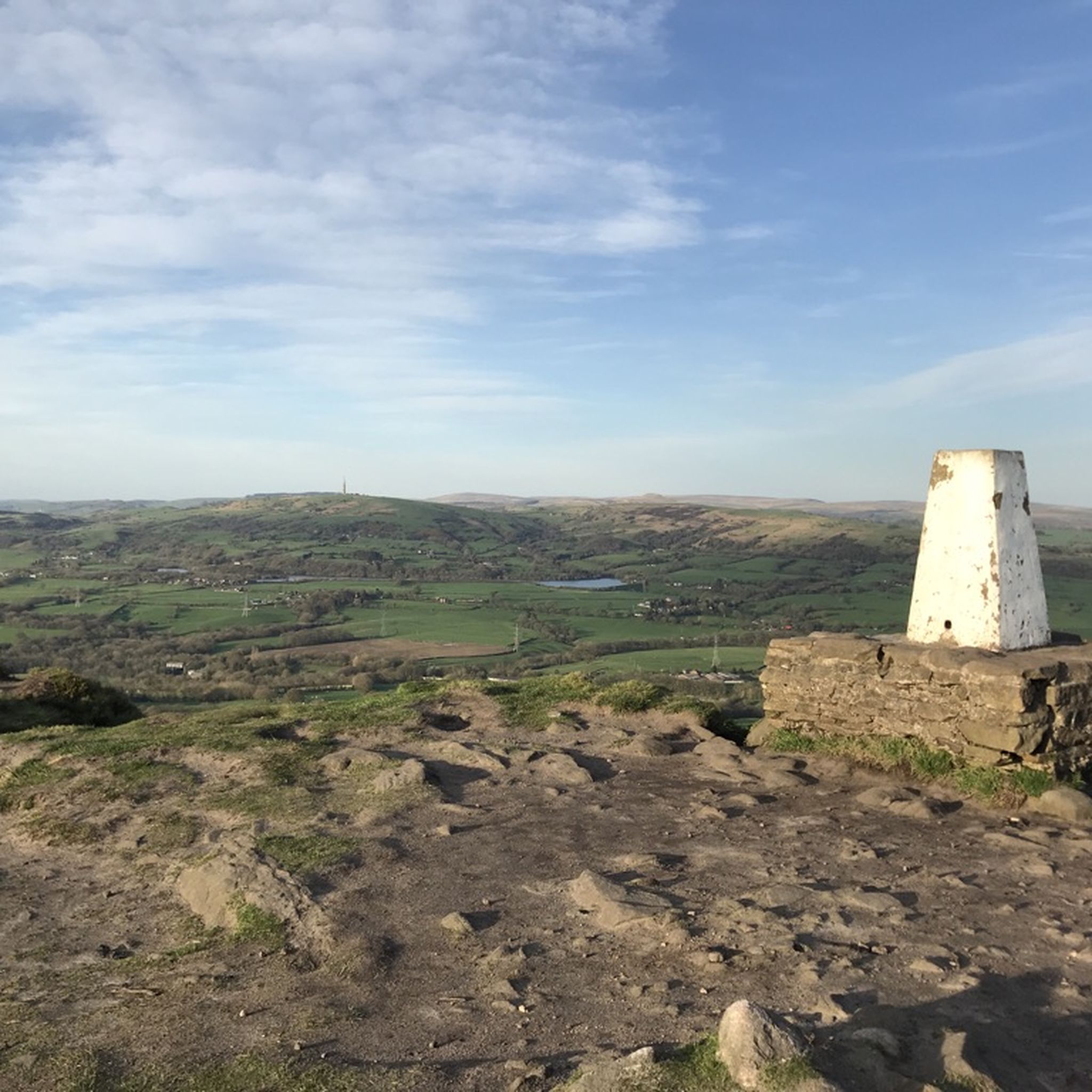
Amazing 360 views from the summit, which features a trig, toposcope and a rocky outcrop if you fancy a very small scramble for views from the edge.
0
0

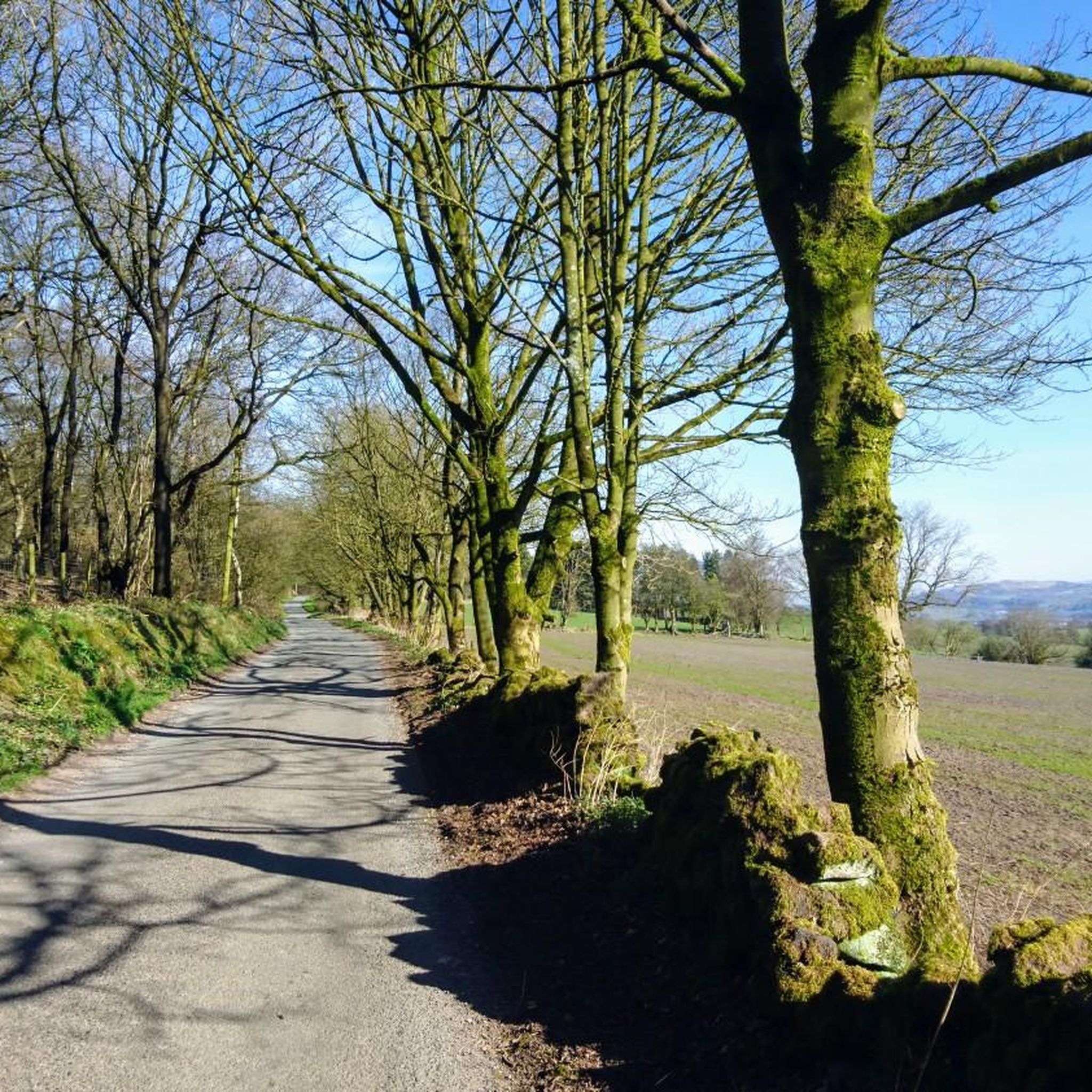
Lovely little walk in the woods on a nice little hill.
2
0

サマーフォードブースでのの人気観光スポット

komootモバイルアプリでインスピレーションを得よう


さらに探索
これらのガイドで、最高の洞窟を探す範囲を広げましょうサマーフォードブースでの:
