モンテヴィアーレの天然記念物・トップ10
モンテヴィアーレが誇る美しい風景を見てみたいなら、モンテヴィアーレの素晴らしい天然記念物・トップ10
に行ってみましょう。あなたにぴったりの場所が見つかるよう、素晴らしい天然記念物を探索するために必要なすべての情報を集めました。次のアウトドアの冒険に出かける計画の参考にしましょう。
最終更新日: 10月 1, 2026
バッキリオーネ湧水群自然保護区
ハイライト • 自然記念物
For the gravel it is a paradise!
DESCRIPTION:
A resurgence, or fountain, is a source of fresh water of natural origin, sometimes made to …
翻訳者 Google •
役立つ情報 は

モンテ・ネーロ
ハイライト • 自然記念物
翻訳者 Google •
役立つ情報 は

今すぐサインアップして、こんな場所を発見しよう
最高のシングルトラック、ピーク、その他のエキサイティングなアウトドアスポットのおすすめを受け取ろう。

ペラローロのサン・ベルナルディーノの水飲み場
ハイライト • 休憩所
翻訳者 Google •
役立つ情報 は

ヴィチェンツァとベリチ丘陵の眺め
ハイライト • 展望台
翻訳者 Google •
役立つ情報 は

無料でサインアップして、さらに多くの自然記念物を発見しましょう モンテヴィアーレでの。
すでにアカウントをお持ちですか?
無料アカウントで今日から始めよう
次の冒険が待っています。
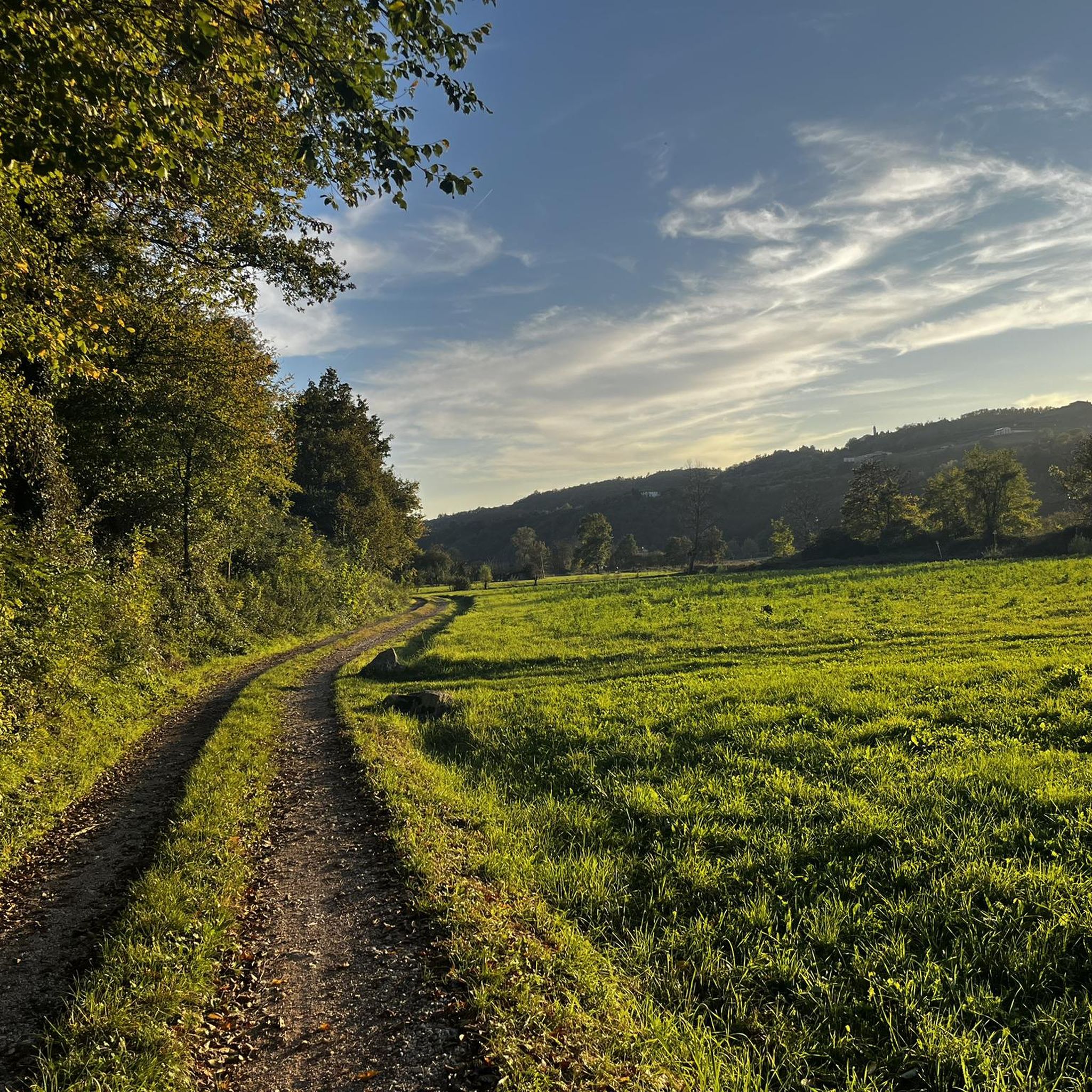
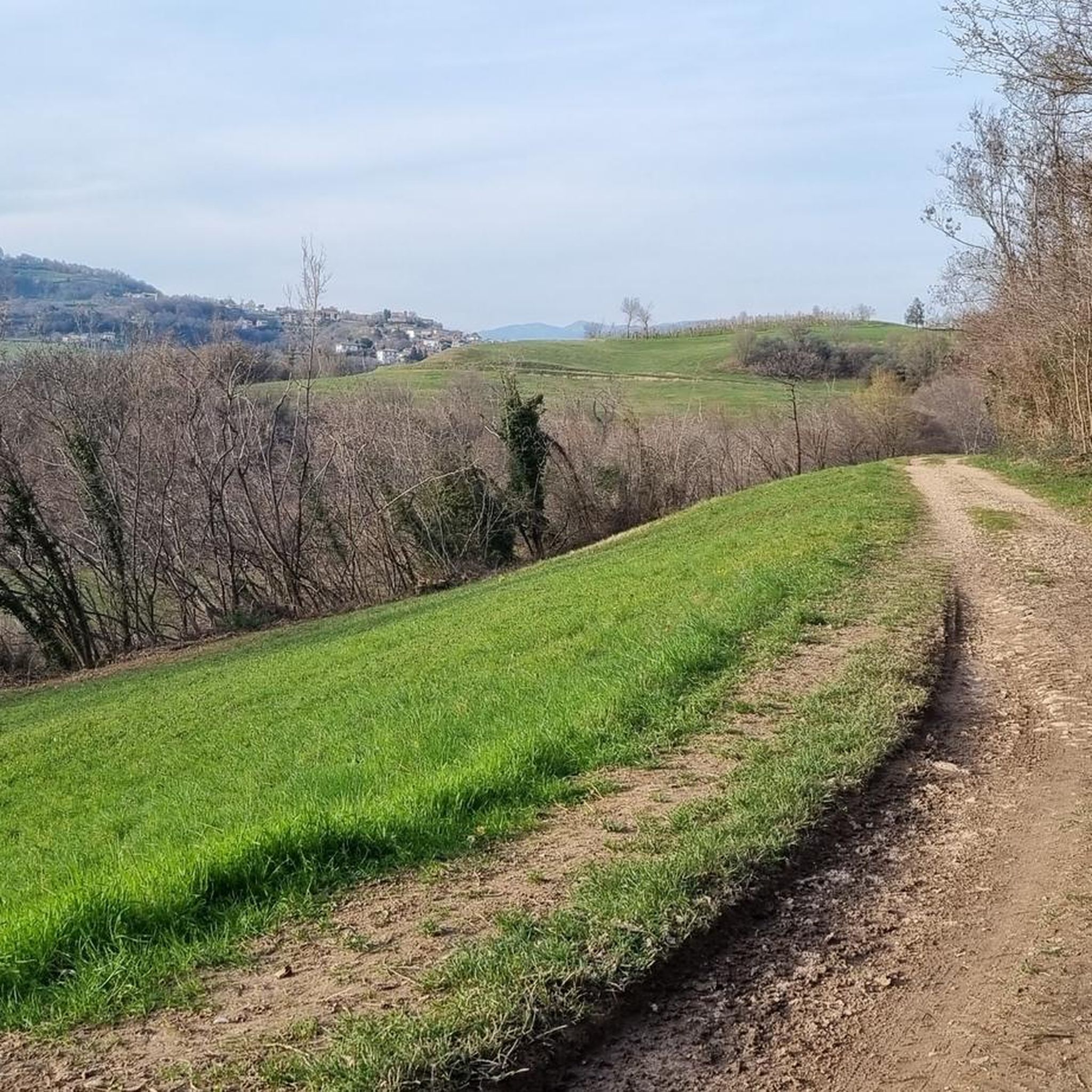
コミュニティからのヒント

静けさと景色のためにこれらの場所を訪れる価値があります
0
0

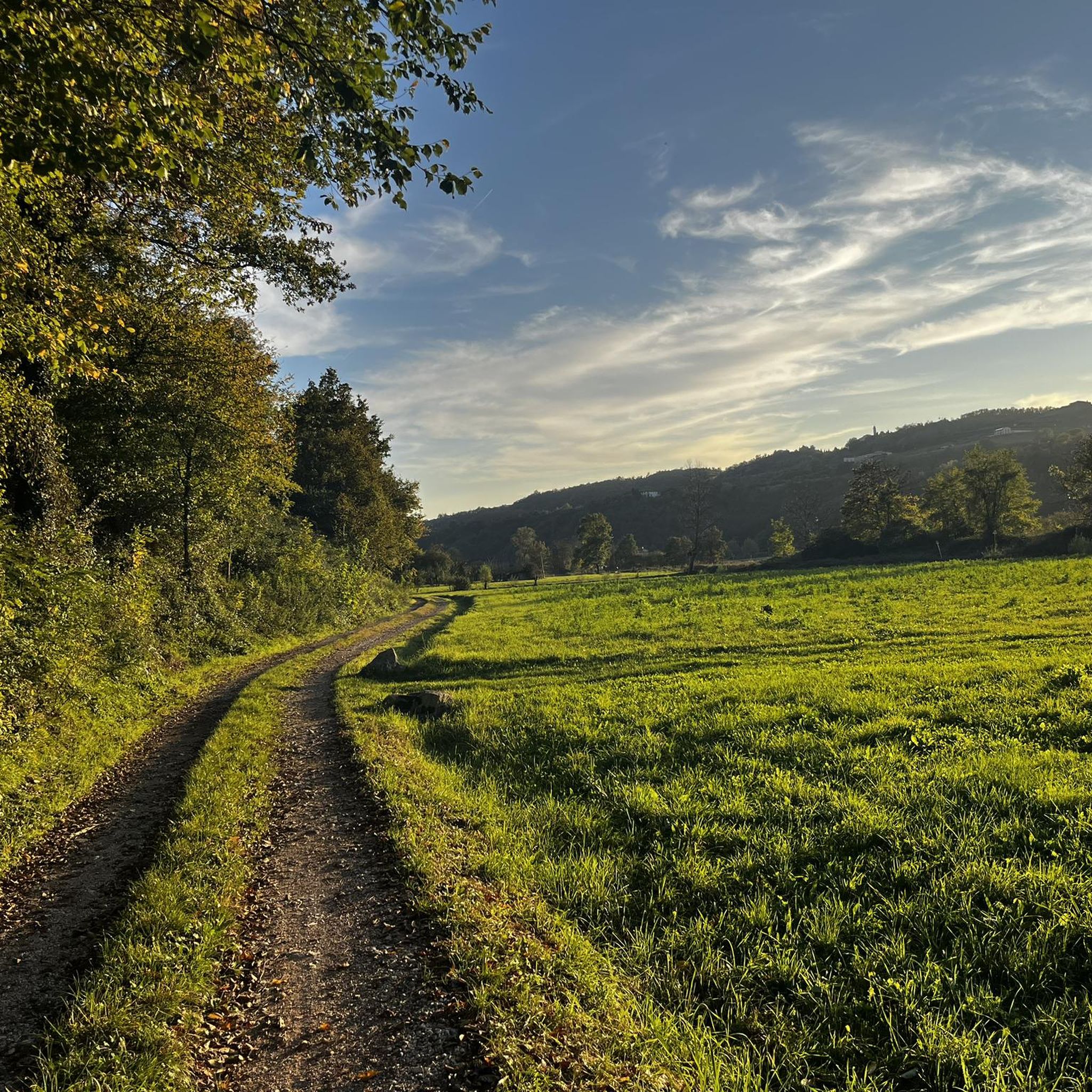
Monte Nero, above Montecchio Maggiore, is actually a hill: despite its modest size, it is quite unique in terms of its geology, morphology, and botanical rarities! Thirty million years ago, Monte Nero was a volcanic island emerging from the waters. This gave rise to the current peak, which, with its bare, arid, and dark basalt (hence the name "Nero"), stands out clearly from the surrounding limestone hills. It is a unique (micro)environment: you walk on the primitive, solidified lava flow; you encounter rare plants, including exotic and Mediterranean ones, which are, to say the least, unusual to find in these places. A short educational trail (also suitable for children) starts from the Church of San Pietro and illustrates the peculiarities of Monte Nero in six stages/panels. https://www.prolocoaltemontecchio.it/cosa-vedere/percorsi/naturalistici/
2
0

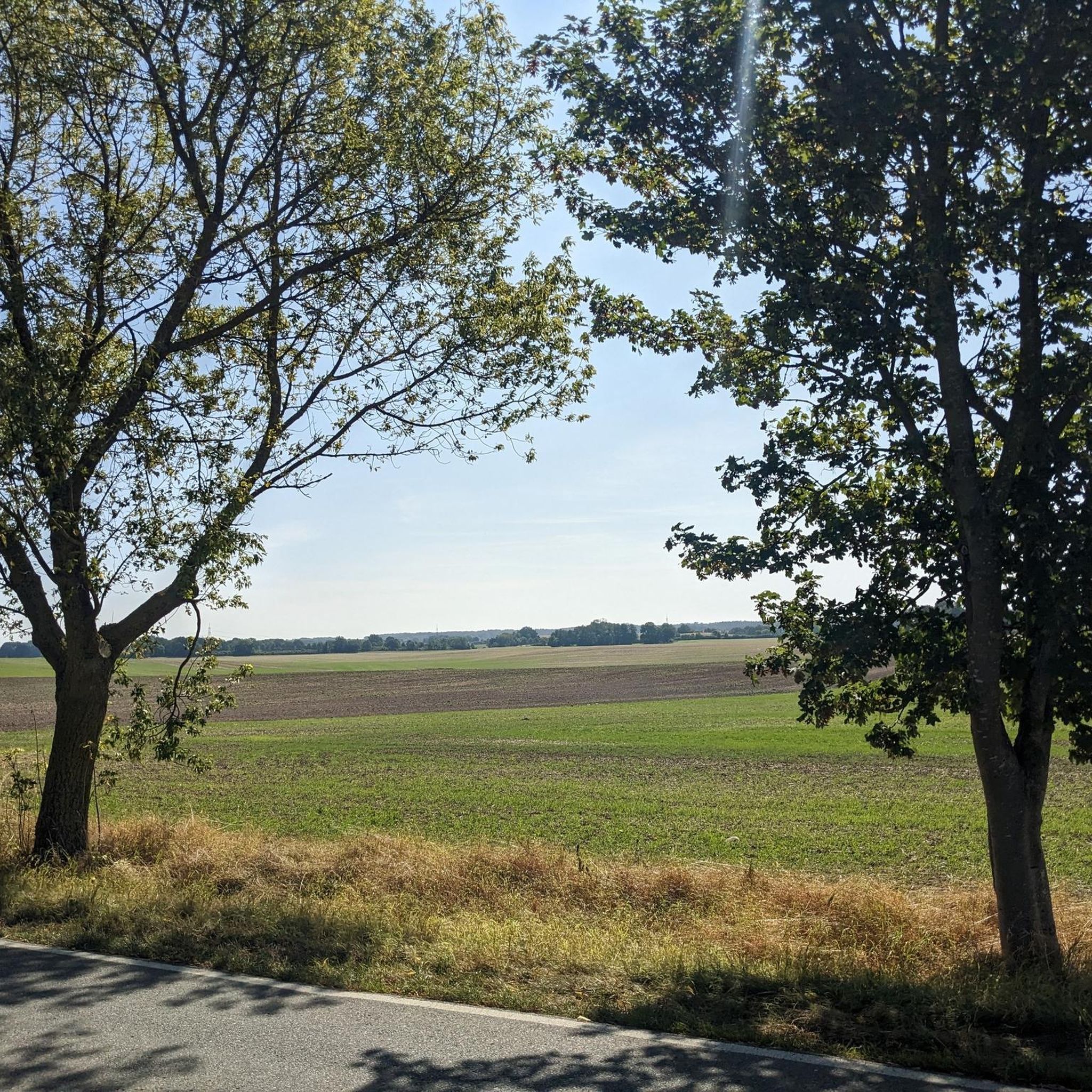
To admire this curious phenomenon, a detour from the main road is necessary. Once you reach the place, just look out into the well (with a diameter of about 50 cm) from which what is sometimes called "dragon's breath" seems to emerge from. It is nothing more than a karst cavity (characteristic of the Faedo-Casaron plateau) from which fresh air comes out (which varies between 7 and 13 degrees). Especially in the summer period, the typical rustle of the exchange of hot and cold air masses at the mouth of the cave is clearly audible. The cavity, commonly called "Buso del Lucio", was discovered by the Maladense speleologist Lucio Zanini. The valley that you travel along following the Campipiani-Faedo path is called “Valle dei Vischi”. The origin of this name is not known but it probably refers to the sound effects (breathing, hissing, moaning) that the blowing caves produce in particular climatic conditions.
0
0

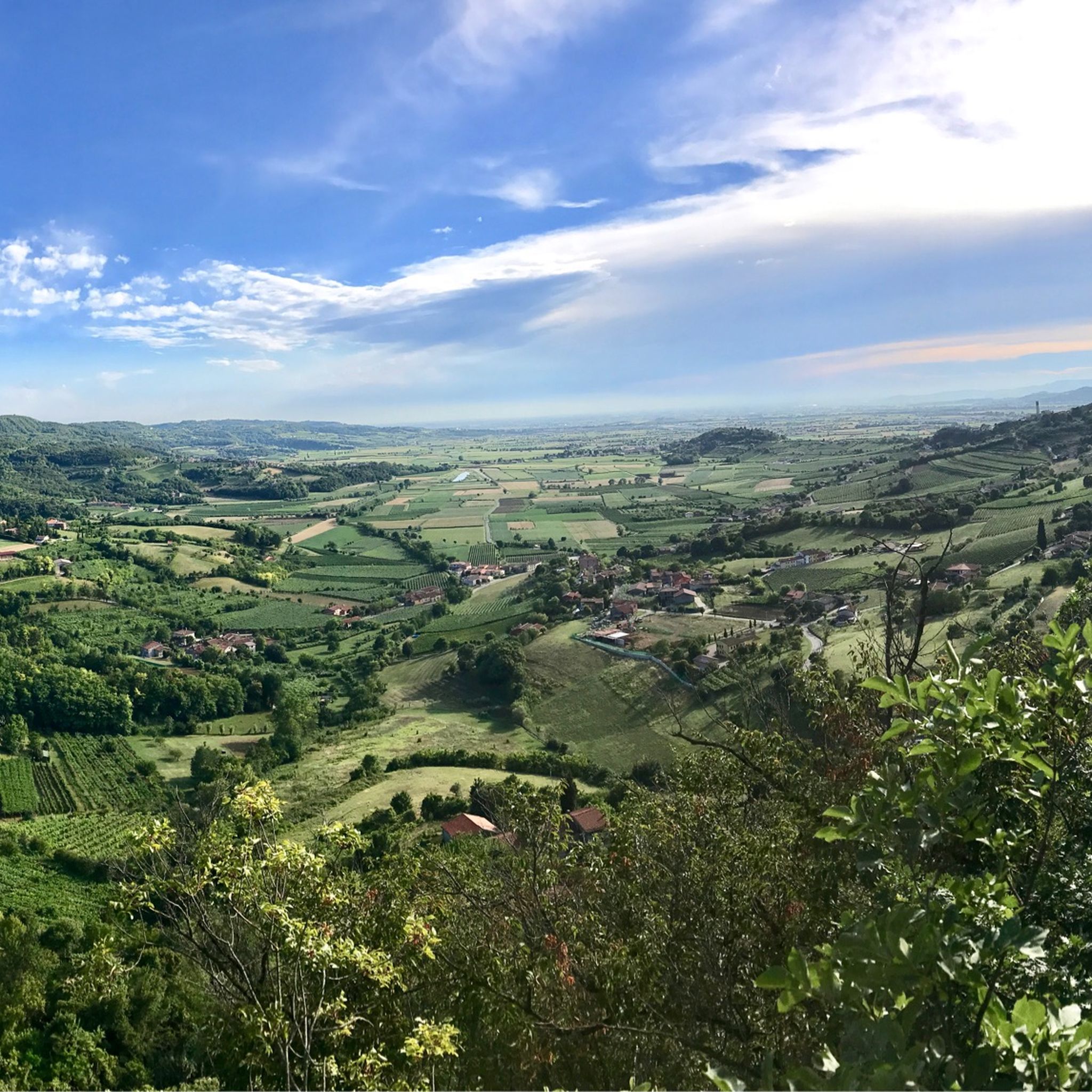
Perarolo di Arcugnano is a splendid village, dominated by the splendid church of San Bernardino with its particular bell tower designed at the end of the 19th century by the architect Vittorio Barichella. From here there are some beautiful paths that lead towards the woods of Brendola.
1
0

The best drinking fountain in the area. Unmissable charging stage
0
0

stopping point for drinking water supply
0
0

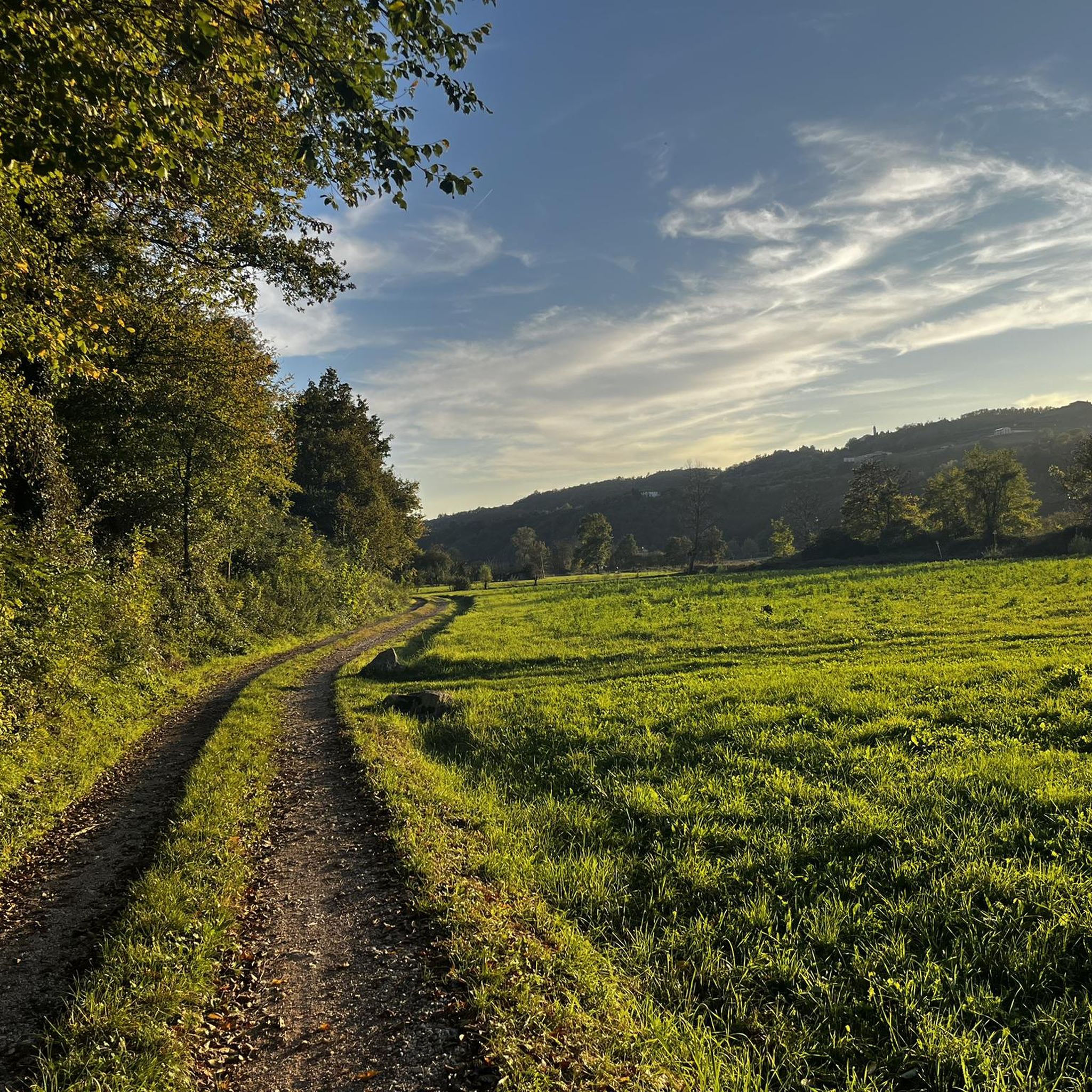
Beautiful area for walking and cycling! For the gravel it is a paradise! DESCRIPTION: A resurgence, or fountain, is a source of fresh water of natural origin, sometimes made to emerge by man, typical of alluvial plain soils such as the Po-Venetian Plain. The Bacchiglione river originates at the foot of the Vicentine Prealps and runs through a large stretch of the Po Valley, crossing two large cities, Vicenza and Padua. Since ancient times it has represented a very important communication route and its waters have been exploited for many productive and commercial activities. The ancient name of this river was "Edrone", as mentioned for the first time in the writings of Pliny the Elder in the 1st century. A.D. while the current name "Bacchiglione" could derive from the dialect verb "bacajare" that is to rattle, chat continuously, perhaps because the gurgling produced by the water during floods is similar to human shouting. In the Venetian Plain, in the area around Dueville, the waters that flow deeply encounter increasingly consistent layers of impermeable clay, which hinder their underground flow and "force" them to spontaneously rise to the surface. In this way the suggestive spring springs are formed: small hollows in which the perennial gushing of the streams of water originates a stream called "resurgence". Some of these springs, marked on the map of the Risorgive del Bacchiglione, are also visible within the area! The spring water has several peculiarities: it is very clear and, thanks to its constant temperature (between 10 ° and 13 ° C), it creates a particular microclimate that is perfect for hosting animal and plant species that are not common in the neighboring areas.
3
0
モンテヴィアーレでのの人気観光スポット

komootモバイルアプリでインスピレーションを得よう


さらに探索
これらのガイドで、最高の洞窟を探す範囲を広げましょうモンテヴィアーレでの:
