アリートゥス郡の天然記念物・トップ18
アリートゥス郡が誇る美しい風景を見てみたいなら、アリートゥス郡の素晴らしい天然記念物・トップ18
に行ってみましょう。あなたにぴったりの場所が見つかるよう、素晴らしい天然記念物を探索するために必要なすべての情報を集めました。次のアウトドアの冒険に出かける計画の参考にしましょう。
最終更新日: 9月 2, 2026
デビルズロック(ヴェルニオ・アクムオ)
ハイライト • 自然記念物
翻訳者 Google •
役立つ情報 は

Ūlos Akis 湧水
ハイライト • 自然記念物
翻訳者 Google •
役立つ情報 は

今すぐサインアップして、こんな場所を発見しよう
最高のシングルトラック、ピーク、その他のエキサイティングなアウトドアスポットのおすすめを受け取ろう。
Prelomciškėsの丘
ハイライト • 歴史的な場所
翻訳者 Google •
役立つ情報 は

ライガルダス渓谷
ハイライト • 峡谷
翻訳者 Google •
役立つ情報 は

Meškos Šikna
ハイライト • 森
翻訳者 Google •
役立つ情報 は

ネムナス川とネムニクシュティス川の合流点
ハイライト • 川
翻訳者 Google •
役立つ情報 は
Klonili Kopa Dune
ハイライト • 自然記念物
翻訳者 Google •
役立つ情報 は
リシュキアヴァの古墳
ハイライト • 歴史的な場所
翻訳者 Google •
役立つ情報 は

ヌリメス・ヴァルパス記念碑
ハイライト • 記念碑
翻訳者 Google •
役立つ情報 は
Bebraviėtės ビーバー池
ハイライト • 湖
翻訳者 Google •
役立つ情報 は
無料でサインアップして、さらに多くの自然記念物を発見しましょう アリートゥス郡での。
すでにアカウントをお持ちですか?
無料アカウントで今日から始めよう
次の冒険が待っています。

アリートゥス郡でのの他の冒険

コミュニティからのヒント

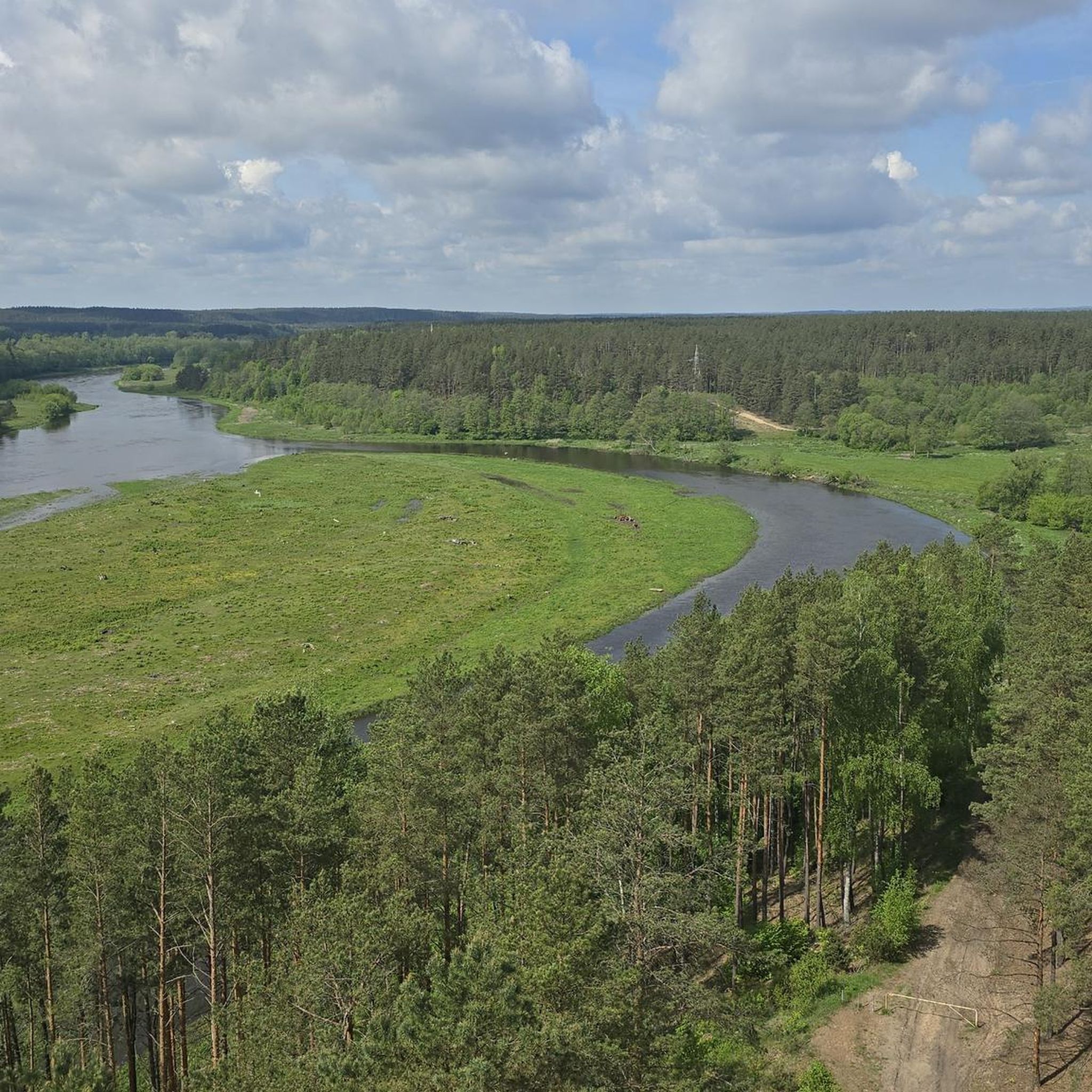
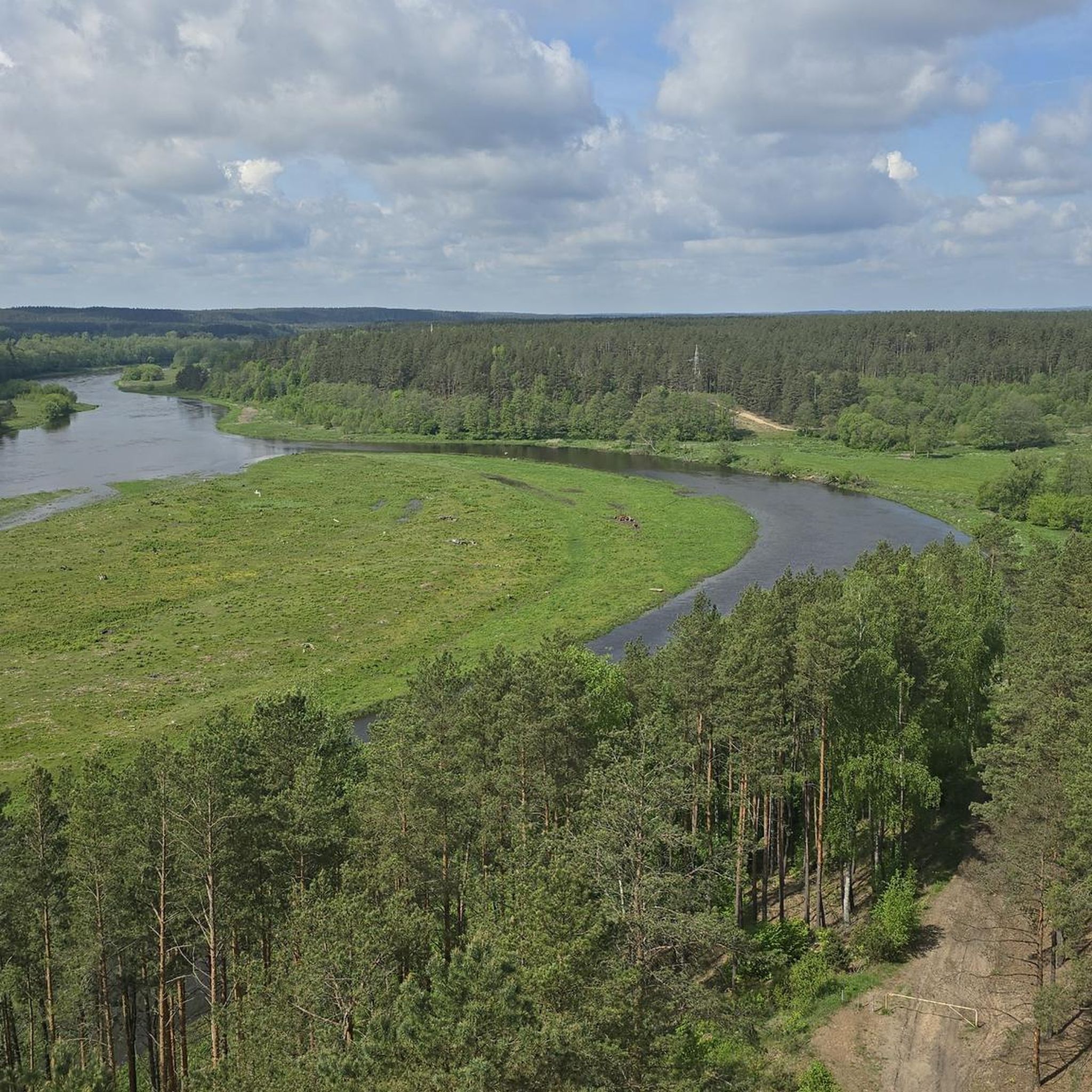
素晴らしい景色!ネムナス川を高いところから見渡せる完璧な眺めです。
0
0


A pond landscape home to many beavers. We didn't notice any beaver lodges. It's also the headwaters of the Zackagiris River, which gives the circular hike its name.
0
0
Light forest and small swamps alternate with meadows and bushes. Walking barefoot across them feels like walking on the large back of a bear. Since there was no snow this winter and very little precipitation, everything is extremely dry, and the "bear's backside" is rather prickly.
0
0
An open sand dune that hasn't yet been overgrown. The entire area consists largely of dunes, but they have been overgrown with pine, birch, and other plants.
0
0

In the square of Alytus Park, there is a memorial commemorating the suffering of the nation, the “Quiet Bell”. It seems to have gathered in one place the symbols of the nation’s resistance struggles scattered throughout the city. The memorial is intended to honor political prisoners and exiles, partisans of Dainava County, and the Lithuanian Army rebels of June 22-28, 1941. The bell is a universal and understandable symbol for people, as if echoing the entire history of Lithuania. In this case, the “Quiet Bell” symbolizes even more – two poles. Once upon a time, it was a prophet, a herald, a witness to the nation’s past, a herald of the struggle for the freedom of the Lithuanian people, and a quiet bell is like a symbol of stability, eternal memory, a place of concentration and reflection, inviting people to open a new – brighter and more hopeful – page in the life of the city and the country. On the outside of the bell there is an inscription "Through sacrifices and dedication, we have won freedom, having stood guard for centuries", inside the bell (located in a granite cube, which symbolizes the foundation of the nation) there are Vyčiai attached on two sides, and on the top of the cube are the words "Ring for eternity to the children of Lithuania - those who do not defend freedom are not worthy of it". The authors of the memorial are sculptor Stasys Žirgulis and architect Leonas Adomkus.
3
0

Prelomciškii Hill is one of the largest and most impressive hills in the Metelii Regional Park. It was built, like the other hills in the park, by the Jotvingi, a Baltic tribe close to the Lithuanians. Archaeological research has confirmed that there was a fairly large Jotvingian settlement at the foot of the hill, and a well-fortified wooden castle stood on the hill. The hill served people from the 1st millennium to the 13th century. It offers a spectacular view of the vast Dzūkija Sea – Dusia.
2
0
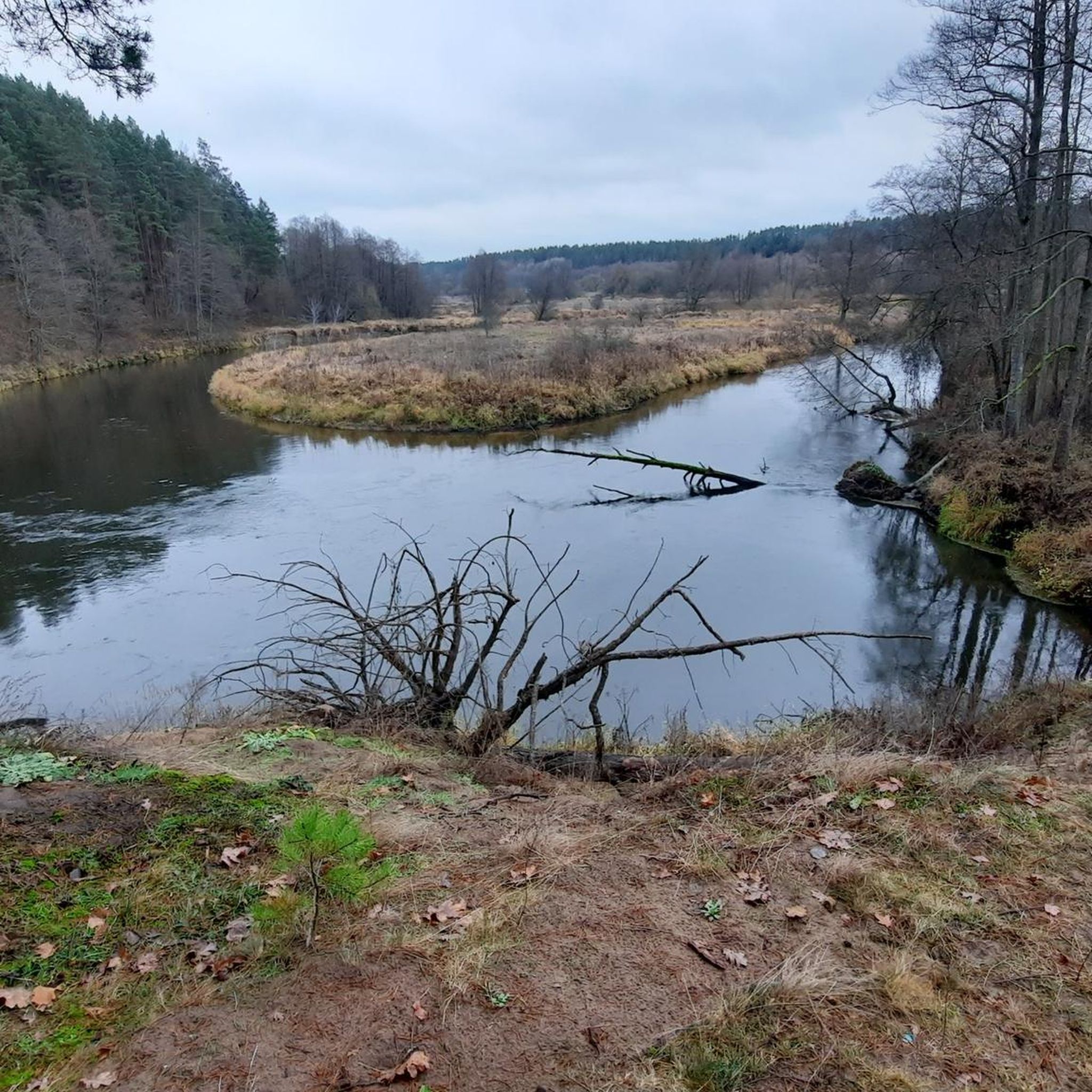
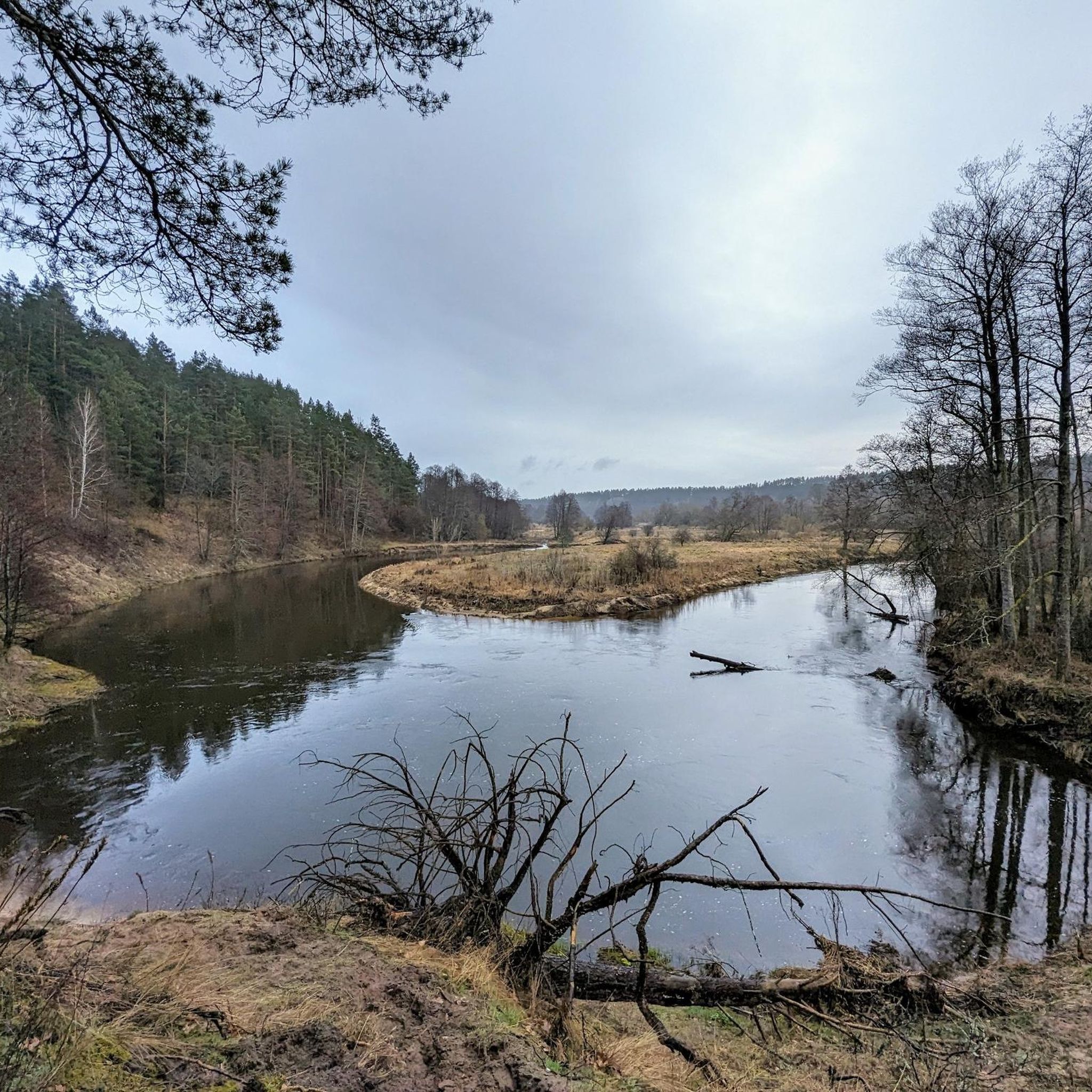
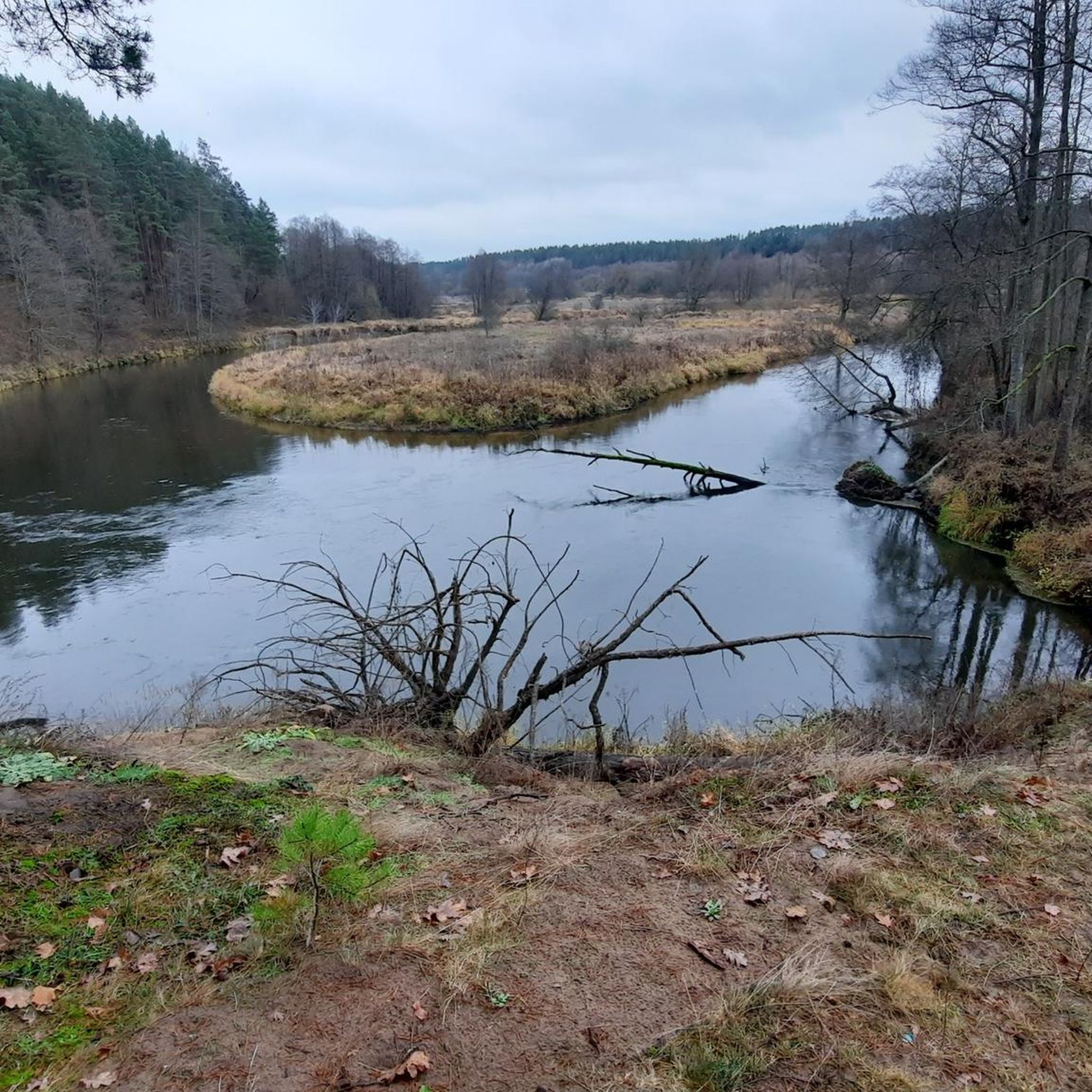
Nemunykštis (Kubilnyčia) flows into the Nemunas in the south of Švendubre town. The surname is of Slavic origin, with the Slavic suffix -nica. Its root is probably kobil- (due to consonance with Lithuanian kubil may have changed) and is related to the words in Polish. kobyła, kobylica, kobylenic.
2
0
アリートゥス郡でのの人気観光スポット

komootモバイルアプリでインスピレーションを得よう


探していたものは見つかりませんでしたか?
地域ごとのトップハイライトをチェックして、さらに素晴らしい自然のモニュメントを見つけましょうアリートゥス郡での:
