ゲントの湖・トップ20
次の冒険でゲントの素晴らしい湖を訪れてみませんか?湖畔の穏やかな雰囲気や、天気が良い日のひと泳ぎは格別です。komootコミュニティがおすすめするゲントの素晴らしい湖の一覧を参考にして、次の冒険では湖をもっと満喫しましょう。
最終更新日: 8月 24, 2026
ブルゴイエン=オッセメールセン自然保護区
ハイライト • 自然
翻訳者 Google •
役立つ情報 は

ヘット・レーンの池
ハイライト • 湖
翻訳者 Google •
役立つ情報 は

今すぐサインアップして、こんな場所を発見しよう
最高のシングルトラック、ピーク、その他のエキサイティングなアウトドアスポットのおすすめを受け取ろう。
無料新規登録
ダムヴァレイ湖
ハイライト (セグメント) • 湖
翻訳者 Google •
役立つ情報 は

Aelmoeseneiebosの小川と木製の橋
ハイライト • 森
It includes more than 60 tree species, including all native trees of Flanders, as well as a number of park trees.
It is currently …
翻訳者 Google •
役立つ情報 は
ピュイエンブローク州立公園
ハイライト • 休憩所
翻訳者 Google •
役立つ情報 は
ダムヴァレイ自然保護区
ハイライト • 自然
翻訳者 Google •
役立つ情報 は
リーデメールスパークの池
ハイライト • 湖
翻訳者 Google •
役立つ情報 は

ボスダム池
ハイライト • 湖
This pond can be found at the back of the park. …
翻訳者 Google •
役立つ情報 は
Puyenbroeck州立ドメイン
ハイライト • 自然
翻訳者 Google •
役立つ情報 は

ペレブームスガットクリーク
ハイライト • 川
翻訳者 Google •
役立つ情報 は
無料でサインアップして、さらに多くの湖を発見しましょう ゲントでの。
無料新規登録
すでにアカウントをお持ちですか?
無料アカウントで今日から始めよう
次の冒険が待っています。
ログインまたは登録
ゲント周辺で人気
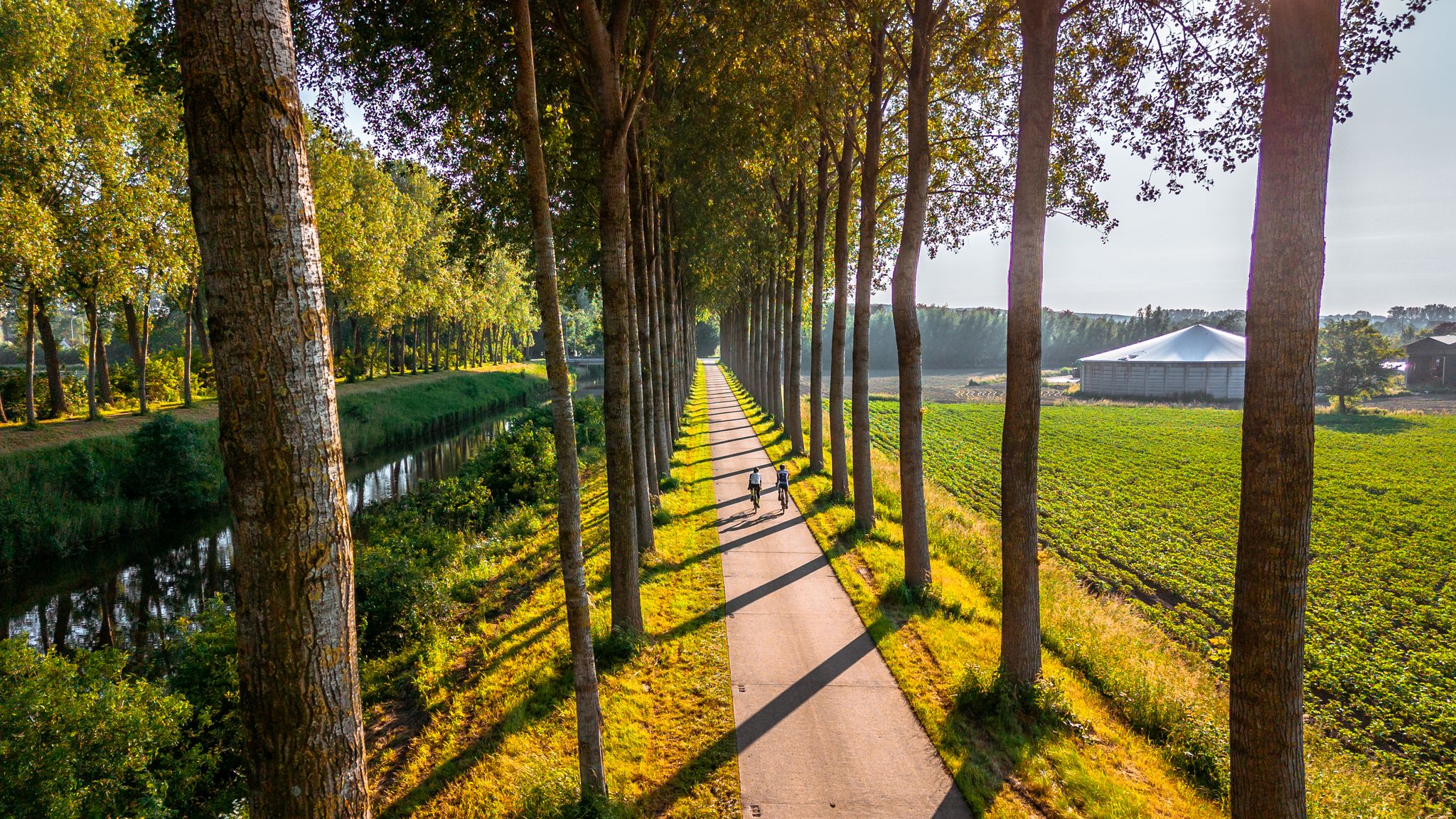
オースト=フラーンデレンの6つの美しいサイクリングルート
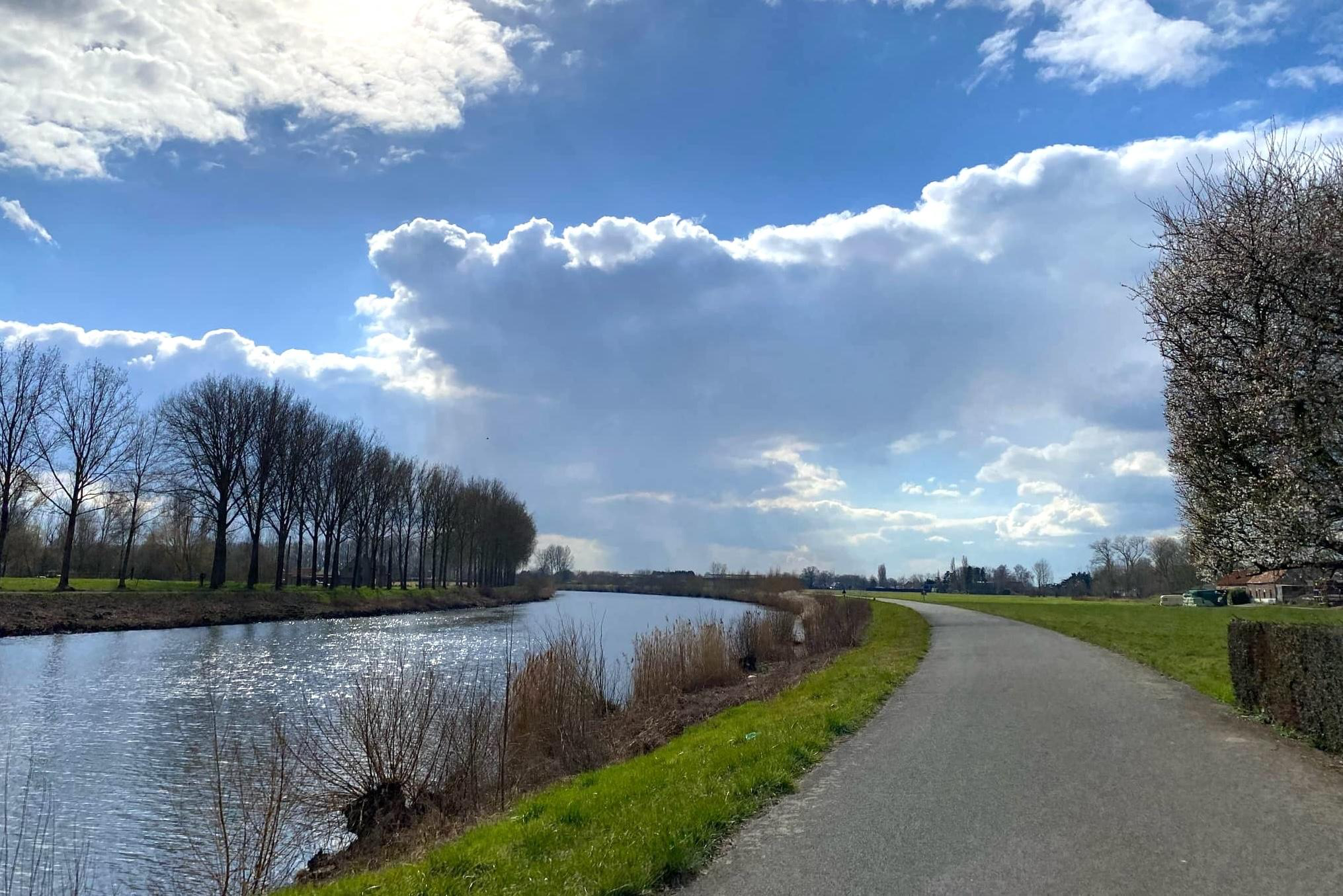
Drie dagen puur Fietsplezier van Spiere tot Zandvliet – Schelderoute
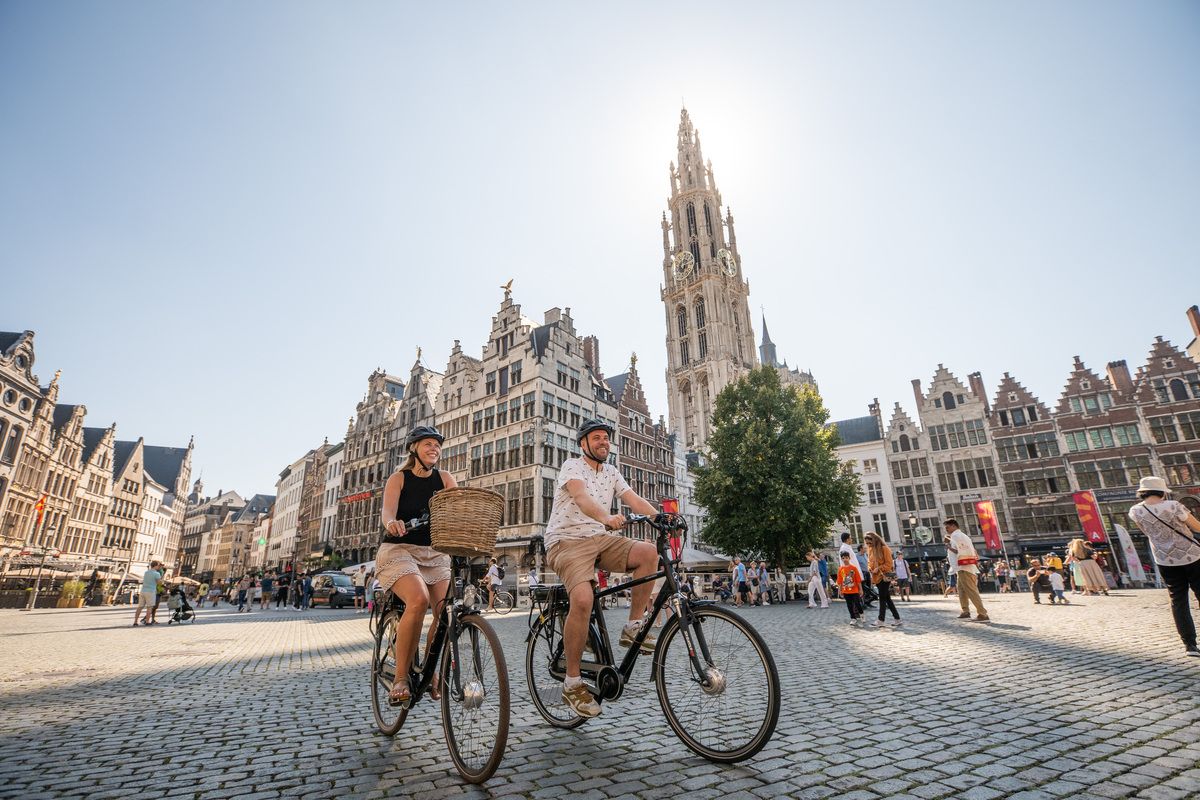
Flanders' Finest Cycle Routes: routes around the Flemish art cities
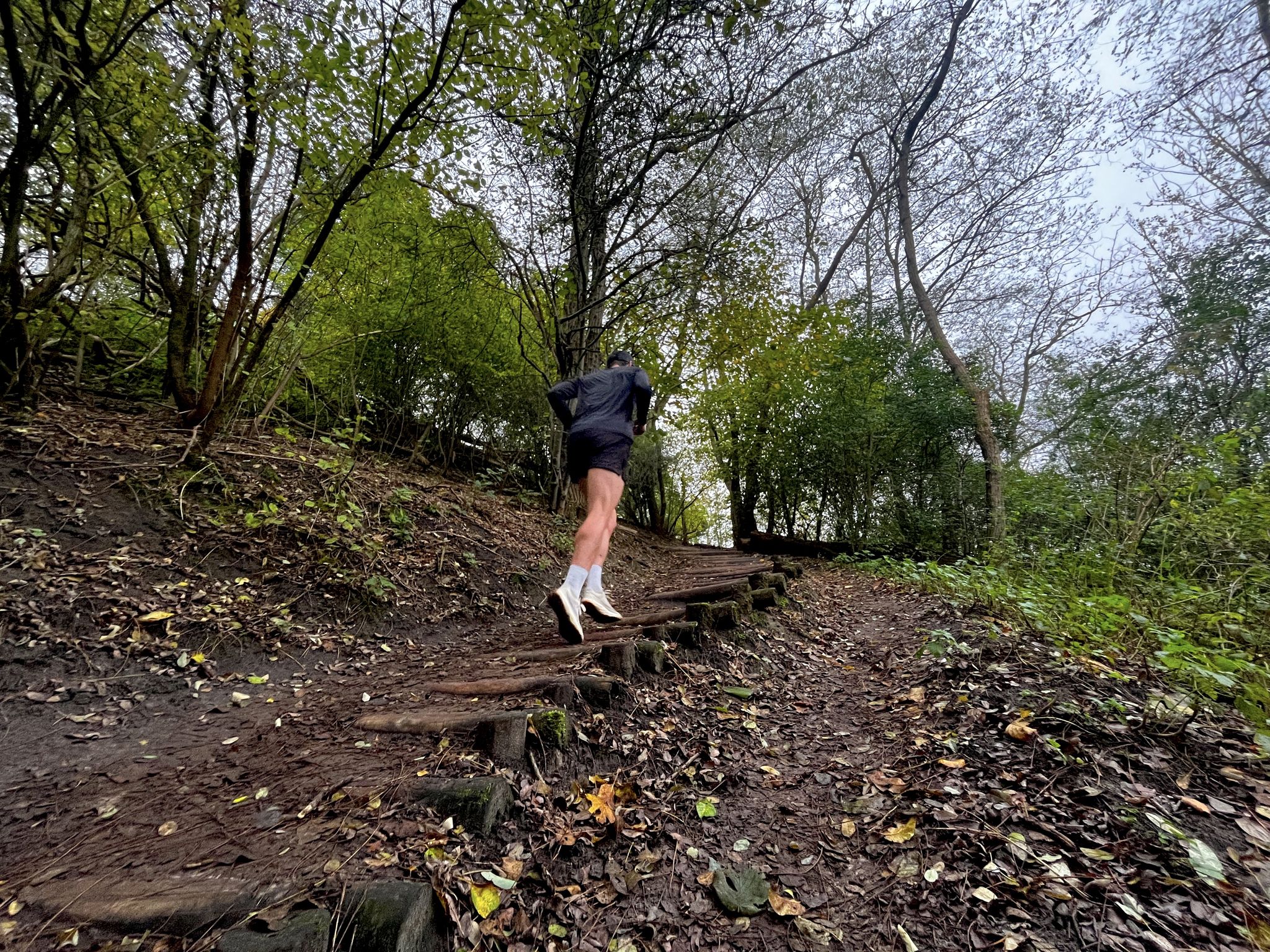
都市と自然の間、ゲントの郊外でランニング
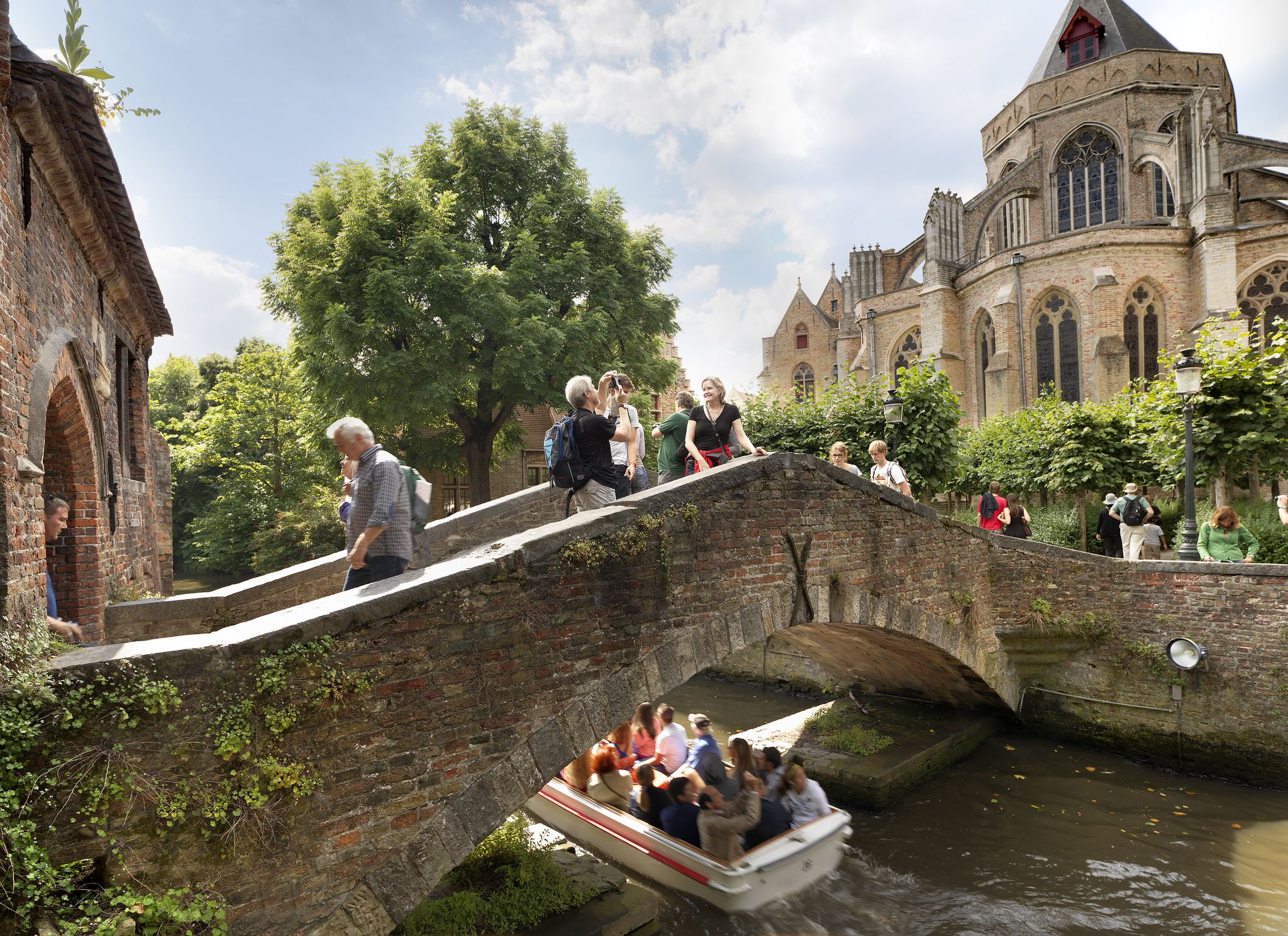
10,000 steps through Flanders' Art Cities
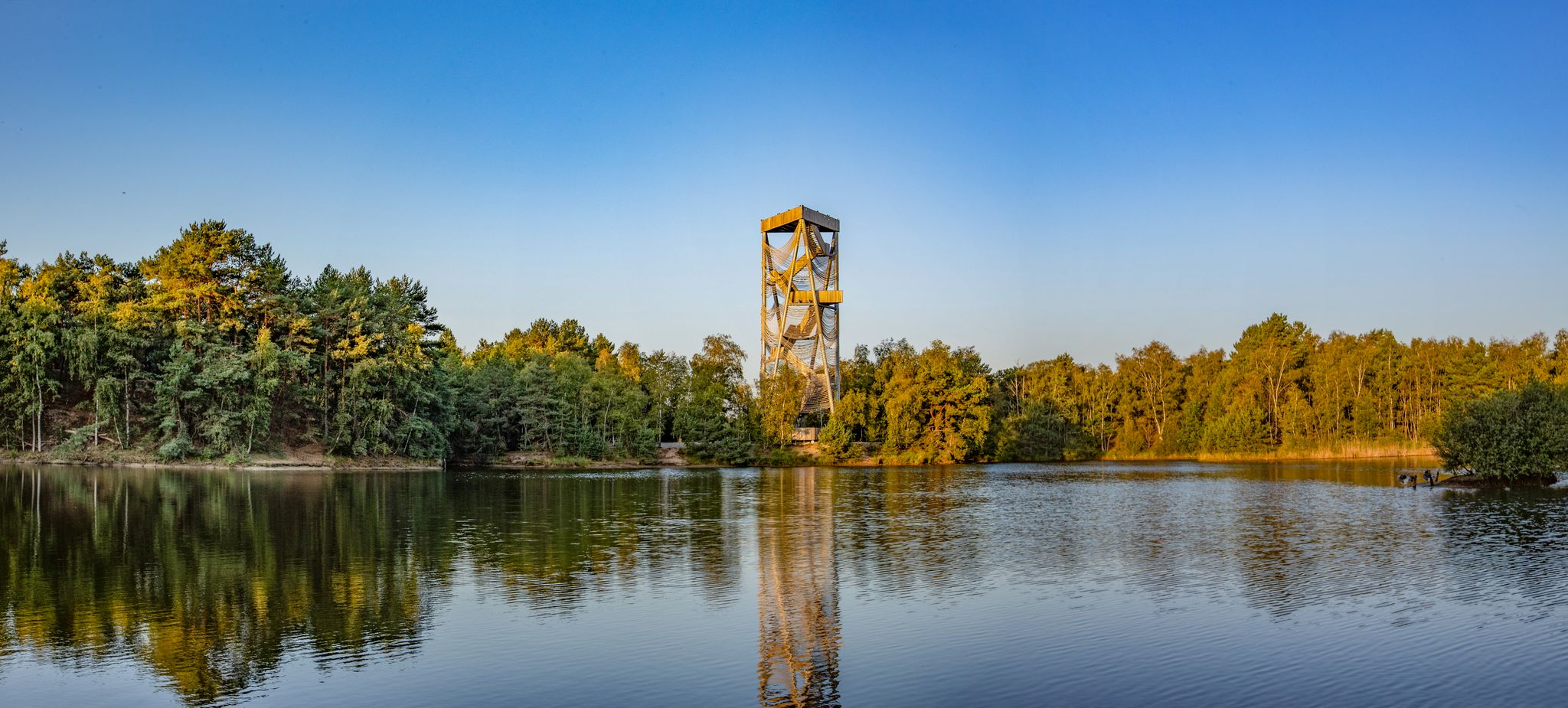
Art, culture and more – hiking in Belgium’s Flanders
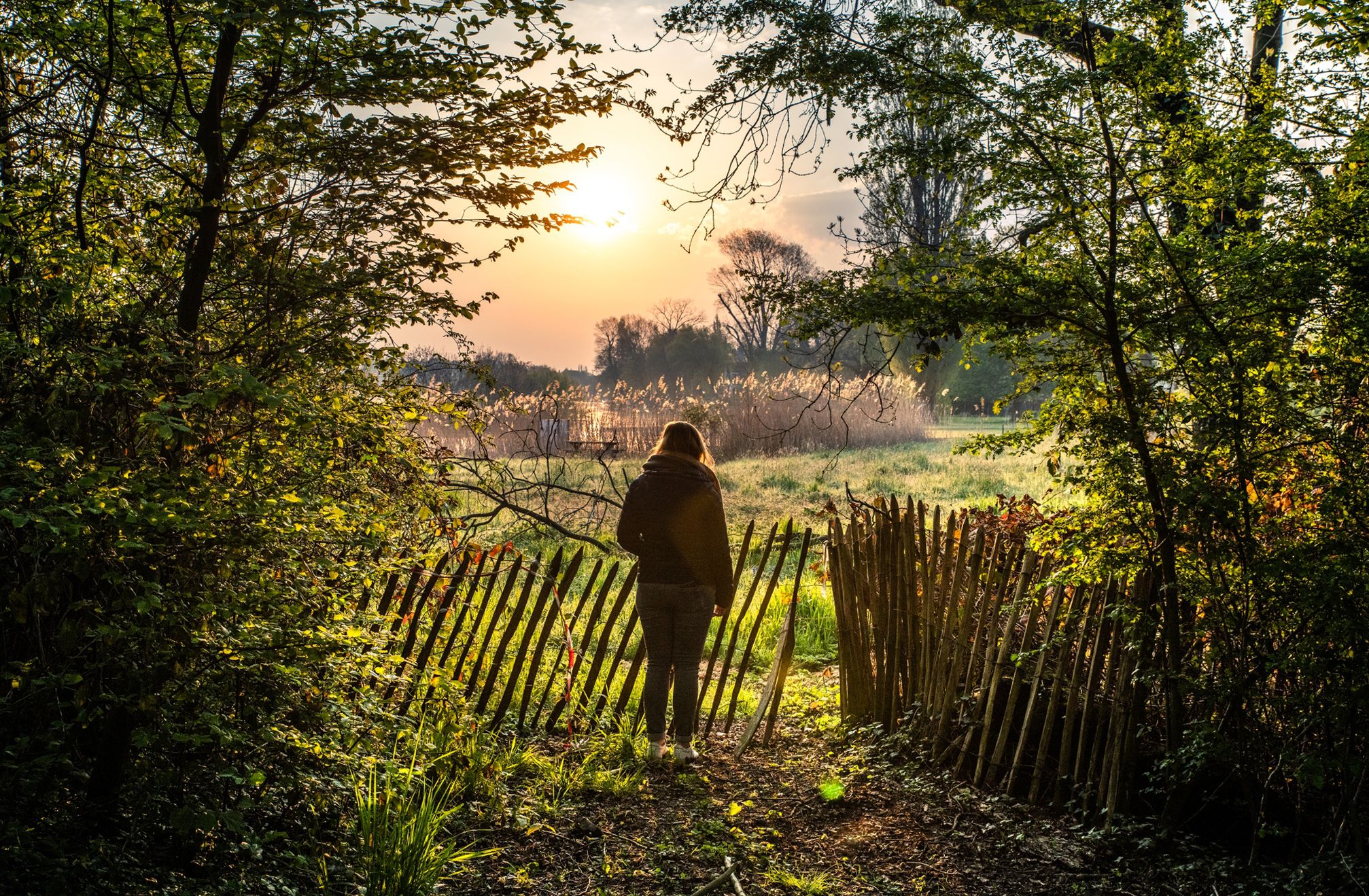
Waterside walks in Flanders
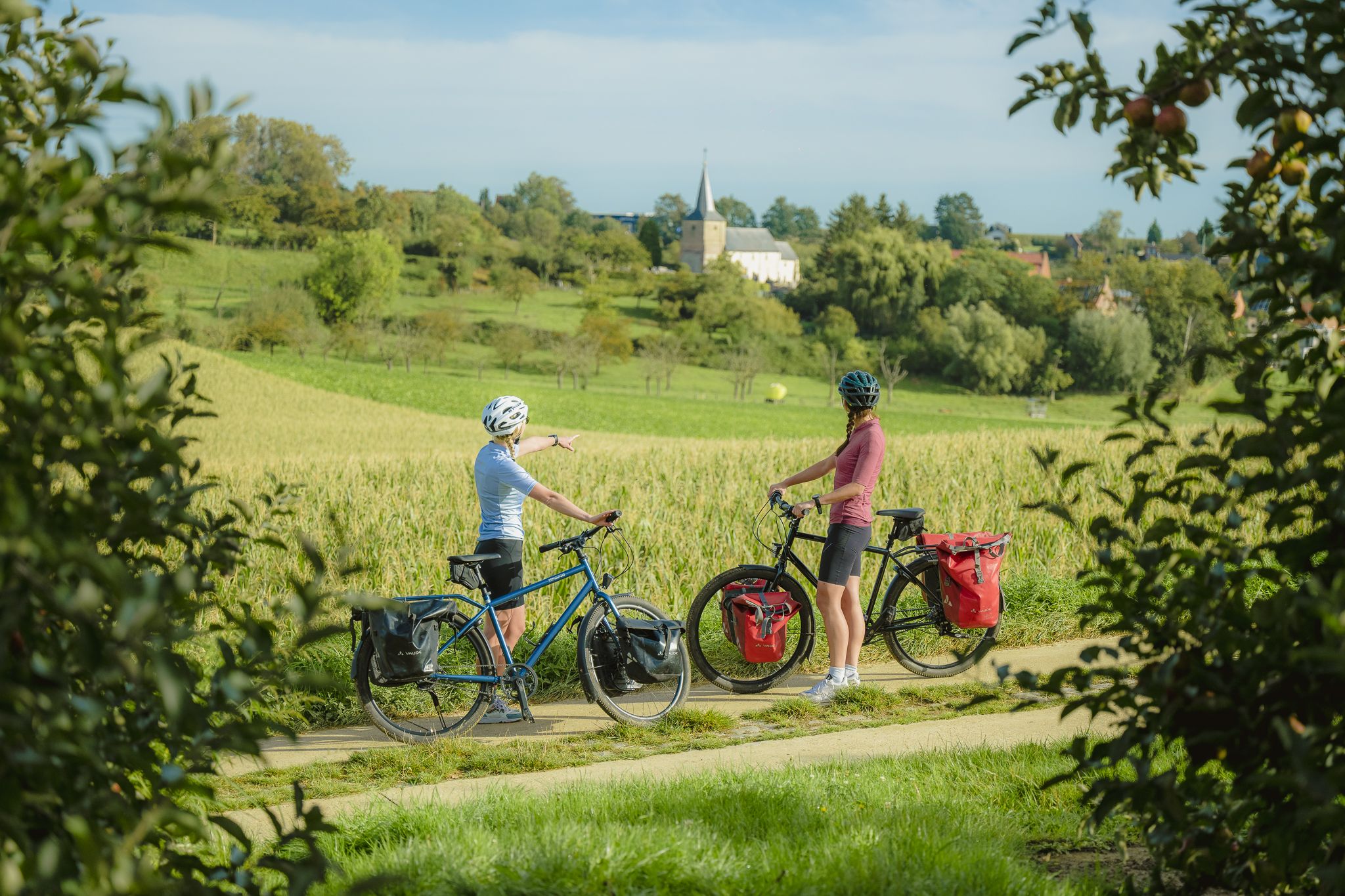
フランダースの最高のもの — フランダースルート
フランダース by bike: 文化
Flanders by bike: cycling along the water
ゲントでのの他の冒険


コミュニティからのヒント

広大な510ヘクタールを誇るこの公園は、心を落ち着かせる自然、歴史的な城の庭園、そしてハイカー、ランナー、サイクリストのためのトップクラスの施設がユニークに融合しています。 過去から現在へ 貴族の起源:20世紀後半まで、この地域はデ・ケルホヴ・デ・デンテルゲム家とデ・ポッテルスベルゲ・デ・ラ・ポテリー家の私有地でした。彼らはここに城の庭園を建設し、狩猟地を整備し、池を掘りました。 私有から公有へ:1965年、オースト=フランデレン州が最初の土地を購入しました。目標は野心的でした。歴史的な城の庭園を、すべての人々のための広大な公共の緑地へと変えることです。 現代のオアシス:今日、記念碑的な並木道、プイェンブルグ城、そして何世紀も前の森が、その豊かな過去を偲ばせています。しかし今では、ゴルフコース、プール、動物園、そして何キロにもわたる自動車乗り入れ禁止の小道を備えたモダンな楽園となっています。
1
0

ペレンボームスガットは、ある程度埋め立てが進んでおり、顕著な葦原を形成しているクリーク(川跡)の一つです。馬蹄形のクリークの南側全体が埋め立てられています。 北側には、西側にまだ開けた水域がありますが、ここでも急速な埋め立てが進んでいます。このクリーク跡の一部はオランダ領内にあり、そこでは岸辺の自然管理が行われています。 グローテ・クリークとペレボームスガットのクリークは、汽水域が少なく、例えば少し西にあるシント・エロイース・クリークよりも塩分濃度が低くなっています。 出典:不動産インベントリ
2
0

1982年に正式に公園として認められたLiedermeersparkは、広さ25ヘクタールで、主に釣り池を含んでいます。元々は古いスヘルデ川の支流でした。1983年9月22日の市議会では、BPA no. 12の緑地帯を今後「Liedermeerspark」と正式に呼び、水域を「Verloren-broodvijver」と呼ぶことが決定されました。このレクリエーションエリアには、1988年に3000本もの在来落葉樹が植えられ、その後、学童によってさらに約1000本のオークが植えられました。 (現地の案内板より)
8
0

Definitely recommended. Every now and then we encountered a jogger or walker, but it was negligible. It's so nice to be able to enjoy the beautiful nature this way.
2
0

It's a beautiful location full of greenery, trees, and beautiful plants that you'll see along the way. You can walk for ages without encountering too many people. Really cool!
3
0


The Aelmoeseneiebos (or Aalmoezenijebos) is a nature reserve on the territory of the municipalities of Melle (Gontrode) and Oosterzele (Landskouter). The forest is 28.5 hectares in size and is owned by the University of Ghent. The forest area is now managed by the university Lab for Forest & Nature. The railway line Ghent-Geraardsbergen divides the forest in two. The Aelmoeseneiebos is an old forest area that already appeared on the Ferraris map in 1775. The forest was owned by the Saint Bavo's Abbey of Ghent for centuries. During the French period (1794-1815) it was transferred to the public poor relief of the city of Ghent. In 1967-1968 the Belgian State bought the forest so that the University of Ghent could use it as a test forest. The most important tree species are summer oak and beech, with ash and maple in the stream valleys. The Aelmoeseneiebos is known for its spring flora such as wood anemone, slender primrose, yellow dead-nettle and small periwinkle. During the First World War, the forest was largely cut down but replanted in 1920. Adjacent to the western part of the Aelmoeseneiebos, 10 hectares of plots of land belonging to Natuurpunt, Oosterzele department, are located in the valley of the Gondebeek. With the 'Rodeland landscape project' [1], the aim is to connect the Aelmoeseneiebos with the Makegemse forests through afforestation in the valleys of the Gondebeek, Kerkesbeek and Driesbeek[2][3]. In 2021, 5 amphibian tunnels were constructed in the Gondebeek valley[4]. Inventories and research in the Aelmoeseneiebos found 1329 different species: including 64 tree and shrub species and 599 species of invertebrates. The Aelmoeseneiebos is protected in Europe as part of the Natura 2000 area (habitat directive area) 'Forests of the south-east of the Zandleemstreek' (BE2300044). The forest is freely accessible on the footpaths.
1
0

This nature reserve is a remnant of an extensive forest area that gradually had to make way for agriculture in the 18th century. The surrounding land and the forest were owned for centuries by the Aalmoezenij, the poor relief of the Ghent Saint Bavo's Abbey. The production of wood was the main function at that time. The forest was purchased by the Belgian state in 1967-1968 so that the University of Ghent could use it as a test forest. In the early years, it was mainly used for studies on the growth and management of forests with a view to wood production. It also had a recreational and educational function. Railway line 122 Melle-Geraardsbergen divides the forest in two. In the western part (where we walked) an arboretum was created in 1973. With the 'Rodeland landscape project', the aim is to connect the Aelmoeseneiebos with the Makegemse forests through further afforestation of a number of stream valleys.
4
0
ゲントでのの人気観光スポット

komootモバイルアプリでインスピレーションを得よう


探していたものは見つかりませんでしたか?
地域ごとの最高の湖を見つけましょうゲントでの:
