グウェンナップの湖・トップ9
次の冒険でグウェンナップの素晴らしい湖を訪れてみませんか?湖畔の穏やかな雰囲気や、天気が良い日のひと泳ぎは格別です。komootコミュニティがおすすめするグウェンナップの素晴らしい湖の一覧を参考にして、次の冒険では湖をもっと満喫しましょう。
最終更新日: 8月 24, 2026
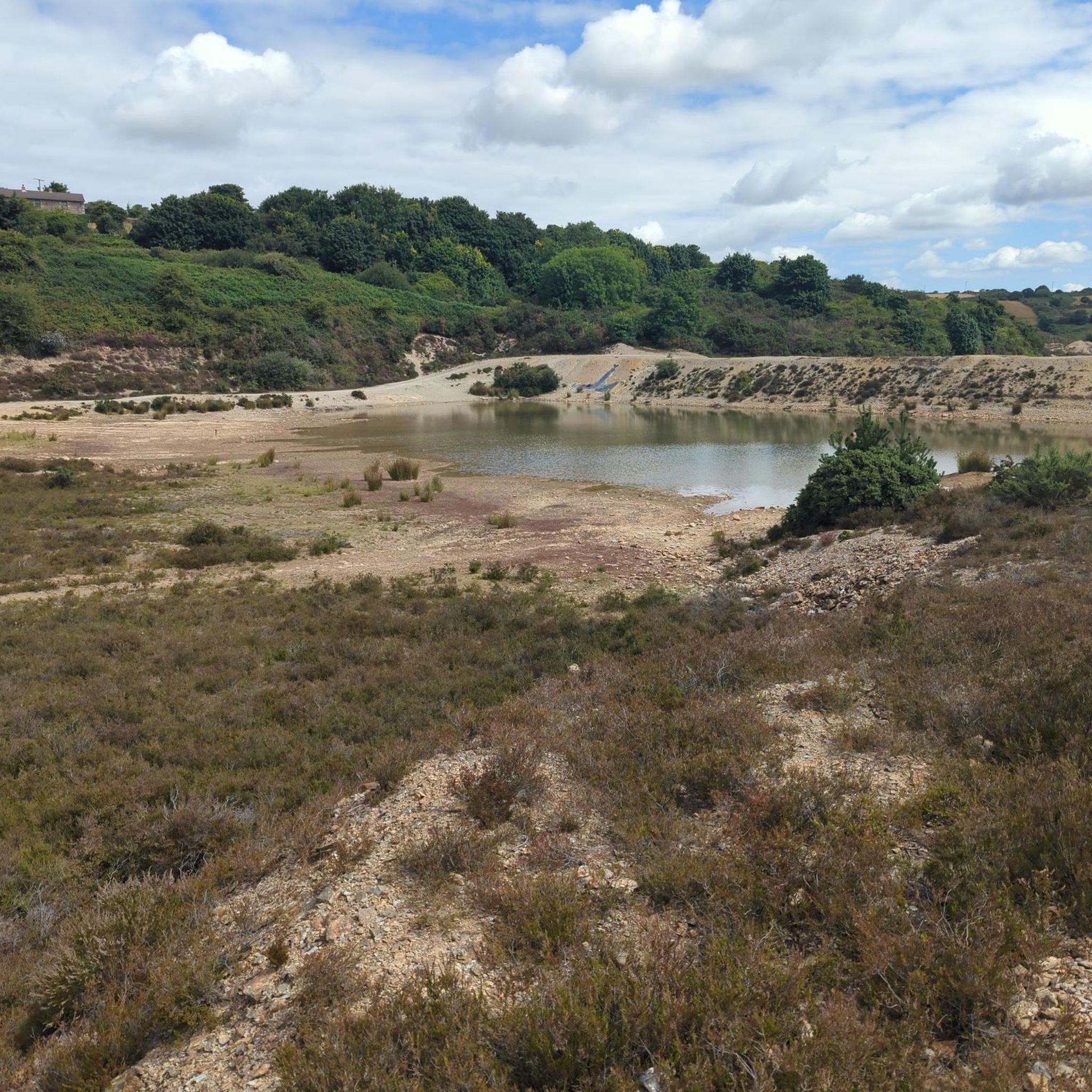
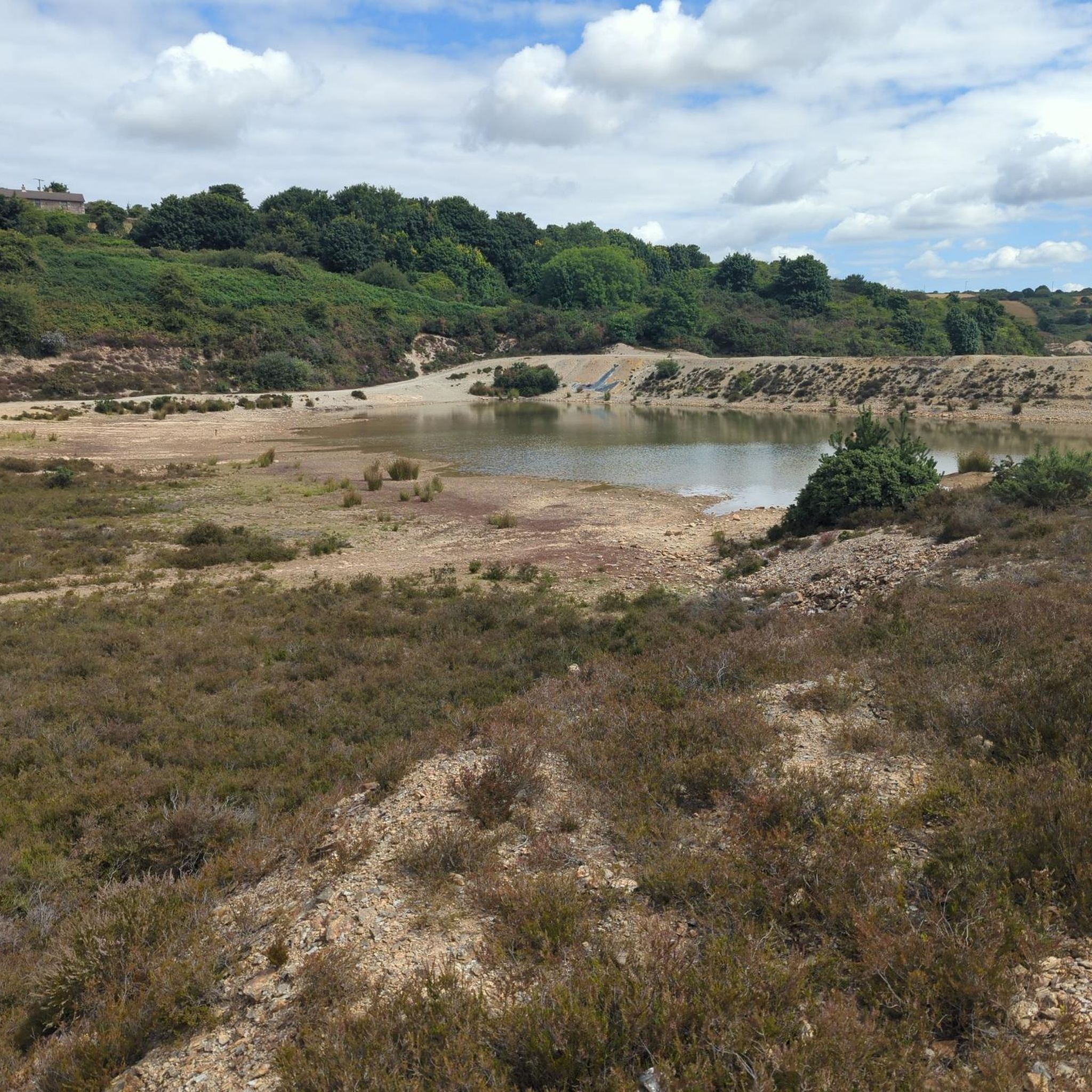
Carn Marth と Hick's Quarry Pool
ハイライト • 展望台
役立つ情報 は

Basset's Cove
ハイライト • 自然記念物
翻訳者 Google •
役立つ情報 は

今すぐサインアップして、こんな場所を発見しよう
最高のシングルトラック、ピーク、その他のエキサイティングなアウトドアスポットのおすすめを受け取ろう。
無料新規登録
スティシアンズ貯水池ダム
ハイライト • 記念碑
役立つ情報 は
ラルフズ・カップボード
ハイライト (セグメント) • 峡谷
翻訳者 Google •
役立つ情報 は
ファルマス〜セント・モーズ フェリー
ハイライト • 構造物
役立つ情報 は

無料でサインアップして、さらに多くの湖を発見しましょう グウェンナップでの。
無料新規登録
すでにアカウントをお持ちですか?
無料アカウントで今日から始めよう
次の冒険が待っています。
ログインまたは登録


コミュニティからのヒント

Breathtaking views. Especially when combined with the blooming heather!
0
0

With loaded bikes you have to forget about it because there is a long staircase in Falmouth to get down to the ferry! What a shame!
0
0

Worth climb to the cairn for the downhill section on the main access road. Then drop into single track round the back lanes of Carharrack. Sweet! :)
0
0


Take a deep breath and escape the hustle and bustle of the city center.
0
0

Great view from the dam across the reservoir towards Carn Menellis
0
0

The Falmouth to St Mawes Ferry runs all year, connecting the two towns. This is a very scenic ferry ride, where you will be able to see both St Mawes and Pendennis castle. The ferry crossing takes approximately 20 minutes. During summer, the ferry runs up to 3 times an hour and in the winter it runs once an hour.
1
0

The 7.3 km long circular route takes you back to a time when Cornwall was covered by sea and then became a Europe-wide mountain range. The sedimentary rocks of this area around Portreath were deposited in a deep marine environment during the Devonian age (ca. 393 - 373 million years): Greywacken: Gray rock with fine to coarse grains (0.3 - 2 mm; 0.01 - 0.08 inch), consisting of quartz, feldspars and fragments of foreign rocks. In some cases, shiny/shimmering components can be seen (mica), the rocks form layers and banks. Siltstones: Light gray rock with fine grains (<0.063 mm; <0.002 inch) that are not visible to the naked eye. Layers can be recognized based on the color difference. Slate: Gray to black, sometimes slightly red to greenish colored rocks with very fine grains (<0.02 mm, <0.001 inch), the rocks appear foliated with very thin layers, often alternating with greywackes. The originally horizontal sedimentary layers of Cornwall were tectonically overprinted around 323 - 299 million years ago during the Variscan orogeny (mountain formation). During this time, the southern major continent Gondwana collided with the northern major continents Laurentia and Baltica as well as smaller continent fragments (terranes) such as Avalonia and Amorica. The orogeny ended approximately 270 million years ago with the formation of the supercontinent Pangea. Due to the pressure from the south, the sedimentary rocks were compressed, folded and internally transformed under increasing temperatures. This is how slates emerged from the original claystones. There are no deposits in the area for the period between the formation of the Devonian rocks until 3 million years ago. During the Ice Age 3 million years ago, the region of modern-day Cornwall lay in a tundra area south of the glaciers that covered the Northern Hemisphere. Periglacial deposits from this period can be observed on the cliffs.
0
0
グウェンナップでのの人気観光スポット

komootモバイルアプリでインスピレーションを得よう


さらに探索
まだ完璧な湖が見つかりませんかグウェンナップでの?これらの地域のガイドをチェックして、さらに美しい場所を見てみましょう。
