アジェンでの周辺の簡単なハイキングとウォーキング
4.4
(971)
5,189
ハイカー
206
ハイキング
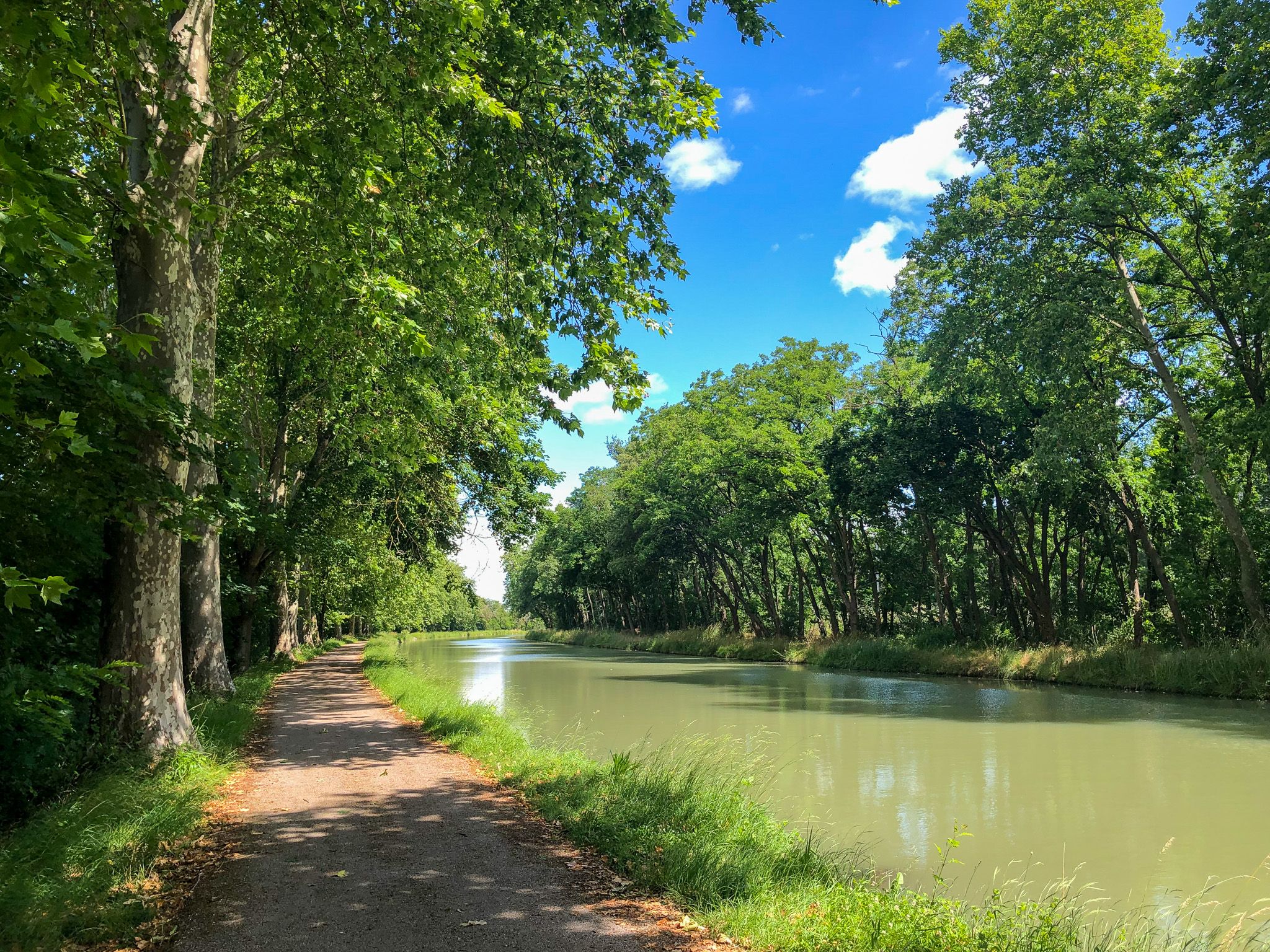
Agen周辺の簡単なハイキングコースは、ガロンヌ川とガロンヌ運河に特徴づけられ、数多くの水辺の小道と日陰のある緑道を提供しています。この地域は、起伏のある田園地帯、緑地、川の谷が特徴で、散策に適した変化に富んだ地形を提供しています。多くのルートには地元の公園や自然保護区が含まれており、アクセスしやすいアウトドア体験ができます。景観は、穏やかな丘陵地帯と水路沿いの平坦な区間を含み、簡単な探索に適しています。
Agen周辺の最高の簡単なハイキングコース
- 最も人気のある簡単なハイキングルートは、サンティアゴ・デ・コンポステーラの巡礼路で、所要時間1時間53分、距離6.7kmのトレイルです。この道は歴史的な巡礼路に沿っており、文化的な洞察と景色の良い眺めを提供します。
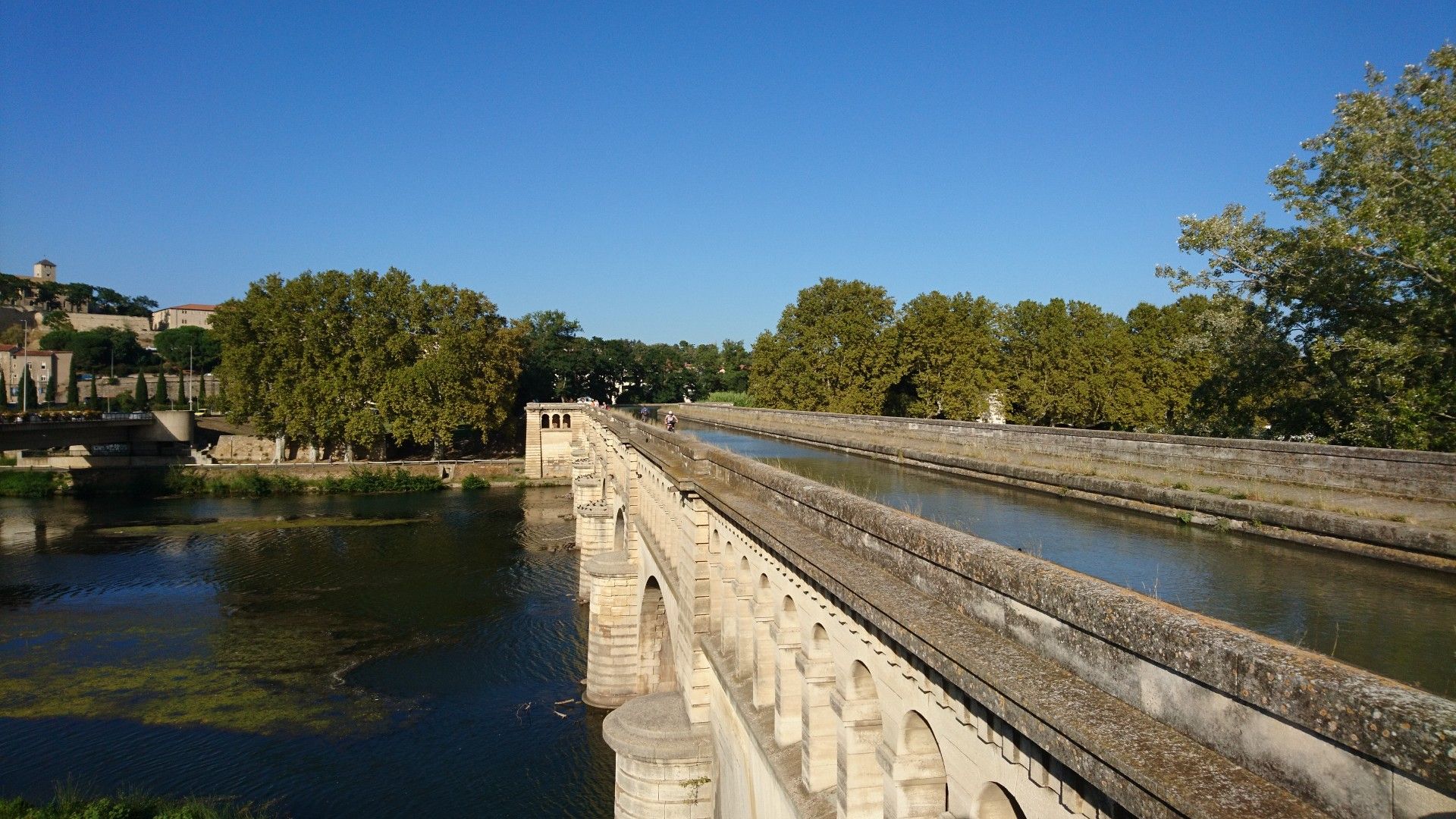
- 地元のハイカーに人気のもう一つのコースは、エクルーズ – アジャン運河橋ループ(アジャン発)で、距離7.4kmの簡単なコースです。このルートはユニークなアジャン運河橋を通り、運河自体の上をガロンヌ川を渡ることができます。
- 地元のハイカーに愛されているのは、バジャモン湖ループ(バジャモン発)で、距離3.6kmのトレイルは、静かな湖畔の環境を通り抜け、所要時間は約56分です。
- Agen周辺のハイキングは、川沿いの景観、整備された緑地、起伏のある田園地帯によって特徴づけられます。このネットワークは、簡単なハイキングコースに重点を置き、さまざまな体力レベルのオプションを提供しています。
- Agenのルートは、komootコミュニティから高く評価されており、300件以上のレビューで平均4.5つ星を獲得しています。2,000人以上のハイカーがkomootを利用して、Agenの多様な地形を探索しています。
最終更新日: 10月 10, 2026
4.6
(19)
73
ハイカー
6.69km
01:53
140m
140m
初級者向けハイキング. あらゆるフィットネスレベルに適しています。 進みやすいルートです。あらゆるスキルレベルに適しています。
4.4
(11)
23
ハイカー
5.46km
01:34
130m
130m
初級者向けハイキング. あらゆるフィットネスレベルに適しています。 進みやすいルートです。あらゆるスキルレベルに適しています。

4.2
(6)
53
ハイカー
3.65km
00:57
20m
20m
初級者向けハイキング. あらゆるフィットネスレベルに適しています。 進みやすいルートです。あらゆるスキルレベルに適しています。
43
ハイカー
3.69km
00:56
10m
10m
初級者向けハイキング. あらゆるフィットネスレベルに適しています。 進みやすいルートです。あらゆるスキルレベルに適しています。
5.0
(1)
49
ハイカー
7.74km
01:58
30m
20m
初級者向けハイキング. あらゆるフィットネスレベルに適しています。 進みやすいルートです。あらゆるスキルレベルに適しています。
4.0
(1)
11
ハイカー
6.08km
01:45
150m
150m
初級者向けハイキング. あらゆるフィットネスレベルに適しています。 進みやすいルートです。あらゆるスキルレベルに適しています。
4.0
(1)
16
ハイカー
4.75km
01:13
20m
20m
初級者向けハイキング. あらゆるフィットネスレベルに適しています。 進みやすいルートです。あらゆるスキルレベルに適しています。
15
ハイカー
5.07km
01:27
120m
120m
初級者向けハイキング. あらゆるフィットネスレベルに適しています。 進みやすいルートです。あらゆるスキルレベルに適しています。
3.7
(3)
4
ハイカー
4.27km
01:12
80m
80m
初級者向けハイキング. あらゆるフィットネスレベルに適しています。 進みやすいルートです。あらゆるスキルレベルに適しています。
15
ハイカー
5.63km
01:36
130m
130m
初級者向けハイキング. あらゆるフィットネスレベルに適しています。 進みやすいルートです。あらゆるスキルレベルに適しています。
さらに多くのルートや他のユーザーのおすすめ情報を確認できます。
すでにアカウントをお持ちですか?
おすすめのツアーは他のkomootユーザーが実際に経験した何千ものアクティビティに基づいています。
アジェンでのの他の冒険


コミュニティからのヒント

ここですれ違うのは、釣り人と犬を連れた人だけです。様々な場所で泳がせてあげることができます。澄んだ水。
0
0


The Martrou Chapel was built in the Romanesque period. The presence of these different sanctuaries made Agen a stop on a pilgrimage route to Santiago de Compostela. A Martyr's Hospital[ was built next to the Martrou Chapel, which became its chapel, near the Saint-Caprais collegiate church. A Saint-Jacques Hospital was founded in the second half of the 14th century and not in the 12th century[. In 1562, the different hospitals of Agen, Saint-Antoine, Saint-Georges, Saint-Michel and Saint-Jacques, were united at the Martyr's Hospital[]. The whole was called the Saint-Jacques-du-Martyre Hospital. This hospital was closed in 1819 after its merger with the General Hospital for the Poor, which then took the name Saint-Jacques Hospital, before becoming the Hôtel du Département de Lot-et-Garonne in 1992. The Martrou Chapel was part of the Saint-Caprais collegiate church. It currently belongs to the Sainte-Foy church. It has undergone numerous alterations, from the Romanesque period to the 20th century. It was restored after the merger of the various hospitals of Agen, after 1563. A room was built above the nave, which served as a meeting place for the Grey Penitents. The choir fresco was painted in 1934 by Giovanni Masutti, an Italian-born painter who had worked in other churches in the department. The Diocesan Association of Agen undertook the renovation of the Martrou Church (enhancement of the bell tower, improvement of the acoustics, heating, paving of the crypt, restoration of the façade, painting of the choir, lighting, and whitewashing of the interior walls) in 2007. It was given a non-religious, but rather cultural, purpose. The current chapel consists of a rectangular, paneled nave and a choir with a semi-domed vault. Below is a crypt built in the 4th century by the first Christians of Agen, on the site where the bodies of the first martyrs were buried. The building was listed as a historic monument on November 29, 1995.
0
0
A chapel was built near a Christian cemetery outside the first city wall. The current chapel was built at the end of the 13th century when it became a parish church under the name of Notre-Dame du Bourg. It was included in the second city wall of Agen. In the 15th century, the initially square chevet was replaced by a polygonal apse. On the night of December 1, 1561, the Protestant rulers of the city looted and burned Saint-Étienne Cathedral, the Saint-Caprais collegiate church, and Notre-Dame du Bourg. A report on the condition of the churches was then drawn up by the city authorities. The church was restored and enlarged by piercing the south wall to build a side aisle. The Bishop of Agen, Jules Mascaron, made it a place of devotion, which led to its second name, Notre-Dame de Grâce. Following a decree from Napoleon I, the cemetery was abolished in 1809. The church was decorated with stained-glass windows created by Bordeaux master glassmaker Henri Feur in 1884. The building was listed as a historic monument on February 22, 1926.
0
0
This footbridge is old, dating back to 1835. But the one that exists today is no longer the one from before; it was completely rebuilt, and as it stands, it was completed in 2002. This footbridge is magnificent... it's a bit rocky if you have heavy steps, but I think you'll find it perfectly safe. For those prone to vertigo, don't look at the Garonne through the planks, and be aware that many people use this footbridge every day. On the left bank pillar, you can see a few padlocks that lovers like to place as souvenirs... They're nowhere near as numerous as on the Pont des Arts in Paris, but it's still something... In any case, it's from this footbridge that you can best observe the canal bridge as a whole. Don't miss a visit!
0
0
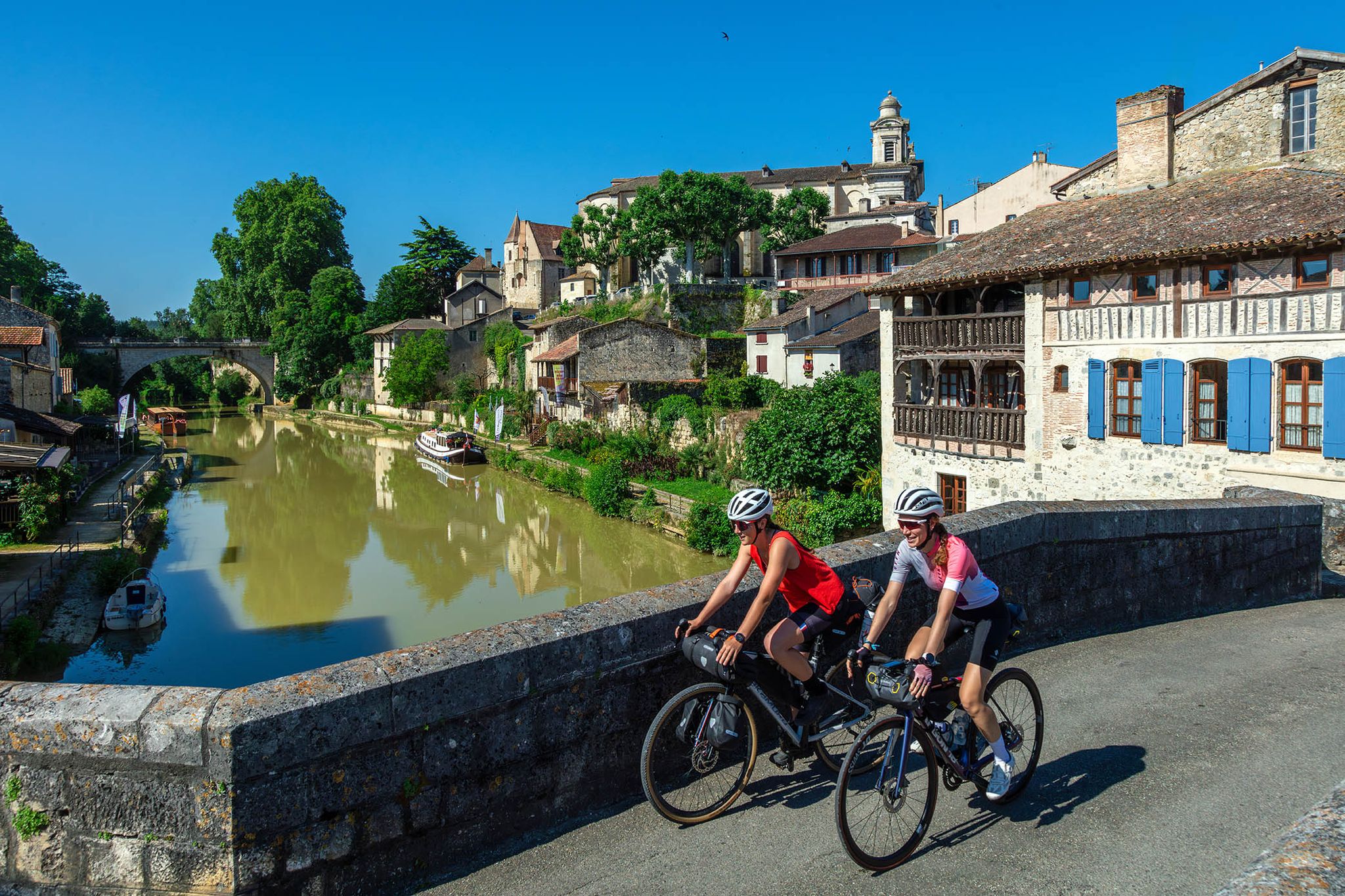
Construction of the Agen canal bridge was almost halted permanently due to competition from waterways and the railway. Its history is, of course, closely linked to that of the entire Canal Lateral. On August 25, 1839, the foundation stone was laid by the Duke of Orléans, eldest son of Louis-Philippe, and Princess Helene of Mecklenburg, his wife. In 1841, work was halted. The bridge would be used for a time by farmers' carts to avoid a detour via the old stone bridge. On May 5, 1846, a law mandated the resumption of work, and the bridge was completed in 1847. But that wasn't the end of the worries. This bridge could perhaps have become a railway bridge: In 1850, those who exclusively supported the railway raised the question of filling in the canal cut (in its entirety) to lay the tracks. It wasn't until March 1856 that the entire Garonne lateral canal was completed. This bridge itself is 539 meters long, 12.48 meters wide, 2.70 meters deep, and has 23 arches. The waterway is 8.80 meters wide, which prevents crossings. Holding basins were built on either side of the aqueduct. The civil engineers Jean-Baptiste de Baudre and Jean Gratien de Job were responsible for its construction. It is made entirely of freestone from Quercy.
0
0
Saint-Caprais Cathedral in Agen features several architectural peculiarities: its Romanesque apse is extended by a single-nave Gothic nave. Replacing an earlier wooden campanile, the current bell tower was built in 1835 at the initiative of Bishop Jean-Aimé de Levezou de Vezins and is unusual in that it consists of three Gothic stylistic elements (lancet Gothic, radiant Gothic, and flamboyant Gothic) curiously presented in reverse chronological order. A corbel composed according to this principle can still be seen in a corner of the north transept of Agen Cathedral. This corbel, in itself, is a small monument containing two large formerets and a long-span pointed arch. The paintings on the walls and ceilings depict the history of the arrival of Christianity in the region. A central role is given to the first martyrs of Agen. Other paintings are presented in series: the Evangelists, the Apostles, the patriarchs of the Jewish people (Abraham, Noah, etc.), the great kings of Israel, etc. The cathedral is much shorter than one might expect, judging by the size of the choir; indeed, political and financial difficulties greatly influenced the cathedral's final form. The painted decoration was entrusted to Jean-Louis Bézard, a painter from Toulouse who won the Prix de Rome in 1829. He completed the decoration of the chapel of the Hospice Saint-Jacques d'Agen, now the departmental hotel, in 1845, which has since disappeared. At the same time, he began painting the Chapel of the Virgin Mary in the cathedral. He continued decorating the cathedral until 1869. The choice of themes was made by the cathedral clergy and was the subject of debate between the painter and Abbé Deyche. For the decoration of the apse, the choice was made to depict the martyrdom of the saints of Agen. For the rest of the decoration, the paintings blend local themes and Marian iconography, the great figures of the Bible, the Old Testament, and the New Testament. Jean-Louis Bézard drew inspiration from the decoration of the Sicilian churches of Palermo and Montereale for the medallions of the arches of the transept crossing. The altar decoration: an altar cross and six candlesticks are listed as historical monuments. On the counter-façade, two statues: on the right, Saint Caprais, and on the left, Saint Stephen, by Louis Rochet. The main organ, built by organ builder Jean-Baptiste Stoltz, was featured at the 1855 World's Fair in Paris. According to legend, it was donated by Empress Eugenie in 1858 to Agen Cathedral, which until then had no instrument. It is the largest instrument in the Lot-et-Garonne department, with 45 stops spread over three manuals and a pedalboard. It has mechanical action. It is listed as a historic monument. The choir organ was built by organ builder Jules Magen in 1885 (15 stops over two manuals/pedalboard). It has been listed as a historic monument. Concert pianist and organist Jérôme Chabert has been its organist since 2002. He founded the Heures d'Orgue, an international festival held every summer in July and August on the cathedral's two organs.
0
0
Saint-Caprais Cathedral was built in the 12th century on the site of an episcopal basilica constructed in the 6th century, sacked by the Normans in 853 and then restored. Saint-Caprais Church is mentioned, along with Saint-Étienne Cathedral, in the will of Raymond, Lord of Toulouse, Marquis of Gothia, Count of Rouergue, Gévaudan, and Narbonne, who died in 961.[6] It was originally a collegiate church. Sacked again in December 1561 during the Wars of Religion, Saint-Caprais Collegiate Church became a fodder store in 1791 before being reopened in 1796 and becoming the official cathedral of Agen, following the destruction of the old Saint-Étienne Cathedral during the Revolution. It was elevated to the rank of cathedral in 1802. At the request of the Bishop of Agen, Jean-Aimé de Levezou de Vezins, the architect Gustave Bourrières[7] rebuilt the south façade, the bell tower, and the interior floors between 1838 and 1847.
0
0
よくある質問
アジャン周辺には、どのくらい簡単なハイキングコースがありますか?
アジャン周辺には100以上の簡単なハイキングコースがあり、あらゆるスキルレベルに対応できる多様な選択肢を提供しています。komootコミュニティはこのルートを高く評価しており、平均スコアは4.5つ星です。
アジャン近郊の簡単なハイキングでは、どのような景観が楽しめますか?
アジャン周辺の簡単なハイキングでは、主に景色の良いガロンヌ川と静かなガロンヌ運河が特徴で、水辺の小道や木陰の緑道が数多くあります。起伏のある田園地帯、整備された緑地、川沿いの谷を抜けるルートもあり、多様でアクセスしやすいアウトドア体験を提供します。
アジャン周辺に簡単な周回ハイキングルートはありますか?
はい、アジャン周辺の簡単なトレイルの多くは周回ルートです。例えば、バジャモン発バジャモン湖周回ルートは静かな湖畔の散策を提供し、アジャン発エクルーズ周回ルートは穏やかな川沿いの体験を提供します。
アジャン周辺の簡単なトレイルは、子供連れの家族に適していますか?
もちろんです。アジャンの簡単なトレイルの多くは、特にガロンヌ運河沿いや地元の公園にあるものは、家族連れに最適です。これらのルートは、平坦な区間、木陰の多いエリア、リラックスできる機会が多くあります。グラヴィエ広場やピュン広場のような緑地も、家族のアクティビティに最適です。
アジャンでの簡単なハイキングに犬を連れて行けますか?
一般的に、アジャン周辺の多くの自然トレイル、特にガロンヌ川やガロンヌ運河沿いのトレイルには犬を連れて行くことができます。ただし、常にリードにつないでおくことをお勧めします。また、すべての方にとって快適な体験を確保するために、特定の公園や自然保護区の現地規制を確認することが常に最善です。
アジャン近郊の簡単なハイキングで、どのような興味深い場所やランドマークを見ることができますか?
多くの簡単なハイキングには、歴史的および自然的なランドマークが含まれています。ユニークなアジャン運河橋を渡ったり、アジャン港を探索したり、歴史的なモワラクのノートルダム教会を訪れたりできます。サンティアゴ・デ・コンポステーラの巡礼路も文化的な洞察を提供します。
景色の良い簡単なハイキングはありますか?
はい、いくつかのルートは美しい眺めを提供しています。ガイドデータには明示的に記載されていませんが、この地域には「リュジニャン・ガロンヌ渓谷のパノラマビューのトレイル」のようなルートや、川と周囲の田園地帯の素晴らしい景観を提供するシャイズ橋のような展望地点があります。
アジャン周辺での簡単なハイキングに最適な時期はいつですか?
春と秋は、快適な気温と美しい景色を楽しめるため、アジャン周辺での簡単なハイキングに最適です。春には自然が花開き、秋には鮮やかな紅葉が見られます。夏は暑くなることがありますが、ガロンヌ川や運河沿いの水辺の散策は特に爽快です。冬は、穏やかで涼しい気候でウォーキングを楽しめます。
ガロンヌ運河沿いの簡単なトレイルはありますか?
はい、ガロンヌ運河は簡単なハイキングの主要な特徴です。運河は木陰のある緑道に囲まれており、ゆったりとした散策に最適です。エクルーズ – アジャン運河橋周回ルート(アジャン発)は、ガロンヌ川にかかる運河橋の上を直接歩くことができる素晴らしい例です。
アジャンの簡単なトレイルについて、他のハイカーが最も楽しんでいる点は何ですか?
アジャンの簡単なトレイルはkomootコミュニティから高く評価されており、平均スコアは4.5つ星です。ハイカーは、ガロンヌ川や運河沿いの穏やかな水辺の小道、ルートのアクセスの良さ、そしてアジャン運河橋のような歴史的な見どころと自然の美しさの融合をよく賞賛しています。
歴史的な場所を巡る簡単なハイキングはありますか?
はい、歴史的な場所へ続く簡単なハイキングを見つけることができます。例えば、シャトー・ド・ボーヴィル周回ルートは、歴史的なシャトーの周りを穏やかに探索できます。この地域には、モワラク近くのクリュニー修道院のような、宗教遺産やロマネスク美術を紹介する巡礼路をたどるルートもあります。
野生生物観察に特に適した簡単なハイキングはありますか?
ガロンヌ川内にあるフレール・デ・アロゼ自然保護区は、ビッグアロゼ魚の保護に特化した保護地域であり、特に5月には教育的なウォーキング体験を提供します。ガロンヌ川や運河沿いの水辺のトレイルでも、地元の野鳥やその他の水生生物を観察する機会があります。
アジェンでのの人気観光スポット

komootモバイルアプリでインスピレーションを得よう


さらに探索
他の地域の最高のハイキングを見てみましょう。
