ベルテムの洞窟・トップ20
ハイキングの途中で偶然見つけた場合でも、ガイドブックに沿ってたどり着いた場合でも、いつも特別な体験をもたらしてくれる城。ベルテムには訪れるべき 20
の美しい城があります。一覧から行きたい城を見つけて、次の冒険では歴史にも触れてみましょう。
最終更新日: 9月 15, 2026
ドンジョン・テル・ヘイデン
ハイライト • 城
役立つ情報 は

アフリカ博物館を望む鏡の池
ハイライト • 湖
翻訳者 Google •
役立つ情報 は

今すぐサインアップして、こんな場所を発見しよう
最高のシングルトラック、ピーク、その他のエキサイティングなアウトドアスポットのおすすめを受け取ろう。
シント・ヒュベルトゥス礼拝堂
ハイライト • 宗教的な場所
翻訳者 Google •
役立つ情報 は

トーレン・テル・ヘイデン
ハイライト • 城
翻訳者 Google •
役立つ情報 は


無料アカウントで今日から始めよう
次の冒険が待っています。
コミュニティからのヒント


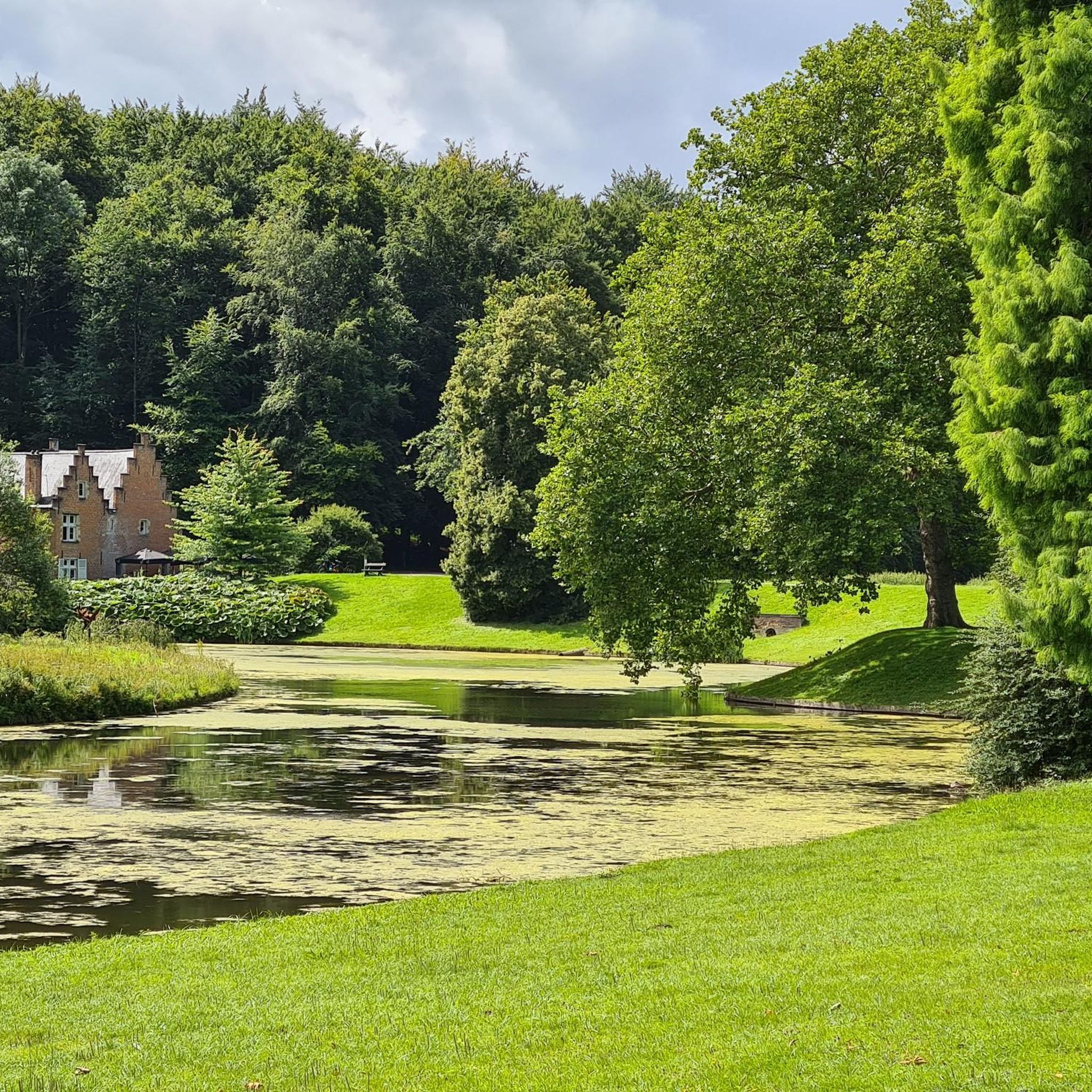
A beautiful place for rest and walking: you can stroll along it, enjoy the greenery and water, and it is part of the historical and natural charm of Tervuren.
7
0

The veneration of Saint Hubert in Tervuren, the presumed place of death of the patron saint of hunters, dates back to at least the 16th century and is probably even older. Every year on the last Sunday in October, an open-air mass is celebrated there in honor of Saint Hubert, and horses and dogs are blessed to protect them from running amok.
4
0

The Donjon Ter Heyden, also known as the tower of Ter Heyden, is a residential tower in the Belgian town of Rotselaar (province of Flemish Brabant) from the mid-fourteenth century. The donjon was built between 1350 and 1363 by order of Gerard van der Heyden, the then bailiff of the Duchy of Brabant, when he acquired the status and funds through a marriage with a noblewoman to erect a building of such calibre.
3
0

The watermill at Arenberg Castle was probably rebuilt around 1636 on a watermill site known before 1286, which was then equipped with two waterwheels. Major repairs were carried out on the locks around 1722-23 and 1733-35, and images of the mill also indicate modifications to the mill building in the 18th century. Around 1875, the watermill underwent a facade restoration and extension according to the then prevailing views, under the direction of architect Claes. At the same time (1870-80), the mill was equipped with a new bluestone lock and two wooden waterwheels. The waterwheels were replaced by metal wheels at the end of the 19th century, and the locks were also modified in the early 20th century. In 1940, the mill was demolished and the mill was converted into a drawing room; externally the mill was preserved, as well as the lock and the two water wheels. Source and more information: https://inventaris.onroerenderfgoed.be/erfgoedobjecten/42570
7
0
The first mention of a castle dates from 1371 when it was a heavy keep built by Rasse de Grez, also known as Raes van Graven, a knight who lived from 1368 to 1450 and was lord of Heverlee, Vaalbeek, Bertem, Blanden, Malève and Terbruggen, among other things. The castle was demolished and the domain was ceded to the Croys (family of Croÿ) in 1446. During the first half of the sixteenth century, the reconstruction of the castle was restarted under Guillaume II de Croÿ (Willem II van Croÿ). His successor and nephew, Philip II van Croÿ, had it completed and finished, including a moat. He also had the park laid out and the avenue to Leuven extended. After the death of Charles III of Croÿ in 1612, the castle went via his sister, Anna, to the Dukes of Arenberg who lived there until the First World War. In 1920 the university acquired the domain. Sources and more info: - https://inventaris.onroerenderfgoed.be/erfgoedobjecten/42570 - https://www.kuleuven.be/erfgoed/gebouwen-en-monumenten/arenbergkasteel
7
0


komootモバイルアプリでインスピレーションを得よう


さらに探索
他の場所で最高の城を探していますか?他のガイドを発見しましょうベルテムでの:
