ネッセ・アプフェルシュテット周辺のアトラクション&必見スポット - トップ20
ネッセ・アプフェルシュテットには必見のスポットがたくさんあります。ハイキング愛好家やサイクリング愛好家の方は、ぜひネッセ・アプフェルシュテットを探索してこのエリアにある20
の隠れたスポットを訪れてみてください。このエリアの必見スポットを確認し、次の冒険に出かける計画を立てましょう。
最終更新日: 11月 19, 2026
エアフルトのクレーマーブリュッケ
ハイライト • 橋
翻訳者 Google •
役立つ情報 は

エアフルト市庁舎
ハイライト • 記念碑
翻訳者 Google •
役立つ情報 は
今すぐサインアップして、こんな場所を発見しよう
最高のシングルトラック、ピーク、その他のエキサイティングなアウトドアスポットのおすすめを受け取ろう。
ミュールブルク(テューリンゲン・スタンプポイント425)
ハイライト • 城
翻訳者 Google •
役立つ情報 は

セント・メアリー大聖堂
ハイライト • 宗教的な場所
翻訳者 Google •
役立つ情報 は


コミュニティからのヒント


The town hall has a ballroom, which was designed by the historical painter Johann Peter Theodor Janssen and shows pictures of Erfurt's history and that of Martin Luther. The city's Golden Book and an honorary cup were on display in the ballroom (until 1920). The Golden Book was created in 1900 by the Berlin court goldsmiths Sy and Wagner on the occasion of a visit to Erfurt by Kaiser Wilhelm II. It was taken to Moscow as a trophy by the Red Army in 1945 and never returned to Erfurt.[2] The former Golden Book was replaced by “guest books” (in red cover). The richly painted staircases are freely accessible to the public and show works by Eduard Kaempffer from 1889/96. In addition to scenes from the Faust and Tannhäuser sagaes, it also depicts stories by Count von Gleichen. Since November 1876, there have been statues of Emperor Friedrich I (Barbarossa/Redbeard) and Emperor Wilhelm I (Barbablanca/Whitebeard) on the ballroom front of the town hall, on both sides of the town hall balcony, as symbols of the “reestablishment of the German Empire”. They were made from Kelheim limestone by Professor Georg Kugel. The two 2.80 meter high statues under ornate canopies are said to have fallen from their pedestals and shattered on July 4, 1945, shortly after the Red Army entered Erfurt.[3] However, in the Erfurt city archives there are minutes of a meeting of the Erfurt city council on June 6, 1950, which state: “The figures above the town hall entrance to the ballroom are to be removed.” A representative of Mayor Georg Boock also signed.[4] The former locations of the imperial statues remained empty for decades. As a donation from the Rotary Club of Erfurt, bronze figures of Boniface and Martin Luther were placed in their place in June and November 2017. Source: Wikipedia
18
1

Everything was beautifully redesigned as part of the BUGA.
2
1

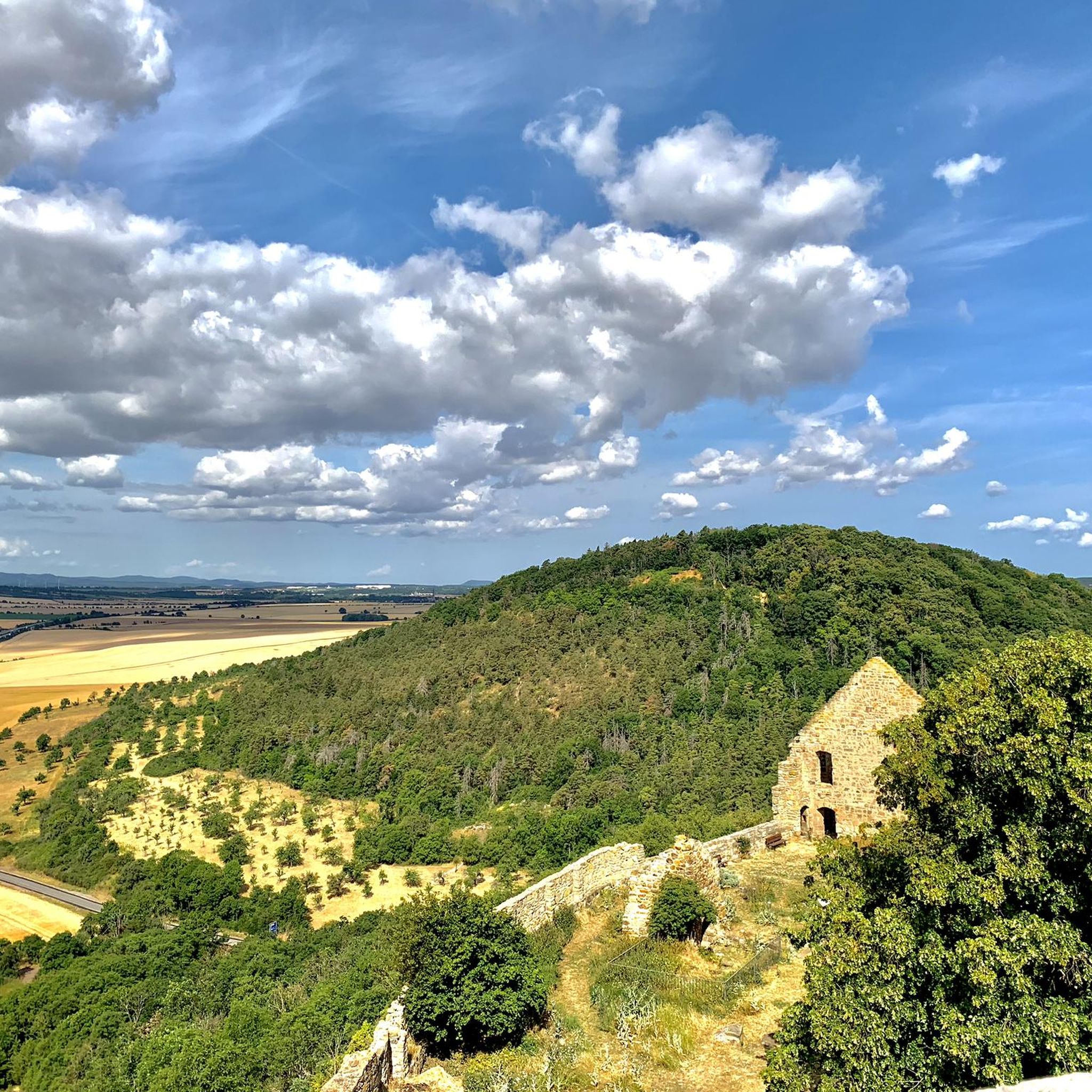
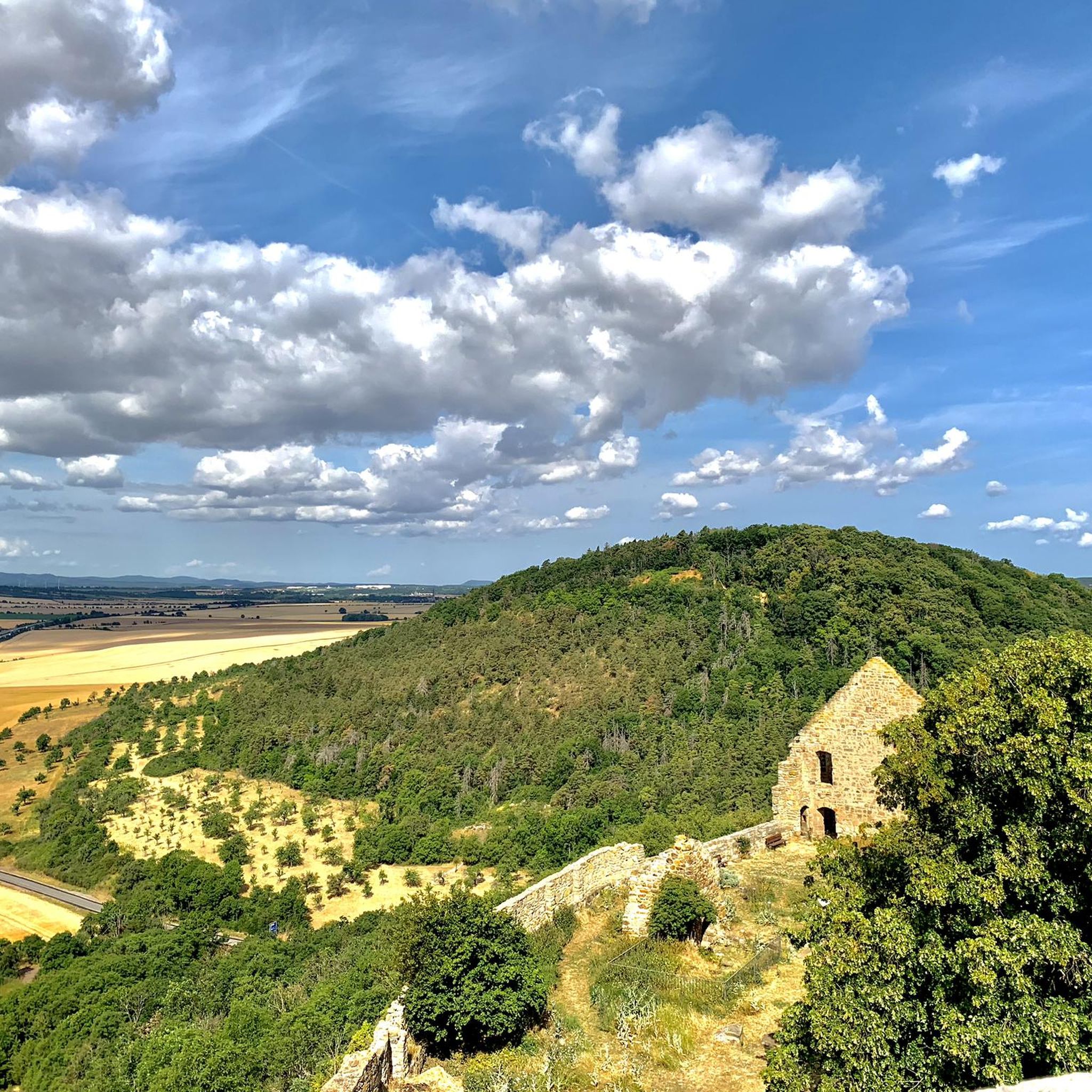
The castle complex, part of the "Drei Gleichen" (Three Gleichen) range, can be reached via the Schlossleite (castle ladder), among other routes. Once at the top, it offers a view over the charming village of Mühlberg.
40
2

Was pretty pimped up in the course of the Buga. Unfortunately, quite a lot of public traffic
1
0

The dominant structure of the fish market is the neo-Gothic town hall. It was built between 1869 and 1875 according to plans by August Thiede and Theodor Sommer on the same site as the old town hall. The historical wall and ceiling paintings inside the town hall are particularly impressive and interesting.
23
0

The Mühlburg is open from March to October: Daily from 10:00 a.m. to 4:00 p.m. Saturday/Sunday from 10:00 a.m. to 6:00 p.m. Admission is €2.50
20
1
This castle was still missing from all three of us .. & like all the others very impressive :)
18
1
ネッセ・アプフェルシュテットでのの人気ルート
ネッセ・アプフェルシュテットでのの人気観光スポット

komootモバイルアプリでインスピレーションを得よう


さらに探索
まだ探しているハイライトが見つかりませんか?他の地域のトップアトラクションのガイドを見てみましょう:
