アイヒシュテッテンの洞窟・トップ15
ハイキングの途中で偶然見つけた場合でも、ガイドブックに沿ってたどり着いた場合でも、いつも特別な体験をもたらしてくれる城。アイヒシュテッテンには訪れるべき 15
の美しい城があります。一覧から行きたい城を見つけて、次の冒険では歴史にも触れてみましょう。
最終更新日: 10月 9, 2026
ツァイル城の噴水
ハイライト • 記念碑
翻訳者 Google •
役立つ情報 は

ノイ・カルデン遺跡
ハイライト • 城
翻訳者 Google •
役立つ情報 は

今すぐサインアップして、こんな場所を発見しよう
最高のシングルトラック、ピーク、その他のエキサイティングなアウトドアスポットのおすすめを受け取ろう。
ホーエス城(バート・グレーネンバッハ)
ハイライト • 城
翻訳者 Google •
役立つ情報 は

ラウトラッハ城
ハイライト • 城
翻訳者 Google •
役立つ情報 は

Kreislehrgarten Bad Grönenbach
ハイライト • 自然
Source: Wikipedia
翻訳者 Google •
役立つ情報 は

無料でサインアップして、さらに多くの城を発見しましょう アイヒシュテッテンでの。
すでにアカウントをお持ちですか?
無料アカウントで今日から始めよう
次の冒険が待っています。
コミュニティからのヒント


The castle in the municipality of Lautrach, in the Swabian district of Unterallgäu, has a long history: It was built in 1781 by the Prince Abbot of Kempten, Honorius Roth von Schreckenstein. Initially, it served as a provost's residence and hunting lodge, then as a boarding school for the daughters of the upper classes, and since 1923, it has been a meeting place for scholars and artists. In 1989, it was converted into a conference center and hotel.
0
0


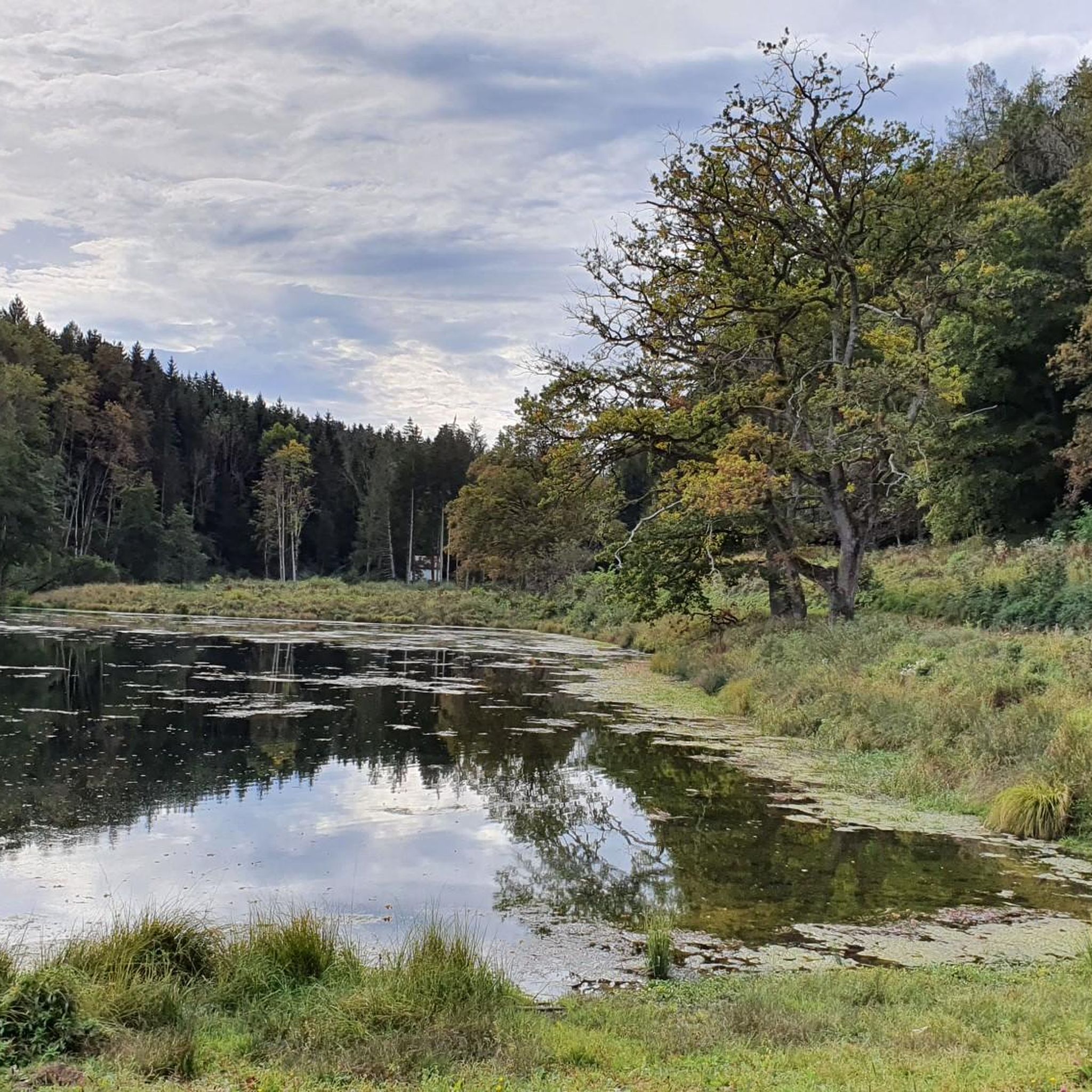
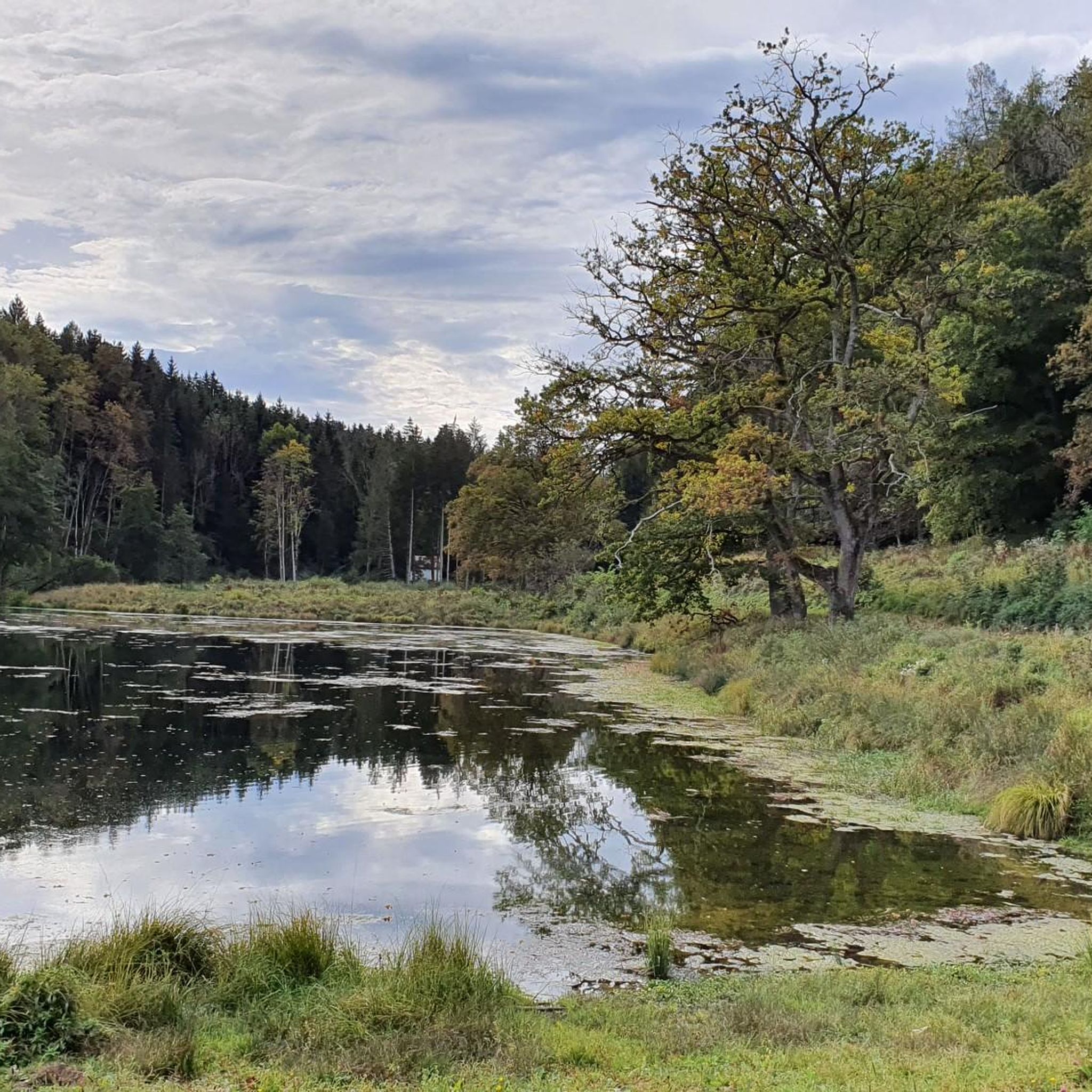
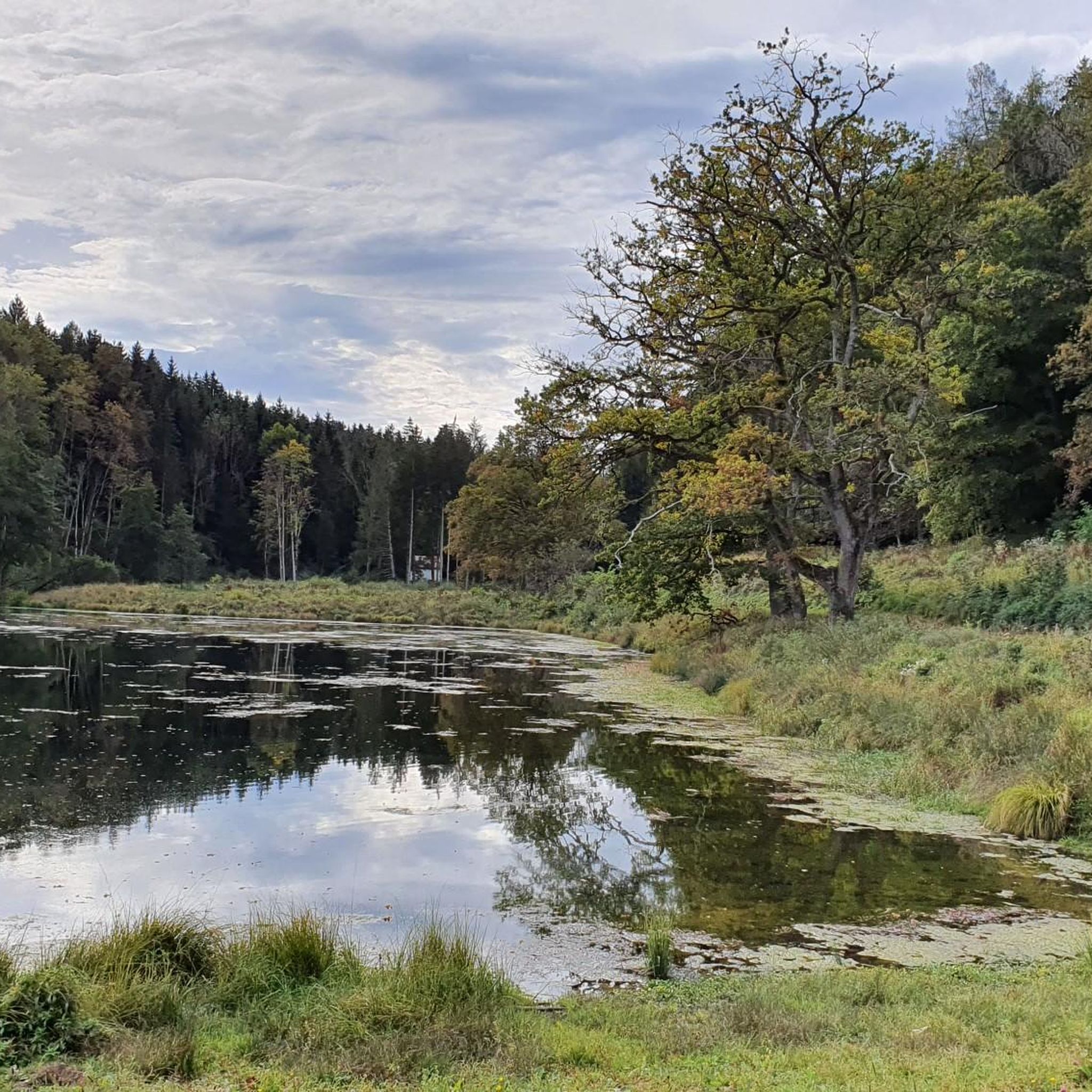
A beautiful structure made of hornbeam. Here is a wickerwork arbor with benches that invite you to linger. There's also a small information board.
0
0
Crucifix in the educational garden on the Schlossberg in Bad Grönenbach.
1
0
Sculpture of a priest on a pedestal, covered here in the district teaching garden on the Schlossberg.
0
0

May 2024: The High Castle has new owners after more than 25 years. A symbolic groundbreaking ceremony has now taken place to mark the start of the renovation of the castle and its ring iron house. The plan is to convert it into a hotel, and the actual work is expected to begin in the summer. Bernd Jäger, the project's developer and managing partner of JaKo Baudenkmalpflege GmbH, looked back on the roughly thousand-year history of the High Castle. "A building remains and outlasts many human lives," Jäger pointed out. The High Castle has had changing uses and well-known residents such as the Pappenheimers, the Fuggers or the Prince Abbots of Kempten. People have served the building sustainably and it should stay that way. The 77-year-old developer Wolfgang Scheidtweiler, managing director of the Private Castle Hotel Collection, and his team have a lot of experience in the renovation and conversion of castles. The Private Castle Hotel Collection includes 14 hotels from the Eifel to Lake Constance. "It will be a very beautiful 4-star-plus hotel. The special thing and the experience will be the castle," announced Scheidtweiler for Bad Grönenbach, while emphasizing: "It will remain your living room, the High Castle will remain accessible to everyone." The district educational garden that surrounds the castle will also continue to exist. In the coming years, the Ringeisenhaus in particular will be transformed into a hotel, but "it will still take some time before the first guest arrives," said Kerler. Source: https://www.lokale-mm.de/news/ein-wahrzeichen-in-neuen-handen/
1
0
The High Castle is visible from afar on a high and steep mountain spur on the western edge of the Kneipp spa town of Bad Grönenbach. Bad Grönenbach's landmark welcomes visitors from afar and is a cultural site of exceptional quality. It was built on the site of a prehistoric refuge castle around a conglomerate rock, and was even partially hewn out of the rock. The remains of the original rock face can still be seen up to the first floor. The stone that was chipped off was used as building material. It is not known exactly when the castle was built. However, Heinrich Ludwig von Rothenstein probably built the oldest part of the current castle, the northern part of the main body, around 1280. After secularization, a royal Bavarian regional court moved into the castle in 1803, after the entire inventory had been sold and auctioned. After the regional court moved to Memmingen, the castle was acquired by the Hessian court photographer Wilhelm Cronenberg in 1881. He built a - not very successful - "Phototechnical Training Institute" there. In 1901, Dominikus Ringeisen, the founder of the Ursberg Institutions, acquired the run-down castle. In addition to the interior renovation, the Ursberg Sisters also carried out extensive exterior renovations between 1947 and 1951. The "Ringeisenhaus" next door was converted into a school and care home in 1926 and housed a special school until 1977. After that, it served as a home for disabled adults. The front part of the "Ringeisenhaus" used to house a brewery, which was converted into a chapel in 1939 and inaugurated in December 1941. The so-called castle chapel still exists today. Source: https://www.bad-groenenbach.de/kultur-sehenswertes/sehenswertes/hohesschlossschlosskapelle.html
1
0
アイヒシュテッテンでのの人気観光スポット

komootモバイルアプリでインスピレーションを得よう


さらに探索
他の場所で最高の城を探していますか?他のガイドを発見しましょうアイヒシュテッテンでの:
