バートラウッフシュテットの洞窟・トップ20
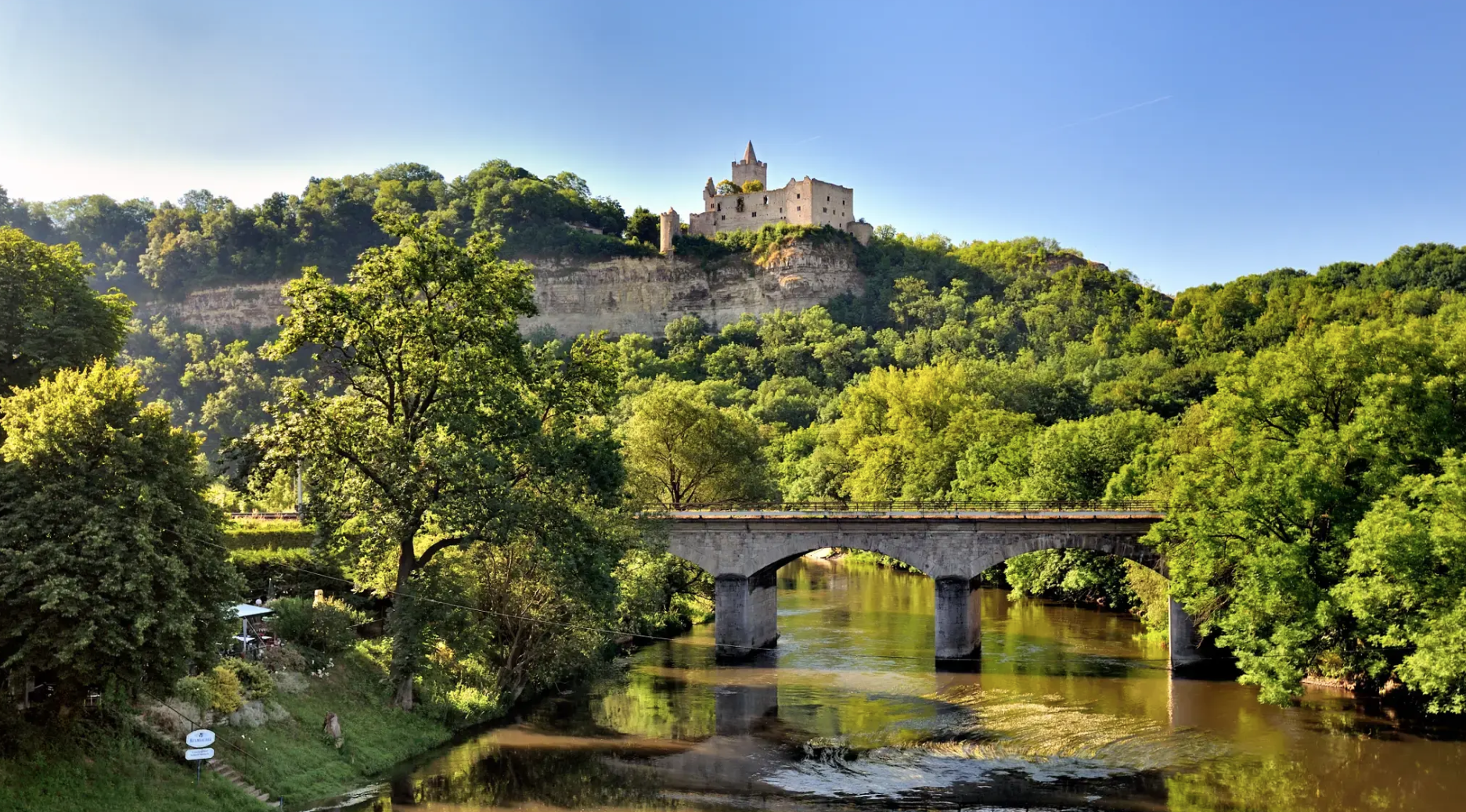
バート・ラウホシュテット周辺の最高の城は、歴史的重要性で知られる地域にあります。この町には、中世の堀のある城からルネッサンス様式の宮殿へと発展したシュロス・バート・ラウホシュテットがあります。この地域は、歴史的建造物と自然景観が融合しており、訪問者にとってさまざまな見どころを提供しています。ゲーテ劇場やクアパークのような場所は、町のアイデンティティである「ゲーテシュタット・バート・ラウホシュテット」をさらに定義づけており、その歴史的構造と密接に結びついています。
バート・ラウホシュテット周辺の最高の城
- 最も人気のあるハイライトは、より大きな城の複合体の一部である宗教的建造物、メルゼブルク大聖堂です。訪問者はその中庭を探索し、印象的な建築を鑑賞することができます。
- もう一つの必見スポットは、城の複合体であるモーリッツブルク美術館ハレ(ザーレ)です。1484年から1503年の間に建てられたこの後期ゴシック様式の建造物は、現在美術館となっており、その各部分を説明する情報ボードが設置されています。
- 訪問者は、城の公園がある歴史的な場所、ディスカウ宮殿公園も気に入っています。イングランド風の景観公園と15世紀にさかのぼる城があります。
- バート・ラウホシュテットは、城の複合体に統合されていることが多い歴史的な城、宮殿の庭園、宗教的建造物で知られています。この地域には、見たり探索したりできるさまざまな歴史的場所があります。
- バート・ラウホシュテット周辺の城は、komootコミュニティによって高く評価されており、970件以上の「いいね!」と、訪問者によって共有された1100枚以上の写真があります。
最終更新日: 8月 29, 2026
メルゼブルク大聖堂
ハイライト • 宗教的な場所
翻訳者 Google •
役立つ情報 は

ノイマルクト橋(ワーテルロー橋)、メルゼブルク
ハイライト • 橋
翻訳者 Google •
役立つ情報 は

今すぐサインアップして、こんな場所を発見しよう
最高のシングルトラック、ピーク、その他のエキサイティングなアウトドアスポットのおすすめを受け取ろう。
無料新規登録
ディースカウ宮殿公園
ハイライト • 歴史的な場所
翻訳者 Google •
役立つ情報 は

メルゼブルク城庭園
ハイライト • 歴史的な場所
翻訳者 Google •
役立つ情報 は
Schlosspark
ハイライト • 構造物
翻訳者 Google •
役立つ情報 は

無料でサインアップして、さらに多くの城を発見しましょう バートラウッフシュテットでの。
無料新規登録
すでにアカウントをお持ちですか?

コミュニティからのヒント

The castle garden and the castle garden salon are part of the historic castle ensemble. The castle garden was created in 1661 as a baroque pleasure garden. Today it is one of the 50 selected, historically most significant gardens in the "Garden Dreams" tourist network. The obelisks erected around 1690 are dedicated to the first ducal couples. The castle garden, which has been completely renovated with disabled access and made more attractive, is open all year round free of charge and offers peace and relaxation as the green heart in the middle of the city. Source:https://www.merseburg.de/de/touristische-ziele-merseburg/schlossgarten-und-schlossgartensalon.html
3
0

The old imperial cathedral in Merseburg is not only an outstanding place of German history, but also filled with numerous art objects worth seeing. The Langhans organ with well over 5000 pipes is another highlight.
11
3

The two-storey building was built in 1727 according to plans by Johann Michael Hoppenhaupt in the Baroque style by order of Duke Moritz Wilhelm von Sachsen-Merseburg and was intended to serve as a ballroom for garden parties. The building was completed between 1731 and 1735. The facade of the palace garden salon, which was built on a rectangular ground plan, has 13 axes and is oriented to the south towards the palace garden. Three axes each on the east and west sides protrude from the building as side projections. (Wikipedia)
16
3
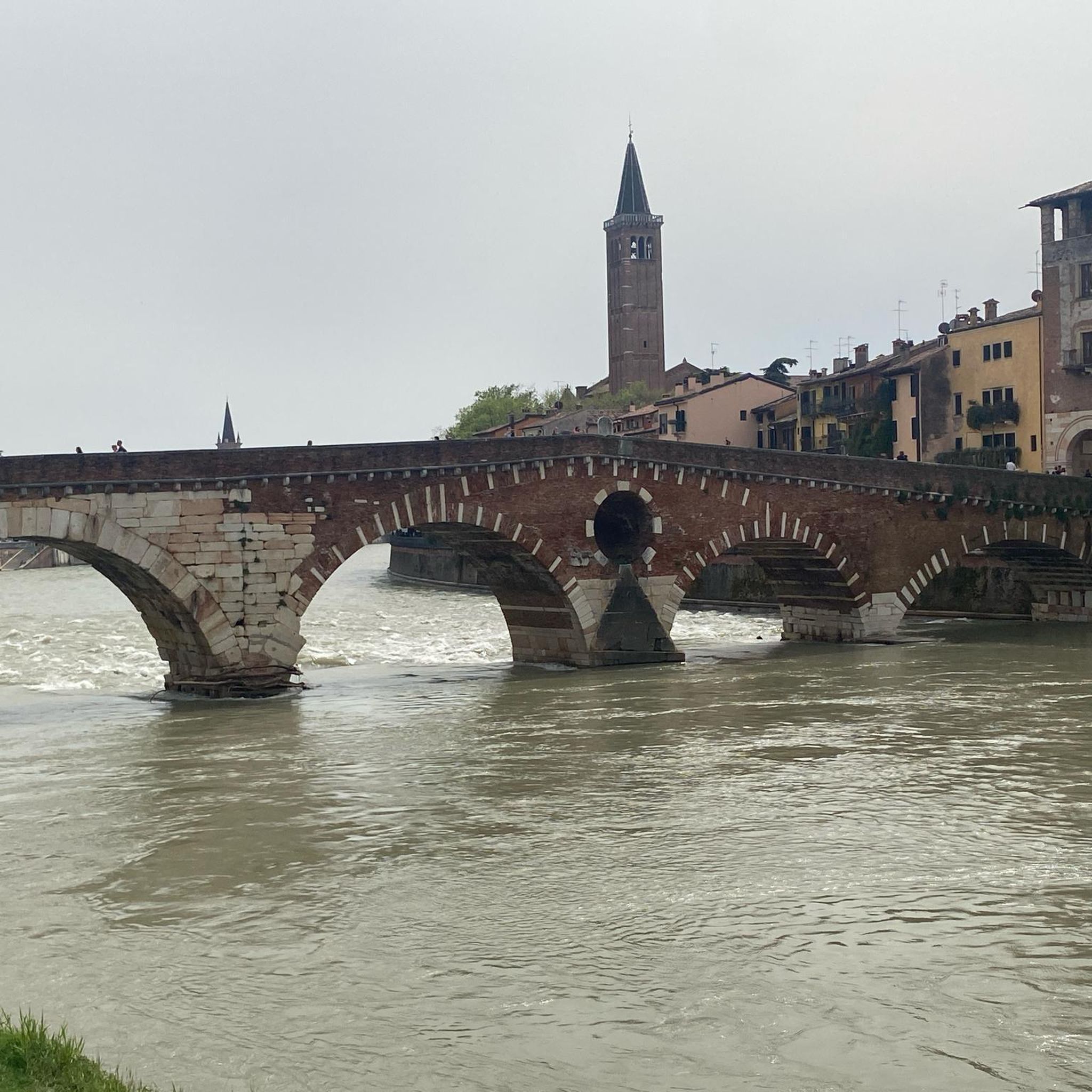
There is a commemorative plaque on the west side of the bridge that commemorates a special event. King Friedrich Wilhelm III is said to be on the bridge. received the news of the Battle of Waterloo and the victory over Napoleon in the presence of Princes Friedrich Wilhelm IV and Wilhelm I. The news was brought by Colonel Adolf Eduard von Thile.[2] The commemorative plaque was erected when the bridge was renamed Waterloo Bridge in 1891. After the Second World War, the commemorative plaque disappeared; but it was reattached in 1999. Source: Wikipedia
14
0
REGULAR OPENING HOURS Opening hours: April to October Monday to Saturday: 9:00 a.m. – 6:00 p.m. Sunday, public holidays: 11:00 a.m. – 6:00 p.m. November to March Monday to Saturday: 10:00 a.m. – 4:00 p.m. Sunday, public holidays: 12:00 p.m. – 4:00 p.m. December 24: 9:00 a.m. – 12:00 p.m. December 31: 9:00 a.m. – 2:00 p.m.
17
3

The Way of St. James goes over this bridge
3
0
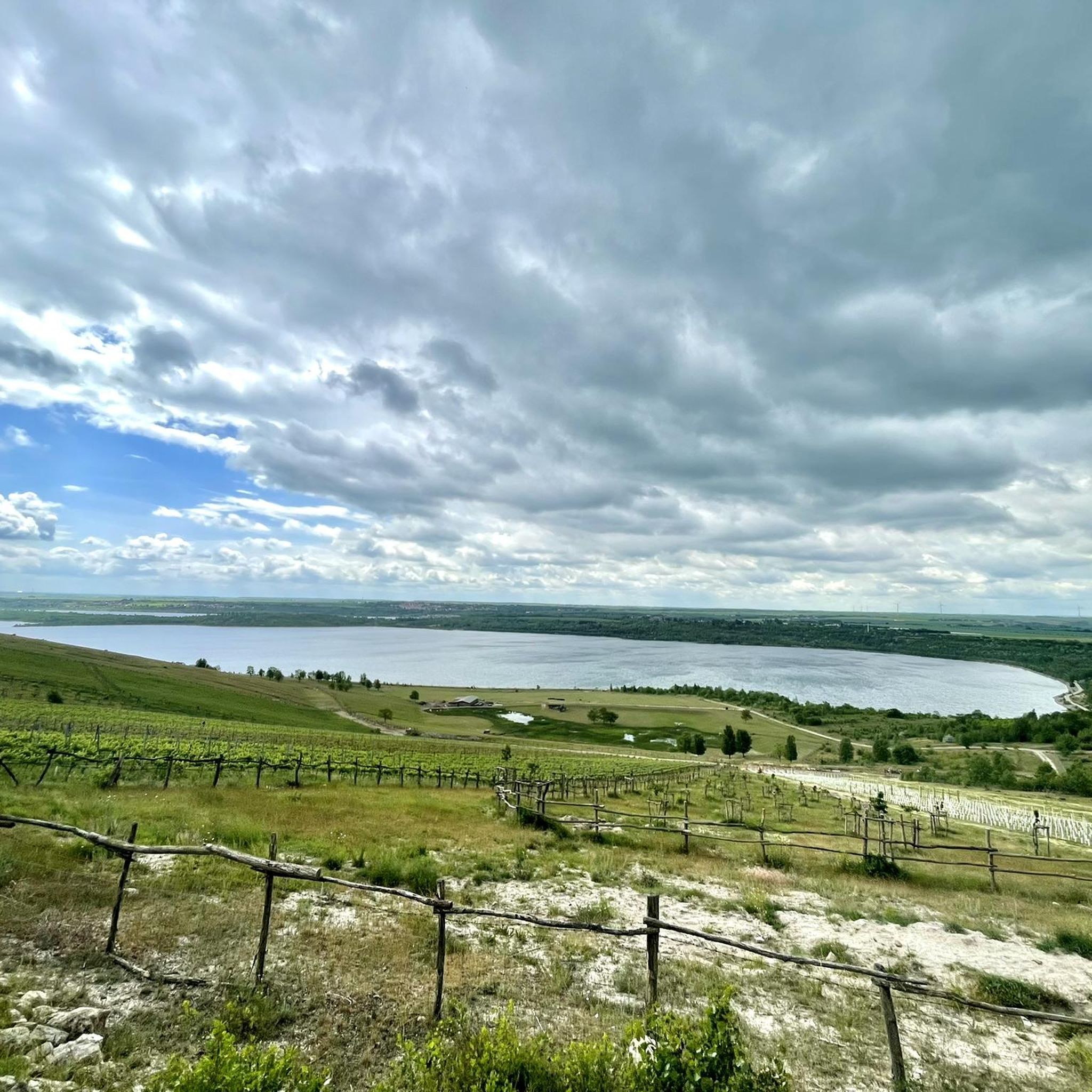
After the establishment of the ducal line of Saxony-Merseburg through the so-called Wettin division of inheritance in 1656, the castle garden was transformed from a vegetable garden into a pleasure park. Bounded to the south by the imposing palace complex, Duke Moritz Wilhelm (1688 - 1731) had a two-storey theater hall flanked by two orangeries built. Johann Michael Hoppenhaupt (1685 - 1751) was commissioned as master builder, who left important testimonies in Merseburg as a sculptor to the Princely Saxon court and master builder to the Princely Saxon court. The pavilion built between 1727 and 1730 served the Merseburg dukes as a summer venue. Even Neuberin is said to have performed here. Hoppenhaupt decorated the arcade arches with Greek mythological statues, which have not been preserved. In 1816 Merseburg became the capital of the administrative district of the same name in the Prussian province of Saxony. From 1825 the Provincial Estates Day met for the first time in the palace garden salon. During an inspection trip in 1833, Karl Friedrich Schinkel, head of the Prussian Oberbaudeputation, had to discover serious defects in the building, which is why it was even threatened with demolition. Frederick William III. personally decided in 1834 to repair it. Until the construction of the Merseburg Estates House in 1895, the palace garden salon remained a meeting place. Since then, the Schlossgartensalon has been used by the citizens of Merseburg as a concert and theater venue, even though it had to serve as a military hospital at the end of World War I. Important artists who made guest appearances here included: Johannes Brahms with musicians from the Meininger Hofkapelle (1895) and the Merseburg soprano Elisabeth Schumann (1888 - 1952). Today's palace garden salon, restored in 1995, lacks the western orangery, which was destroyed during Allied air raids in 1944. Nevertheless, the princely building in the ensemble of the palace and its moat, the estate house, the baroque residences and the high bank of the Saale forms a dreamlike conclusion to the palace garden. Source: https://www.merseburg-staendehaus.de/?id=166051000496
10
3
バートラウッフシュテットでのの人気観光スポット

komootモバイルアプリでインスピレーションを得よう


さらに探索
他の場所で最高の城を探していますか?他のガイドを発見しましょうバートラウッフシュテットでの:
