バート・ベルネック・イム・フィヒテルゲビルジの洞窟・トップ20
ハイキングの途中で偶然見つけた場合でも、ガイドブックに沿ってたどり着いた場合でも、いつも特別な体験をもたらしてくれる城。バート・ベルネック・イム・フィヒテルゲビルジには訪れるべき 20
の美しい城があります。一覧から行きたい城を見つけて、次の冒険では歴史にも触れてみましょう。
最終更新日: 8月 30, 2026
🏛️ ホーエンベルネック城跡
ハイライト • 城
翻訳者 Google •
役立つ情報 は

新宮殿(バイロイト・エルミタージュ)
ハイライト • 城
翻訳者 Google •
役立つ情報 は

今すぐサインアップして、こんな場所を発見しよう
最高のシングルトラック、ピーク、その他のエキサイティングなアウトドアスポットのおすすめを受け取ろう。
無料新規登録
バイロイトの新宮殿
ハイライト • 城
翻訳者 Google •
役立つ情報 は

バイロイトのアルテス・シュロスとエーレンホフ
ハイライト • 城
翻訳者 Google •
役立つ情報 は

🏛️ バート・ベルネック城の塔
ハイライト • 城
翻訳者 Google •
役立つ情報 は

無料でサインアップして、さらに多くの城を発見しましょう バート・ベルネック・イム・フィヒテルゲビルジでの。
無料新規登録
すでにアカウントをお持ちですか?
無料アカウントで今日から始めよう
次の冒険が待っています。
ログインまたは登録
バート・ベルネック・イム・フィヒテルゲビルジ周辺で人気
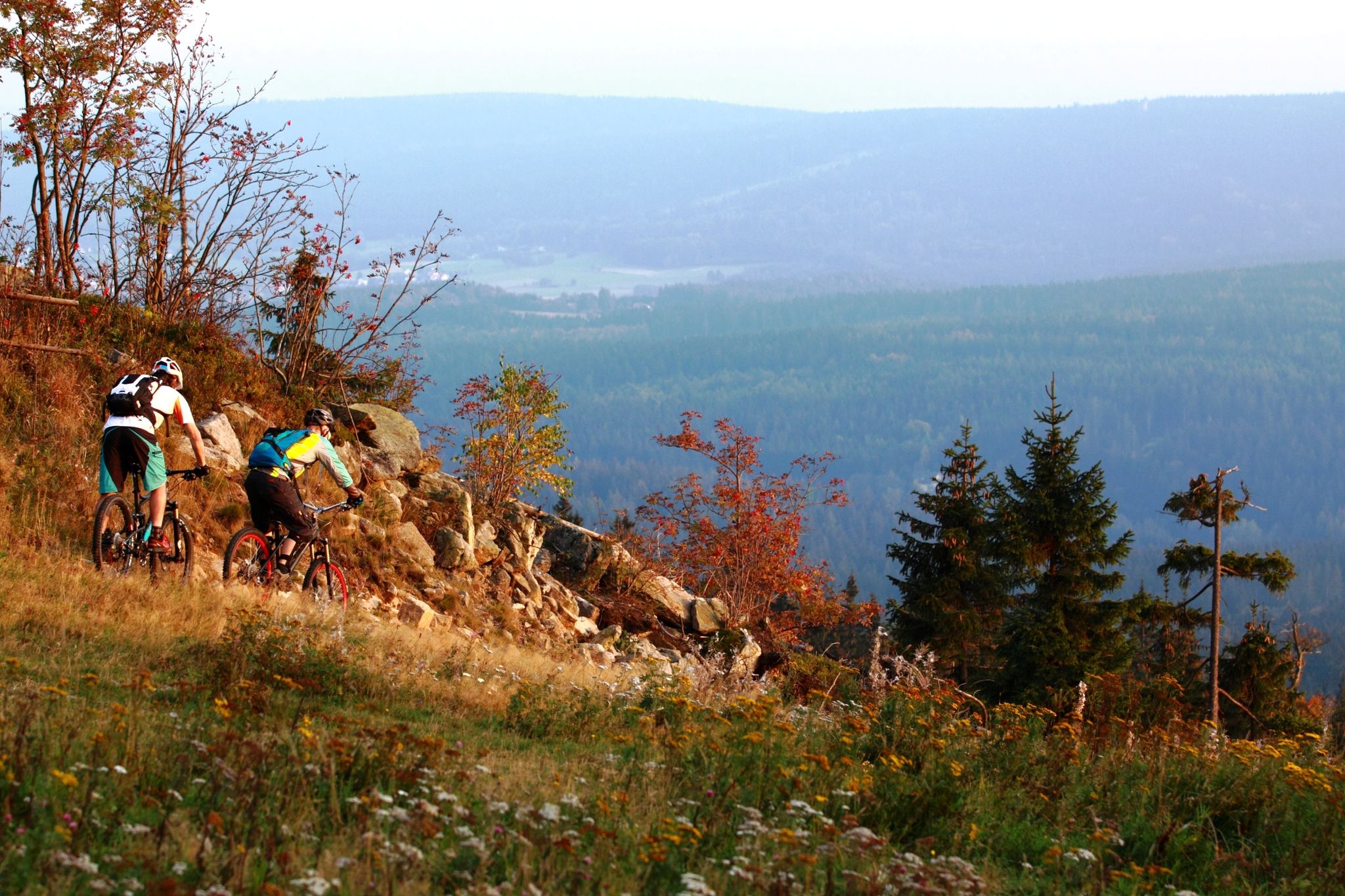
水、岩とトレイル - フィヒテル山でマウンテンバイク
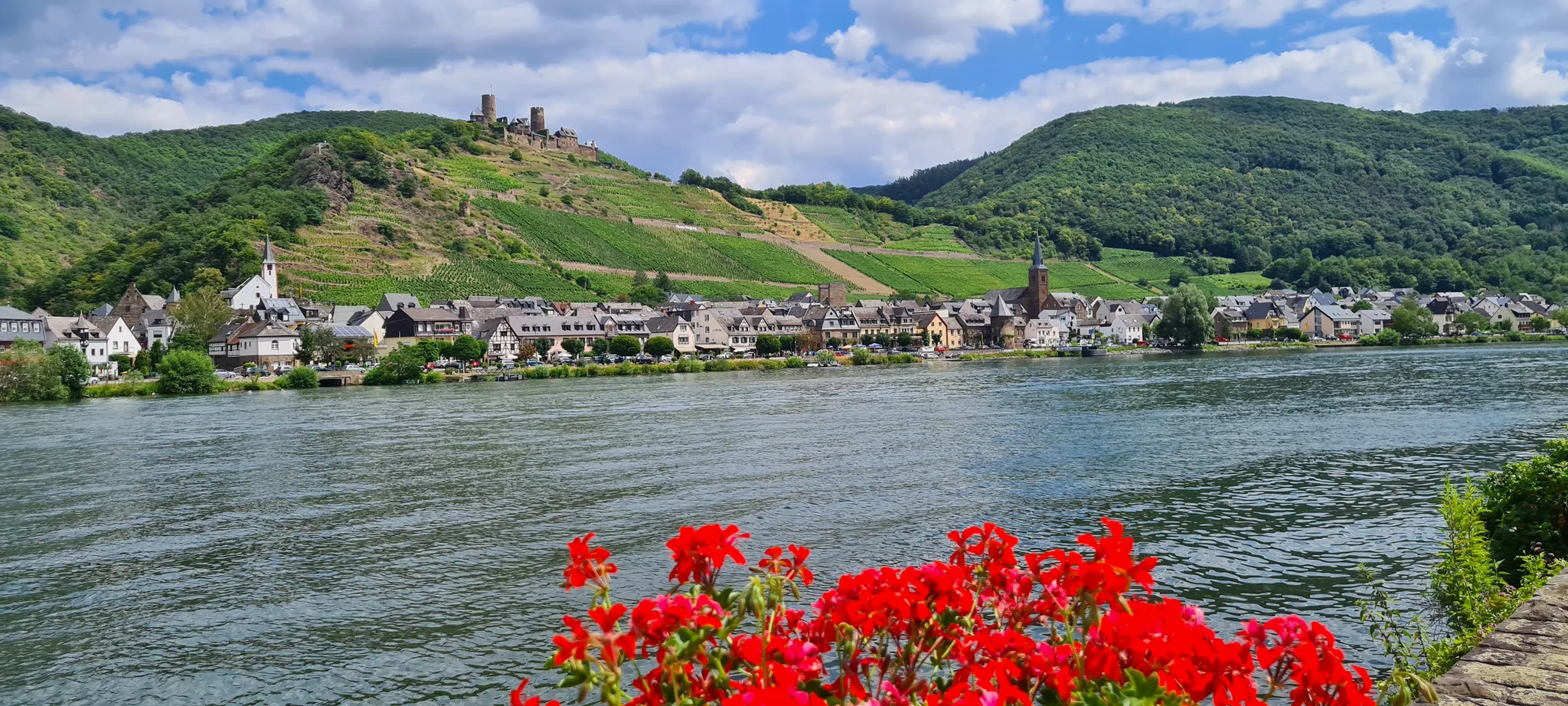
D-Route 5: Saar-Moselle-Main
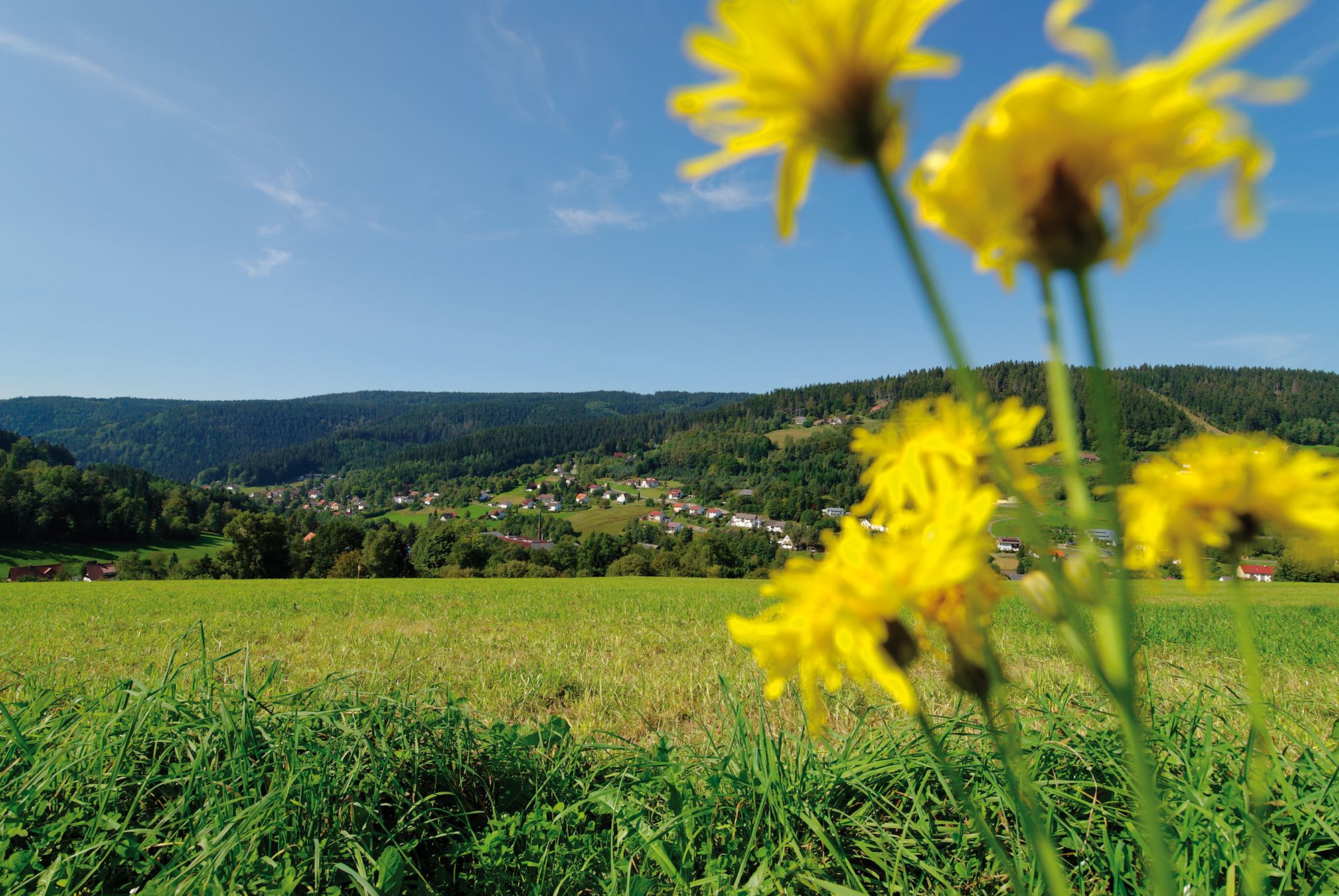
Discover the diverse Fichtel Mountains in Germany – 10 day hikes
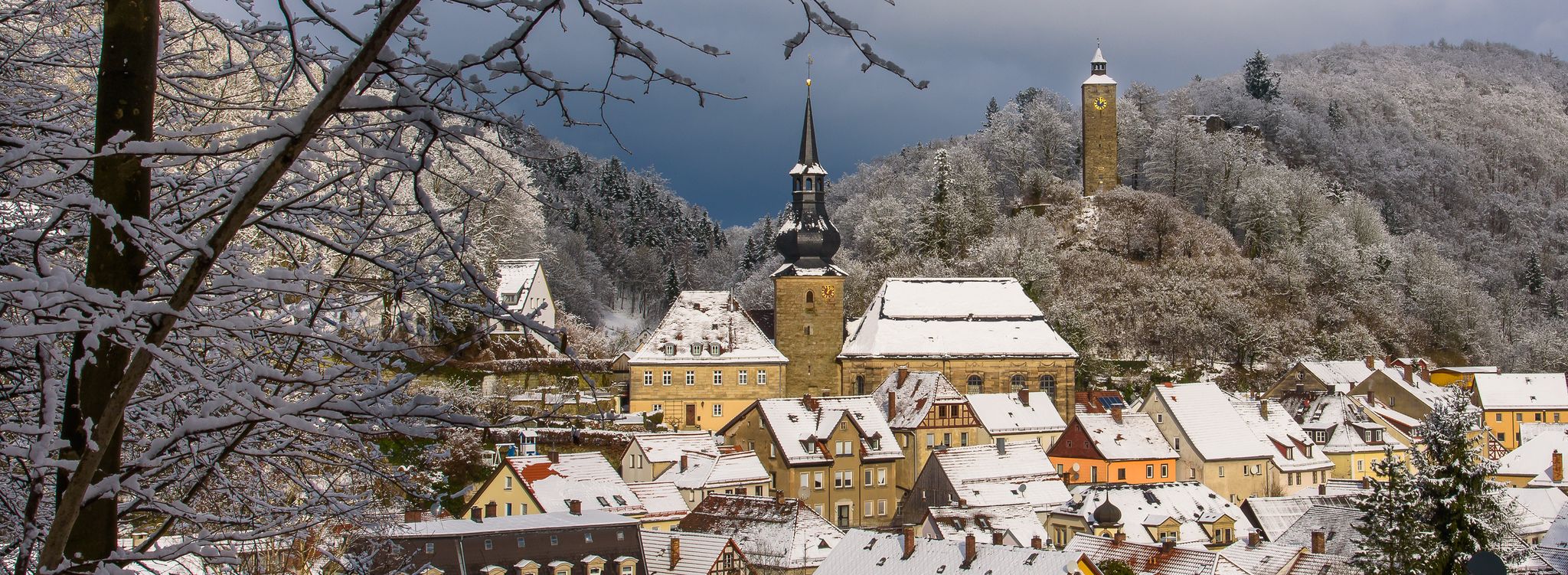
Get out into the fresh Nuremberg air – winter walks with VGN leisure tips
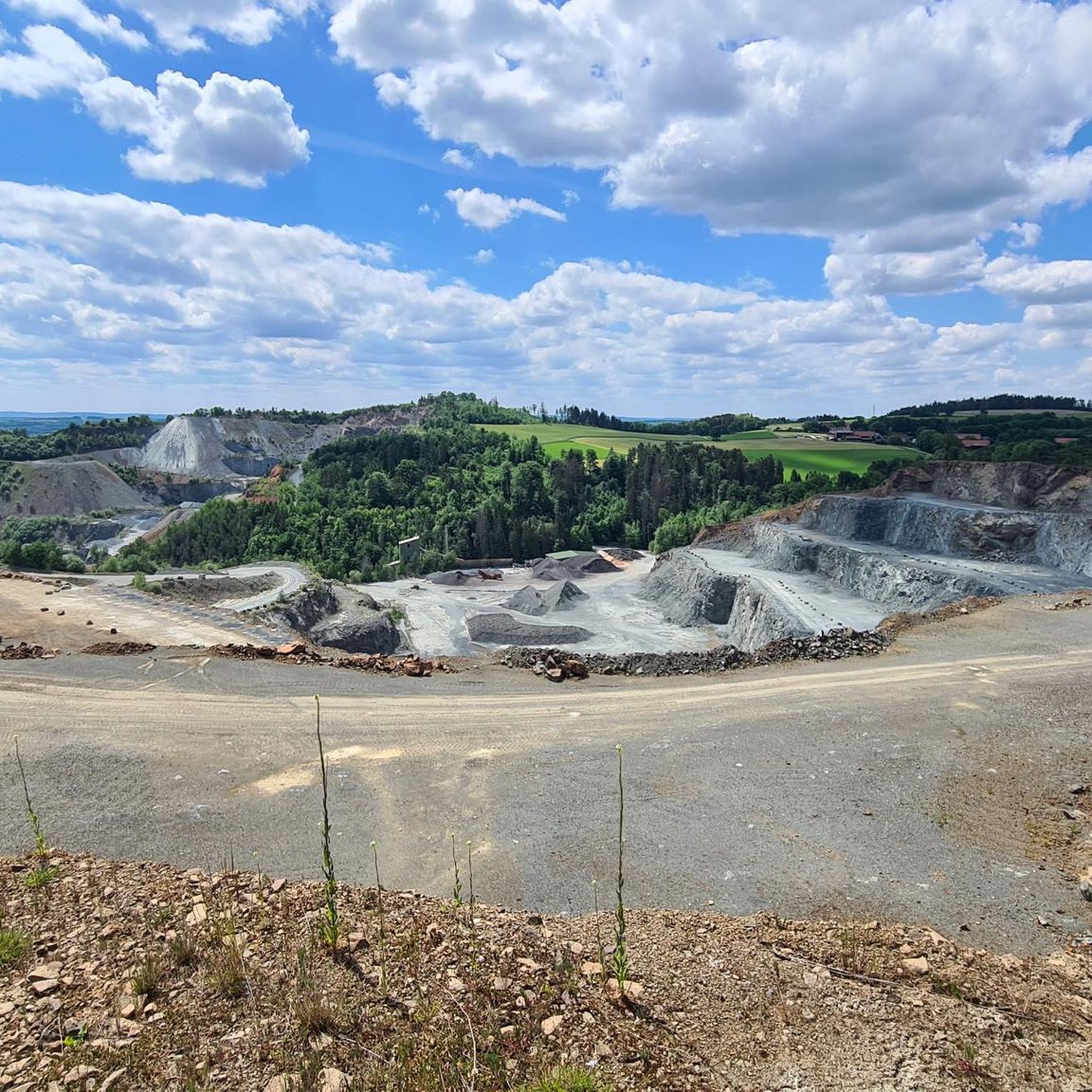
バート・ベルネック・イム・フィヒテルゲビルジでのハイキング
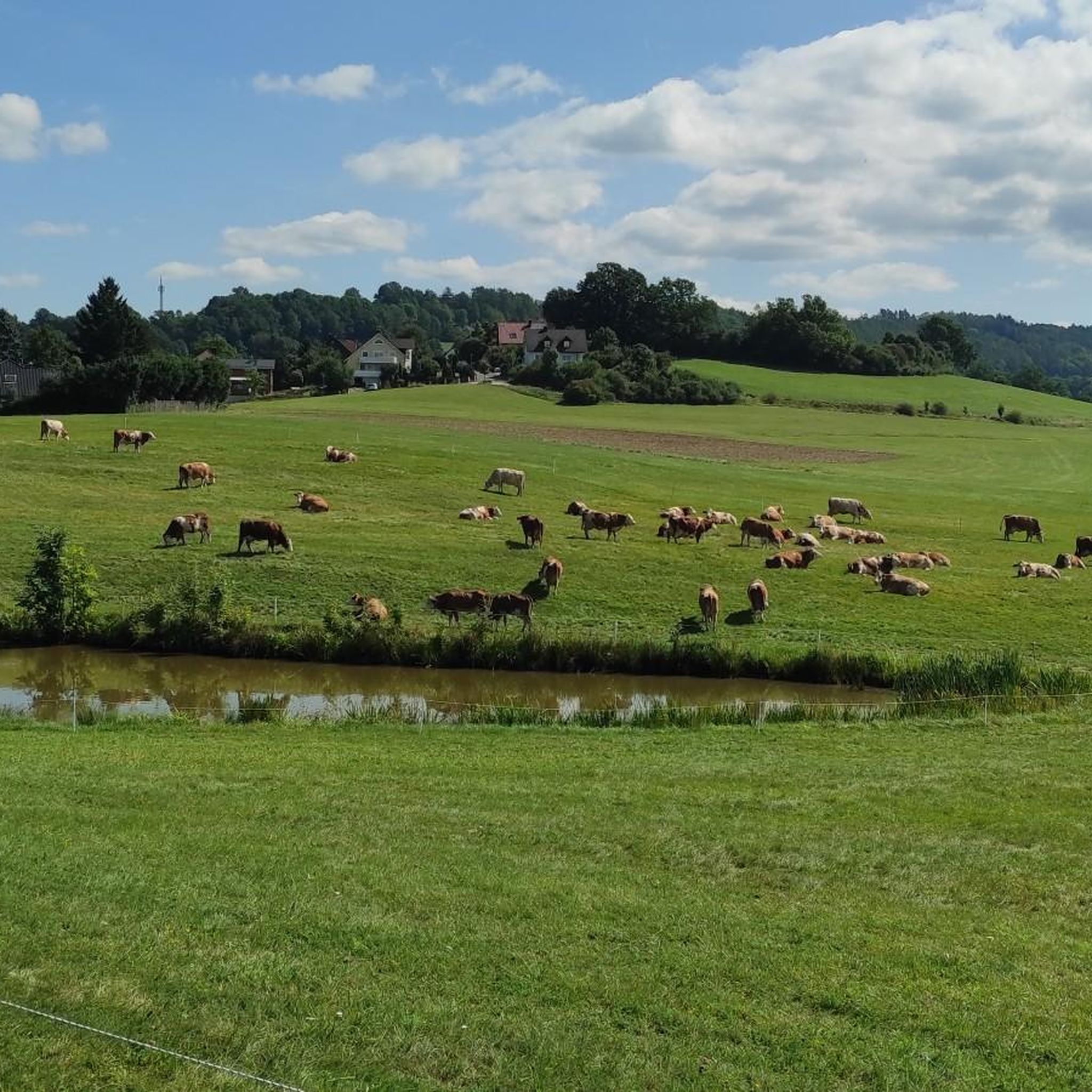
バート・ベルネック・イム・フィヒテルゲビルジでのサイクリング
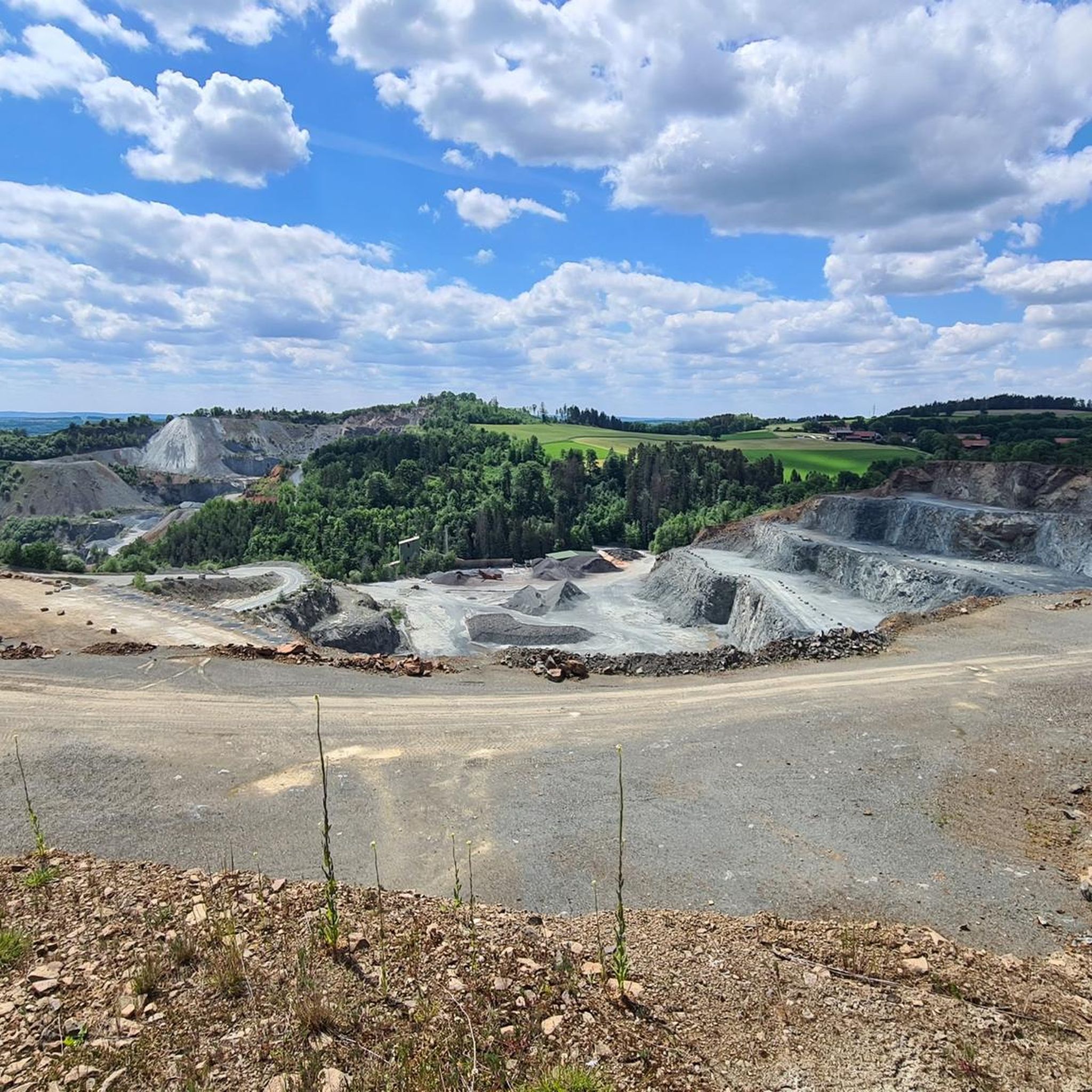
バート・ベルネック・イム・フィヒテルゲビルジのMTBトレイル
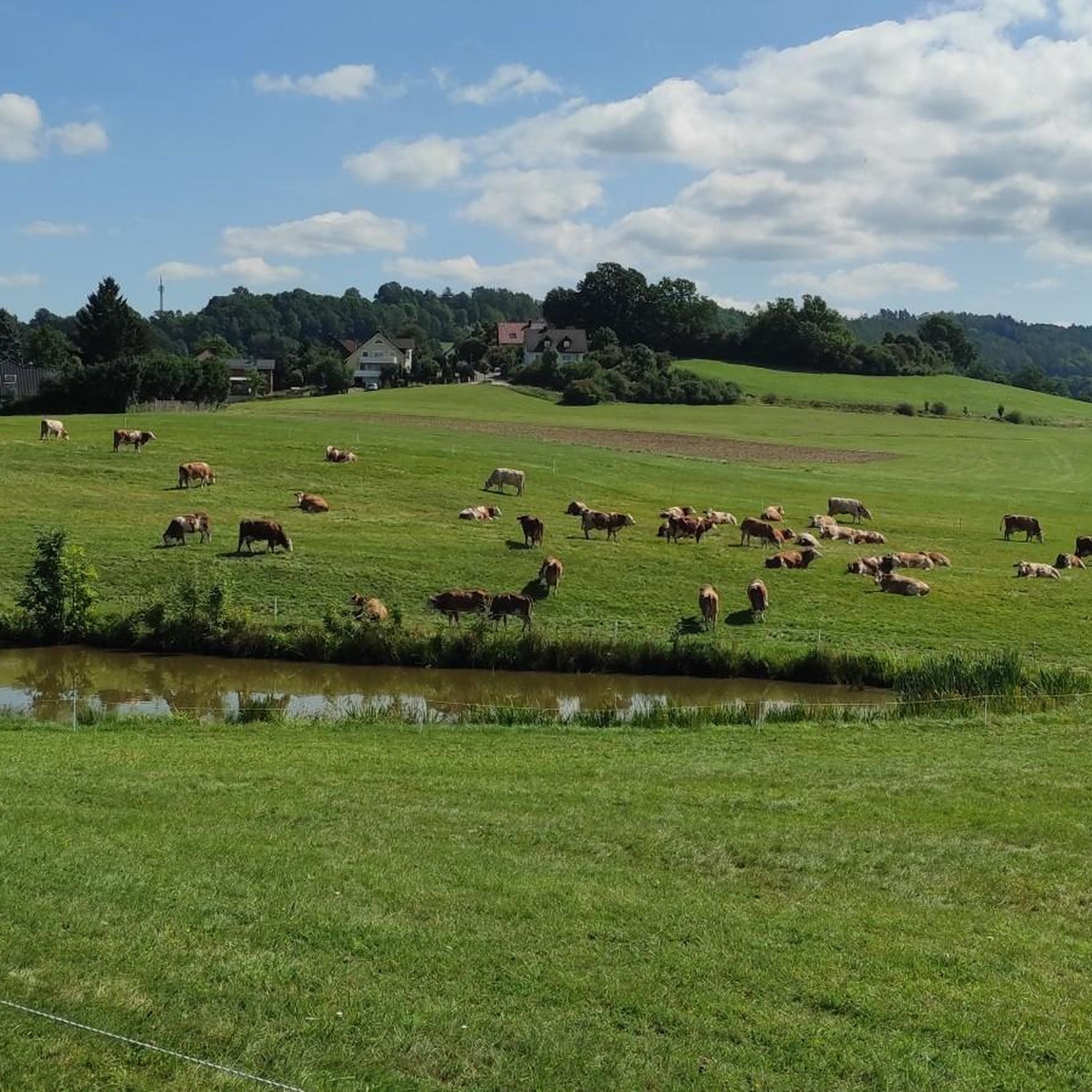
バート・ベルネック・イム・フィヒテルゲビルジのランニングコース
バート・ベルネック・イム・フィヒテルゲビルジのロードバイクルート

バート・ベルネック・イム・フィヒテルゲビルジでののグラベルライド
バート・ベルネック・イム・フィヒテルゲビルジでのの他の冒険


コミュニティからのヒント

ゴシック後期の遺跡は、温泉公園を見下ろす急な岩の尾根の上にあります。主塔の保存状態の良い壁や塔に加えて、隣接する聖マリア礼拝堂と、バート・ベルネックの街並みを見下ろす素晴らしい景色も一見の価値があります。
11
0
標高442メートルのシュロスベルクには、バート・ベルネックのランドマークである、13世紀第2四半期に建てられた旧城の城塔が建っています。 1248年に初めて文書で言及された旧城は、1338年からニュルンベルク城伯に属し、彼らの官庁城として機能していました。1430年には、おそらくフス戦争中に城の一部が破壊されました。再建の際、城は外郭と台所が増築されました。1536年頃から維持管理が行われなくなりました。城は荒廃し、街の「石切り場」として利用されました。 ロマン主義時代に城は再発見され、当時の流行に合わせて1818年に塔は1階増築され、当時解体された市庁舎の鐘がその上に載せられた屋根に新たな住処を見つけました。 塔の入り口の上にある記念碑は、1905年6月20日のバイエルン王子であり後の国王であるルートヴィヒの訪問を記念しています。
12
0

Castle tower with castle ruins opposite the Trinity Church
3
0

An impressive building. Napoleon is said to have cursed it. He apparently saw a ghost in the night.
6
1
"Ce maudit château!" - "This cursed castle!" is what Napoleon Bonaparte is said to have said in horror after he spent the night of May 15-16, 1812 in the New Palace. The ghost of the "White Lady of Himmelkron" had appeared to him there. It is also possible that the castellan had played a joke on the Emperor of the French. Relevant items such as chains, rattles and a white robe were later found in his estate.
21
1
For around six centuries it has been one of the festival city's landmarks: the Old Palace with its courtyard in the historic city center of Bayreuth on Maximilianstrasse. Until the middle of the 18th century it served as the residence of the Margraves of Brandenburg-Bayreuth. Today the building is the seat of the tax office.
14
2

A fire destroyed the residence in January 1753,[1] whereupon on behalf of Frederick III. (Margrave 1735–1763) and his wife Wilhelmine built the New Palace with an attached courtyard garden on Ludwigstrasse.[2] Apparently the Margrave had forgotten to put out a candle when he left a painting cabinet after 8 p.m. The fire spread in no time; Since only primitive syringes were available and the extinguishing water froze quickly, he finally brought in artillery and created a breach between the area of the castle that was on fire and the still intact western part. That night, the older castle area with tower and chapel, which formed a closed square, was destroyed by flames. The former main hall, which had been used for musical theater, opera and ballet since the early 17th century, as well as the ceiling painting there by Johann Oswald Harms, were also lost. The template for this ceiling painting, signed “1684” by Harms, is in the Herzog Anton Ulrich Museum in Braunschweig.[15][16] While Friedrich lost almost all of his personal belongings, Wilhelmine was able to have most of her most valuable furniture, books, sheet music and instruments brought to safety.
6
0
The “Italian Building” was built after 1759 for the Margrave's second wife, Sophie Caroline Marie of Braunschweig-Wolfenbüttel, as a stand-alone building south of the castle and only later structurally connected to the New Palace through a connecting wing. The architect was Rudolf Heinrich Richter, who, unlike Saint-Pierre, allowed the formal splendor of the interior decoration created by Giovanni Battista Pedrozzi to spill over onto the outer walls. The young Carl von Gontard succeeded in uniting the two fundamentally different buildings using a discreetly projecting connecting link with a round balcony.[1] At the beginning of the 1990s, the facades of the Italian building were renovated and its courtyard area was redesigned To the north of the main building, across Glasenappweg, is the former kitchen building, a single, two-story house with a hipped roof. From 1867 to 1908 the secondary school for girls was housed there,[4] later the municipal auxiliary school. When it was founded on October 1, 1920, the municipal commercial school moved into the building that the Bavarian Crown Estate Administration had given it. Although the location was only approved as a temporary arrangement, the business school remained until 1938.[5] Today a shopping arcade leads through the building to Richard-Wagner-Straße. Source: Wikipedia
7
1
バート・ベルネック・イム・フィヒテルゲビルジでのの人気ルート
バート・ベルネック・イム・フィヒテルゲビルジでのの人気観光スポット

komootモバイルアプリでインスピレーションを得よう


さらに探索
他の場所で最高の城を探していますか?他のガイドを発見しましょうバート・ベルネック・イム・フィヒテルゲビルジでの:
