ペトローネルカルヌントゥムの洞窟・トップ20
ハイキングの途中で偶然見つけた場合でも、ガイドブックに沿ってたどり着いた場合でも、いつも特別な体験をもたらしてくれる城。ペトローネルカルヌントゥムには訪れるべき 20
の美しい城があります。一覧から行きたい城を見つけて、次の冒険では歴史にも触れてみましょう。
最終更新日: 9月 26, 2026
デヴィーン城
ハイライト • 城
翻訳者 Google •
役立つ情報 は

シュロス・ホーフ宮殿と庭園
ハイライト • 城
schlosshof.at
翻訳者 Google •
役立つ情報 は

今すぐサインアップして、こんな場所を発見しよう
最高のシングルトラック、ピーク、その他のエキサイティングなアウトドアスポットのおすすめを受け取ろう。
Röthelstein(ローテルシュタイン)城跡
ハイライト • 城
翻訳者 Google •
役立つ情報 は

マーチ門、Schloss Hof
ハイライト • 記念碑
翻訳者 Google •
役立つ情報 は

ハイメンブルク城跡(ハインブルク・シュロスベルク)
ハイライト (セグメント) • 城
The still imposing remains of the medieval Heimenburg am Schlossberg, built in 1050, are a popular destination. From the top you can enjoy a …
翻訳者 Google •
役立つ情報 は

無料でサインアップして、さらに多くの城を発見しましょう ペトローネルカルヌントゥムでの。
すでにアカウントをお持ちですか?



コミュニティからのヒント

お城や周辺の公園を訪れる時間がない場合でも、ここから裏側を垣間見ることができます!
0
0

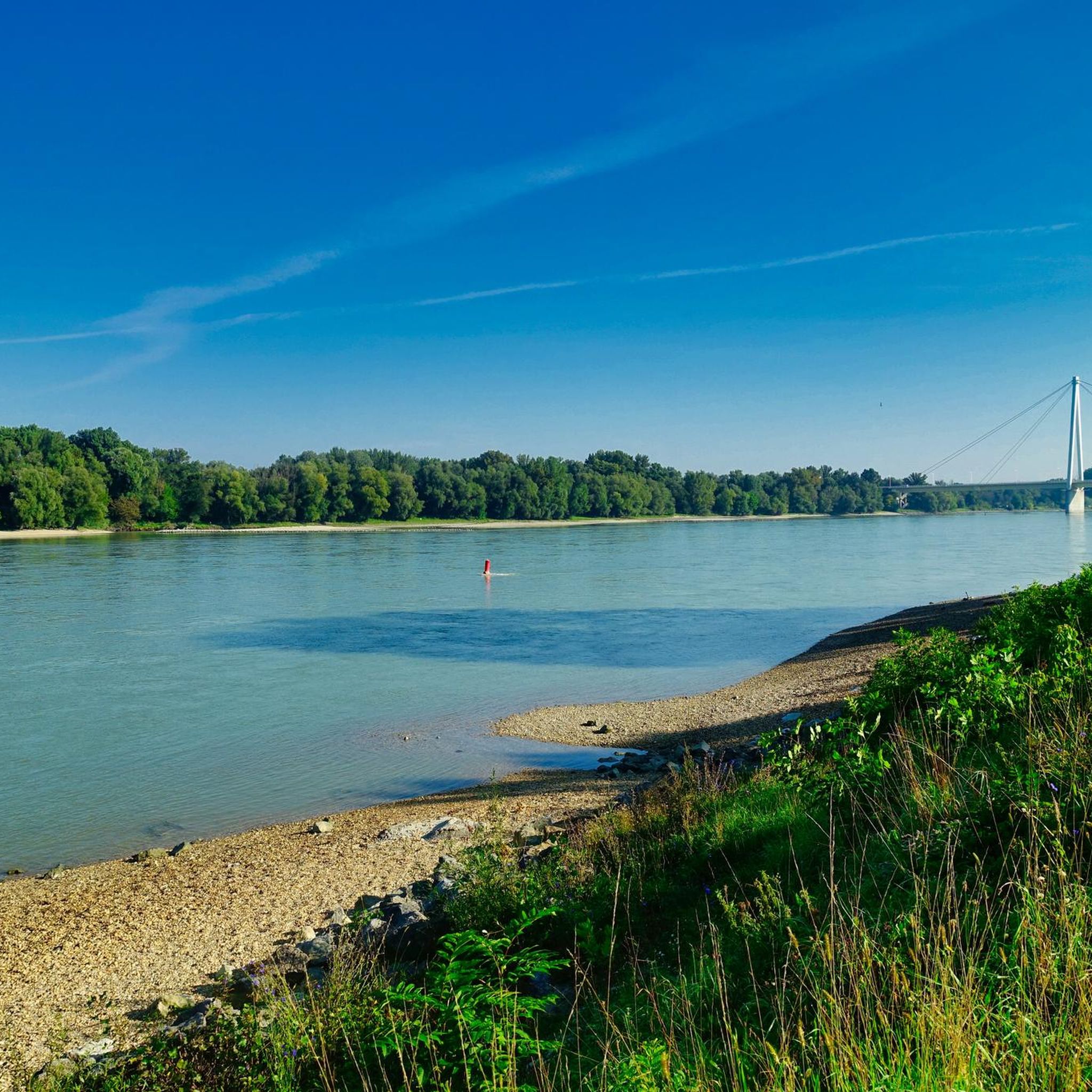
ハイムブルク城跡は、ハイムブルクのシュロスベルクの上にあり、オーストリアで最も古い城塞の一つで、ほぼ千年の歴史を誇ります。残された城壁の間からは、かつての要塞の重要性をよくうかがい知ることができます。さらに、その見晴らしの良い場所からは、ハイムブルク、ドナウ川、そして周囲の景色を素晴らしい眺めることができます。🏰🌄
4
0

壮麗なバロック様式の建物は遠くからでも見ることができます。庭園は目を楽しませてくれ、部屋の見学の後や最中にくつろぐのに最適です。
0
0

Palace, garden, and estate: The grounds of Schloss Hof are vast. It's worth admiring this Baroque masterpiece from all angles.
3
0

Schloss Hof is truly an impressive destination! The baroque architecture and the extensive gardens are simply breathtaking. It is a wonderful place to experience history and enjoy the beauty of nature. The events and exhibitions that take place there offer a great opportunity to learn more about the culture and traditions of the region. It is definitely worth a visit!
2
0

Nicer from the outside than from the inside, but definitely a good place for kids.
2
0

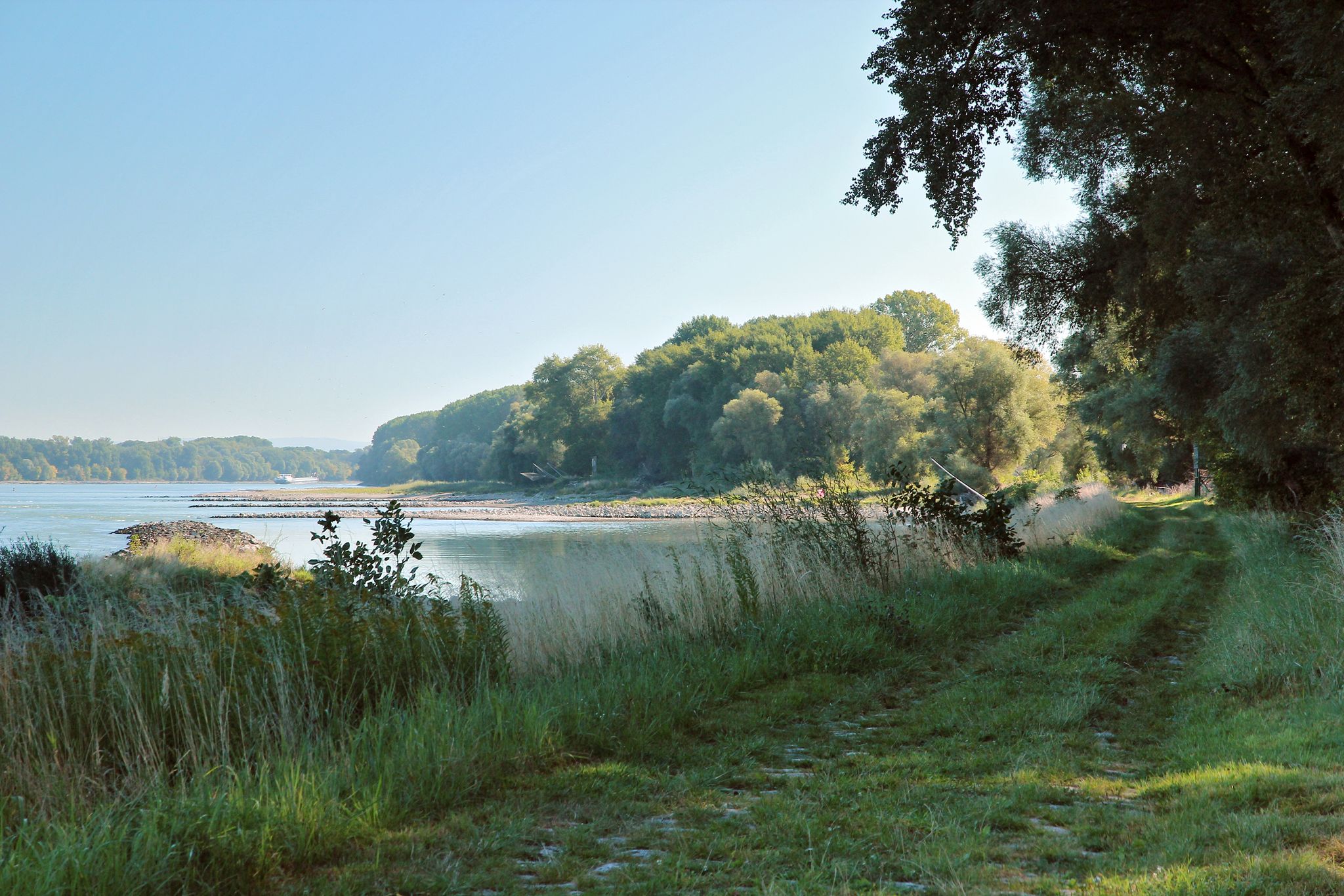
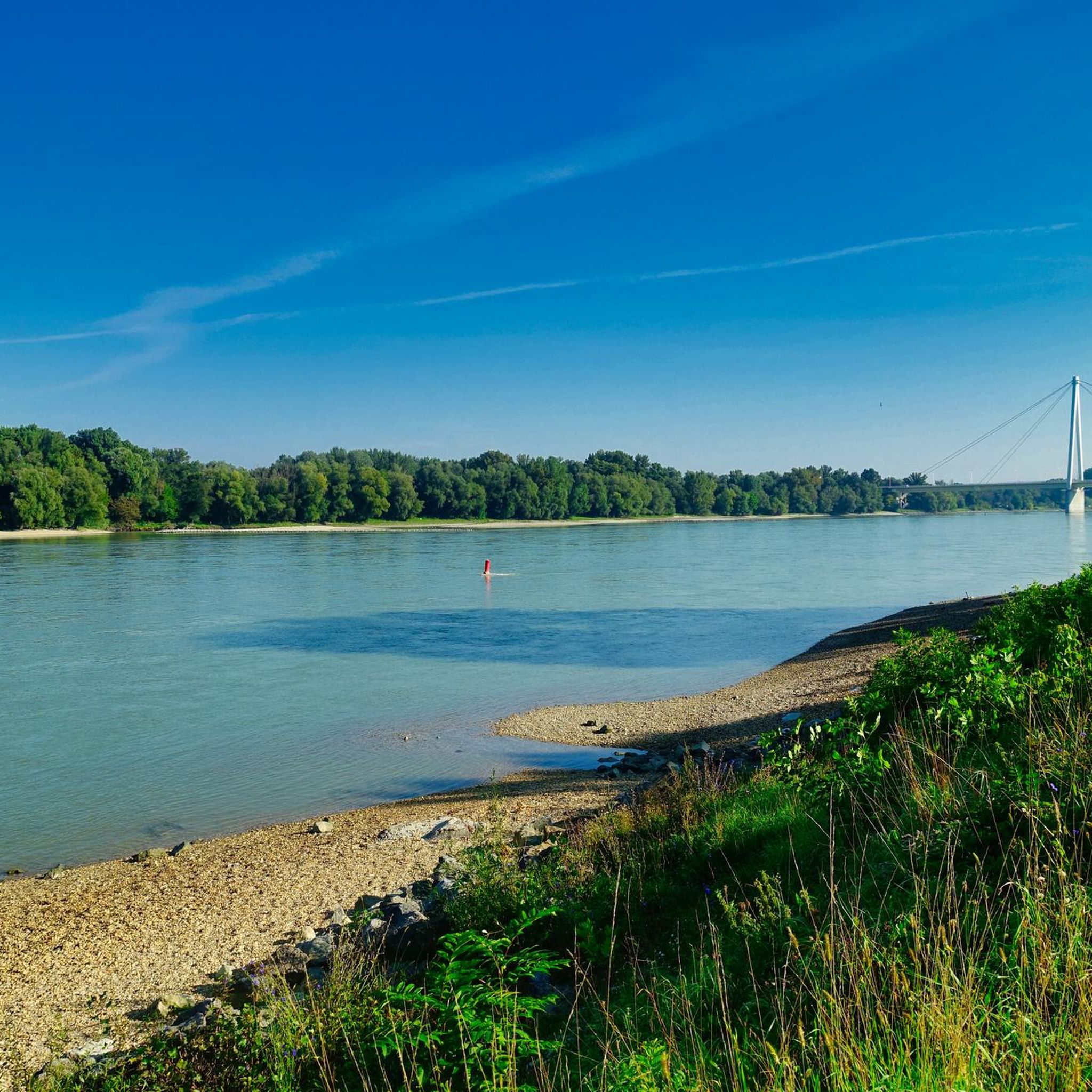
There is not much left of the castle ruins, but it offers a great view of the Danube floodplains.
1
0

The Röthelstein ruins are located on a 30 meter high rocky outcrop on the Danube east of Hainburg, directly opposite the Theben ruins on the Arpad rock in Slovakia. Röthelstein secured the Danube flow on the Austrian side for centuries, and Thebes did this for the Hungarians and Slovaks. Röthelstein Castle was first mentioned in a document in 1180. The first known Röthelsteiners were Ulrich, Heinrich and Irnfried, who were ministerials of the Vohburgers, once one of the most powerful noble families in this area, between 1170 and 1209 and were in their service as lords of the castle. Source: https://burgenkunde.at/niederoesterreich/ruine_roethelstein/ruine_roethelstein.htm
4
0
ペトローネルカルヌントゥムでのの人気観光スポット

komootモバイルアプリでインスピレーションを得よう


さらに探索
他の場所で最高の城を探していますか?他のガイドを発見しましょうペトローネルカルヌントゥムでの:
