イリンゲンの洞窟・トップ15
イーリンゲン周辺の最高の城は、カイザーツール地方にあります。この地域は火山性の丘陵とライン川渓谷を見下ろす戦略的な立地で知られています。この地域は、ローマ時代の痕跡や中世の要塞など、重要な歴史的重要性を持っています。イーリンゲン周辺のすぐ近くにはほとんどが廃墟となった城跡がありますが、周囲の景観にはいくつかの注目すべき遺跡や歴史的な城跡があります。この地域の歴史は、その戦略的な位置によって特徴づけられ、何世紀にもわたる多くの城の開発と破壊に影響を与えてきました。
イーリンゲン周辺の最高の城
- 最も人気のある城は スポネック城です。この城の庭園には芸術作品やローマ時代の砦の遺構があり、一日中アクセス可能です。ローマ時代と中世の歴史の融合と、景色の良い立地が、訪れる価値のある場所となっています。
- もう一つ必見の場所は ブルクハイム城跡です。訪問者は歴史的な家屋や古い城の存在を鑑賞でき、魅力的な歴史的な目的地となっています。
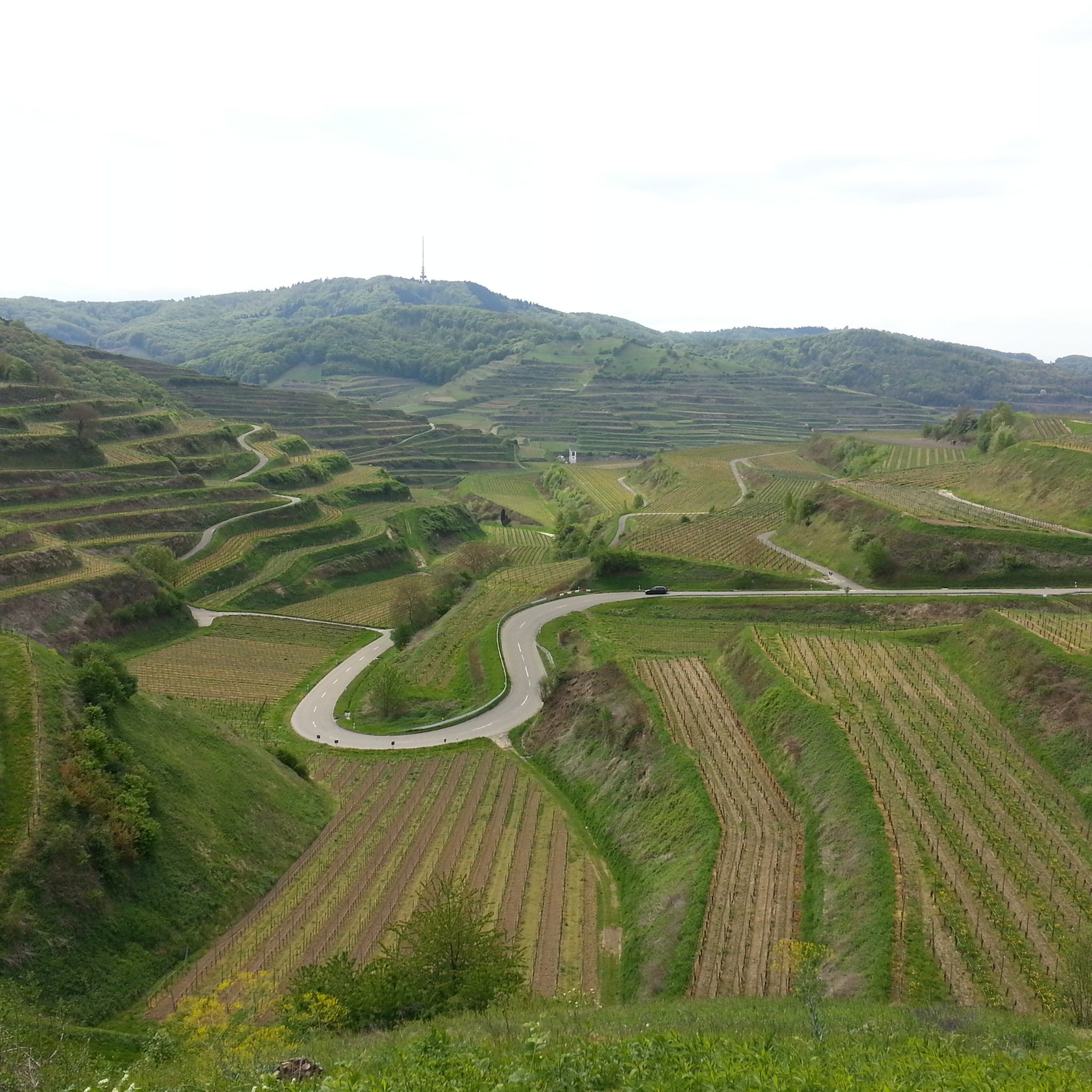
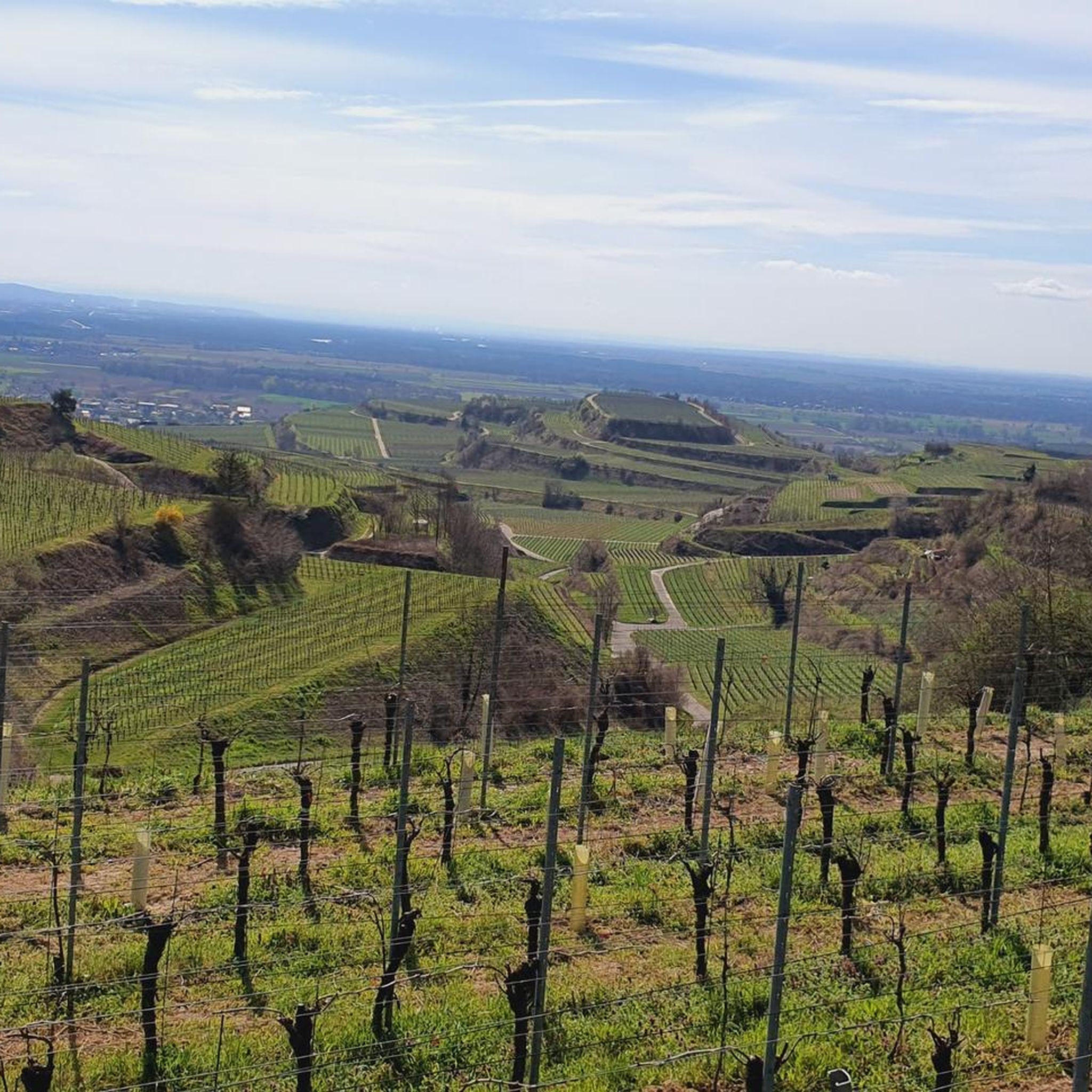
- 訪問者は シュロスベルクパビリオンとホーヒンゲン城跡も気に入っています。ここには壁の小さな遺構しかないにもかかわらず、その激動の過去を垣間見ることができます。この場所からはライン川渓谷の素晴らしい景色が楽しめます。
- イーリンゲンは、城跡、私有の城、丘の上の城で知られています。この地域には、保存状態の良い庭園から、見晴らしの良い戦略的な遺跡まで、さまざまな史跡があります。
- イーリンゲン周辺の城は、komootコミュニティによって高く評価されており、900件以上の「いいね!」と、訪問者によって共有された500枚以上の写真があります。
最終更新日: 10月 11, 2026
シュポネック城
ハイライト • 城
翻訳者 Google •
役立つ情報 は

ブルクハイム城跡
ハイライト • 城
翻訳者 Google •
役立つ情報 は

今すぐサインアップして、こんな場所を発見しよう
最高のシングルトラック、ピーク、その他のエキサイティングなアウトドアスポットのおすすめを受け取ろう。
シュヴェンディ城跡(ブルクハイム)
ハイライト • 城
翻訳者 Google •
役立つ情報 は
シュロスベルクのパビリオンとホーインゲン城跡
ハイライト • 城
翻訳者 Google •
役立つ情報 は

ガストハウス・ツァー・リンブルク
ハイライト • レストラン
翻訳者 Google •
役立つ情報 は

無料でサインアップして、さらに多くの城を発見しましょう イリンゲンでの。
すでにアカウントをお持ちですか?
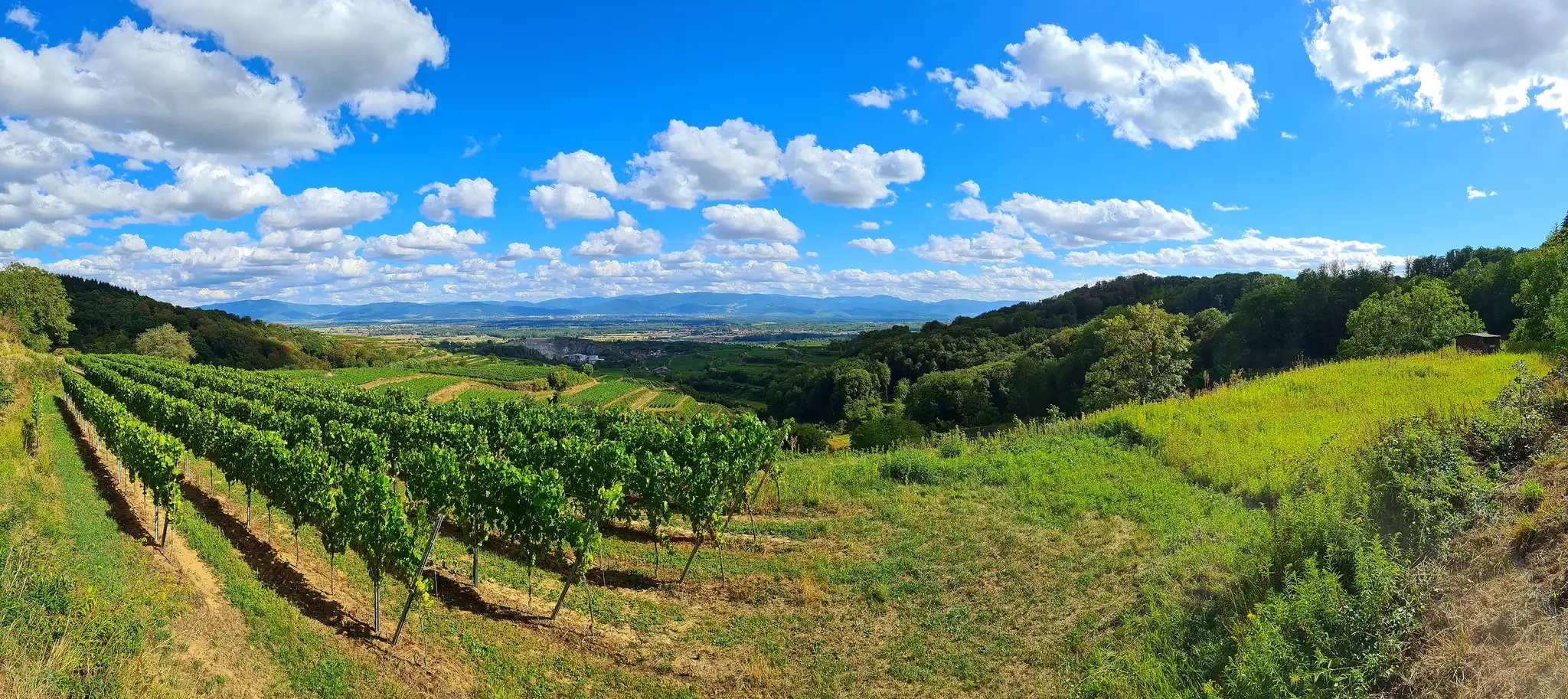
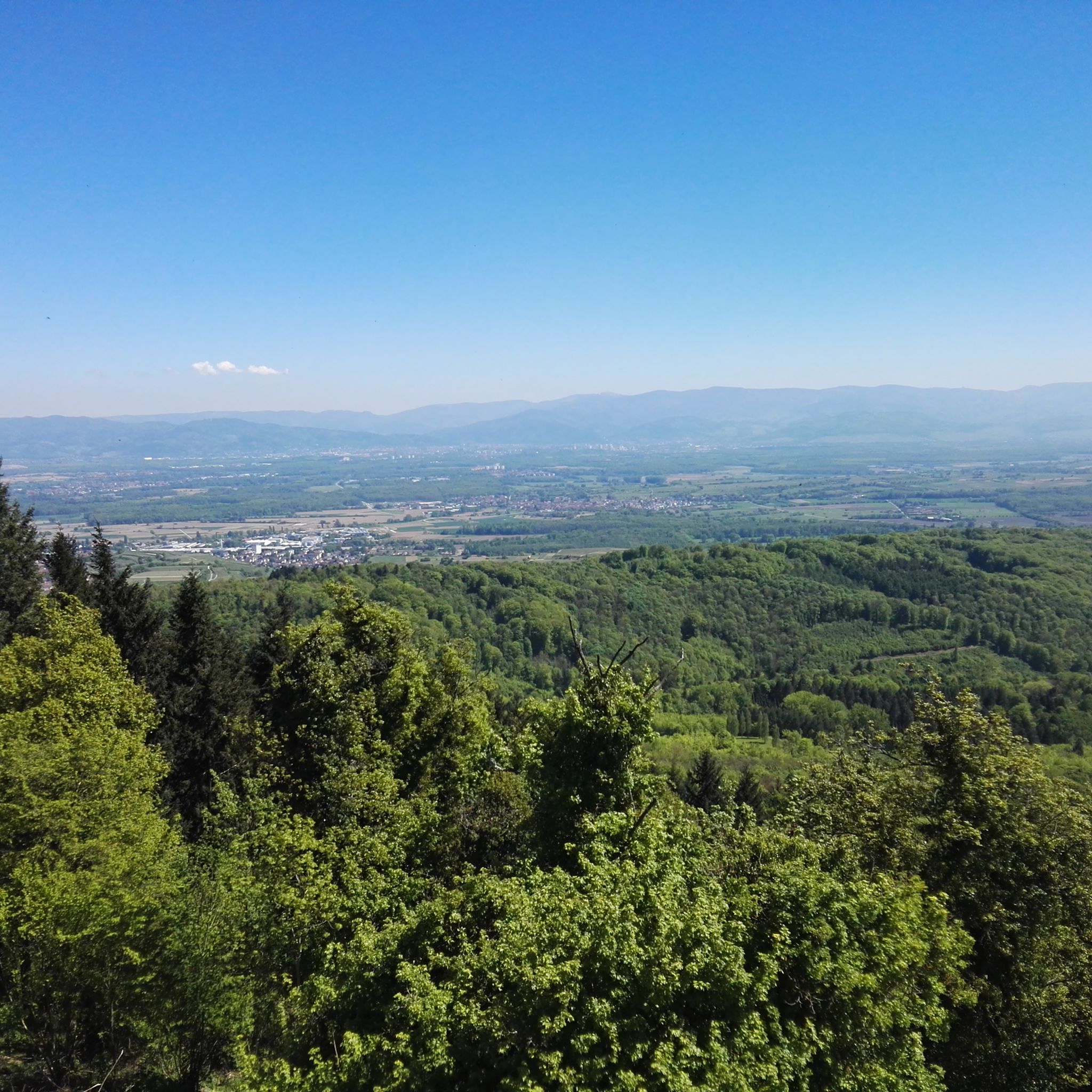



コミュニティからのヒント

The first lord of the castle was Hildebrand Spenlin from Breisach. The word "Spenlin" means "little shavings" (from a plane). In Alemannic usage, Spenlin is called "Spänle." Without the diminutive, Span = Spon. The castle is mentioned in documents as Spenlins Eck, Span-Egge, or the Sponeck.
10
0

Welcome to the beer garden when the weather is nice. Of course, there are also French guests.
0
0

Nice rest area, nice view. Well attended.
0
0

Insect hotel
0
1

Castle type: hilltop castle, hilltop location Today: only remains of ruins Date of origin: before 1064, first documented mention in 1259 Not much is known for sure about the beginning of the castle complex on the Schlossberg. However, castles are said to have existed as early as 1064 when Achkarren was first mentioned in writing on the occasion of the transfer to the Ottmarsheim monastery by King Heinrich IV. These were then expanded several times in the following centuries. After the family castle of the Lords of Üsenberg, Üsenberg Castle on the Üsenberg near Breisach, was probably destroyed by the Breisach family in the 1240s, they are said to have made Höhingen Castle available to the Üsenbergers as a replacement. It was first explicitly mentioned in writing in 1259. Around 1353 the castle was briefly pledged to the Schnewlin im Hof. In 1392, Margrave Hesso von Hachberg bought Werner von Hornberg's share in Höhingen Castle, and he already owned the other part. In 1415 the castle, together with the Margraviate of Baden-Hachberg, came to Margrave Bernhard I of Baden, who bought it from Margrave Otto II of Hachberg, the last of this branch of Baden. Otto was allowed to use Höhingen Castle until the end of his life in 1418. ... After centuries of existence, the castle itself was burned down for the first time in May 1525 during the peasant uprising with the participation of Achkarr farmers. This made Höhingen Castle one of only two margravial castles destroyed by the peasants, although a number of them had been occupied by the peasants. Long-standing disputes between the village of Achkarren and the Margraves over the use of the forest are suspected to be the motive. The farmers later had to compensate Margrave Ernst I of Baden-Durlach for the damage. ... In 1620, Margrave Georg Friedrich von Baden-Durlach rebuilt the castle as a defensive structure and put it into a state of defense, since the events of the war in the Rhine Valley and the Breisach Fortress could be observed well from here. In a contemporary report from the mayor of Breisach to the imperial governor of the Austrian provinces in Waldshut, Höhingen Castle, often referred to as a castle, is described as follows: “Its position was excellent, as it stood in the middle of the mountain's crest on hard rock, which because of its height had difficult access, and could not be commanded from any of the surrounding places. The building was surrounded by strong masonry, on the one hand with a deep ditch, on the other hand it encountered an inaccessible praecipitium [= abyss], which is used from below for a stone pit. The castle had a good cistern.” In 1633 there was an attack from Breisach. The Imperial Catholic troops captured and sacked the castle currently held by the Swedes and supported by the Protestants of Ihring. According to records at the time, the spoils included around 15,000 liters of wine. Property of Ihringen citizens stored in the castle was also lost. There are even reports of the loss of 200 horses and 300 head of cattle, which allows conclusions to be drawn about the dimensions of the facility. After several subsequent disputes about the castle, it was finally set on fire by the now imperial garrison in 1638, when it could no longer be held militarily. (Excerpt from Wikipedia)
1
0

Not only the beer garden, but also the kitchen is highly recommended.
0
0

Annual events on the premises - Advent market - Dates www.Kaiserstuhl-Events.de
2
0


komootモバイルアプリでインスピレーションを得よう


さらに探索
他の場所で最高の城を探していますか?他のガイドを発見しましょうイリンゲンでの:
