スリンゲプラスのおすすめランニングルート
4.4
(296)
10,985
ランナー
873
ランニング
スリンゲプラスでランニングを楽しめば、このエリアをより深く知ることができます。ランニングに適した美しいルートが見つかるように、komootがスリンゲプラスでのルートのコレクション全体を評価して選び抜いた、人気ランニングトレイルをご紹介します。ルートをクリックして詳細を表示し、他のユーザーがアップロードした役立つ情報や写真を閲覧しましょう。
最終更新日: 10月 7, 2026
4.8
(8)
172
ランナー
5.76km
00:38
10m
10m
中程度のジョギング. ある程度のフィットネスレベルが必要です。 全般的に舗装された状態です。あらゆるスキルレベルに適しています。
52
ランナー
中程度のジョギング. ある程度のフィットネスレベルが必要です。 全般的に舗装された状態です。あらゆるスキルレベルに適しています。

5.0
(1)
19
ランナー
8.67km
00:56
10m
10m
中程度のジョギング. ある程度のフィットネスレベルが必要です。 全般的に舗装された状態です。あらゆるスキルレベルに適しています。
5
ランナー
15.1km
01:34
30m
30m
難しいジョギング. 標準以上のフィットネスレベルが必要です。 全般的に舗装された状態です。あらゆるスキルレベルに適しています。
4
ランナー
6.68km
00:42
10m
10m
中程度のジョギング. ある程度のフィットネスレベルが必要です。 全般的に舗装された状態です。あらゆるスキルレベルに適しています。
さらに多くのルートや他のユーザーのおすすめ情報を確認できます。
すでにアカウントをお持ちですか?
おすすめのツアーは他のkomootユーザーが実際に経験した何千ものアクティビティに基づいています。
無料アカウントで今日から始めよう
次の冒険が待っています。
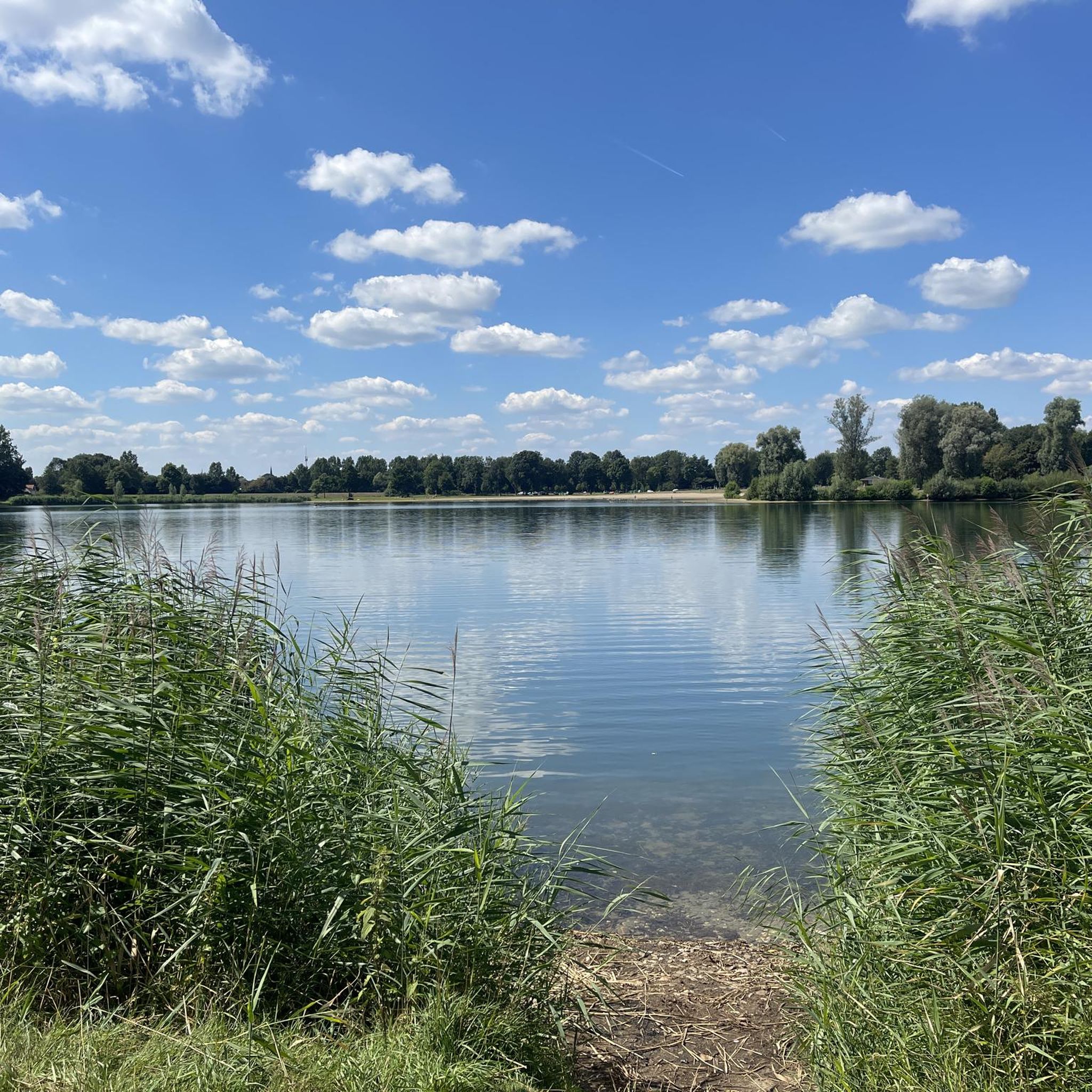
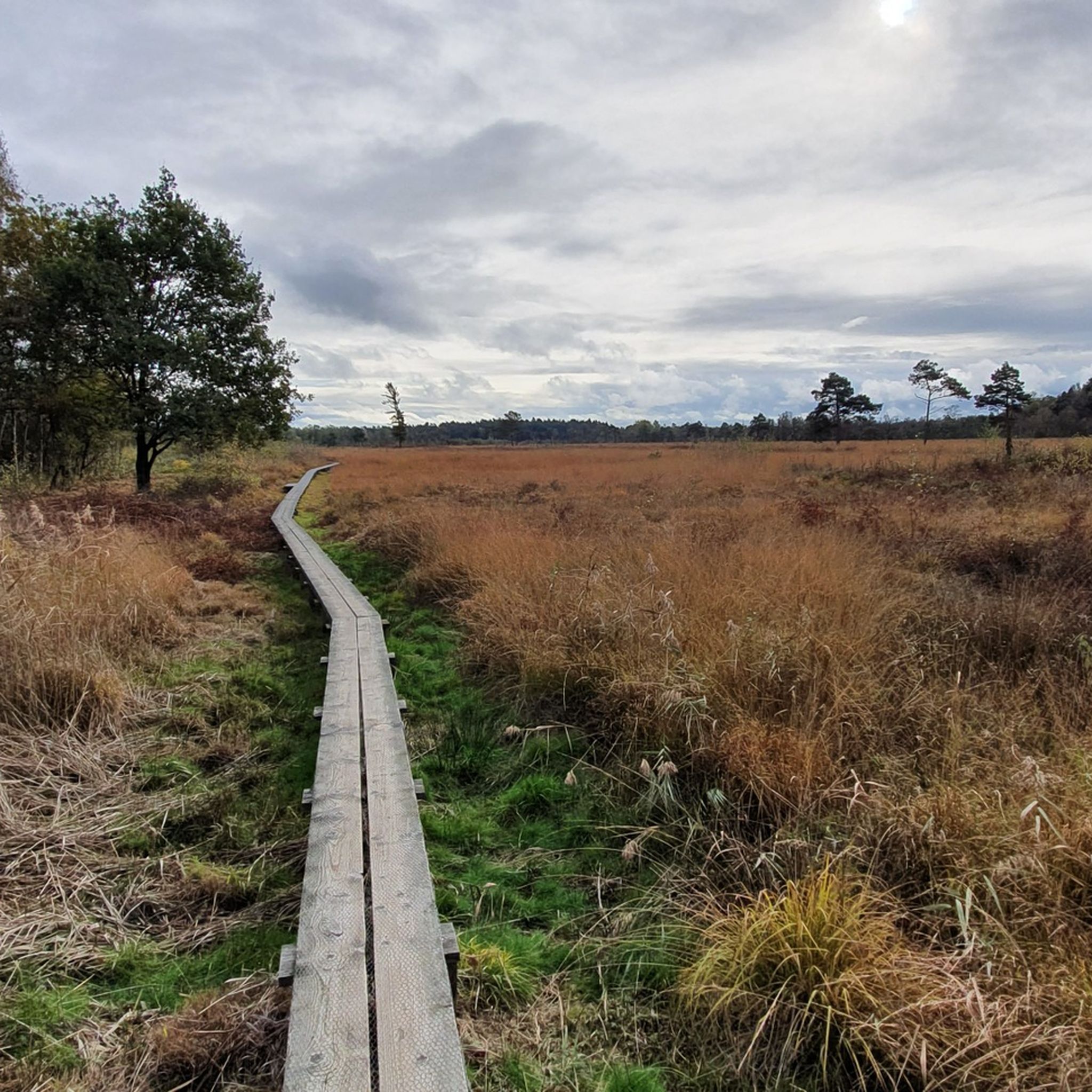
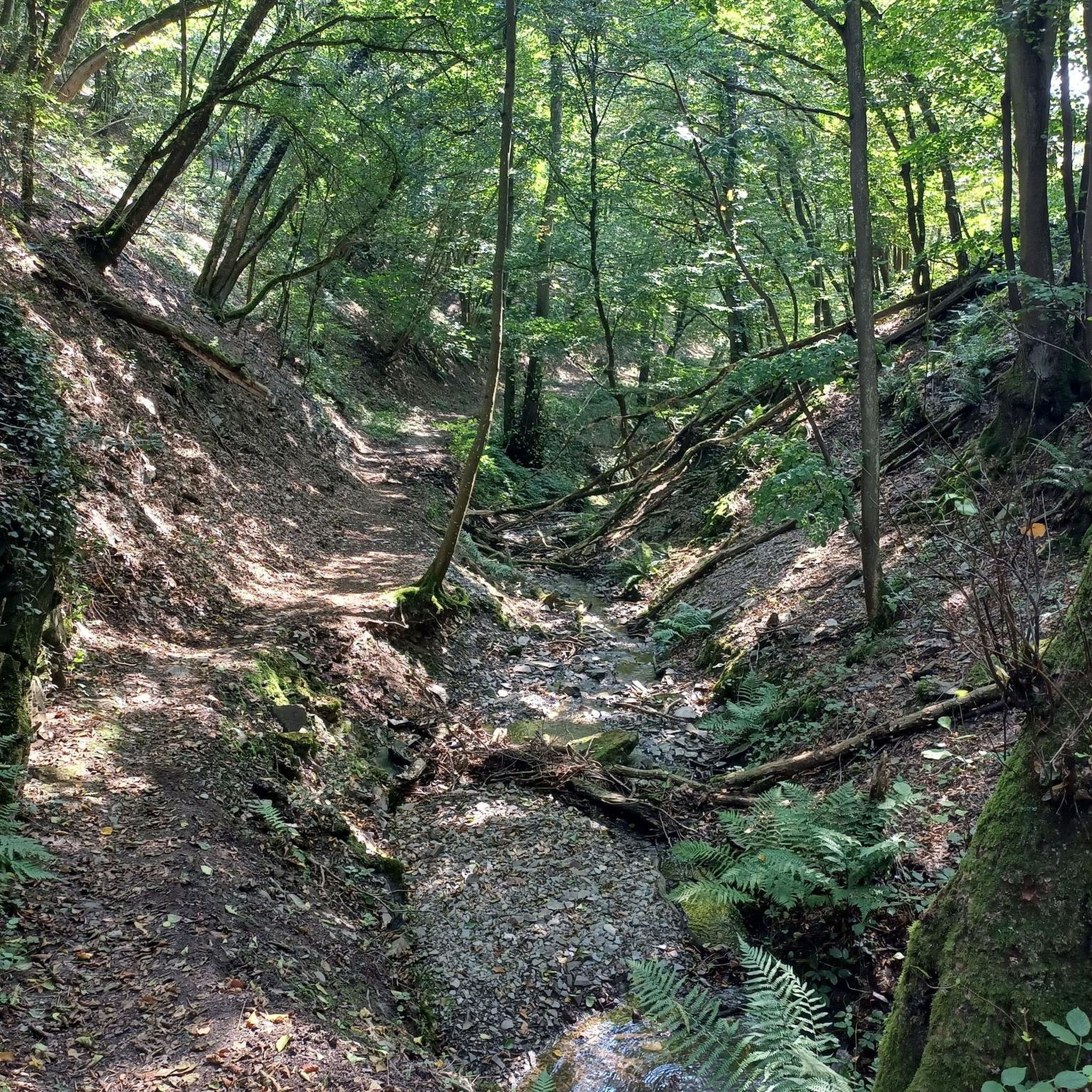
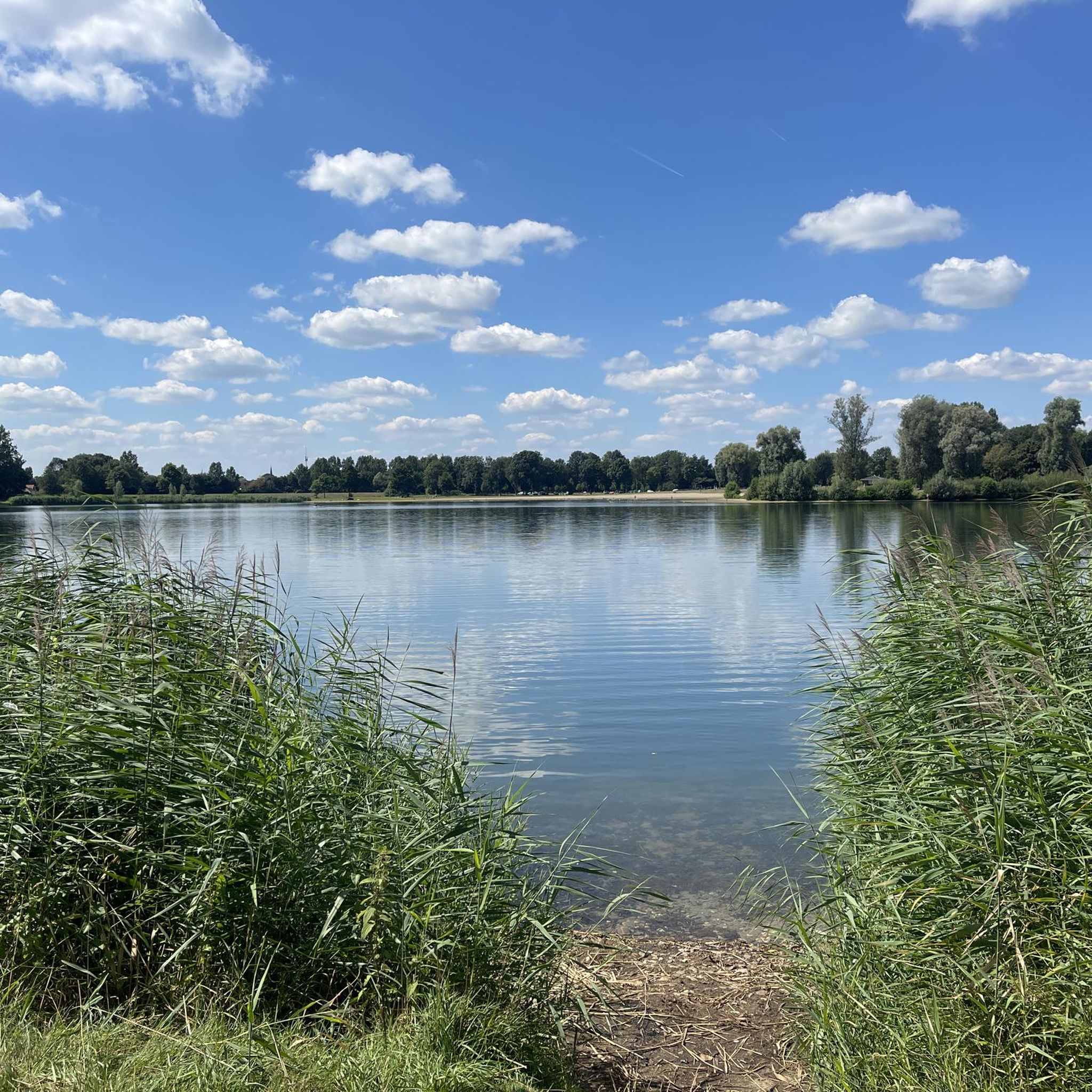
コミュニティからのヒント

Bredevoort近くのティールーム、セルフサービス、美味しいケーキ、休憩に最適な美しい場所
0
0
とても美しい環境で、レストランも良いです
2
0
とても美しい環境で、良いレストランです。
3
0

The "house" is a former teahouse belonging to the Roelvink family. It's charmingly furnished, just as a 19th-century teahouse would have been. One can easily imagine the Roelvink family arriving at any moment for their afternoon tea. It's locked, but the interior is clearly visible through the glass panes. Simply beautiful and an idyllic spot. ... BACKGROUND 1764: Bernard Andreas Roelvink was the administrator of the Stadtholder William V. His residence was expanded into the administrator's house in 1764 (the present-day Boutique Hotel & Brasserie "DE HEERLYCKHEID"). 1782: The remains of two bastions (Vreesniet and Treurniet) and the land between them (the present-day fortress park and orchard) were leased to the Roelvink family in 1782. Around 1850: B.A. Roelvink had an English garden laid out on the grounds for himself and his family, which was very fashionable at the time. 1862: The teahouse was built on the former Vreesniet bastion and is now picturesquely situated on a slight rise in the fortress park, which is bordered to the northwest by the Grote Gracht (former moat). (Source: Information signs at the teahouse and in the fortress park)
4
0
You can enjoy delicious food at Grachthaus, Kruittorenstraat 1 in Bredevoort. From here you have a beautiful view of the Great Canal and Vestingpark. In summer, you can sit outside on the terrace and soak up the sun.
5
0
The large moat is a former defensive ditch in the northwest of the town of Bredevoort. Its shape still clearly reveals the course of the former ramparts and the Treurniet and Vreesniet bastions. Today, the Vestingpark is a picturesque park with paths, a bridge, old trees, a teahouse, a grotto, and a tree trail. In 1784, the former administrator, Bernard Andreas Roelvink, leased the remains of two bastions (Vreesniet and Treurniet) and the land between them (the present-day fortress park and orchard). Around 1850, he had an English garden laid out there, bordered to the northwest by the large moat.
6
0
Beautiful cycle path leads past the Boven Slinge (Pieriksweg)
4
0
A beautiful self-service tea garden and café. It offers a large selection of homemade cakes (made with ingredients from the farm) and coffee. A beautifully landscaped garden with a pond offers space for several private tables. In bad weather, you can sit in the warm, sheltered area of a light-filled hallway. Restrooms are available. Everything is lovingly designed and extremely well thought out.⭐⭐⭐⭐⭐
2
0

komootモバイルアプリでインスピレーションを得よう


さらに探索
他の地域の最高のランニングトレイル & ルートを見てみましょう。
