シフィドビエのおすすめウォーキング&ハイキングルート
4.2
(12)
76
ハイカー
12
ハイキング
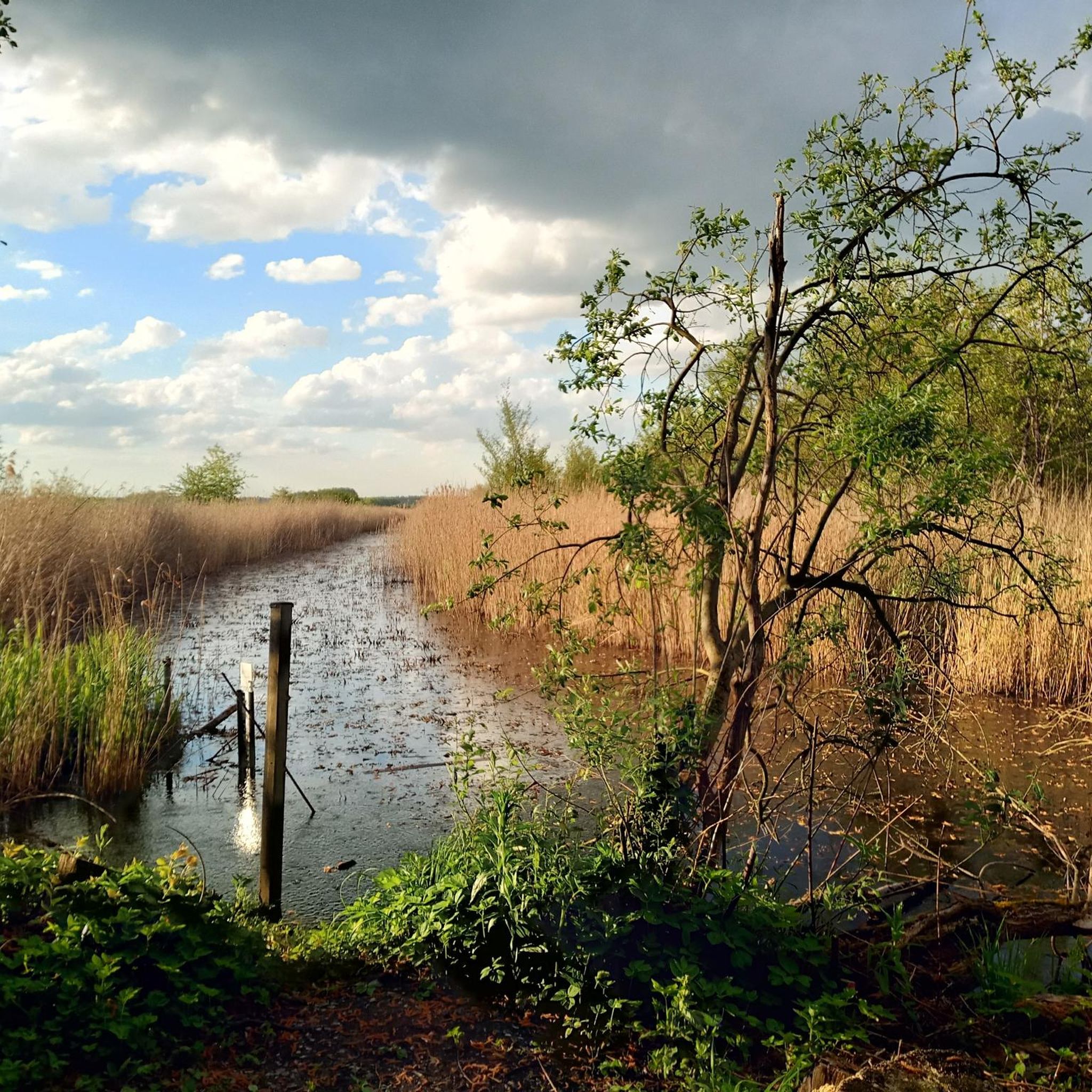
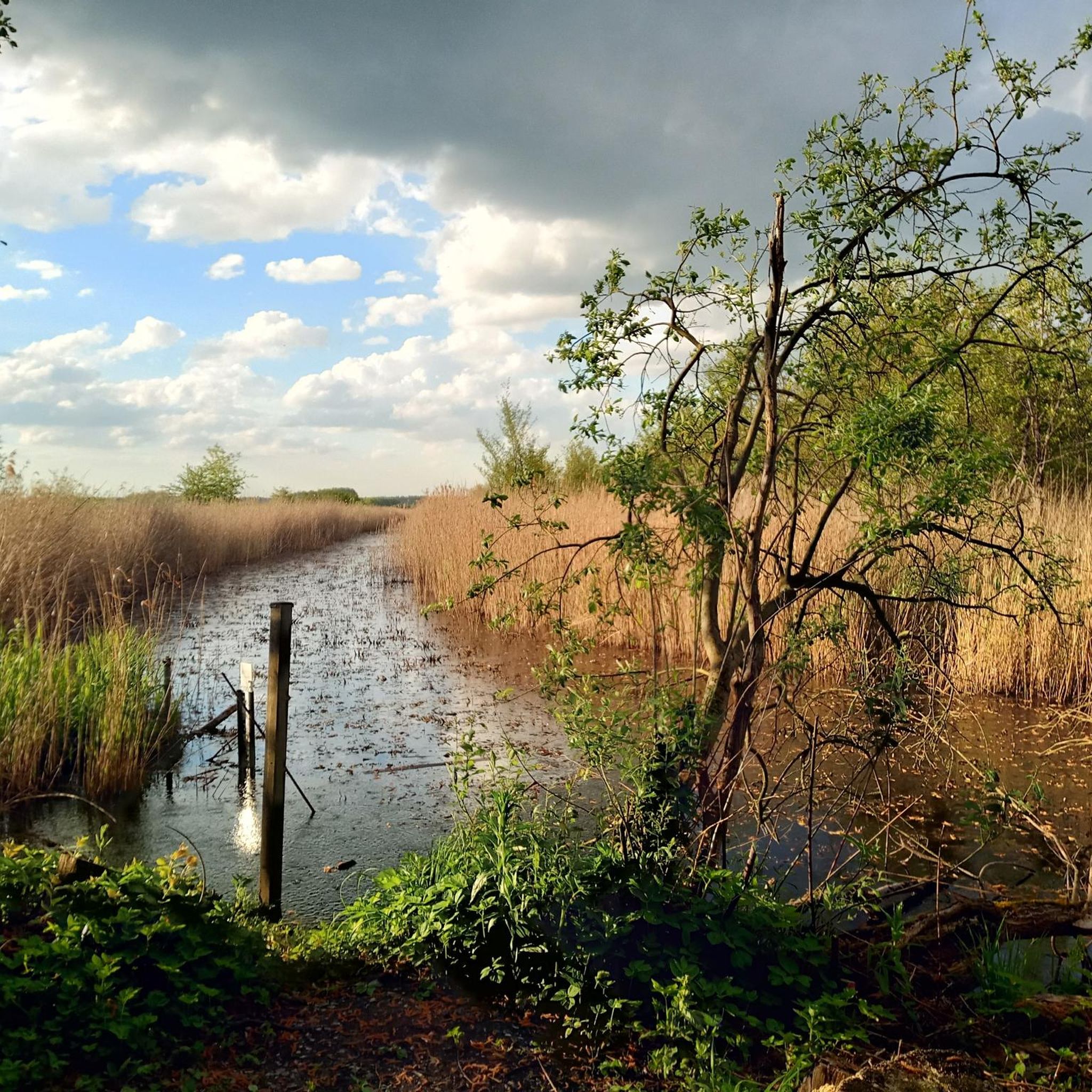
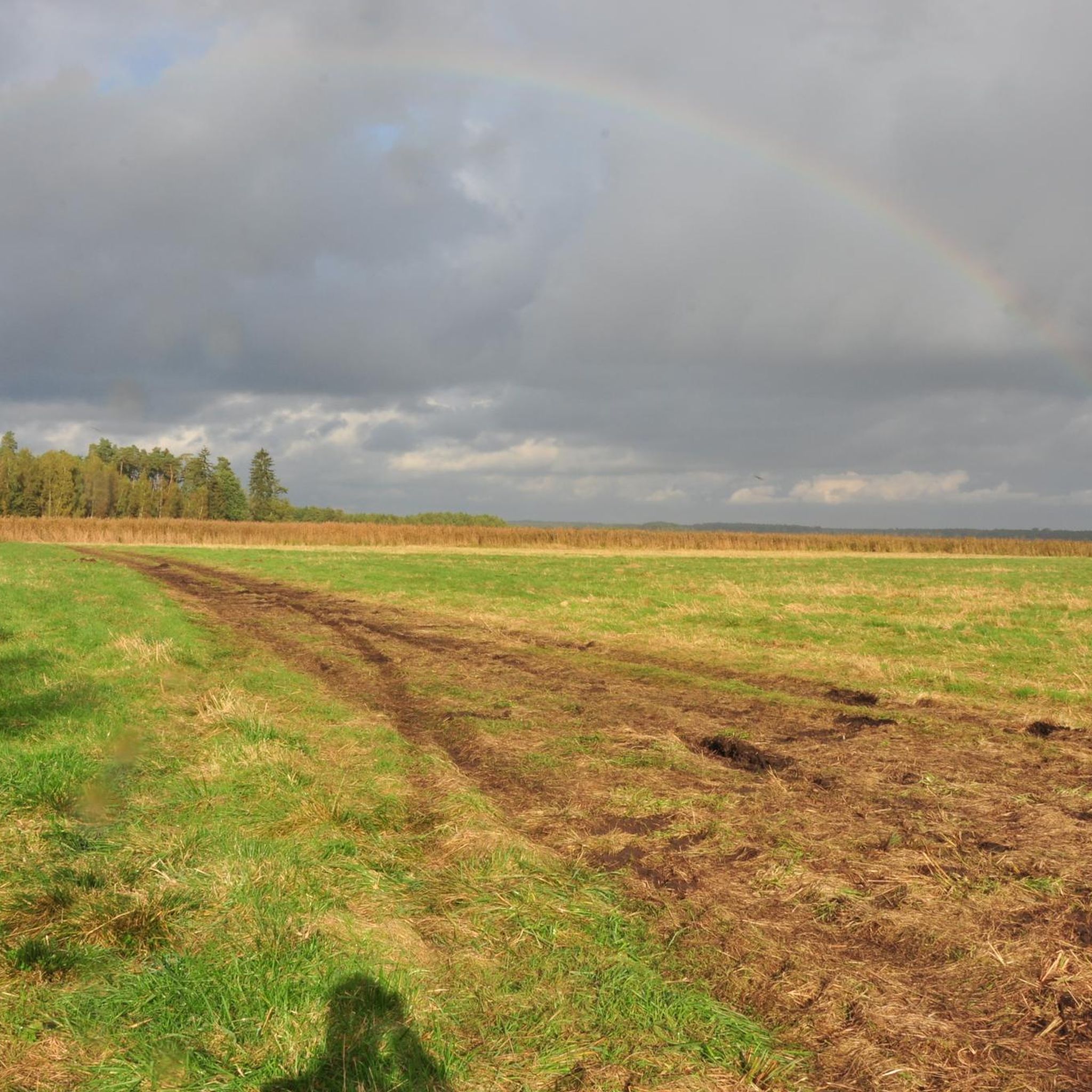
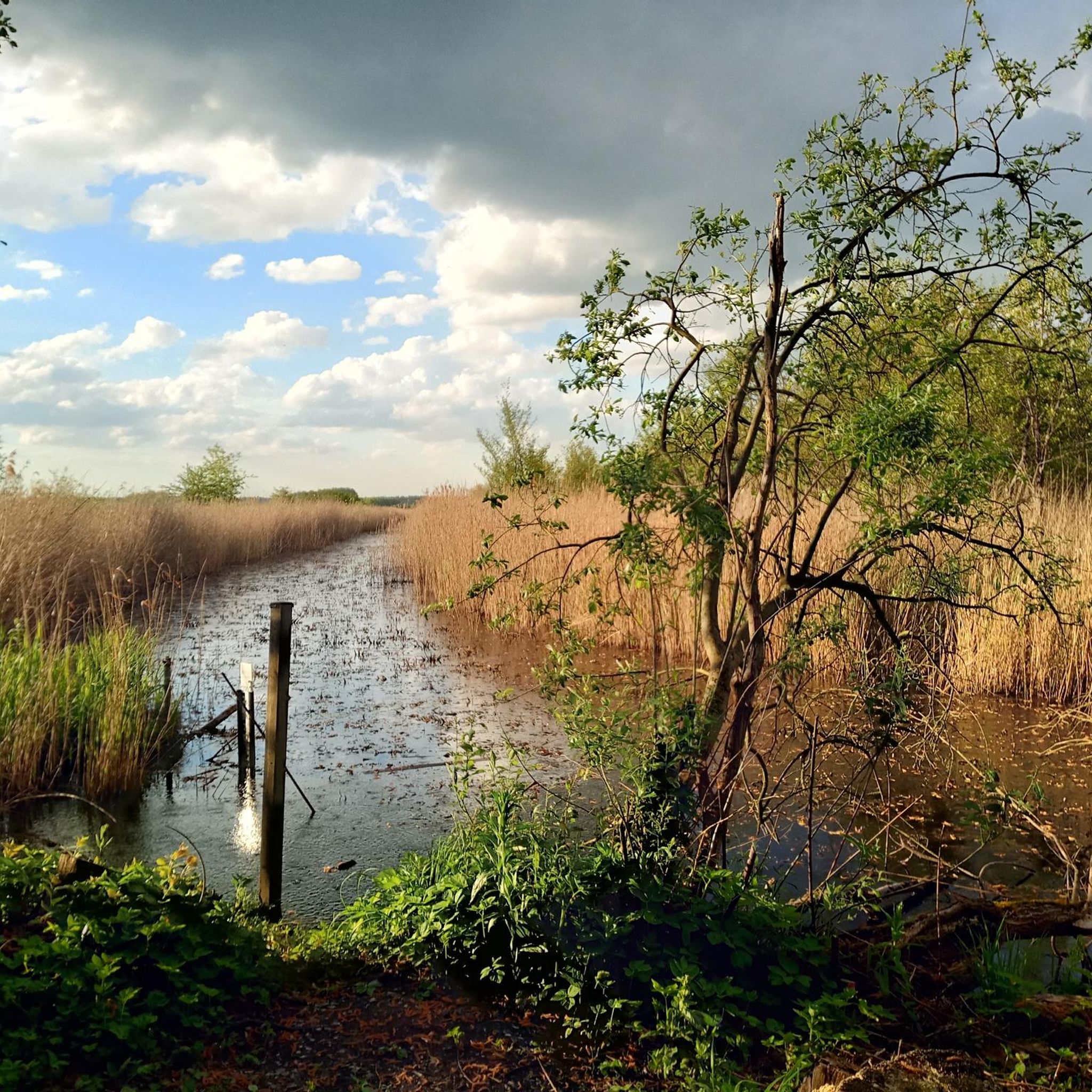
シフィドビエ周辺でおすすめのハイキングやウォーキングをお探しですか?シフィドビエが誇るこの美しい湖周辺のルートを集めたkomootコレクションを参考にしてください。 ここでは、シフィドビエ周辺の人気ハイキングコースを紹介しています。魅力的なルートが見つかったら、さっそく冒険に出かけましょう。
最終更新日: 10月 11, 2026
4.6
(5)
27
ハイカー
12.9km
03:16
40m
30m
中程度のハイキング. ある程度のフィットネスレベルが必要です。 進みやすいルートです。あらゆるスキルレベルに適しています。
3.0
(1)
15
ハイカー
5.21km
01:19
10m
10m
初級者向けハイキング. あらゆるフィットネスレベルに適しています。 進みやすいルートです。あらゆるスキルレベルに適しています。

5.0
(1)
4
ハイカー
中程度のハイキング. ある程度のフィットネスレベルが必要です。 進みやすいルートです。あらゆるスキルレベルに適しています。
3.5
(2)
14
ハイカー
5.64km
01:26
10m
10m
初級者向けハイキング. あらゆるフィットネスレベルに適しています。 進みやすいルートです。あらゆるスキルレベルに適しています。
5.0
(3)
5
ハイカー
5.78km
01:28
20m
20m
初級者向けハイキング. あらゆるフィットネスレベルに適しています。 進みやすいルートです。あらゆるスキルレベルに適しています。
さらに多くのルートや他のユーザーのおすすめ情報を確認できます。
すでにアカウントをお持ちですか?
おすすめのツアーは他のkomootユーザーが実際に経験した何千ものアクティビティに基づいています。
無料アカウントで今日から始めよう
次の冒険が待っています。

コミュニティからのヒント


Surprisingly unexpected and off the road
0
0

The Cross-Border Ecological Education Centre in Zalesie is located in the Świdwie Reserve Buffer Zone, in the Wkrzańska Forest, in the vicinity of the Trzebież Forest District.
0
0

Everything has already been said by the previous speakers, I hope that one day you can visit it
1
0

The first mention of the town comes from the 13th century, when it belonged to the von Blankenburg family. Until 1521, the village was called Blankenburg. In 1554, the last owner of the estate - Amus von Blankenburg - sold it to Frederick von Ramin, the owner of Dobra Szczecińska. At that time, the village was given a new name - Stolzenburg, which means "lofty castle" During the Thirty Years' War, the village was deserted and the existing manor house was destroyed. Thanks to the von Ramin family, in 1662 the settlement of Glashütte was established near Stolec, with the oldest glassworks in Pomerania. In the years 1721–1727, Jürgen Bernard von Ramin, starosta of the Randow district, founded a new palace and established a park. In the years 1731–1735, a church was built, funded by the owner of the village. In 1872, the property became the property of a company of merchants, and then in 1888, after the bankruptcy of the company, it was taken over by a bank from Lübeck to cover the debts. In the first years of the 20th century, the estate was owned by Szczecin merchants. In 1900, a metal fence with an impressive neo-baroque gate with wrought-iron, richly decorated wings was built on the side of the road, partially preserved to this day. In 1939, the village had 440 inhabitants. After World War II, the palace was the headquarters of the Border Protection Forces, and then of the Border Guard. In the village there is a two-story palace, built in the style of baroque classicism, covered with a mansard roof. Nothing has survived from the former interior. A linden and chestnut alley leads to the palace. Around the palace there is a naturalistic park from the 19th century, in which there are, among others, wejmutka, hornbeams, blue and silver spruces, lindens, elms and yews. In the church cemetery there is a baroque monument with the image of Jürgen von Ramin. The estate covers 13 hectares of land.
1
0


The seat of the von Ramin family, built in 1721-1727. The founder was Jurgen Berndt von Ramin, who built not only this palace, but also the nearby church. The palace survived the last wars in very good condition. Immediately after World War II, a border guard post was organized here. At that time, the interior layout was transformed and most of the fireplaces and stucco decorations on the ceilings were removed. The furniture had probably been stolen before. All floors were replaced in the 1970s. Nothing has survived from the historic interiors of the palace. Soldiers were stationed here until 2000. Then it was not known what to do with the palace. For some time it stood empty, for some time the University of Szczecin was the owner, but it had neither money nor an idea for this object. Attempts to sell were also unsuccessful. In the end, someone bought the palace, but also did nothing to it. And the palace stood and fell into disrepair. Since 2020, the palace has been owned by the "Safe - Animal" foundation, but still nothing is happening in it. What's next? Time will tell. For now, we bounce off the closed entrance gate and we can only look at the palace from a distance, through the bars.
4
1

komootモバイルアプリでインスピレーションを得よう


さらに探索
他の地域の最高のハイキングを見てみましょう。
