セラヤのおすすめウォーキング&ハイキングルート
4.4
(159)
1,097
ハイカー
78
ハイキング
セラヤ周辺でのハイキングは、景色を満喫するのに最適な手段のひとつですが、適切なハイキングルートを見つけることは簡単ではありません。 セラヤ周辺の人気ハイキング&ウォーキングコースを参考にすれば、行きたいルートをすぐに見つけられます。
最終更新日: 8月 31, 2026
18.7km
05:44
650m
640m
難しいハイキング. 標準以上のフィットネスレベルが必要です。 全般的に進みやすいルートです。安定して歩行できる技術が必要です。
4.8
(10)
58
ハイカー
10.8km
03:31
470m
470m
中程度のハイキング. ある程度のフィットネスレベルが必要です。 進みやすいルートです。あらゆるスキルレベルに適しています。

無料新規登録
4.8
(8)
20
ハイカー
13.6km
04:11
500m
500m
中程度のハイキング. ある程度のフィットネスレベルが必要です。 進みやすいルートです。あらゆるスキルレベルに適しています。
4.7
(3)
21
ハイカー
10.3km
02:54
210m
210m
中程度のハイキング. ある程度のフィットネスレベルが必要です。 進みやすいルートです。あらゆるスキルレベルに適しています。
5.0
(1)
10
ハイカー
10.8km
03:25
440m
440m
中程度のハイキング. ある程度のフィットネスレベルが必要です。 進みやすいルートです。あらゆるスキルレベルに適しています。
さらに多くのルートや他のユーザーのおすすめ情報を確認できます。
無料新規登録
すでにアカウントをお持ちですか?
おすすめのツアーは他のkomootユーザーが実際に経験した何千ものアクティビティに基づいています。
無料アカウントで今日から始めよう
次の冒険が待っています。
ログインまたは登録
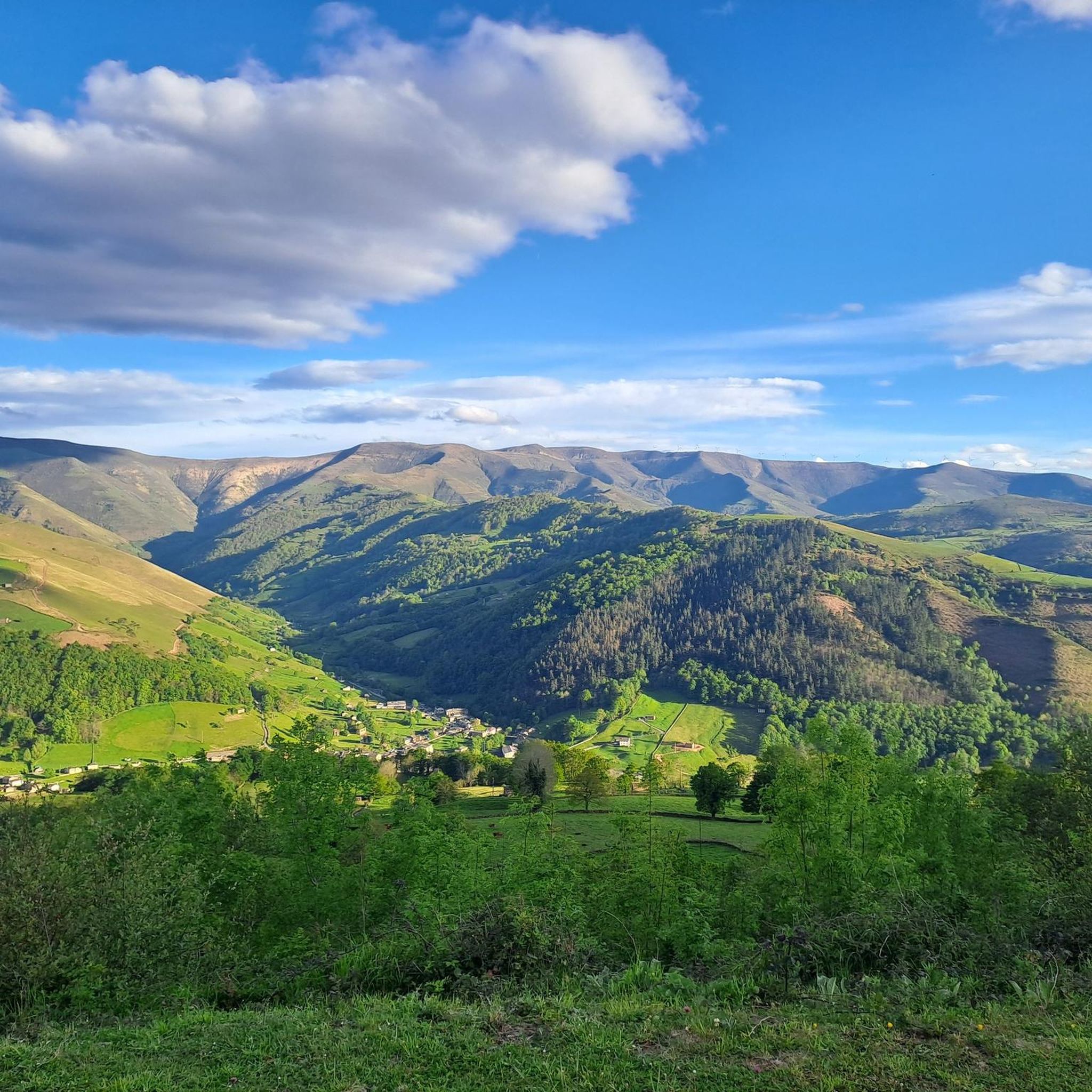
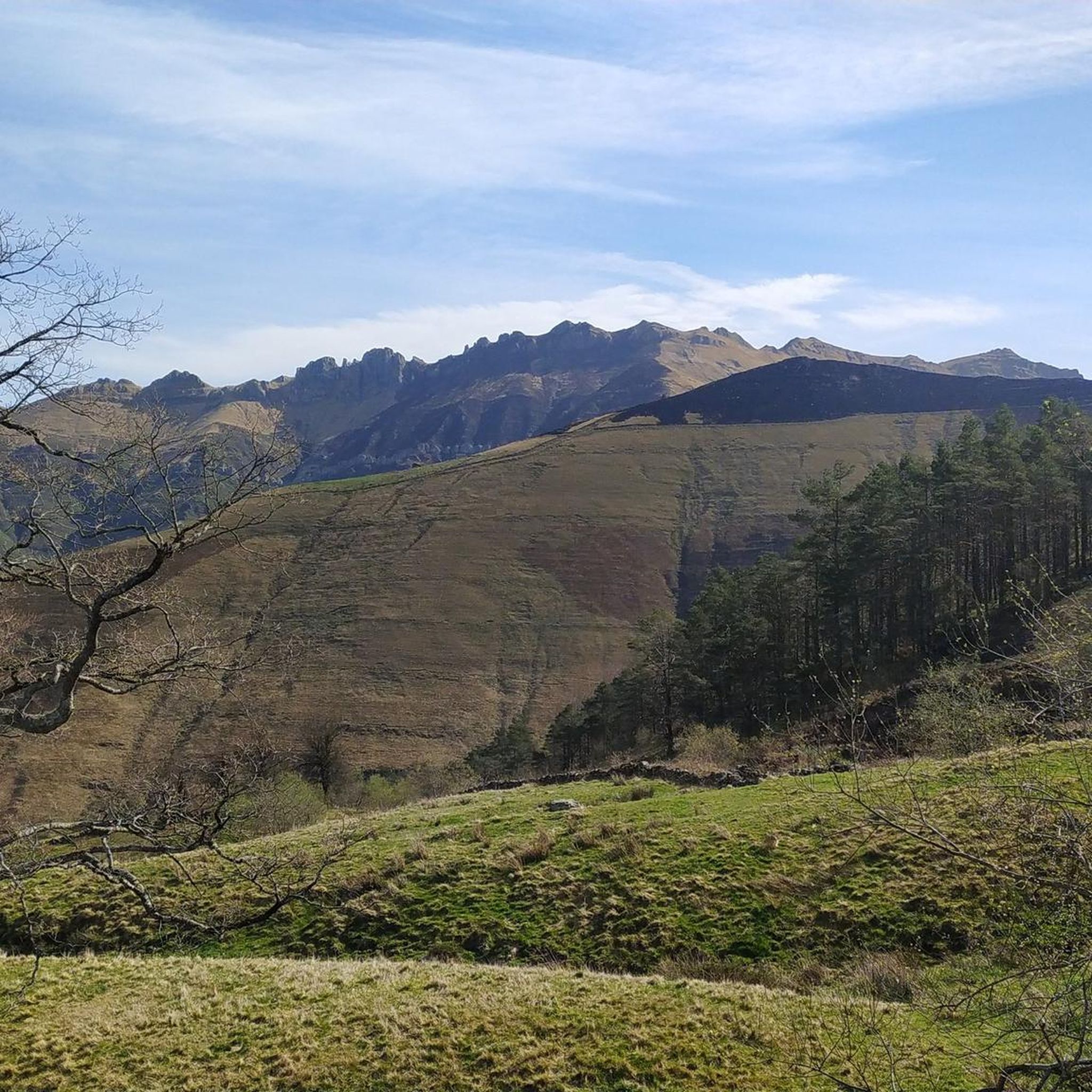
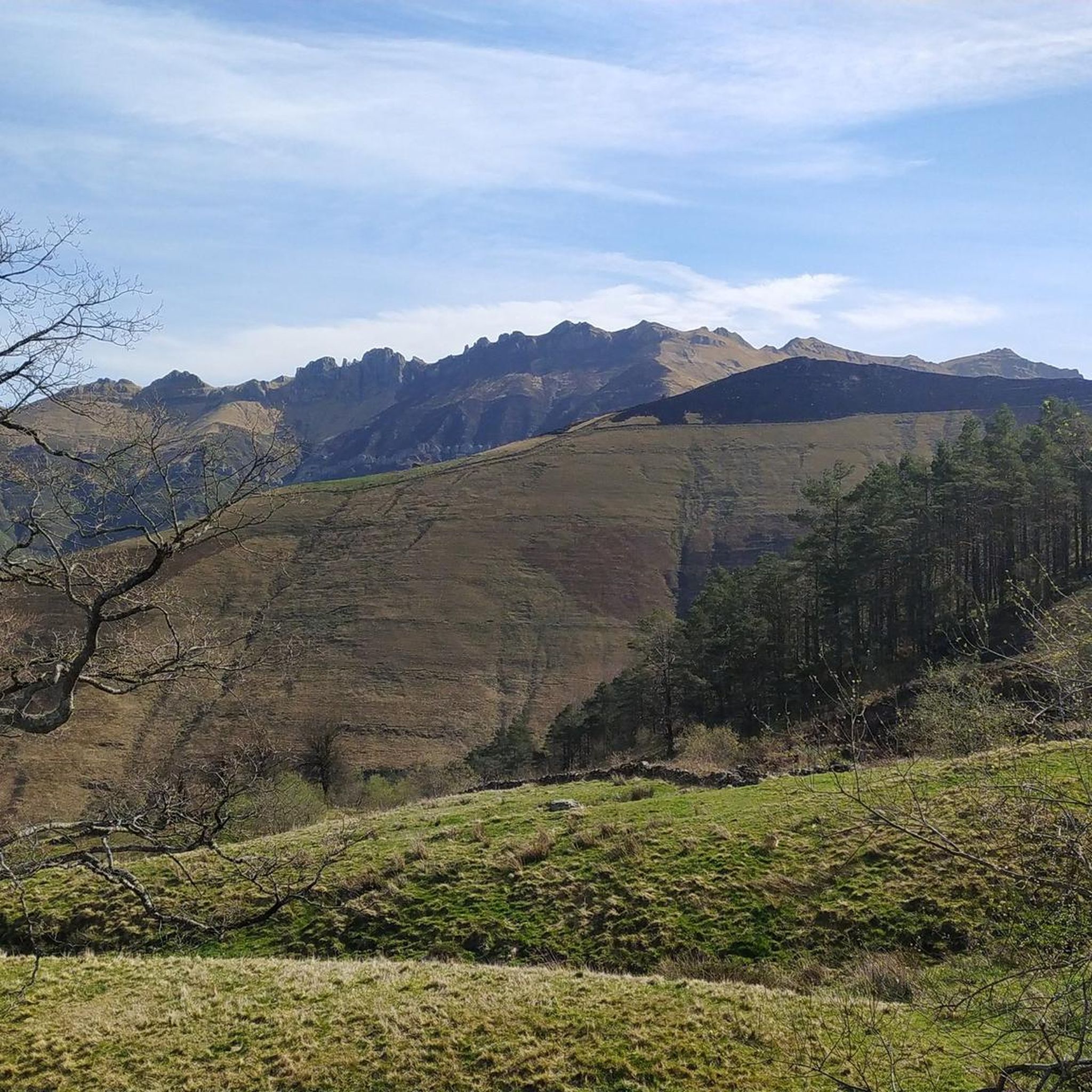
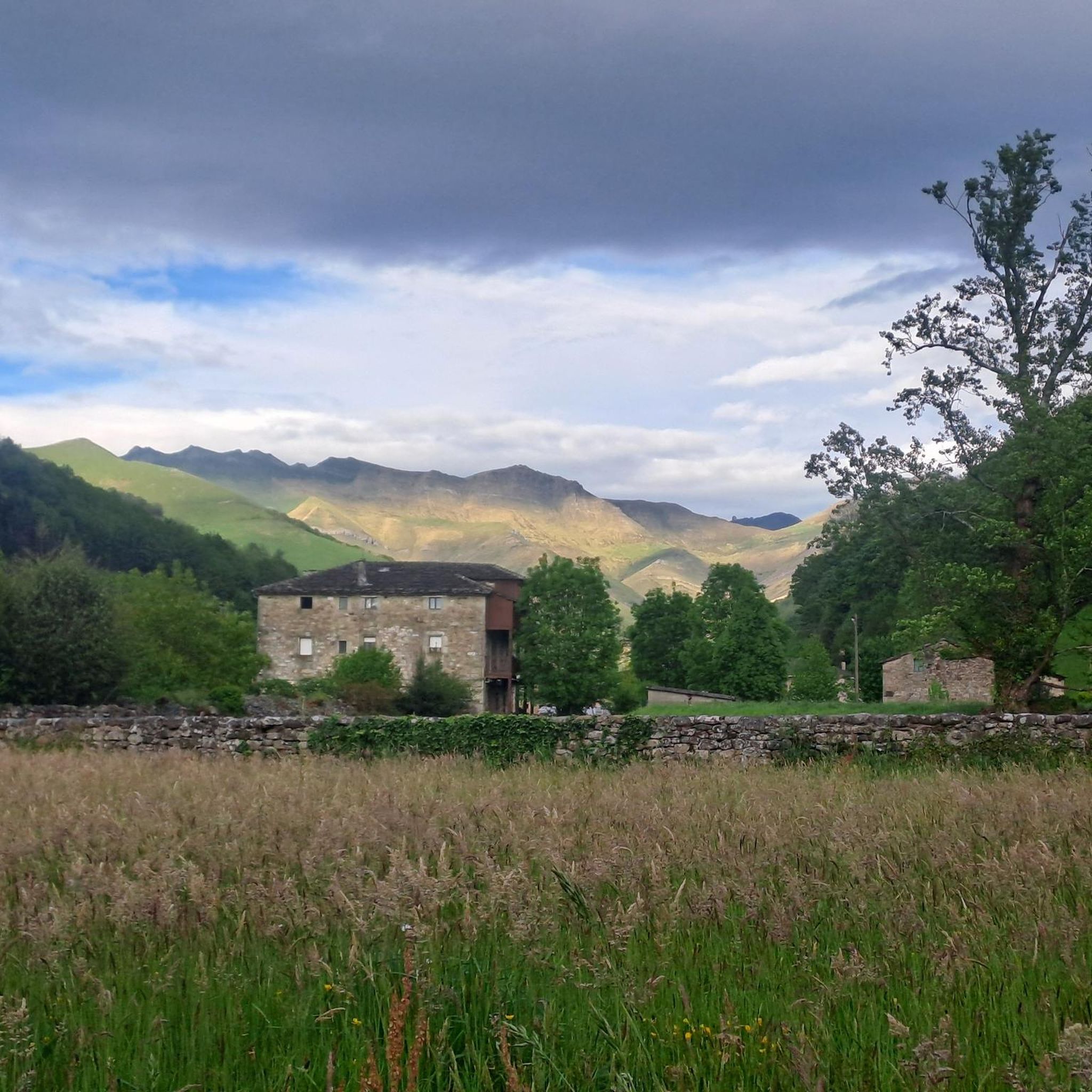
コミュニティからのヒント

The Aján River waterfalls in Vega de Pas, Cantabria, are a spectacular destination for nature and hiking lovers. The route that follows the course of the Aján River offers a succession of waterfalls, stone bridges and tunnels, surrounded by lush forests and green meadows.
5
0

I agree with Lucía, a beautiful trail, especially in spring.
1
0

La Vega de Pas (usually called La Vega) is a town in Cantabria. It is one of the so-called "three country towns" together with San Pedro del Romeral and San Roque de Riomiera.
0
0

The top of Alcor is located at 861 meters above sea level and offers beautiful views towards the Cantabrian interior, more specifically to Villacarriedo and San Roque de Riomiera.
1
0
For almost 3 km, the path that runs along the Aján riverbed from Yera to the Engaña tunnel, is a parade of waterfalls and very picturesque natural pools surrounded by a wonderful environment, none of them will go unnoticed!
3
0

Palacio de Soñanes in Villacarriedo is a Baroque marvel built in the 18th century and located next to the Colegio de los Escolapios. It was ordered to be built by D. Juan Antonio Díaz de Arce y Pérez del Camino, a diplomat of Philip V who became General Intendent of Aragon, between 1718 and 1722. It has been attributed to the Italian architect Cossimo Fontanelli, although it has recently been linked to the Salamanca baroque school, with plateresque and churrigueresque influences, being ultimately assigned to the mountain architect D. Francisco La Riva Ladrón de Guevara. The palace has a quadrangular ground plan, surrounding the old Torre de los Díaz de Arce. It has three floors and a monumental staircase. The facades have great ornamental richness, with free-standing Corinthian columns on the two lower floors and pilasters on the upper one. The Solomonic and balustraded columns have fluted shafts. The openings are rectangular, almost all of them highlighted by decorated columns, and are finished off by split pediments. In the center of the intermediate floor there are wrought iron balconies. The decoration is completed with other elements, such as friezes adorned with fallen leaves or grooves, etc. Pinnacles, modillions, acroteras and gargoyles appear on the roof. There are also some heraldic shields, highlighting the one located in the center of the upper floor of the façade, with the arms of Díaz de Arce and Pérez del Camino. It has recently been restored as a hotel and restaurant Source: https://turismodecantabria.com/disfrutala/que-visitar/133-palacio-de-sonanes
1
0
The Casona de los Miera is located in Selaya and was declared an Asset of Local Interest, with the property category on November 27, 2002. This house, also known as "La Torre" was built at the beginning of the 17th century with ashlars of good quality. This architectural complex is made up of a house and a tower with an “L” floor plan. The house is two stories high and is covered with a gabled roof. The wide arcade opens onto the corralada and the street through two semicircular arches. The wrought-iron balcony has a coat of arms of the Miera, Arce, Castillo de la Concha and Ceballos families and is supported by arches that are supported by pillars without capitals, instead simple imposts appear that are combined with lowered imposts. Protected by the arcade we find some doors that give us access to the interior of the house. The tower, made entirely of ashlar masonry, is three stories high and lacks decorations except for the coat of arms located between two small openings. On the sides of the tower there are two smaller balconies, but also made of wrought iron. The roof is hipped with Arabic tiles and is topped at its corners with pinnacles. Source: https://www.viajarporcantabria.com/casona-de-los-miera-en-selaya/
0
0
At the foot of the leafy De Todos oak grove, in Valvanuz, this building stands on top of another primitive one, of reduced dimensions, which dates back to around the 12th century. Its extension takes place under the protection, perhaps, of Royal patronage, which justifies a coat of arms on the portico of the hermitage, dated 1682, which reads "Long live the King of Castile, patron saint of this chapel". The most important element of the temple is the wood carving of the seated virgin from the end of the 12th century; in his right hand he holds a sphere, and in his left, on his knee, the child. She appears dressed in a tunic and cloak. Currently it is shown in a silver dressing room made with the contributions of the faithful. Source: https://www.vallespasiegos.org/what-to-see-and-what-to-do/item/12-santuario-nrt-sra-de-valvanuz-y-casa-de-la-beata
0
0

komootモバイルアプリでインスピレーションを得よう


さらに探索
他の地域の最高のハイキングを見てみましょう。
