パルケナシオナルデラスタブラスデダイミエルのおすすめライド
5.0
(1)
114
ライダー
10
ライド
パルケナシオナルデラスタブラスデダイミエルでのでおすすめのロードバイクルートをお探しですか?マンチャが誇るこの美しい自然公園周辺で楽しめるライドを集めたkomootコレクションを参考にしてください。次のアドベンチャーでは、パルケナシオナルデラスタブラスデダイミエルの魅力をもっと発見しましょう。
最終更新日: 8月 29, 2026
89.0km
03:40
300m
300m
中程度のロードライド. ある程度のフィットネスレベルが必要です。 全般的に舗装状態が良好で走行しやすい道です。
11
ライダー
48.4km
02:00
190m
190m
中程度のロードライド. ある程度のフィットネスレベルが必要です。 全般的に舗装状態が良好で走行しやすい道です。

無料新規登録
87.0km
03:34
240m
240m
Cycle 54.1 miles through La Mancha, passing towns and the unique wetlands of Parque Nacional de las Tablas de Daimiel.
27
ライダー
65.7km
03:19
1,090m
1,090m
難しいロードライド. 標準以上のフィットネスレベルが必要です。 全般的に舗装状態が良好で走行しやすい道です。
5.0
(1)
15
ライダー
47.6km
02:01
200m
200m
中程度のロードライド. ある程度のフィットネスレベルが必要です。 ツアーの一部に、未舗装のため走行が難しい箇所があるかもしれません。
さらに多くのルートや他のユーザーのおすすめ情報を確認できます。
無料新規登録
すでにアカウントをお持ちですか?
おすすめのツアーは他のkomootユーザーが実際に経験した何千ものアクティビティに基づいています。
無料アカウントで今日から始めよう
次の冒険が待っています。
ログインまたは登録
コミュニティからのヒント

This municipality is located in the La Mancha region, between the first foothills of the Montes de Toledo and the vast La Mancha plain. It is known for its cultural and natural heritage, including the Ojos del Guadiana site, the source of the Guadiana River. It also shares the Tablas de Daimiel National Park, an important wetland, with the neighboring municipality of Daimiel. Villarrubia de los Ojos has a rich history dating back to the Middle Ages, when control of the territory passed from the Order of Saint John of Jerusalem to the Order of Calatrava after the Battle of Las Navas de Tolosa in 1212. The town also boasts an interesting architectural and cultural heritage, including the Hermitage of San Cristóbal and the "San Isidro Labrador" Ethnographic Museum.
15
0
Villarrubia de los Ojos is a charming place to visit! Historic Center: Stroll through its streets and discover the traditional architecture and history of the town. San Isidro Labrador Ethnographic Museum: Learn more about local culture and traditions. Tablas de Daimiel National Park: Just 20 km away, this wetland is perfect for nature lovers. Sanctuary of the Virgin of the Sierra: A place of great religious and cultural significance.
18
0
The parish was built in the 17th century and is the most famous building in Fuente el Fresno. It is built on the side of the mountain and has a double function: religious and defensive. The temple is mainly made of masonry, although some corners of the façade have been reinforced with brick. Inside the temple, you can find the image of Santa Quiteria and a baroque main altarpiece. In addition, it houses crosses of military orders, reflecting its history and relevance in the community. I hope this information is useful to you!😊
19
0

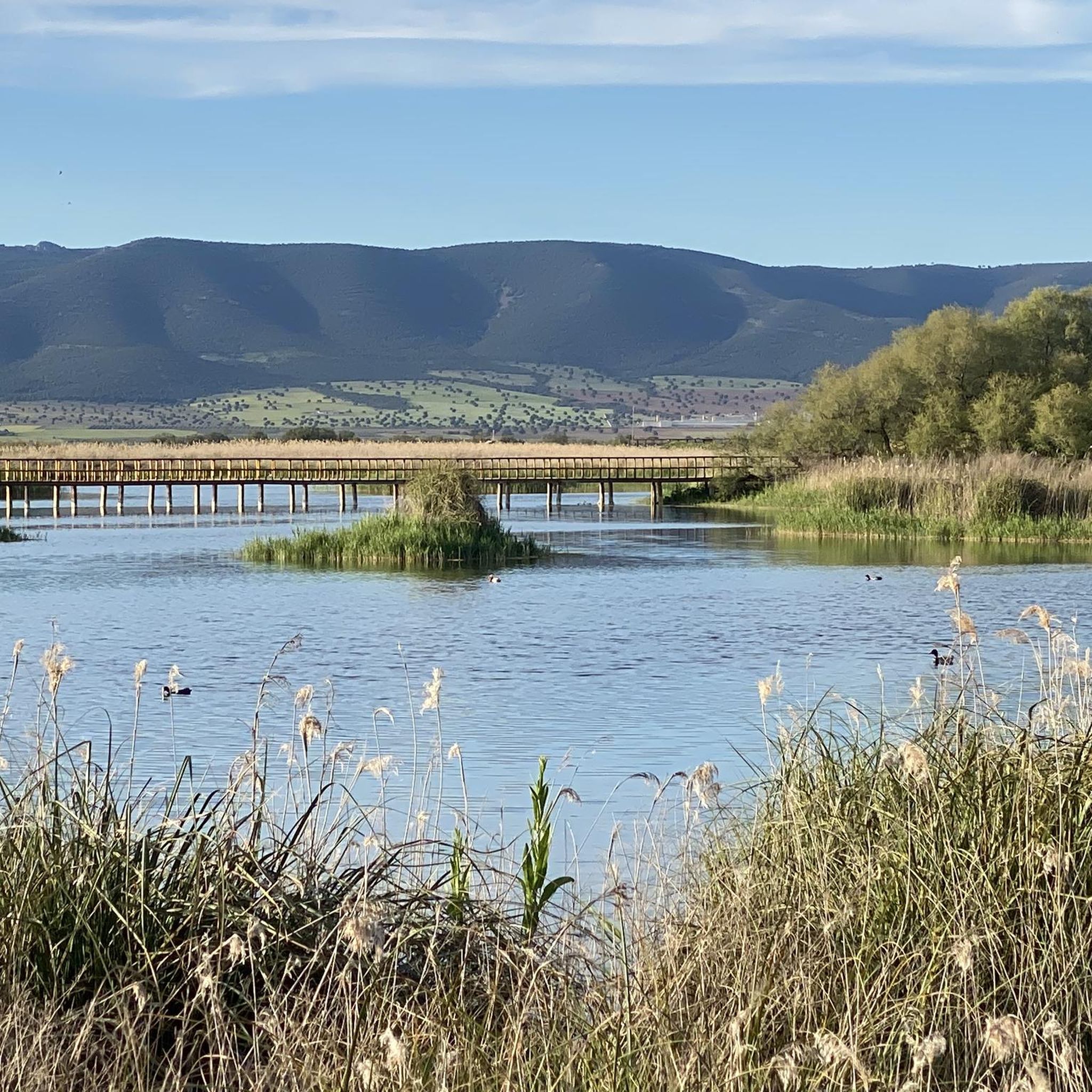
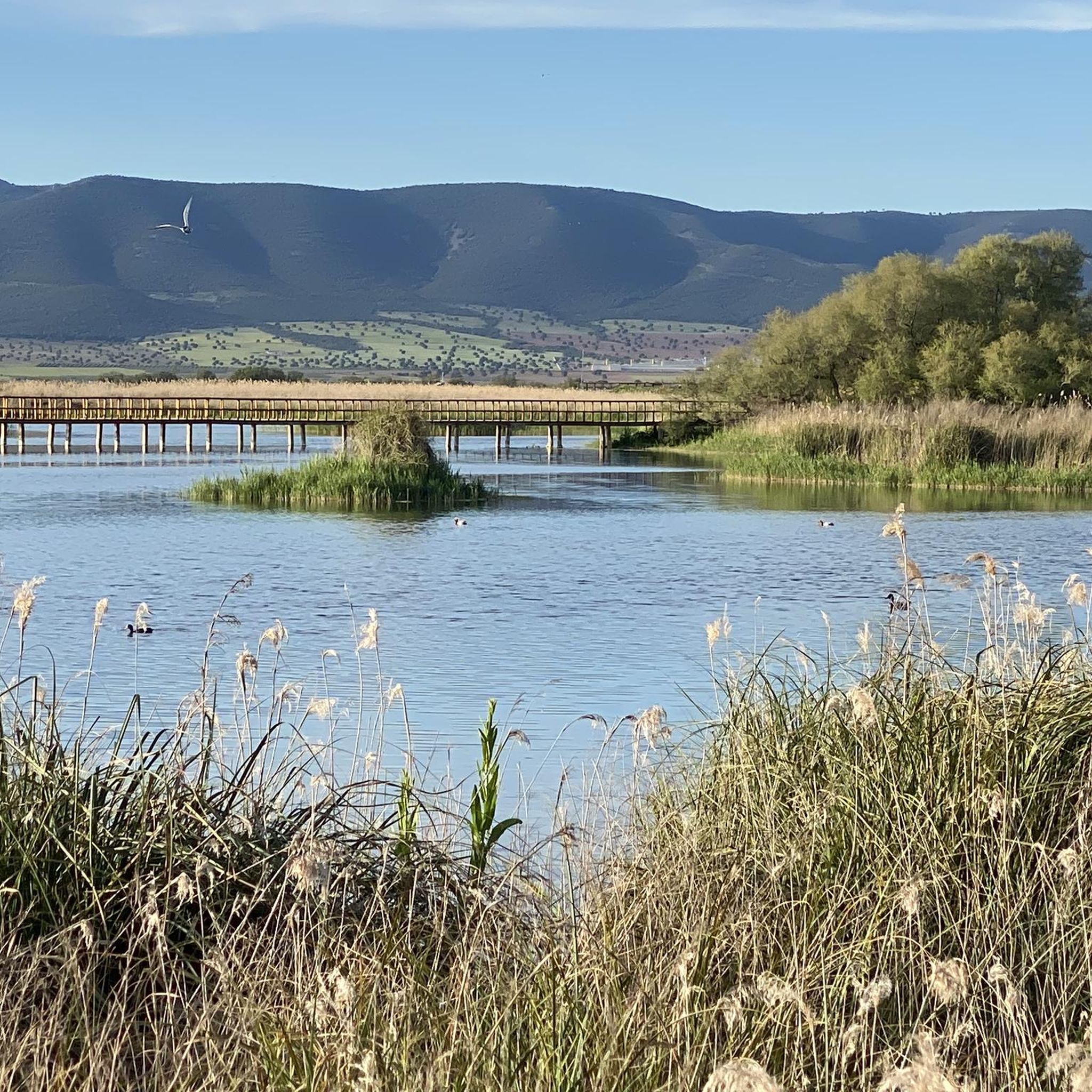
Very beautiful wooden walkways provide impressive insights into the flora and fauna of the wetland.
8
2
From the 15th and 16th centuries. It is a large building, as corresponds to the style of buildings located next to important roads. It has a three-nave plan, apse and central pilasters.
29
0
The original church was built between the 15th and 16th centuries. Located near the Camino Real de la Plata and behind the missing Castle, it was the only parish in Malagón until 1962, the year in which a new parish was erected with the name of Santa Teresa de Jesús. The current church preserves its original layout: three-nave floor plan, apse and central pilasters. The dome that tops the transept has been replaced by a modern lantern that illuminates the transept and the presbytery.
32
0
The name Fuente el Fresno comes from a fountain located on a hillside above the old Roman road that links Toledo with Córdoba. Houses have been built along its route since an undetermined date. Its 17th century Parish Church of Santa Quiteria stands out as a place of interest. Declared a Historic-Artistic Monument in 1991.
8
0
Located at the entrance to the National Park, the “Molino de Molemocho” Visitor Center is an old hydraulic mill, like so many others that once served, taking advantage of the abundant flow of water, to grind grain. The mill is accessed through a pleasant walk of about 400 meters in length, along a boardwalk whose beginning is in the parking lot set up for this purpose. This mill is mentioned in the Topographical Relations of Philip II, in the year 1575. The Molemocho Mill has been recently restored, and inside it offers us an ethnographic exhibition of the different hydraulic elements that were part of the facilities of a mill. .
3
0
パルケナシオナルデラスタブラスデダイミエルでのの人気観光スポット

komootモバイルアプリでインスピレーションを得よう


さらに探索
他の地域の最高のロードサイクリングルートを見てみましょう。
