ダイミエルのおすすめライド
4.6
(8)
288
ライダー
27
ライド
ダイミエル周辺のロードバイクルートをお探しですか?ここでは、komootが提供するダイミエルでのロードバイクライドのコレクション全体を評価して選び抜いた人気ルートをご紹介します。各ライドの詳細をぜひご覧ください。
最終更新日: 8月 31, 2026
3
ライダー
81.0km
03:12
200m
200m
中程度のロードライド. ある程度のフィットネスレベルが必要です。 全般的に舗装状態が良好で走行しやすい道です。
2
ライダー
102km
03:57
220m
220m
中程度のロードライド. ある程度のフィットネスレベルが必要です。 全般的に舗装状態が良好で走行しやすい道です。

無料新規登録
89.0km
03:40
300m
300m
中程度のロードライド. ある程度のフィットネスレベルが必要です。 全般的に舗装状態が良好で走行しやすい道です。
14
ライダー
57.4km
02:50
490m
490m
中程度のロードライド. ある程度のフィットネスレベルが必要です。 ツアーの一部に、未舗装のため走行が難しい箇所があるかもしれません。
10
ライダー
33.2km
01:24
150m
150m
中程度のロードライド. あらゆるフィットネスレベルに適しています。 ツアーの一部に、未舗装のため走行が難しい箇所があるかもしれません。
さらに多くのルートや他のユーザーのおすすめ情報を確認できます。
無料新規登録
すでにアカウントをお持ちですか?
おすすめのツアーは他のkomootユーザーが実際に経験した何千ものアクティビティに基づいています。
無料アカウントで今日から始めよう
次の冒険が待っています。
ログインまたは登録


コミュニティからのヒント

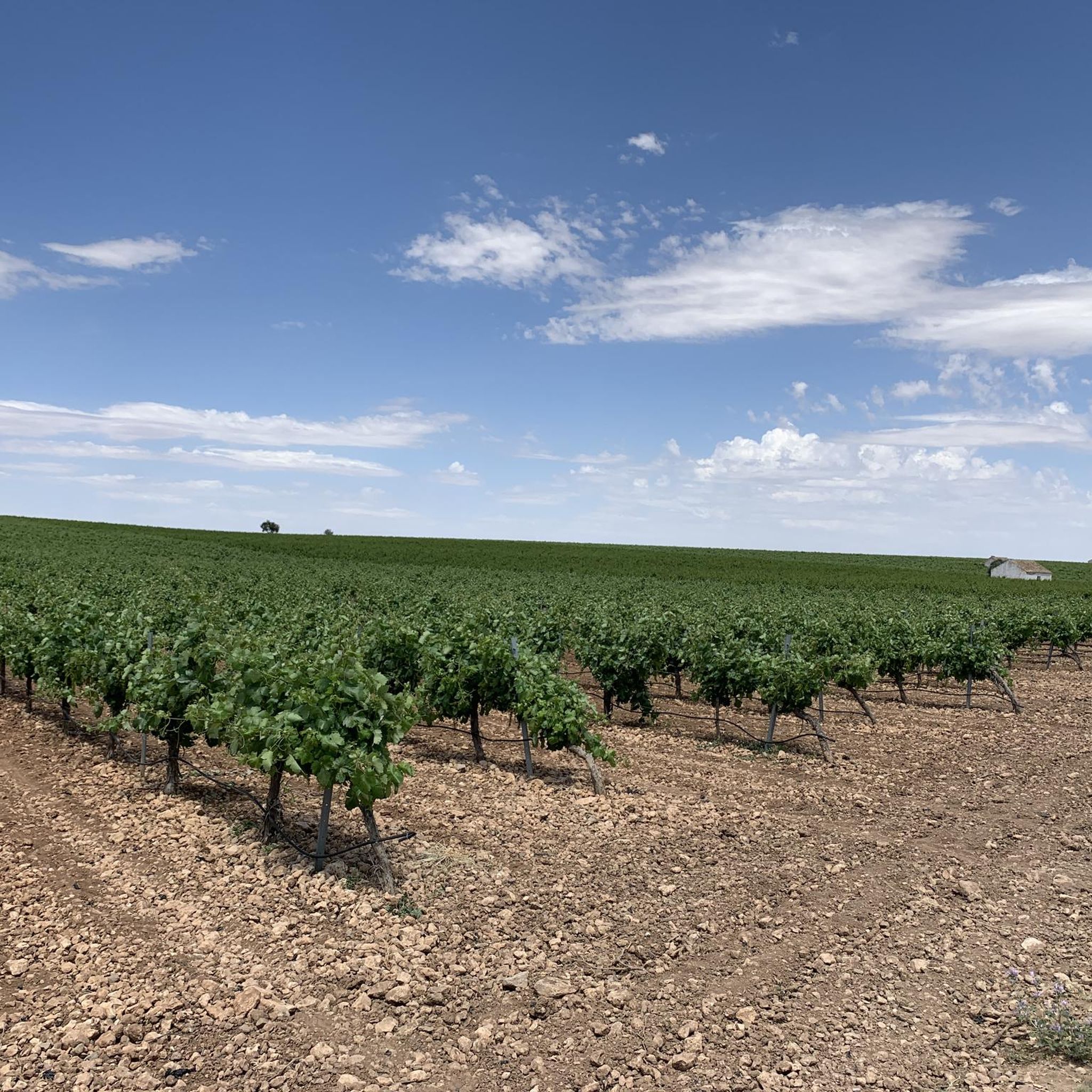
This municipality is located in the La Mancha region, between the first foothills of the Montes de Toledo and the vast La Mancha plain. It is known for its cultural and natural heritage, including the Ojos del Guadiana site, the source of the Guadiana River. It also shares the Tablas de Daimiel National Park, an important wetland, with the neighboring municipality of Daimiel. Villarrubia de los Ojos has a rich history dating back to the Middle Ages, when control of the territory passed from the Order of Saint John of Jerusalem to the Order of Calatrava after the Battle of Las Navas de Tolosa in 1212. The town also boasts an interesting architectural and cultural heritage, including the Hermitage of San Cristóbal and the "San Isidro Labrador" Ethnographic Museum.
15
0
Villarrubia de los Ojos is a charming place to visit! Historic Center: Stroll through its streets and discover the traditional architecture and history of the town. San Isidro Labrador Ethnographic Museum: Learn more about local culture and traditions. Tablas de Daimiel National Park: Just 20 km away, this wetland is perfect for nature lovers. Sanctuary of the Virgin of the Sierra: A place of great religious and cultural significance.
18
0
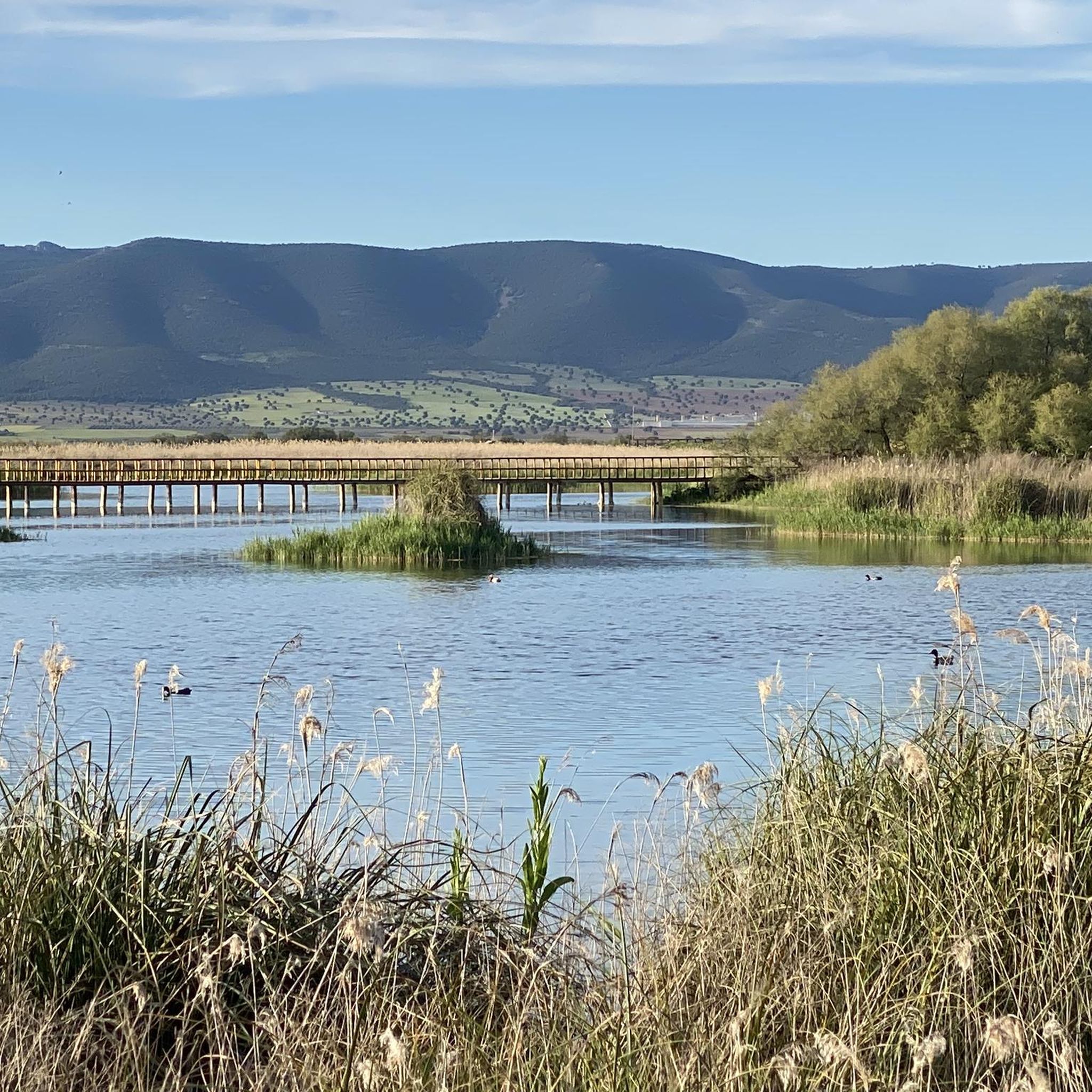
A wetland that is practically unique in Europe and the last representative of the ecosystem known as river tables, once characteristic of the central plain of our Peninsula.
6
0

Very beautiful wooden walkways provide impressive insights into the flora and fauna of the wetland.
8
2
The Manzanares Castle (Castillo de Pilas Bonas) is included in the Inventory of Architectural Heritage of Historical-Artistic Interest carried out by the Ministry of Culture in 1979. Although there are still many dark points regarding the origin of the Castle and the town of Manzanares, various historians agree that the Castle must have been built around the year 1239, after the demarcation of the territories of the orders of Santiago and Calatrava. The reasons for its construction would probably be the proximity to the Azuer River, the existence of wells with abundant water or the crossing of roads and trails.
4
1
In Arenas de San Juan is the fortified Church of Nuestra Señora de las Angustias, which constitutes one of the most beautiful and original buildings of Romanesque-Mudejar art from the late 12th century and early 13th century, built and fortified by the knights of the Order of Santiago. Its great artistic importance lies in the Romanesque mural paintings, which derive from the Italo-Byzantine movement that appeared in Spain at the beginning of the 13th century and constitute an almost unique example of Romanesque religious architecture that unites Mudejar forms in La Mancha. It was declared a Monument of Artistic Interest in 1976. Over the Guadiana River, a bridge with twelve small ashlar arches.
19
0
The Bañuelos River Bridge from Roman times surprises us with its ten eyes, today battered awaiting rehabilitation, formed by brick vault arches, joined with lime and sand mortar. On the right bank of the river next to the bridge is the Carrillo Mill, named after its first owner. It is a construction from 1713, made with masonry walls and thick cylindrical buttresses, covered with wooden trusses and curved tiles that preserve the original machinery.
35
0
The Bañuelos River Bridge from Roman times surprises us with its ten eyes, today battered awaiting rehabilitation, formed by brick vault arches, joined with lime and sand mortar. On the right bank of the river next to the bridge is the Carrillo Mill, named after its first owner. It is a construction from 1713, made with masonry walls and thick cylindrical buttresses, covered with wooden trusses and curved tiles that preserve the original machinery.
17
0
ダイミエルでのの人気観光スポット

komootモバイルアプリでインスピレーションを得よう


さらに探索
他の地域の最高のロードサイクリングルートを見てみましょう。
