サンティルソデアブレス周辺のアトラクション&必見スポット - トップ20
サンティルソデアブレスには必見のスポットがたくさんあります。ハイキング愛好家やサイクリング愛好家の方は、ぜひサンティルソデアブレスを探索してこのエリアにある20
の隠れたスポットを訪れてみてください。このエリアの必見スポットを確認し、次の冒険に出かける計画を立てましょう。
最終更新日: 10月 10, 2026
イグレシャ・ダ・ポンテ
ハイライト • 宗教的な場所
翻訳者 Google •
役立つ情報 は

ビラウドリスの石灰窯
ハイライト • 記念碑
翻訳者 Google •
役立つ情報 は

今すぐサインアップして、こんな場所を発見しよう
最高のシングルトラック、ピーク、その他のエキサイティングなアウトドアスポットのおすすめを受け取ろう。
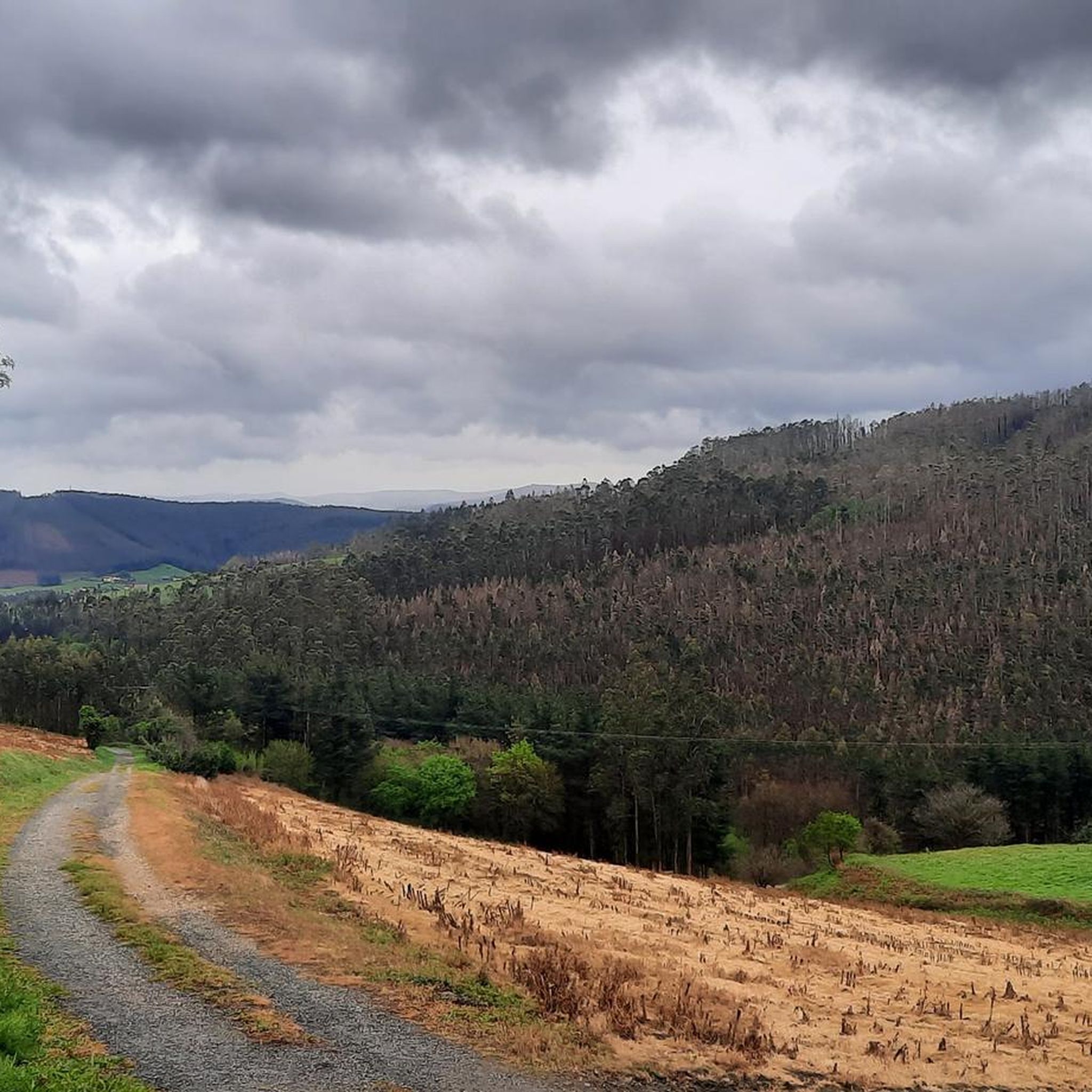
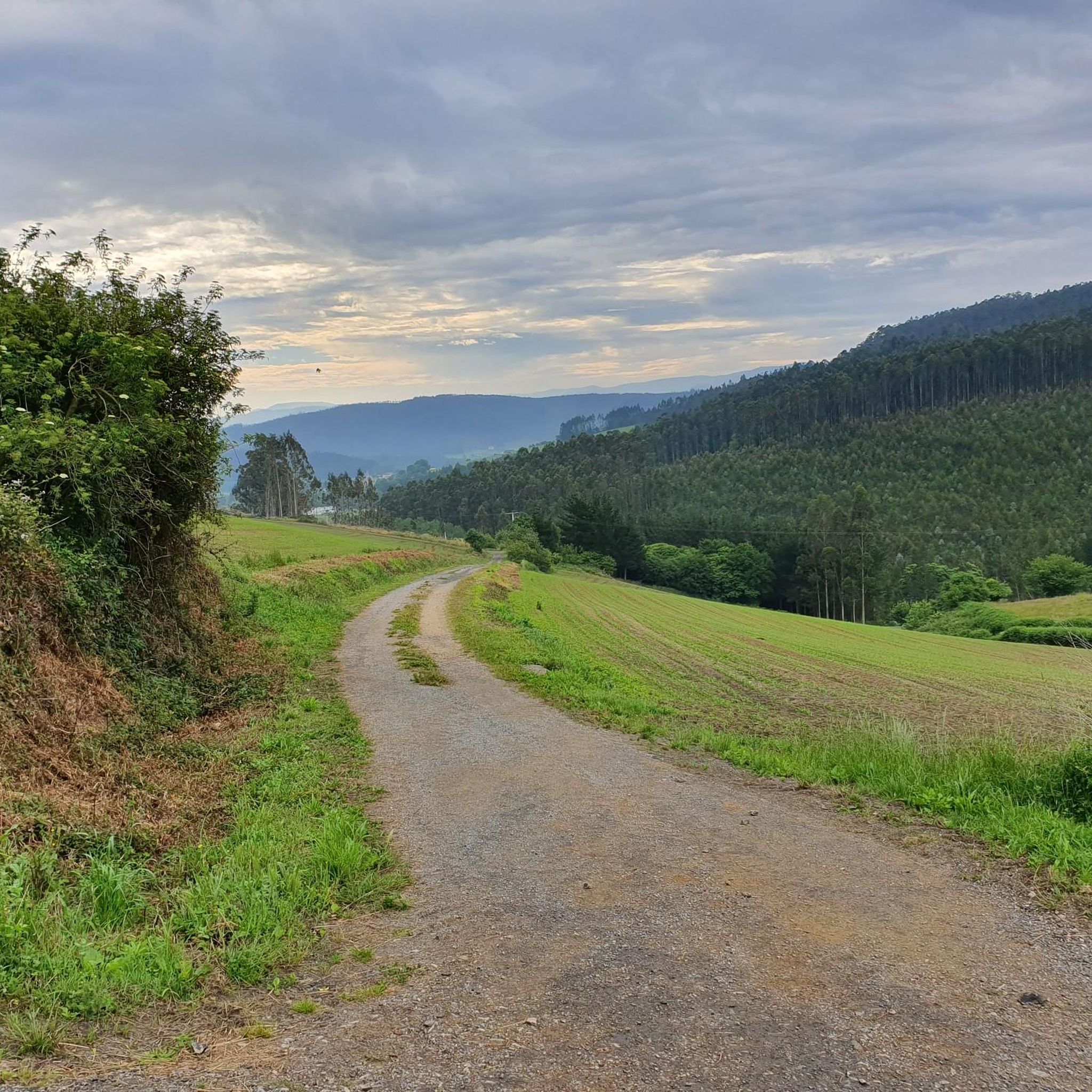
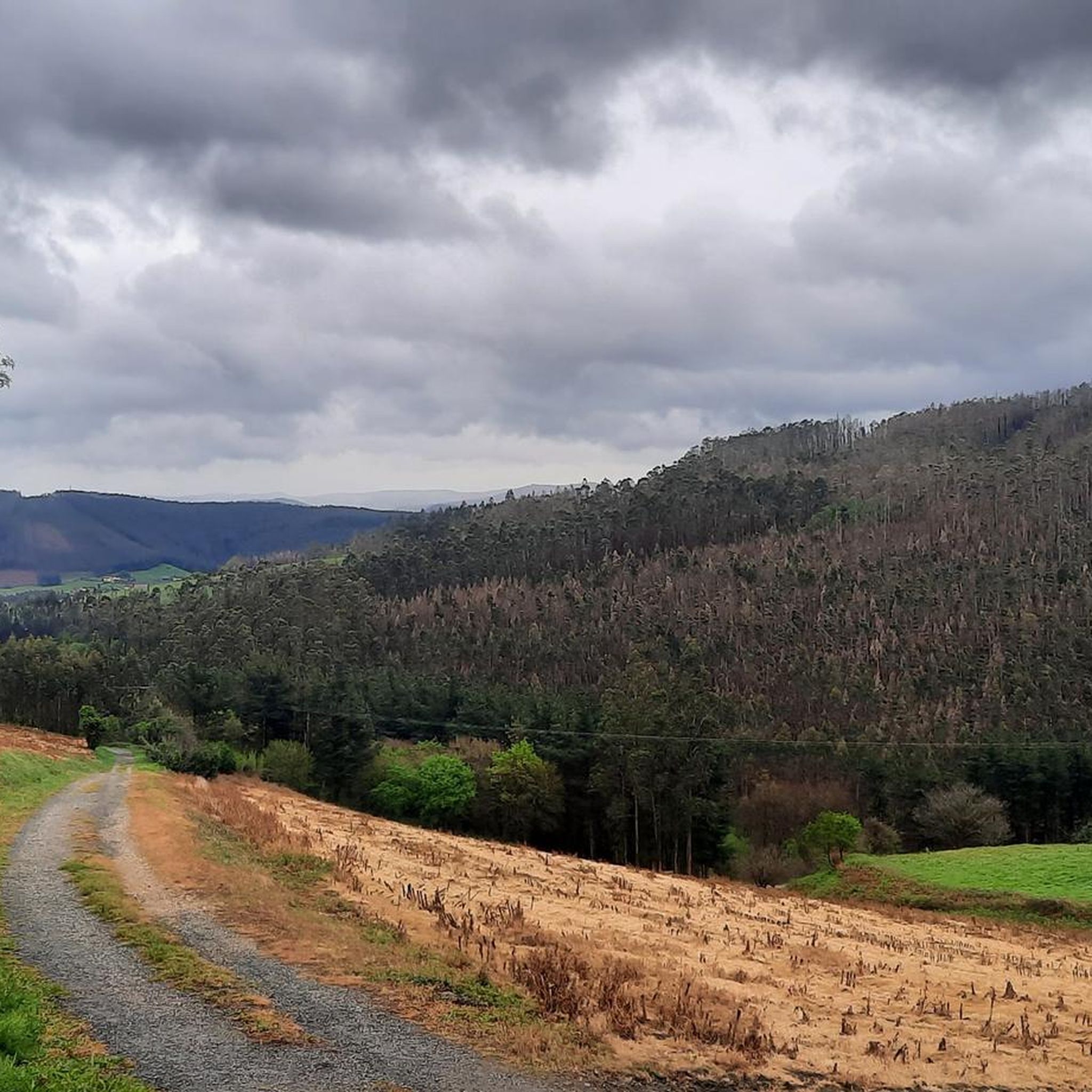
ユーカリの森を通って
ハイライト • 森
翻訳者 Google •
役立つ情報 は

サン・マルティン教会(タラムンディ)
ハイライト • 宗教的な場所
翻訳者 Google •
役立つ情報 は

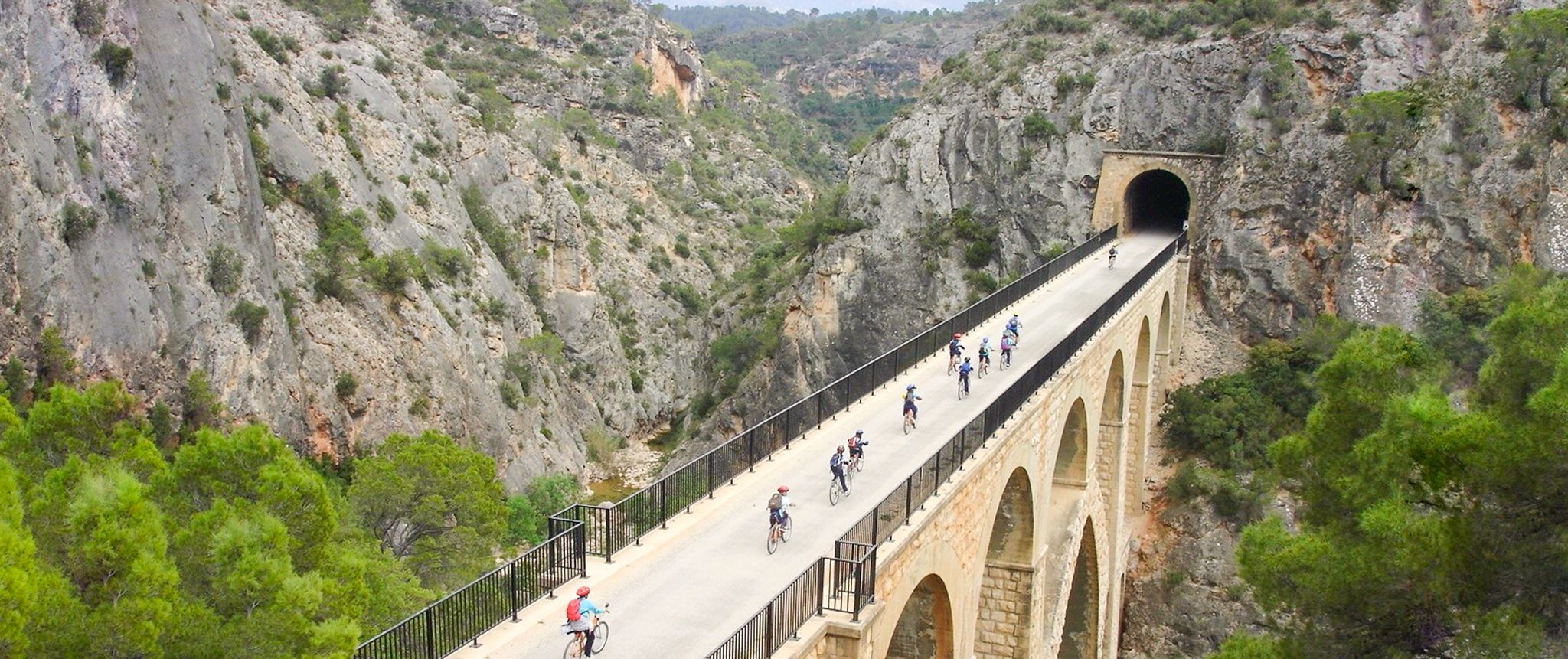
カミーノ・デ・サンティアゴ・デル・ノルテ
ハイライト • トレイル
85 kilometers. 1,590 positive meters.
A good way to find inspiration at the beginning of a cycling trip is to pedal slowly following the universal yellow arrows …
翻訳者 Google •
役立つ情報 は

無料でサインアップして、さらに多くの観光スポットを発見しましょう サンティルソデアブレスでの。
すでにアカウントをお持ちですか?
無料アカウントで今日から始めよう
次の冒険が待っています。

コミュニティからのヒント

Stage 1. Ribadeo/Burela 85 kilometers. 1,590 positive meters. A good way to find inspiration at the beginning of a cycling trip is to pedal slowly following the universal yellow arrows of the Camino de Santiago. In Ribadeo the Natural Path of the Cantabrian Route begins and it is also the entrance to Galicia of the Camino del Norte or Camino de la Costa from Asturias, in both ways the Camino de Santiago is known, which runs along the Cantabrian coast from Irún to Santiago. of Compostela. The Jacobean route leaves the Cantabrian coast and faces the first stage through the interior of Galicia, the landscape, the language and the cultural signs change but the faithful yellow arrows remain along with the inseparable Compostela scallop along the Camiño Norte. The main purpose of including this variant in the trip is to connect with the San Rosendo Natural Trail and get to know the landscapes and towns that this ancient pilgrimage route runs between Mondoñedo and Foz. The connection point between the Camino de Santiago and the Natural Route is in Vilanova de Lourenzá, the old town of Puente from other times, when pilgrims sought asylum and protection in the inn of the Benedictine monastery of San Salvador. The meeting between the two routes is precisely at the medieval bridge of the Baos River, at the entrance to the town, and you could continue directly along the San Rosendo Natural Path towards the coast, but a visit to the historic city of Mondoñedo is essential , former seat of courts, manors and bishoprics, has an old town declared a Historic-Artistic Site with arcades, cobbled streets and facades decorated with shields and coats of arms.
0
0

«This chapel and nave made parishioners and a priest. Year 1714». The inscription printed on a slab dates the church of San Martín, located in the heart of Taramundi; a religious temple that, due to its large dimensions, can be seen from any point in the town or from the mountains. A church, which three hundred years later the descendants of those parishioners from the 18th century, keep standing by financing its rehabilitation. Its high, square and solid tower stands out, topped by a slate capital, although it is not the original one that was destroyed by lightning. The current one dates from 1952. Inside there are six altarpieces, all of them in Neoclassical style, except for the main altarpiece in Baroque style.
0
0

The Vilaoudriz kilns, made up of five kilns built in different stages, are the largest set of calcination kilns in the northwest of the peninsula and a visit is highly recommended. The two oldest were built in brick, while the other three used masonry. With 11 meters high and 4 meters in diameter each, and four loading entrances, this construction also preserves a mine entrance from where the mineral extracted from the Vieiro Mine came.
2
0
The Vilaoudriz kilns, made up of five kilns built in different stages, are the largest set of calcination kilns in the northwest of the peninsula and a visit is highly recommended. The two oldest were built in brick, while the other three used masonry. With 11 meters high and 4 meters in diameter each, and four loading entrances, this construction also preserves a mine entrance from where the mineral extracted from the Vieiro Mine came.
2
0

The ancestry of the eucalyptus trees along the northern Camino de Santiago.
6
2
Located on the side of the Camino Norte de Santiago, the old Camino Real. The origin of this temple dates back to the end of the 14th century, although it was reformed in later centuries. This sanctuary is a construction of a single nave with a gabled roof, with interior wooden framework, just like the nave. On the altar there is a Renaissance altarpiece with images of Our Lady of Virtues and a Santiago Matamouros. In the 1970s, a magnificent set of mural paintings from the late-medieval period were left open to the sky, including: various scenes from the infancy of Christ, a figure of "active death" opposed to the figure of a man luxuriously dressed and headdressed ; in addition, a Marian trio and a votive offering that alludes to the sea.
7
1

The forests are not very special, but offer shade on the tour.
4
0

During your walk through Galicia, you will walk through eucalyptus forests again and again. These trees, which are actually native to Australia, were brought to Galicia in the 19th century. In recent years, they have experienced a great reforestation. This is discussed regionally controversial, since they dig up the other trees, among other things, the water. For you this means above all hiking with eucalyptus scent in the nose.
4
0

komootモバイルアプリでインスピレーションを得よう


さらに探索
まだ探しているハイライトが見つかりませんか?他の地域のトップアトラクションのガイドを見てみましょう:
