シュリジーのおすすめライド
4.4
(74)
569
ライダー
193
ライド
シュリジー周辺のロードバイクルートをお探しですか?ここでは、komootが提供するシュリジーでのロードバイクライドのコレクション全体を評価して選び抜いた人気ルートをご紹介します。各ライドの詳細をぜひご覧ください。
最終更新日: 8月 26, 2026
5.0
(1)
45
ライダー
42.2km
01:39
100m
100m
中程度のロードライド. あらゆるフィットネスレベルに適しています。 ツアーの一部に、未舗装のため走行が難しい箇所があるかもしれません。
10
ライダー
34.7km
01:25
180m
180m
初級者向けロードバイクライド. あらゆるフィットネスレベルに適しています。 全般的に舗装状態が良好で走行しやすい道です。

無料新規登録
9
ライダー
45.4km
01:48
200m
200m
初級者向けロードバイクライド. あらゆるフィットネスレベルに適しています。 全般的に舗装状態が良好で走行しやすい道です。
7
ライダー
64.8km
02:34
250m
250m
中程度のロードライド. ある程度のフィットネスレベルが必要です。 全般的に舗装状態が良好で走行しやすい道です。
9
ライダー
40.0km
01:36
180m
180m
初級者向けロードバイクライド. あらゆるフィットネスレベルに適しています。 全般的に舗装状態が良好で走行しやすい道です。
さらに多くのルートや他のユーザーのおすすめ情報を確認できます。
無料新規登録
すでにアカウントをお持ちですか?
おすすめのツアーは他のkomootユーザーが実際に経験した何千ものアクティビティに基づいています。
無料アカウントで今日から始めよう
次の冒険が待っています。
ログインまたは登録

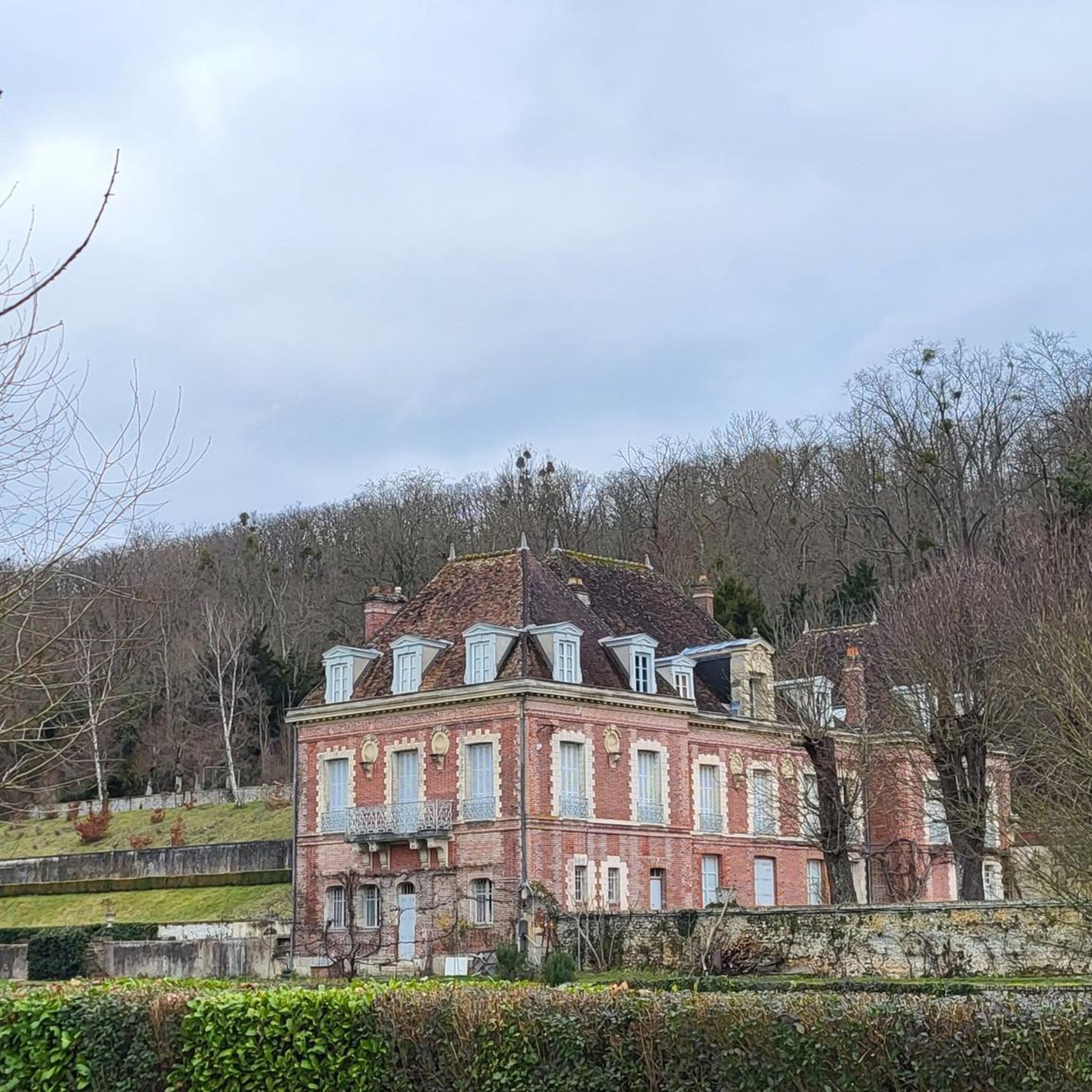
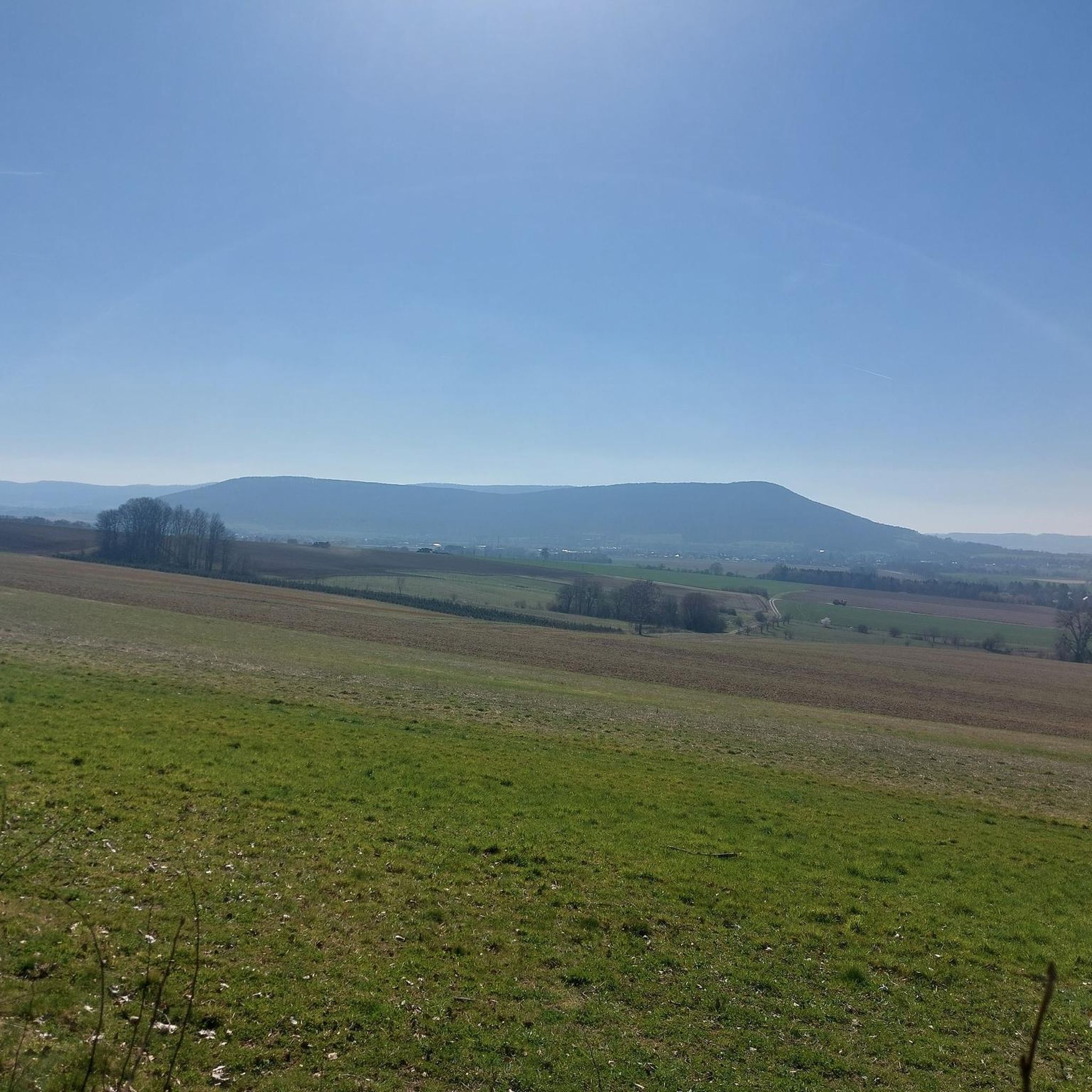


コミュニティからのヒント


The Moulin de Mormoulins is a watermill located on the Eure River in the hamlet of Mormoulins. This mill dates back to the 18th and 19th centuries and is a listed historical monument. You can admire the old stone building, the wooden wheel, and the canal that diverts water from the river as you pass in front of the mill. The mill is surrounded by green fields and trees, creating a peaceful and relaxing atmosphere.
0
0

The nave and aisles were built in the mid-16th century, probably at the same time as the funerary chapel of Diane de Poitiers. The apse belongs to a 12th or 13th century building, the interior of which was restored in the 16th century.
0
0
The construction of the original church of Sorel dates back to the 10th century. In 1113, this church was destroyed during the siege of the fortress of Sorel by the troops of Henry VIII of England coming from Normandy. Its identical reconstruction was unfortunately halted by a fire in 1134. The current church was rebuilt starting in the 13th century, with the chevet completed in the 15th century, and the first two bays of the nave and the northern seigneurial chapel in the 16th century. The bell tower was built in the 17th century by blinding a window. The building is constructed of flint, lime, and white stone on a sandstone base. The upper part is made of Vernon stone. The tiled roof is supported by a beautiful rafter frame whose tie beams are decorated with chimera heads, also called "howling devils." In the choir, the 19th-century altar recalls medieval sculptures. An interesting collection of stained-glass windows dating from 1850. After extensive renovations, masses have been celebrated again since 2007.
0
0
The first mention of the existence of the Church of Saint-Martin de Nonancourt is a 12th-century charter, but the original building probably dates back to the 7th or 8th century. The bell tower that now occupies the middle of the façade dates from the reconstructions of 1204. During the Hundred Years' War, the church was largely destroyed, like many buildings in the region. The side aisles, nave, and choir were rebuilt in the 16th century. The Chapel of the Virgin, also known as the Chapel of the Rosary, was also added. The Church of Saint-Martin contains numerous works of art, some of which are listed: neo-Gothic and Renaissance furnishings, including the centerpiece, the pulpit, a veritable wooden lacework; a variety of statuary, a 16th-century organ case and finally an enigmatic fresco discovered during recent works in 2001. The stained-glass windows of the church constitute a truly remarkable collection, both in terms of their number (26 in total) and their quality. The lower windows of the nave are the oldest pieces, dating from the 1500s, while the upper windows date from the 1520s and 1530s.
0
0
The current church was almost entirely rebuilt in 1542 on Gothic foundations. The Gothic church was reportedly destroyed in 1424 by the English. According to legend, Saint Lubin, Bishop of Chartres, came to rest in this place, which housed a recluse inhabited by a monk. A chapel was built there towards the end of the 6th century.
0
0
Dedicated to Saint Blaise, the church of Havelu is oriented and comprises a single nave. Its construction dates back to the 16th century. The choir, older and narrower than the nave, ends in a three-sided chevet. Constructed of flint blocks, the building is erected on a sandstone base. Two-stepped buttresses rise to the cornice. The western door appears to date from the 19th century, based on a Gothic-inspired model. It consists of a pointed arch with two tori exposed by wide grooves resting on prismatic bases. A lowered arch supports the blind tympanum. A shell is carved on the lintel of the south door, now walled up. A pointed octagonal spire rises from the bell tower. The roof is slate. Inside, the roof structure is exposed and retains the original stencilled decoration on the shingles. The name of the clergyman who commissioned it can still be seen: "M[ai]stre Jehan Menere p[re]b[t]re chaplain of this place." The furnishings of Havelu church are remarkable for their uniform 18th-century decoration. A partition altarpiece is located in the choir. Signed and dated by the artist, Pierre Pilastre (1753), it features, in the center, a painting of the Resurrection, inserted between two fluted pilasters flanked by scrolls with floral and fruit motifs and topped with fire pots. At the ends, each of the two doors is surmounted by a painting, one depicting Saint Blaise, the other Saint Barbara. At the choir entrance, the triumphal arch—by the same craftsman—also survives. A work bench, a confessional, and a lectern from the same period complete this decorative ensemble. In 1998, the Sauvegarde de l'Art Français (French Art Protection Association) granted a donation of 60,000 francs to strengthen the bell tower's framework.
0
0
シュリジーでのの人気観光スポット

komootモバイルアプリでインスピレーションを得よう


さらに探索
他の地域の最高のロードサイクリングルートを見てみましょう。
