シャトー・テボーのおすすめライド
4.2
(226)
5,672
ライダー
473
ライド
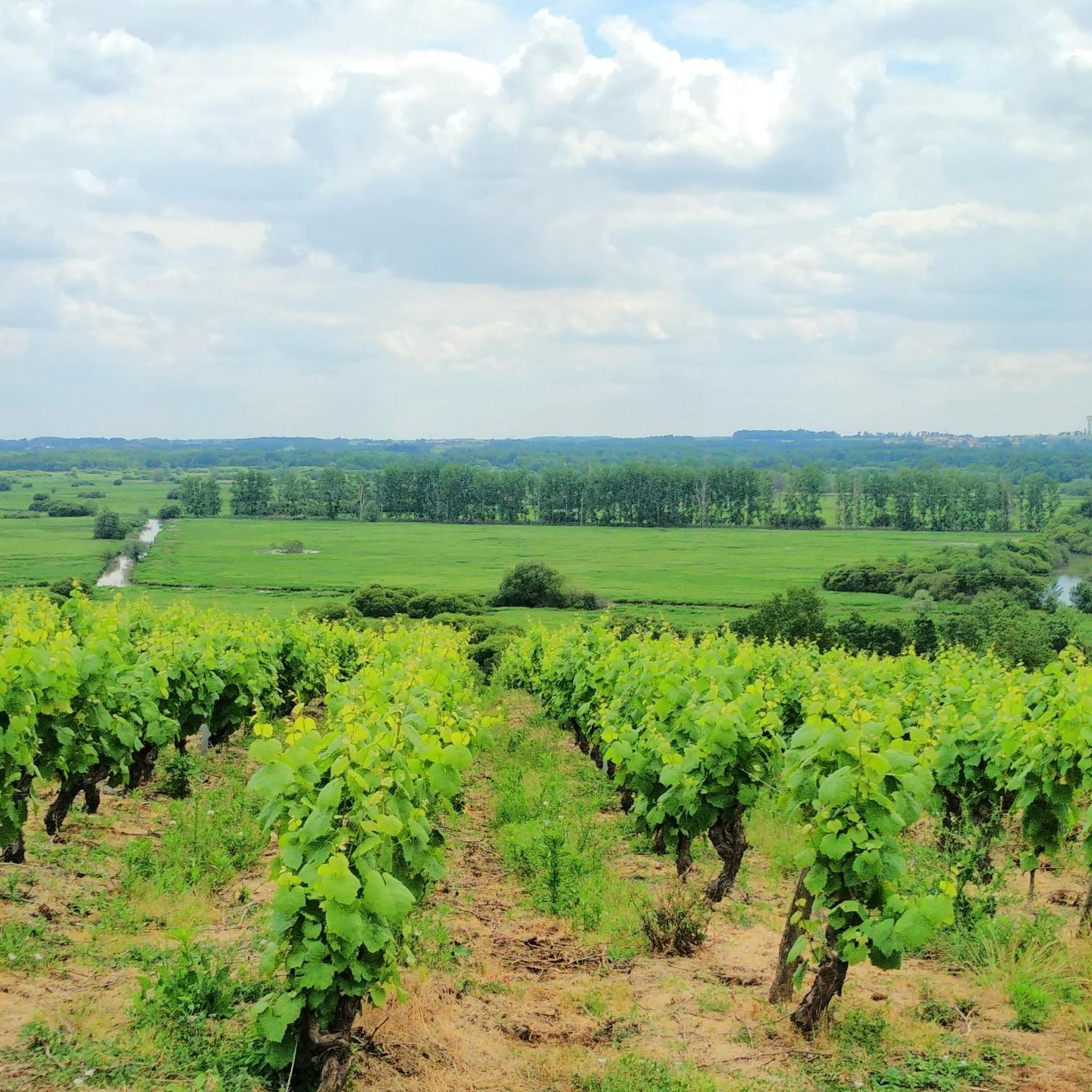
シャトー・テボー周辺のロードサイクリングルートは、深く刻まれたメーヌ川の谷、花崗岩の断崖、そして広大なミュスカデ・セーヴル・エ・メーヌのブドウ畑を特徴とする景観を巡ります。この地域は、木々に覆われた丘陵地帯や川の蛇行など、変化に富んだ地形を備え、多様なサイクリング体験を提供します。アルモリカ山塊の一部であるこの地域は、田園地帯を通る挑戦的な登り坂と、より穏やかなルートの両方を提供します。
シャトー・テボー周辺のベストロードサイクリングルート
- 最も人気のあるロードサイクリングルートは、シャトー・テボー発、エマヌエル・リッツ作「ピクチャーフレーム」ループで、走行距離は61.9km(38.4マイル)、所要時間は2時間46分です。このルートからは、メーヌ川の谷と周辺のブドウ畑のパノラマビューを楽しめます。
- 地元のロードサイクリストの間で次に人気が高いのは、アイグレイユフール・シュル・メーヌ発ロードバイクループで、走行距離45.0km(27.9マイル)のイージーコースです。このルートは、景色の良い田園地帯とブドウ畑の風景を巡ります。
- 地元のロードサイクリストに愛されているもう一つのルートは、シャトー・テボー発、エマヌエル・リッツ作「ピクチャーフレーム」~クラッソン城ループで、走行距離52.8km(32.8マイル)です。川沿いの谷を通り、史跡を巡るこのルートは、所要時間約2時間13分で走破できます。
- シャトー・テボー周辺のロードサイクリングは、ブドウ畑の景観、川沿いの谷、花崗岩の断崖が特徴です。このネットワークは、イージーなコースからより難易度の高いルートまで、様々なレベルのサイクリストに対応しています。
- シャトー・テボーのルートは、komootコミュニティから高く評価されており、190件以上のレビューで平均4.2つ星を獲得しています。5000人以上のロードサイクリストがkomootを利用して、シャトー・テボーの多様な地形を探検しています。
最終更新日: 7月 18, 2026
5.0
(2)
74
ライダー
60.9km
02:44
570m
570m
中程度のロードライド. ある程度のフィットネスレベルが必要です。 全般的に舗装状態が良好で走行しやすい道です。
4.2
(5)
30
ライダー
45.0km
01:48
200m
200m
初級者向けロードバイクライド. あらゆるフィットネスレベルに適しています。 全般的に舗装状態が良好で走行しやすい道です。

無料新規登録
17
ライダー
29.7km
01:15
180m
180m
初級者向けロードバイクライド. あらゆるフィットネスレベルに適しています。 全般的に舗装状態が良好で走行しやすい道です。
4.0
(3)
13
ライダー
52.6km
02:13
380m
380m
中程度のロードライド. ある程度のフィットネスレベルが必要です。 全般的に舗装状態が良好で走行しやすい道です。
11
ライダー
27.9km
01:12
200m
200m
中程度のロードライド. あらゆるフィットネスレベルに適しています。 ツアーの一部に、未舗装のため走行が難しい箇所があるかもしれません。
さらに多くのルートや他のユーザーのおすすめ情報を確認できます。
無料新規登録
すでにアカウントをお持ちですか?
おすすめのツアーは他のkomootユーザーが実際に経験した何千ものアクティビティに基づいています。
無料アカウントで今日から始めよう
次の冒険が待っています。
ログインまたは登録
コミュニティからのヒント


It's a particularly steep climb, even if it's short it stings!
0
0


The modest Chapel of Saint Anne is the last vestige of the parish church of Saint Vincent. In the second half of the 11th century, the Chapel of Saint Anne was built. It adjoins the southern flank of a pre-existing castle chapel, probably contemporary with the keep, which dates from the late 10th or early 11th century. At an undetermined date, the two chapels were extended westward and became the chevet of the parish church of Saint Vincent. This extension was completed before 1646, the date at which a drawing by L. Doomer, preserved at the Dobrée Museum in Nantes, shows the complete building. In 1683, Archdeacon Binet described the dilapidated Church of Saint Vincent and the choir on the verge of ruin. No one dared touch it because it belonged to the lord of La Galissonnière and Le Pallet. We can therefore assume that the nave itself belongs to the parish, which is responsible for its upkeep. The choir, a former castle chapel, disappeared during the Revolution. The old church was razed in 1853, and only the Sainte-Anne chapel was spared thanks to the intervention of Prosper Mérimée. A new church was built on a new site in the village, reusing the stones from the old building. In addition to its dilapidated condition, the old church had the disadvantage of being located far from the village. The chapel was listed as a historical monument in 1941 (decree of August 9). It was restored in 1957. NOTE: THE CHURCH HAS BEEN CLOSED SINCE JULY 23, 2018, FOR INDEFINITE WORK.
1
0
The Trinity Church is getting a makeover in the heart of Clisson Off-limits since 2018, the Trinity Church in Clisson is undergoing extensive restoration work until 2027, accompanied by reinforcement and safety work. The Trinity Church in Clisson has been off-limits since 2018 due to pieces of tufa stone found on the floor of the building, raising concerns about safety issues. The restoration has been decided upon, along with reinforcement and safety work. This work is expected to continue until 2027. The construction site will soon be explained to the residents of Clisson, using signs. The artwork and furnishings have been protected and stored, tarpaulins protect the building and the workers, the vaults and framework will be restored, and the wall plasterwork will be examined and redone where necessary. The work will concern the side aisles until next summer, the nave for the following twelve months. Then it will be the turn of the choir and transepts between January 2026 and spring 2027, then the sacristy, the bell tower and the outbuildings.
2
0
The Church of the Trinity was originally a Benedictine priory, with a parish, dependent on the abbeys of Saint-Martin-de-Vertou and Saint-Jouin-de-Marnes. In the 11th century, it was occupied by the canons regular of the Order of Saint Augustine. In 1645, Fontevrist nuns from La Regrippière en Vallet settled there. The convent burned down in 1794 by the infernal columns of the Republican armies. From the 11th century onwards, the church had a choir with an apse, side chapels, and a square bell tower. In the 17th century, the Benedictine nuns replaced the Romanesque choir with an elongated one, featuring a remarkable Baroque altarpiece. They demolished the southern part of the choir to build their oratory. During the French Revolution, the church returned to the parish. Around 1867/1868, work was undertaken. The façade was redone in a neo-Romanesque style, while the neo-Gothic style was preferred for the interior of the religious monument.
1
0

よくある質問
シャトー・テボーには、ロードサイクリングルートがいくつありますか?
シャトー・テボーでは、450以上のツアーが利用可能で、豊富なロードサイクリングルートを提供しています。これには、82の簡単なルート、359の中程度のルート、18のより難しいオプションが含まれており、様々なスキルレベルに対応しています。
シャトー・テボーでロードサイクリングをする際、どのような地形が予想されますか?
この地域は、深く刻まれたメーヌ川の谷、花崗岩の崖、そして広大なミュスカデ・ド・セーヴル・エ・メーヌのブドウ畑が特徴です。絵のように美しいブドウ畑を通る穏やかな道から、特に木々に覆われた丘陵地帯や川の蛇行にある、かなりの登り下りがあるより挑戦的なルートまで、変化に富んだ地形が見られます。花崗岩や片麻岩の基盤岩を含む地質学的構成は、サイクリングにとって多様で興味深い景観を作り出しています。
初心者や家族連れに適した簡単なロードサイクリングルートはありますか?
はい、シャトー・テボーには初心者や家族連れに最適な、いくつかの簡単なロードサイクリングルートがあります。素晴らしい選択肢の一つは、アイグルフュイユ=シュル=メーヌからのロードバイクループで、風光明媚な田園地帯とブドウ畑の景観を通る、45.0 km (27.9マイル)の簡単なルートです。この地域には合計82の簡単なルートがあります。
経験豊富なロードサイクリスト向けの挑戦的なルートはありますか?
もちろんです。挑戦を求める経験豊富なロードサイクリストのために、シャトー・テボー発、エマニュエル・リッツ作「ピクチャーフレーム」のループのようなルートは、かなりの標高差があり、この特定のルートは60.8 kmで570メートル以上の登りがあります。アルモリカ山塊の影響を受けたこの地域の多様な地形は、厳しいライドの機会を豊富に提供しています。
ルート沿いには、どのような景色の良い展望台やアトラクションがありますか?
シャトー・テボーのロードサイクリングルートは、しばしば注目すべきアトラクションや景色の良い展望台を通過します。エマニュエル・リッツ作「ピクチャーフレーム」からは、メーヌ川の谷と周囲のブドウ畑の息をのむようなパノラマビューを楽しむことができます。その他の見どころには、景色の良い川の特徴であるショセ・デ・モワンヌや、ブット・ド・ラ・ロッシュがあります。多くのルートは絵のように美しいヴィニョブル・ナンテを横断し、広大なブドウ畑の景色を提供しています。
周回型のロードサイクリングルートはありますか?
はい、シャトー・テボーのロードサイクリングルートの多くは周回ループとして設計されており、同じ場所からスタートして終了することができます。例としては、シャトー・テボー発、エマニュエル・リッツ作「ピクチャーフレーム」とクロワッサン城のループや、ラ・ジャネ発、エマニュエル・リッツ作「ピクチャーフレーム」とポン・カフィノ・レクリエーションエリアのループがあります。これらのループは、この地域の多様な景観とアトラクションを探索するのに理想的です。
シャトー・テボーでロードサイクリングをするのに最適な時期はいつですか?
シャトー・テボーでロードサイクリングをするのに最適な時期は、一般的に春と秋の月です。これらの季節は、快適な気温、ブドウ畑の色が変わる美しい景色、そして人混みの少ないルートを提供します。夏も楽しめますが、日中の暑さを避けるために、早朝または午後の遅い時間にサイクリングすることをお勧めします。
サイクリングルート沿いには、食事や飲み物を楽しめる場所はありますか?
ヴィニョブル・ナンテの顕著なブドウ畑の景観を考えると、ワインツーリズムはこの体験の不可欠な部分です。多くの地元のワイナリーではテイスティングやイベントを提供しており、リフレッシュの機会があります。さらに、ルート沿いの町や村にはカフェ、パブ、レストランがあり、休憩やエネルギー補給に立ち寄ることができます。
シャトー・テボーでのロードサイクリング体験について、他のサイクリストはどのように評価していますか?
シャトー・テボーのロードサイクリングルートは、komootコミュニティから高く評価されており、190件以上のレビューで平均4.2つ星を獲得しています。サイクリストは、この地域の多様な地形、素晴らしいブドウ畑の景観、そして景色の良い川の谷をしばしば賞賛しています。穏やかなものから挑戦的なものまで、ルートの多様性も肯定的な側面として頻繁に挙げられています。
シャトー・テボーの近くに長距離ロードサイクリングのオプションはありますか?
多くのルートは日帰り旅行として設計されていますが、450以上のツアーからなる広範なネットワークにより、ルートを組み合わせて長距離ライドを作成することが可能です。この地域はロワール川に接続しており、ペイ・ド・ラ・ロワール内の他の地域にも近いため、シャトー・テボーのすぐ外の地域を探索できる複数日ツアーの可能性があります。
ロードサイクリングツアーを開始する際に、車を駐車できる場所はどこですか?
シャトー・テボーとその周辺、特に町の中心部やポン・カフィノのような人気のレクリエーションエリアの近くには、一般的に駐車場があります。多くのルートは、小さな村や指定された駐車スペースから始まるため、トレイルにアクセスしやすくなっています。ツアーを計画する際は、特定の開始地点の駐車場の空き状況を確認することをお勧めします。
シャトー・テボーでのの人気観光スポット

komootモバイルアプリでインスピレーションを得よう


さらに探索
他の地域の最高のロードサイクリングルートを見てみましょう。
