ブルーメンホルツのおすすめウォーキング&ハイキングルート
4.5
(3770)
13,821
ハイカー
36
ハイキング
ブルーメンホルツ 周辺でおすすめのハイキングやウォーキングを楽しんでいただけるように、このエリアの小径やルートを集めたkomootコレクション全体を見直しました。 以下で各ルートの詳細をご覧になり、ブルーメンホルツ周辺の大自然を満喫する際の参考にしてください。
最終更新日: 9月 4, 2026
4.7
(7)
17
ハイカー
8.37km
02:14
100m
100m
中程度のハイキング. ある程度のフィットネスレベルが必要です。 進みやすいルートです。あらゆるスキルレベルに適しています。
4.0
(4)
13
ハイカー
19.6km
05:09
150m
150m
難しいハイキング. 標準以上のフィットネスレベルが必要です。 進みやすいルートです。あらゆるスキルレベルに適しています。

無料新規登録
4.9
(10)
26
ハイカー
8.50km
02:13
60m
60m
中程度のハイキング. ある程度のフィットネスレベルが必要です。 進みやすいルートです。あらゆるスキルレベルに適しています。
4.0
(2)
8
ハイカー
9.28km
02:25
60m
60m
中程度のハイキング. ある程度のフィットネスレベルが必要です。 進みやすいルートです。あらゆるスキルレベルに適しています。
4.8
(11)
27
ハイカー
8.94km
02:20
60m
60m
中程度のハイキング. ある程度のフィットネスレベルが必要です。 進みやすいルートです。あらゆるスキルレベルに適しています。
さらに多くのルートや他のユーザーのおすすめ情報を確認できます。
無料新規登録
すでにアカウントをお持ちですか?
おすすめのツアーは他のkomootユーザーが実際に経験した何千ものアクティビティに基づいています。
無料アカウントで今日から始めよう
次の冒険が待っています。
ログインまたは登録
コミュニティからのヒント

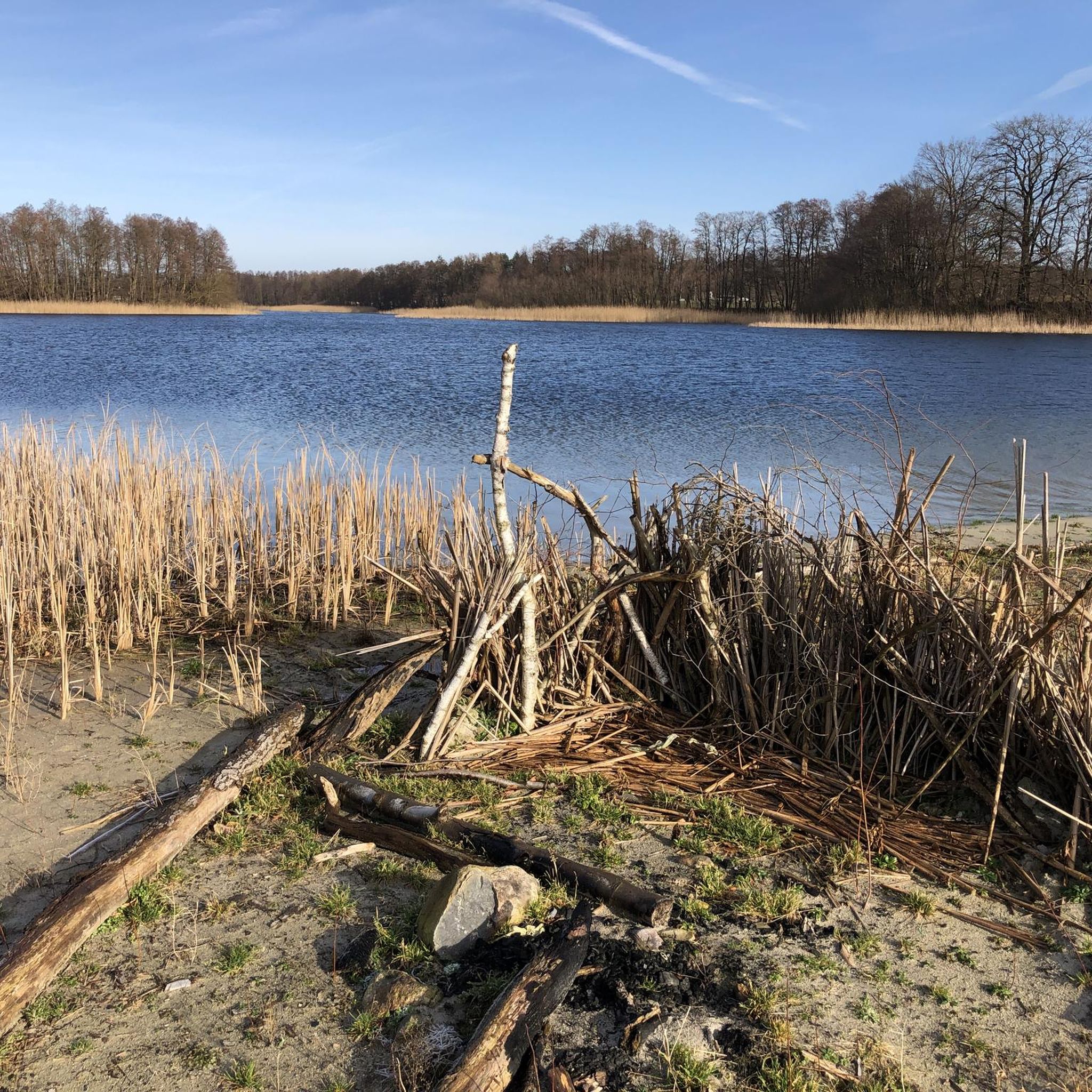
道の手入れをしてくれた方々に感謝します。
0
0


The Wanzka Mill is a historic mill ruin in the Wanzka district of the Blankensee municipality. It is located near Lake Wanzka on the Nonnenbach stream, in the heart of the Nonnenbachtal nature reserve. The mill was originally built in the 16th century as a grain mill and later developed into one of the largest milling sites in the Mecklenburg-Strelitz district. Partially destroyed during World War II, the mill remained in operation until the 1950s, continuing to supply electricity to the surrounding area. In the GDR, there were plans to make more intensive use of the Nonnenbach stream's hydropower, which is still evident today in the mill's structural design – with several water chambers for wheels and later turbines. Today, the Wanzka Mill is a three-story ruin and a popular destination for hikers and nature lovers. It offers not only impressive insights into the region's technical and industrial history but also picturesque views of the surrounding lakes and hills.
1
0


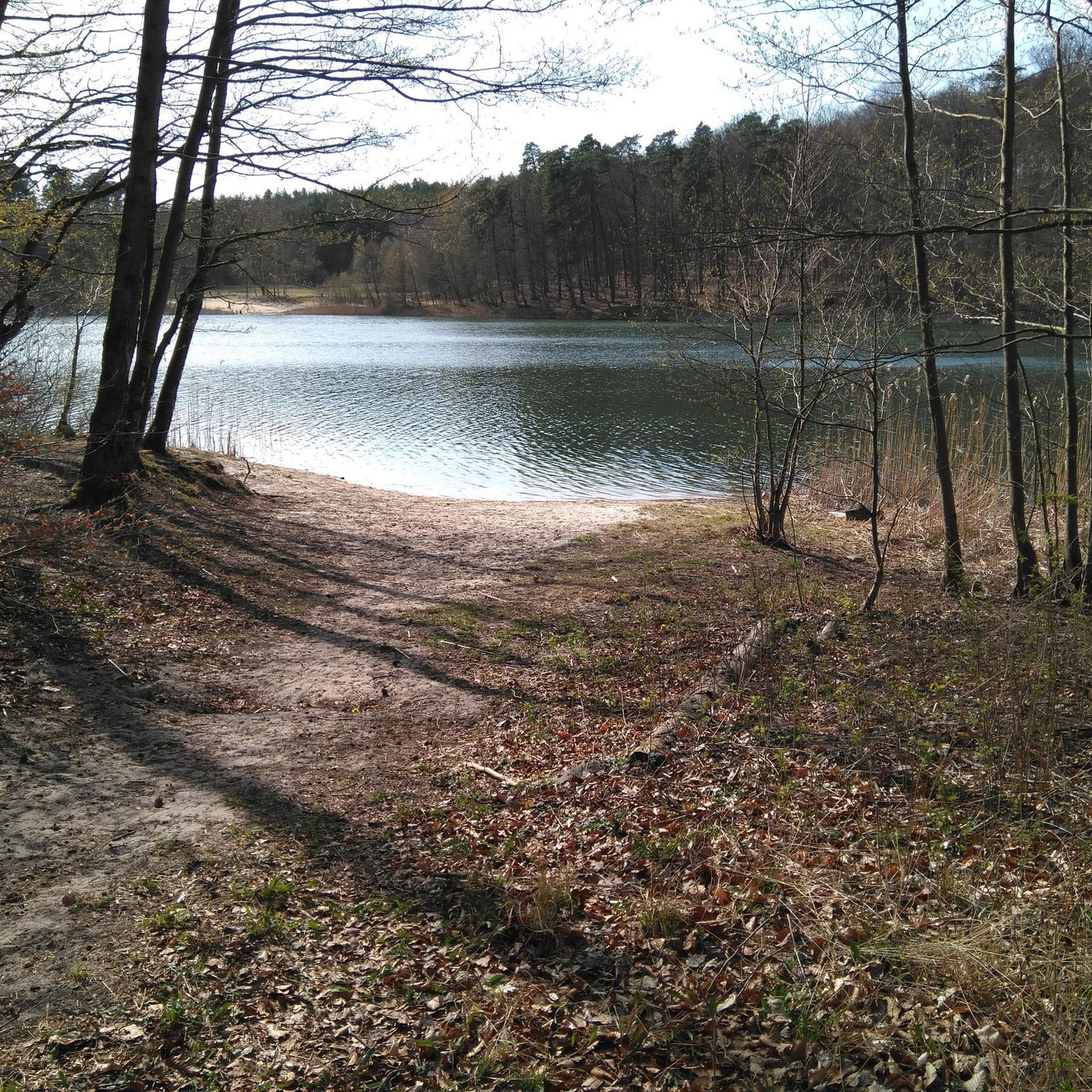
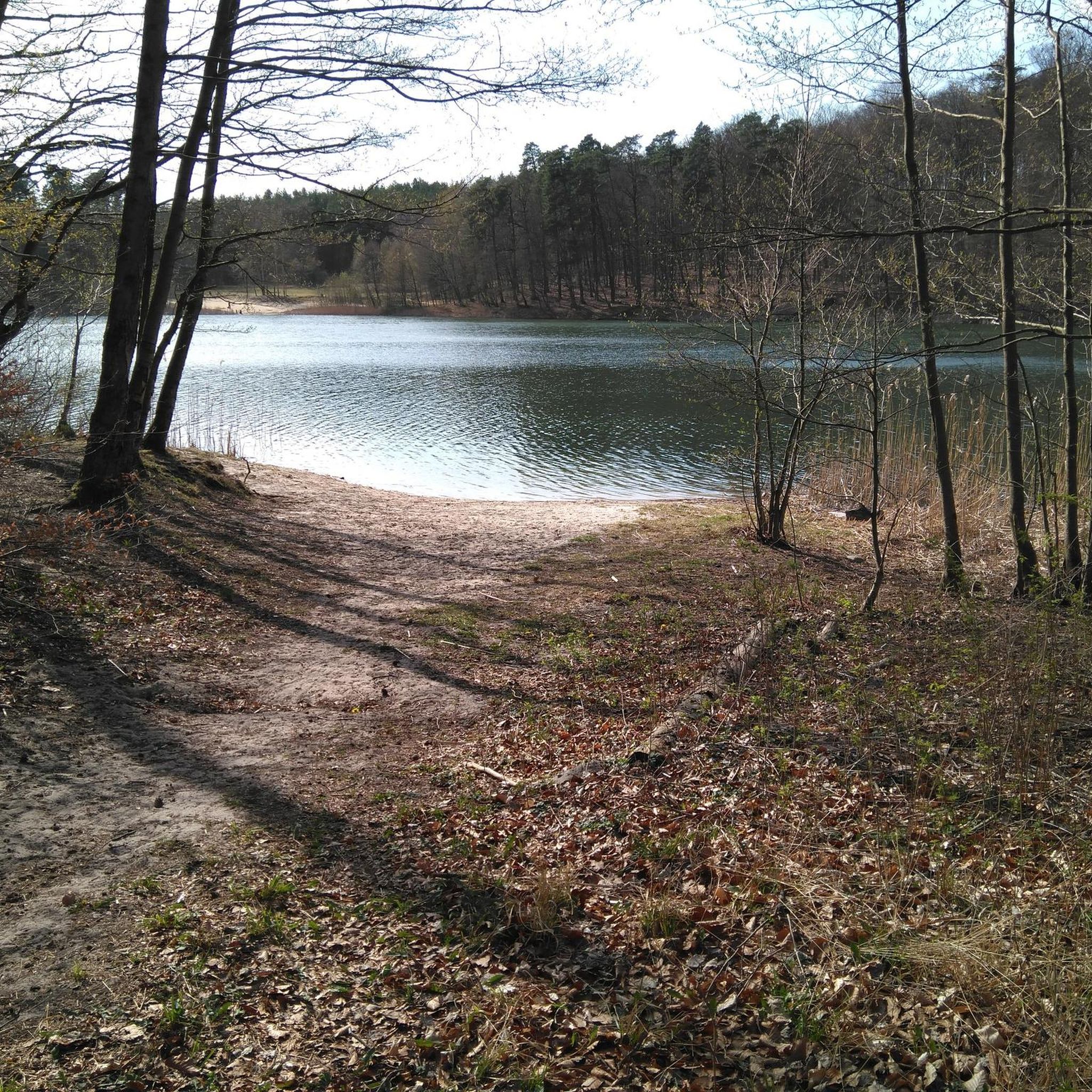
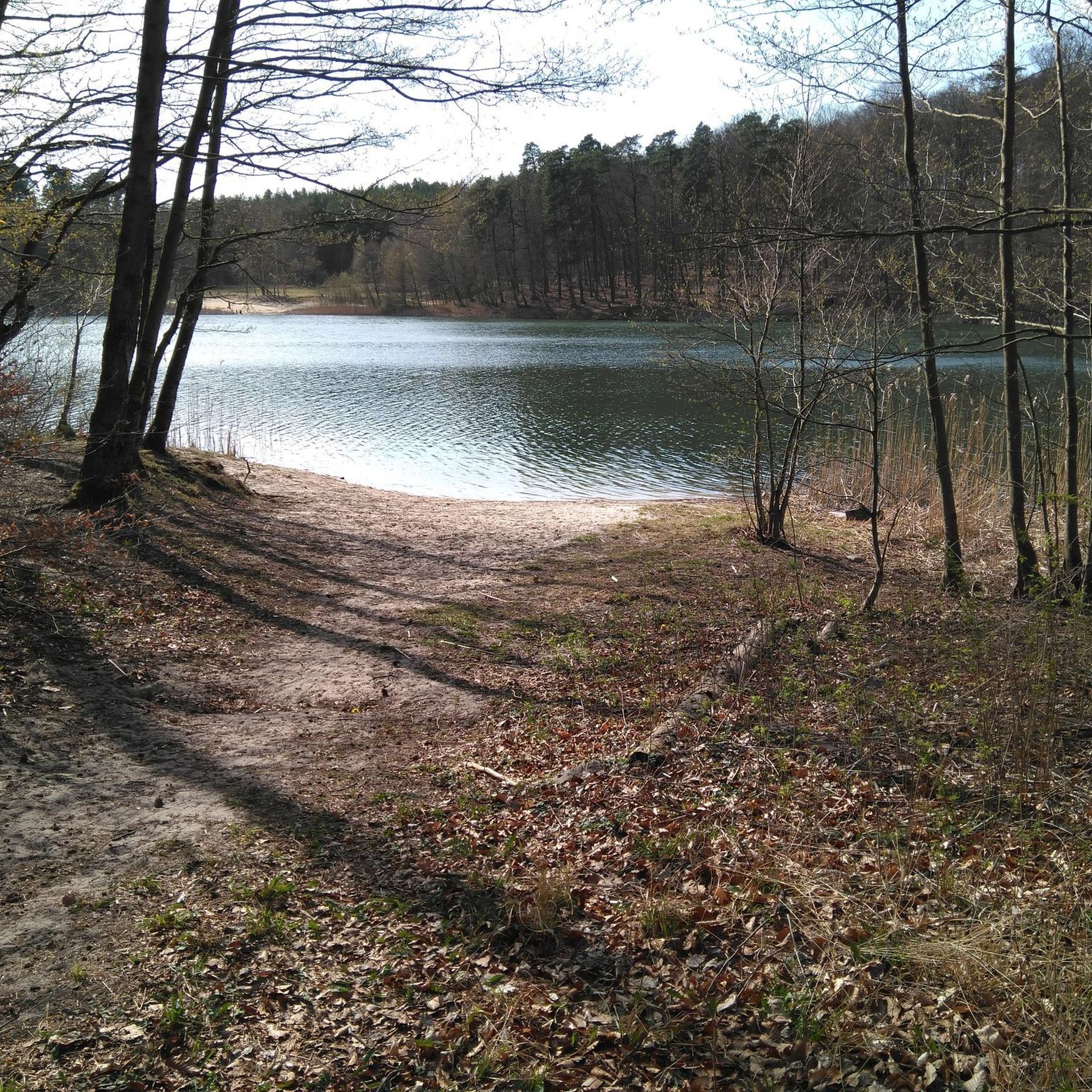
Very suitable for a short break to cool down and relax.
0
0
Small bathing establishment...freely accessible, plenty of places to sit. Longer jetty with ladder or direct access to the water...unfortunately a bit overgrown with weeds.
1
0
ブルーメンホルツでのの人気観光スポット

komootモバイルアプリでインスピレーションを得よう


さらに探索
他の地域の最高のハイキングを見てみましょう。
