サン=ミシェル=シュル=ムルテ周辺のアトラクション&必見スポット - トップ20
サン=ミシェル=シュル=ムルテには必見のスポットがたくさんあります。ハイキング愛好家やサイクリング愛好家の方は、ぜひサン=ミシェル=シュル=ムルテを探索してこのエリアにある20
の隠れたスポットを訪れてみてください。このエリアの必見スポットを確認し、次の冒険に出かける計画を立てましょう。
最終更新日: 10月 18, 2026
フランスのために命を落とした集落の小道 – ラ・フォンテネル
ハイライト • 歴史的な場所
Here are buried some French soldiers who lost their lives on the battlefield of Hill 627, as the military name goes, defending France …
翻訳者 Google •
役立つ情報 は

ラ・ビュールのケルト遺跡
ハイライト • 歴史的な場所
翻訳者 Google •
役立つ情報 は
今すぐサインアップして、こんな場所を発見しよう
最高のシングルトラック、ピーク、その他のエキサイティングなアウトドアスポットのおすすめを受け取ろう。
ブルヴリエールとオートレの間の林道
ハイライト (セグメント) • その他
翻訳者 Google •
役立つ情報 は

Roche d'Anozel
ハイライト • 展望台
翻訳者 Google •
役立つ情報 は

無料アカウントで今日から始めよう
次の冒険が待っています。

コミュニティからのヒント

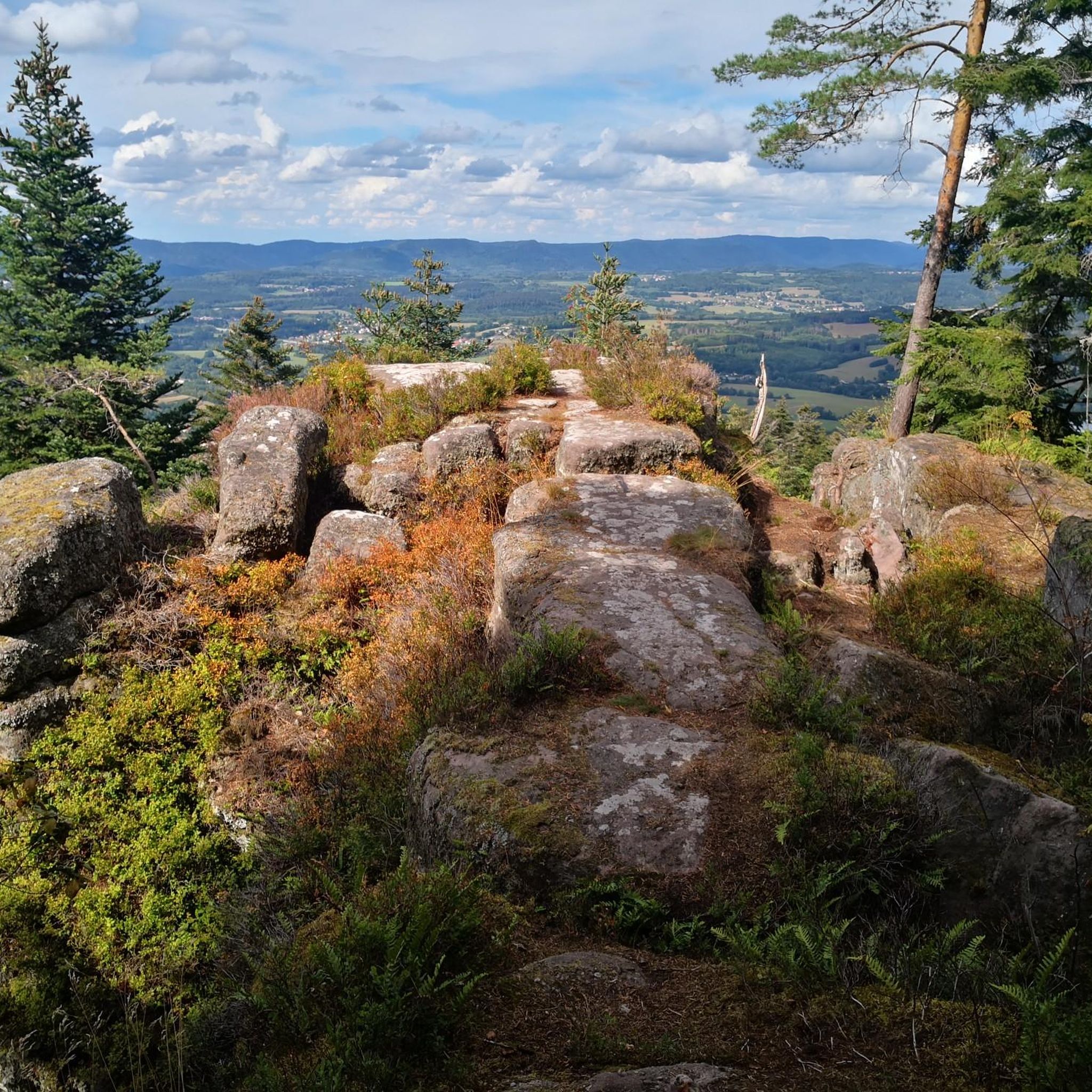
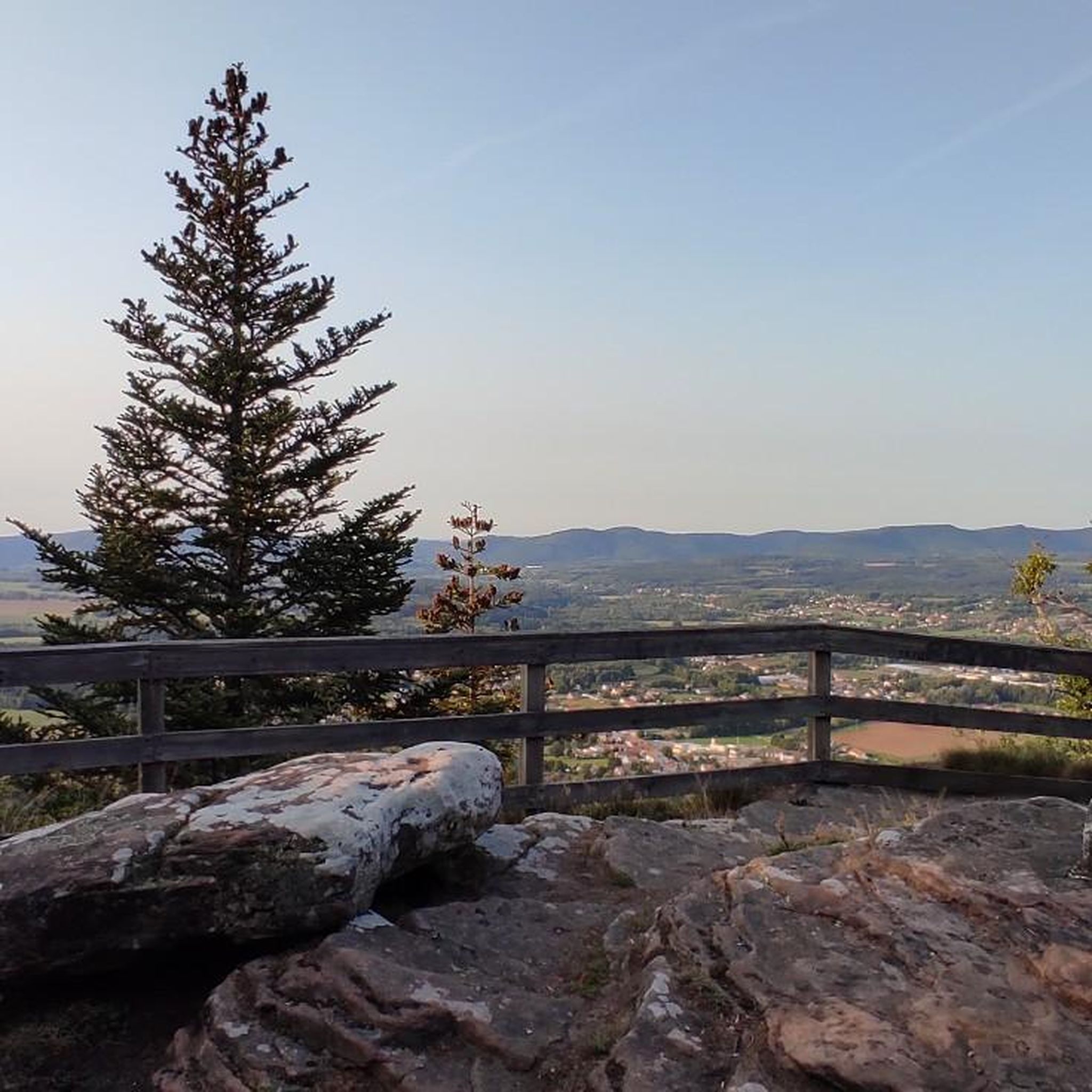
ロシュ・ダノゼルは、サン=ディエ=デ=ヴォージュからそう遠くない、ザルシー=シュル=ミュルテ近郊のケンベルグ山塊にあります。特徴的なヴォージュ砂岩の岩は、標高約740メートルに位置し、高さ約15メートル、幅約20メートルです。岩にある謎めいた碑文は、1402年にまでさかのぼるとされています。 特に興味深いのは、ミュルテ渓谷と周囲のヴォージュ山脈の眺めです。この岩は、よく整備されたハイキングコースのネットワークの一部です。
0
0


Emblematic rock of the Kemberg massif, from which the view of the Vosges is clear.
1
0

Large steep rock with south-facing viewing platform.
2
0

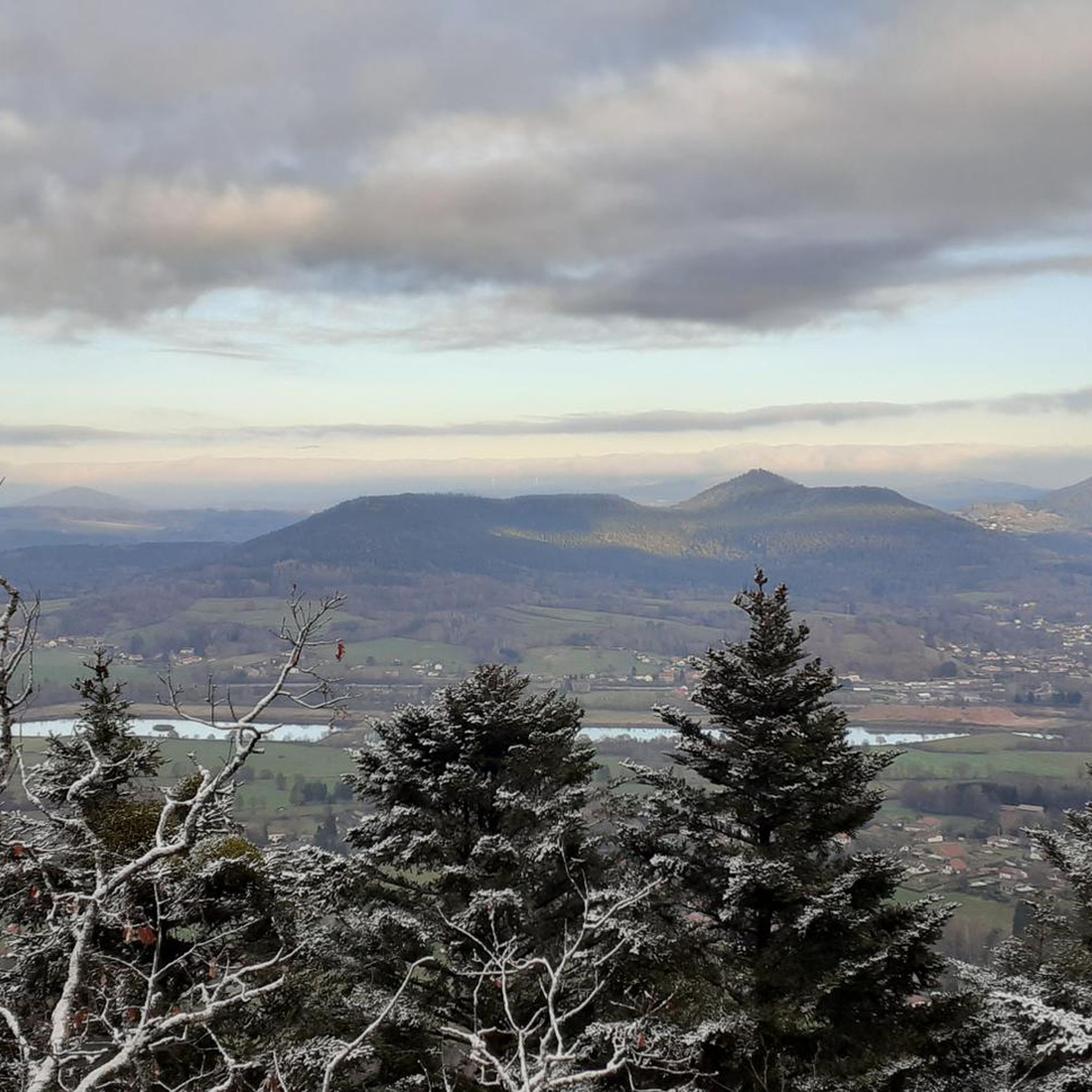
Quiet road through beautiful forest
1
0

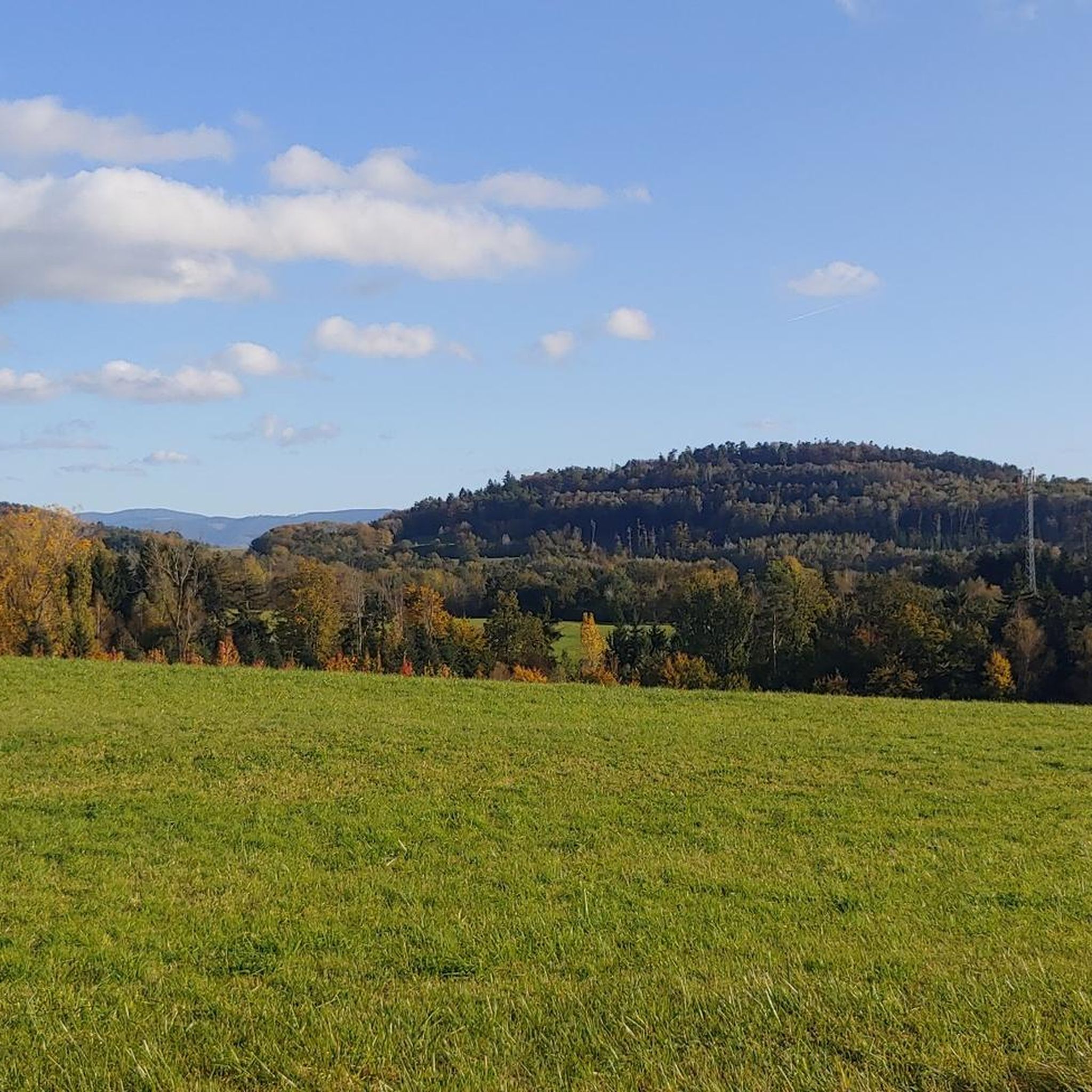
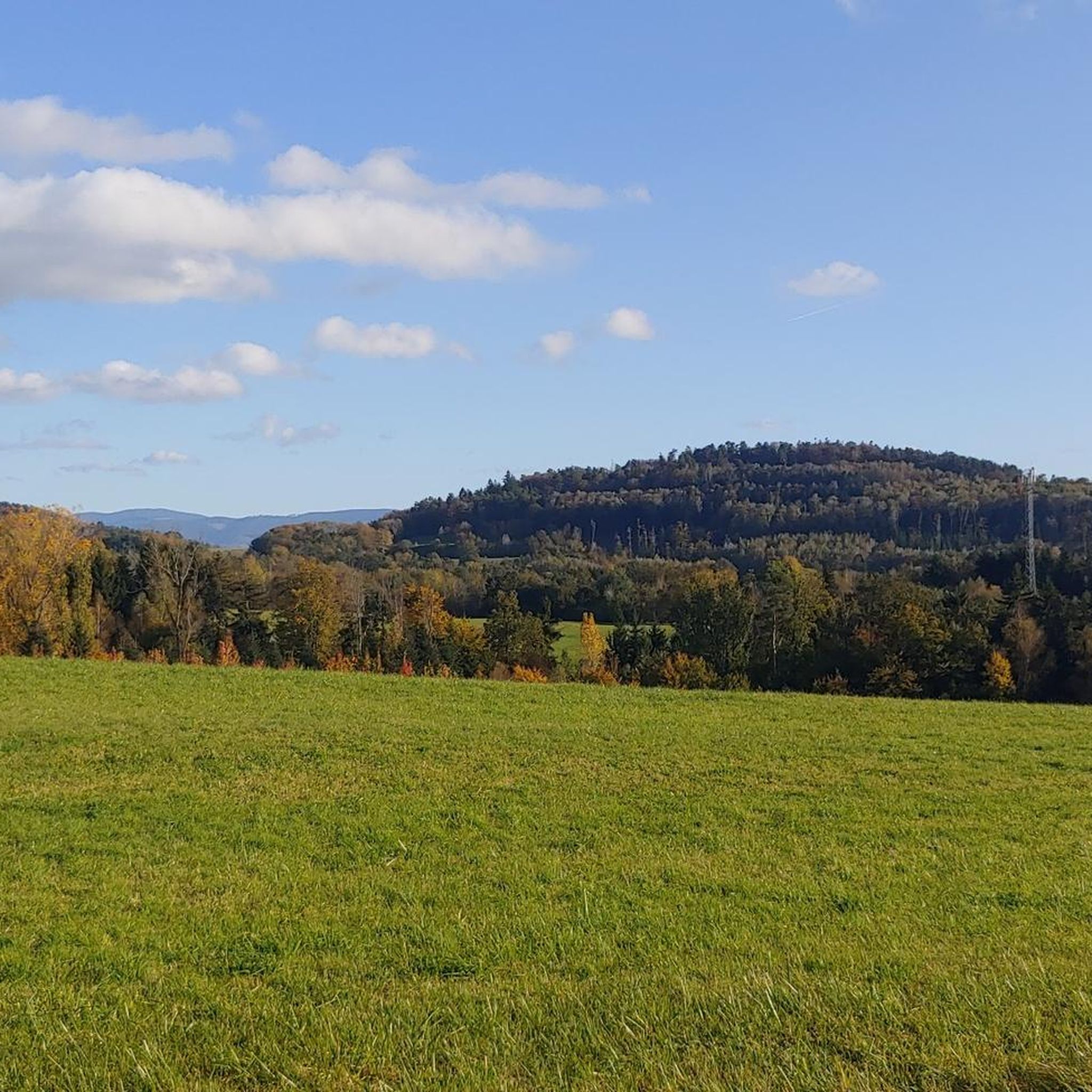
The Celtic camp of the Bure is a fortified plateau bordering the Haute-Meurthe valley in the Grand-East of France. The plateau, now wooded, lies between the communes of Saint-Dié-des-Vosges and that of Hurbache, at the western end of the Ormont massif. This site, known for 23 years of archaeological research from 1964 to 1986, has been classified as a Historical Monument since August 6, 1982. The site has been inhabited since at least the Neolithic period. Then used intensively by the Celts and later by the Romans. There is a lot to see from that time, also because there have not been any settlement activities worth mentioning for a long time. More information e.g. here: https://fr.wikipedia.org/wiki/Camp_celtique_de_la_Bure
6
0
サン=ミシェル=シュル=ムルテでのの人気観光スポット

komootモバイルアプリでインスピレーションを得よう


さらに探索
まだ探しているハイライトが見つかりませんか?他の地域のトップアトラクションのガイドを見てみましょう:
