セルチャルトナルネースのおすすめランニングルート
4.6
(106)
8,314
ランナー
237
ランニング
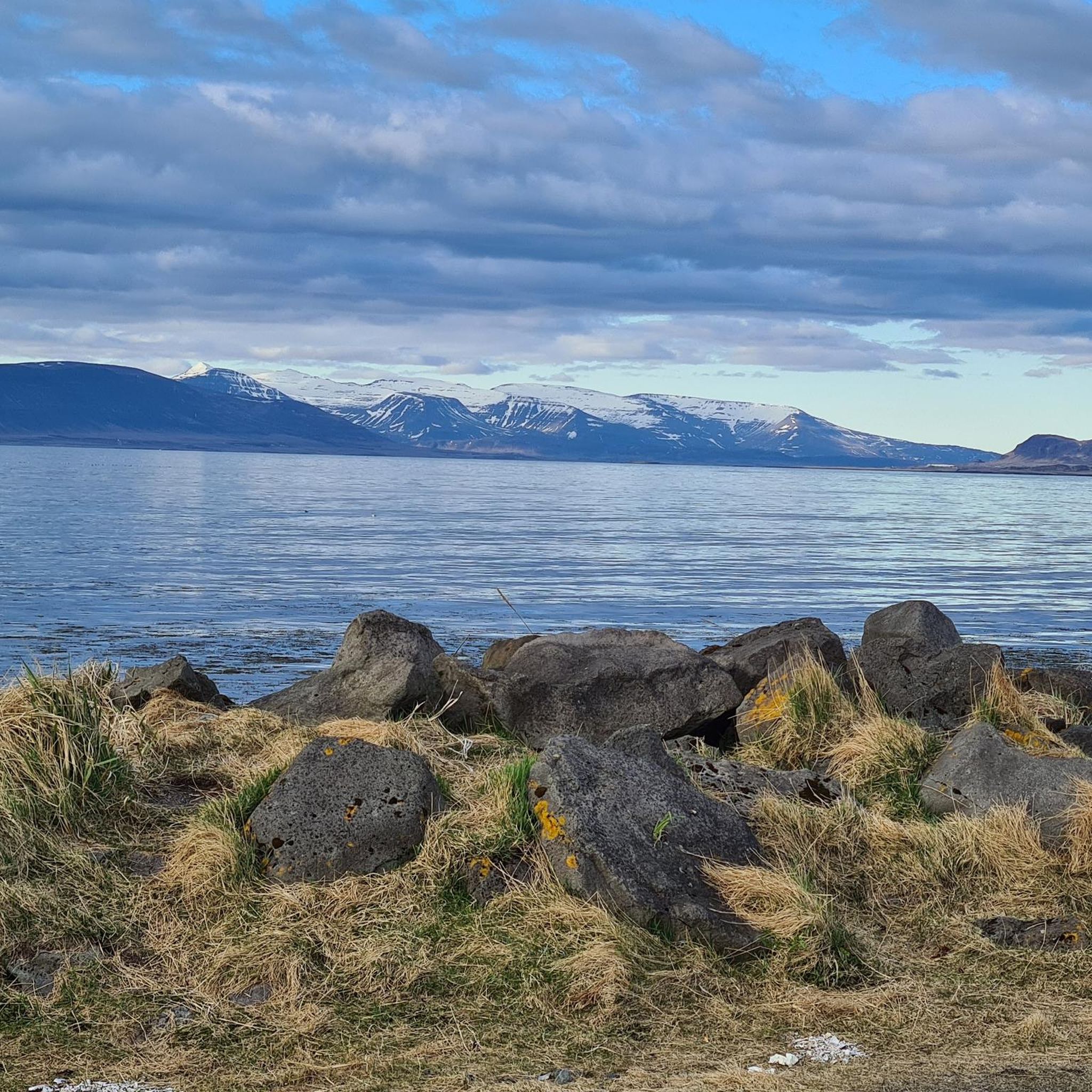
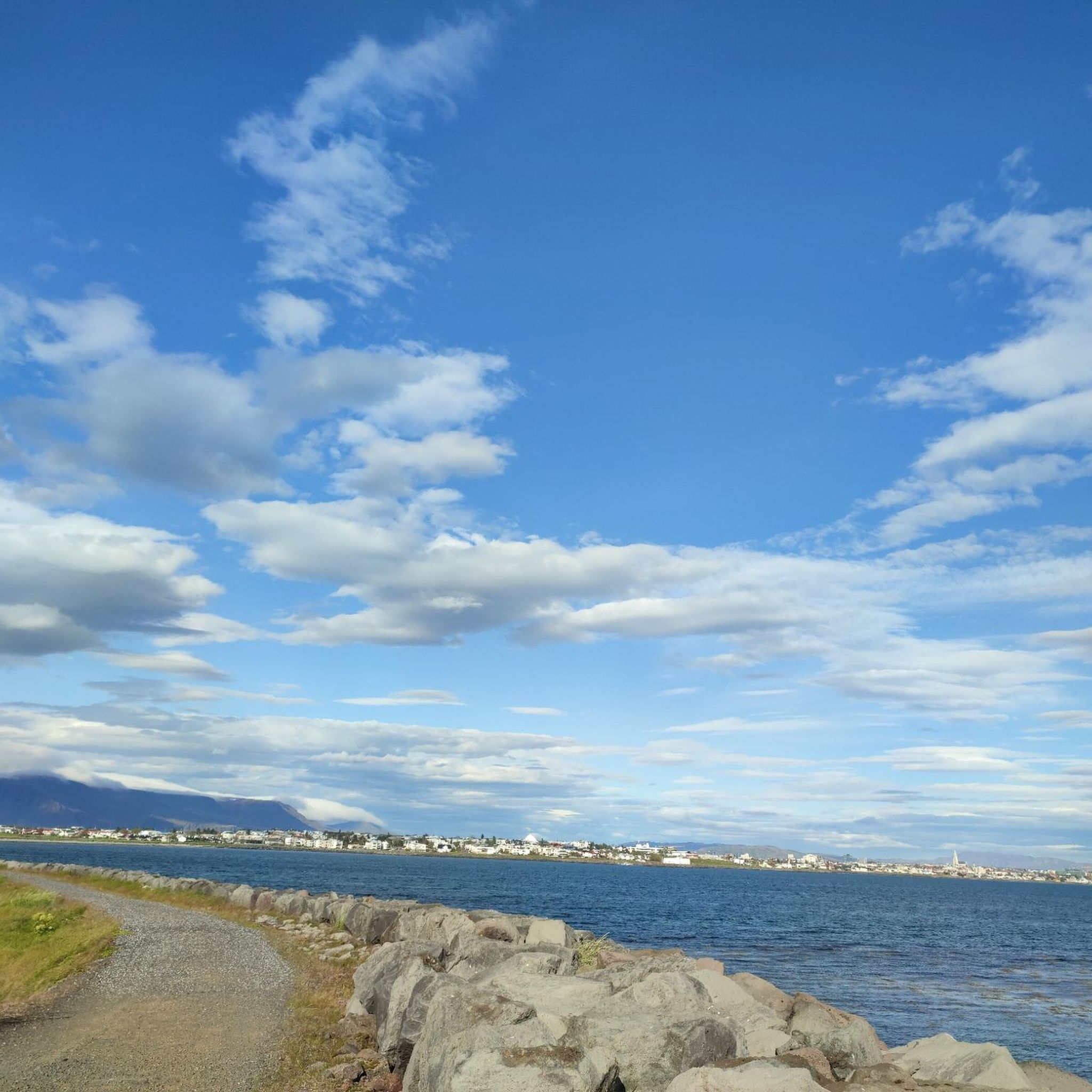
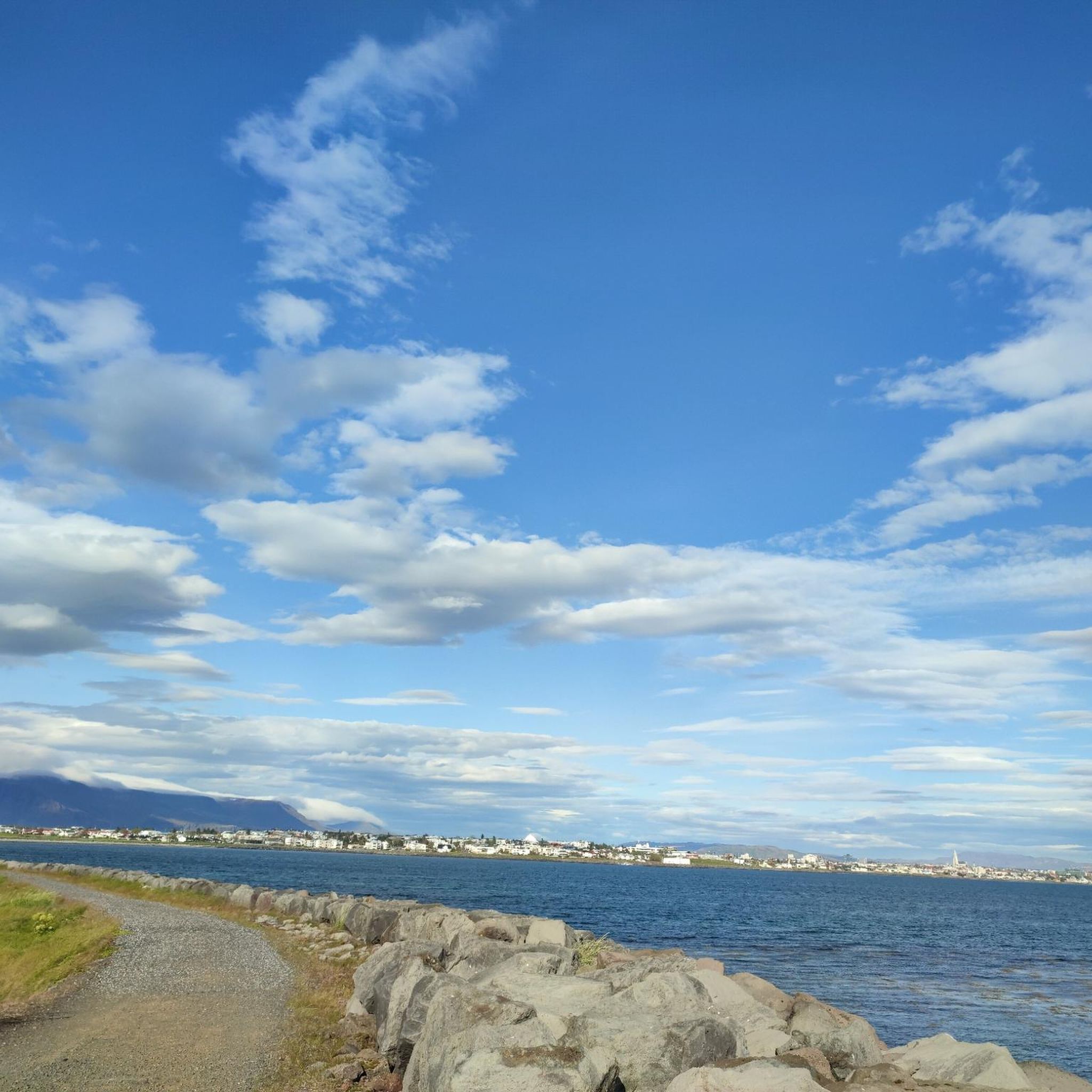
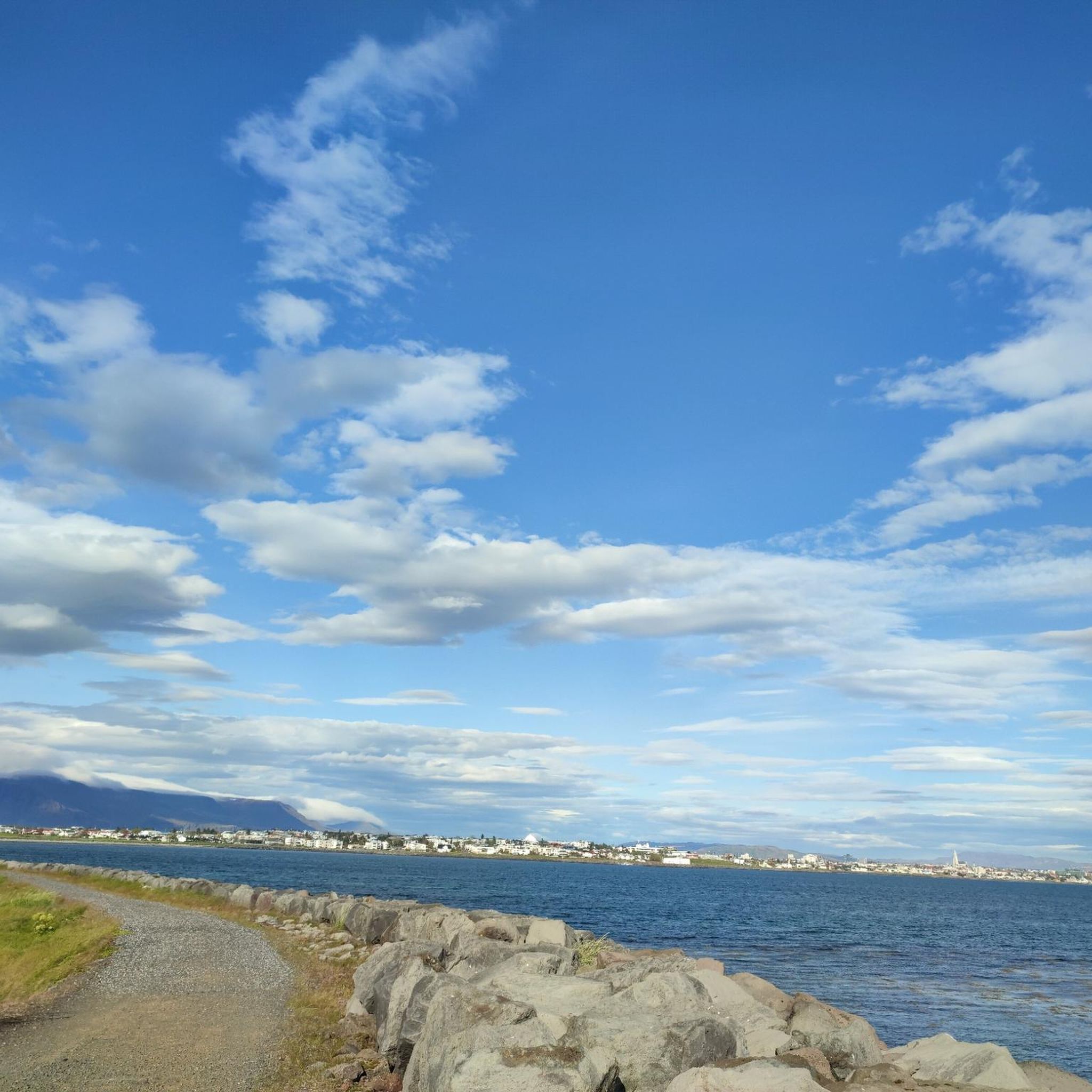
ジョギングは、レイキャビク中心部の西に位置する半島での沿岸体験を提供します。この地域は、手入れの行き届いた海岸沿いの小道、パノラマの海の景色、そして多様な自然の特徴を特徴としています。これらのルートは、大西洋やエスヤ山の遠景を含む景色とともに、静かな逃避行を提供します。この地域には、干潮時にアクセス可能なグロッタ自然保護区とその象徴的な灯台もあります。
セルチャルナネスの最高のジョギングルート
- 最も人気のあるジョギングルートは、グロッタ灯台 – エスヤ山ビュー ループ(レイキャビク発)で、距離は12.2 km、所要時間は1時間15分です。この中程度の難易度のルートからは、象徴的なグロッタ灯台とエスヤ山の景色を楽しめます。
- 地元のランナーに人気のもう一つのルートは、海岸沿いの道 – 野鳥観察ループ(セルチャルナネス発)で、距離は9.0 kmの中程度の難易度のルートです。このルートは、地元の野鳥を観察できる海岸沿いの景色を提供します。
- 地元のランナーに愛されているのは、エスヤ山ビュー ループ(セルチャルナネス発)で、距離は7.8 kmです。このルートは、エスヤ山に向かう海岸沿いの景色を楽しみながら進み、所要時間は約48分です。
- セルチャルナネスでのジョギングは、広大な海岸沿いの小道、海の景色、自然保護区によって特徴づけられます。このネットワークは、初級、中級、上級の難易度のルートを提供し、様々なレベルのランナーに対応しています。
- セルチャルナネスのルートは、komootコミュニティから高く評価されており、70件以上のレビューで平均4.7つ星を獲得しています。7000人以上のランナーがkomootを利用して、セルチャルナネスの多様な地形を探索しています。
最終更新日: 8月 25, 2026
4.8
(13)
342
ランナー
12.2km
01:15
30m
30m
中程度のジョギング. ある程度のフィットネスレベルが必要です。 全般的に舗装された状態です。あらゆるスキルレベルに適しています。
5.0
(4)
175
ランナー
8.10km
00:50
20m
20m
中程度のジョギング. ある程度のフィットネスレベルが必要です。 全般的に舗装された状態です。あらゆるスキルレベルに適しています。

無料新規登録
3.5
(4)
152
ランナー
12.3km
01:16
50m
50m
中程度のジョギング. ある程度のフィットネスレベルが必要です。 全般的に舗装された状態です。あらゆるスキルレベルに適しています。
5.0
(5)
80
ランナー
9.78km
01:01
30m
30m
中程度のジョギング. ある程度のフィットネスレベルが必要です。 全般的に舗装された状態です。あらゆるスキルレベルに適しています。
5.0
(1)
50
ランナー
16.5km
01:43
50m
50m
難しいジョギング. 標準以上のフィットネスレベルが必要です。 全般的に舗装された状態です。あらゆるスキルレベルに適しています。
5.0
(1)
43
ランナー
9.10km
00:56
20m
20m
中程度のジョギング. ある程度のフィットネスレベルが必要です。 全般的に舗装された状態です。あらゆるスキルレベルに適しています。
29
ランナー
5.73km
00:36
20m
20m
中程度のジョギング. ある程度のフィットネスレベルが必要です。 全般的に舗装された状態です。あらゆるスキルレベルに適しています。
33
ランナー
4.02km
00:25
10m
10m
初級者向けランニング. あらゆるフィットネスレベルに適しています。 全般的に舗装された状態です。あらゆるスキルレベルに適しています。
26
ランナー
9.94km
01:03
70m
70m
中程度のジョギング. ある程度のフィットネスレベルが必要です。 全般的に舗装された状態です。あらゆるスキルレベルに適しています。
25
ランナー
15.4km
01:36
110m
110m
難しいジョギング. 標準以上のフィットネスレベルが必要です。 全般的に舗装された状態です。あらゆるスキルレベルに適しています。
さらに多くのルートや他のユーザーのおすすめ情報を確認できます。
無料新規登録
すでにアカウントをお持ちですか?
おすすめのツアーは他のkomootユーザーが実際に経験した何千ものアクティビティに基づいています。
無料アカウントで今日から始めよう
次の冒険が待っています。
ログインまたは登録
コミュニティからのヒント


Due to the inflow of warm water from geothermal springs, the bathing temperature in the bay is comparatively pleasant.
1
0

It's right in the center, next to Austurvöllur Square and next to the Parliament. Getting there by bike is easy, but it's best to leave it on the side of the square or use the nearby bike racks to explore the area on foot. The neoclassical church was built at the end of the 18th century and still plays a key role today: each session of the Icelandic Parliament begins here with a mass. Inside, a 31-stop German organ stands out, perfect for solemn concerts. A peaceful stop in the historic heart of the city before cycling again. It's right in the center, next to Austurvöllur Square and next to the Parliament. Getting there by bike is easy, but it's best to leave it on the side of the square or use the nearby bike racks to explore the area on foot. The neoclassical church was built at the end of the 18th century and still plays a key role today: each session of the Icelandic Parliament begins here with a mass. Inside, a 31-stop German organ stands out, perfect for solemn concerts. A peaceful stop in the historic heart of the city before pedaling back.
1
0

Founded around 874 by Ingólfur Arnarson, Reykjavík is Iceland's oldest permanent settlement. Its name means "smoke bay," a reference to the surrounding geothermal fumes. However, the city remained largely insignificant and consisted of farms until the 18th century. The key turning point came in 1786, when Denmark granted the settlement city rights, making it a center of the wool industry and trade. Today, Reykjavík is the capital of Iceland and an important center for culture and politics. Early Settlement and Naming (c. 874 AD) First Settler: The Norse settler Ingólfur Arnarson is considered Iceland's first permanent resident. He settled in the area that is now Reykjavík around 874. Naming: Arnarson named the settlement Reykjavík ("Smoke Bay") because he saw the steam from the surrounding hot springs and mistakenly thought it was smoke.
0
0
The National Museum of Iceland in Reykjavík In September 2004, after several years of renovations, the National Museum of Iceland in Reykjavík reopened. Under the heading "Making of a Nation," the permanent exhibition offers visitors a glimpse into Icelandic history. The museum is thematically divided into 200-year periods, with exhibits in each section grouped around a key object. The first section covers the period from 800 to 1000 AD. The most important topics in this section are the conquest and Christianization of Iceland. The establishment of the Christian faith and life during the Golden Age from 1000 to 1200 are the central themes of the second section. The next section, covering the period from 1200 to 1400, explores Norwegian rule in Iceland, as well as the medieval church and church art. Between 1400 and 1600, Danish rule and the Reformation played a central role. The impact of monopoly trade and natural disasters can be learned in the next section, which covers the period from 1600 to 1800. Each of the last two centuries is dedicated to a separate section. In the years from 1800 to 1900, economic development and increasing independence from Denmark are important themes, while the "20th Century" section depicts urbanization and the development of the Icelandic state into its present form. In addition to the permanent exhibition, the National Museum also houses spaces for temporary exhibitions, a café, and a museum shop. Photography and video recording are prohibited throughout the museum.
1
0
An urban lake in the heart of the city, surrounded by parks, trails, and historic buildings like City Hall. It's home to ducks, swans, and geese year-round, and in winter its surface often freezes, turning into an improvised skating rink. An ideal place for strolling, birdwatching, and enjoying the tranquility in the heart of the city.
0
0
Iceland is a Nordic island nation whose spectacular landscape is characterized by volcanoes, geysers, thermal springs, and lava fields. The Vatnajökull and Snæfellsjökull National Parks are protected areas for the massive glaciers. A large portion of the population lives in the capital, Reykjavik, which is largely powered by geothermal energy and is home to, among other things, the National Museum and the Saga Museum, which focuses on Iceland's Viking history.
1
0
The Island of Grótta and Grótta Lighthouse Grótta, Seltjarnarnes 170, 595 9100 Website: https://www.seltjarnarnes.is/is/mannlif-nattura/nattura-og-dyralif/grotta Email: postur@seltjarnarnes.is Grótta, located in Seltjarnarnes City Area, is a captivating natural and historical site that offers visitors a unique blend of scenic beauty and rich heritage. On a small peninsula at the westernmost tip of the Greater Reykjavík area, Grótta is renowned for its iconic lighthouse, stunning coastal views, and abundant wildlife. The Grótta Lighthouse, built in 1897 and later reconstructed in 1947, is a prominent landmark. Its stark white structure contrasts beautifully with the rugged landscape and the deep blue of the Atlantic Ocean. The lighthouse is still operational, guiding ships safely through Faxaflói Bay. Visitors can walk along the causeway to the lighthouse during low tide, providing a close-up view of this historic beacon and its surrounding tidal flats. One of the main attractions of Grótta is its breathtaking natural environment. The area is a designated nature reserve, offering a sanctuary for various bird species, especially during the migratory seasons. Bird watchers flock to Grótta to observe species such as Arctic terns, eiders, and numerous gulls. The combination of coastal meadows, rocky shores, and tidal pools creates a diverse ecosystem that supports this vibrant birdlife. Grótta is also a popular spot for both locals and tourists seeking tranquillity and natural beauty. The walking and cycling paths around the peninsula provide a scenic route for outdoor enthusiasts, with panoramic views of the ocean, Mount Esja, and even glimpses of Reykjavík's skyline. In the winter months, Grótta becomes a prime location for witnessing the mesmerizing northern lights, offering an unobstructed view of the celestial display. The area around Grótta is rich in folklore and history, adding a layer of cultural depth to its natural allure. Tales of sea monsters, shipwrecks, and maritime legends are part of the local lore, connecting visitors to the region's seafaring past.
0
0
セルチャルトナルネースでのの人気ルート
セルチャルトナルネースでのの人気観光スポット

komootモバイルアプリでインスピレーションを得よう


さらに探索
他の地域の最高のランニングトレイル & ルートを見てみましょう。
