アルマンスホーフェンのおすすめツーリングルート
4.5
(1441)
8,134
ライダー
12
ライド
アルマンスホーフェン周辺でのおすすめのサイクリングルートを参考にして、このエリアを最大限に楽しみましょう。ここでご紹介するのは、アルマンスホーフェン周辺の人気バイクライドです。ぜひ、自分に合ったルートを見つけてください。
最終更新日: 10月 21, 2026
4.6
(7)
25
ライダー
21.1km
01:21
70m
70m
初級者向けバイクライド. ほとんどが舗装路です。
4.8
(4)
23
ライダー
26.2km
01:32
130m
130m
初級者向けバイクライド. ほとんどが舗装路です。

5.0
(1)
11
ライダー
14.2km
00:51
50m
50m
初級者向けバイクライド. ほとんどが舗装路です。
3.5
(2)
7
ライダー
17.1km
01:02
100m
100m
初級者向けバイクライド. ほとんどが舗装路です。
5.0
(1)
17
ライダー
16.2km
00:56
60m
60m
初級者向けバイクライド. ほとんどが舗装路です。
さらに多くのルートや他のユーザーのおすすめ情報を確認できます。
すでにアカウントをお持ちですか?
おすすめのツアーは他のkomootユーザーが実際に経験した何千ものアクティビティに基づいています。


コミュニティからのヒント

ここでは春にコウノトリの夫婦が雛に餌をやるのを見ることができます。
0
0


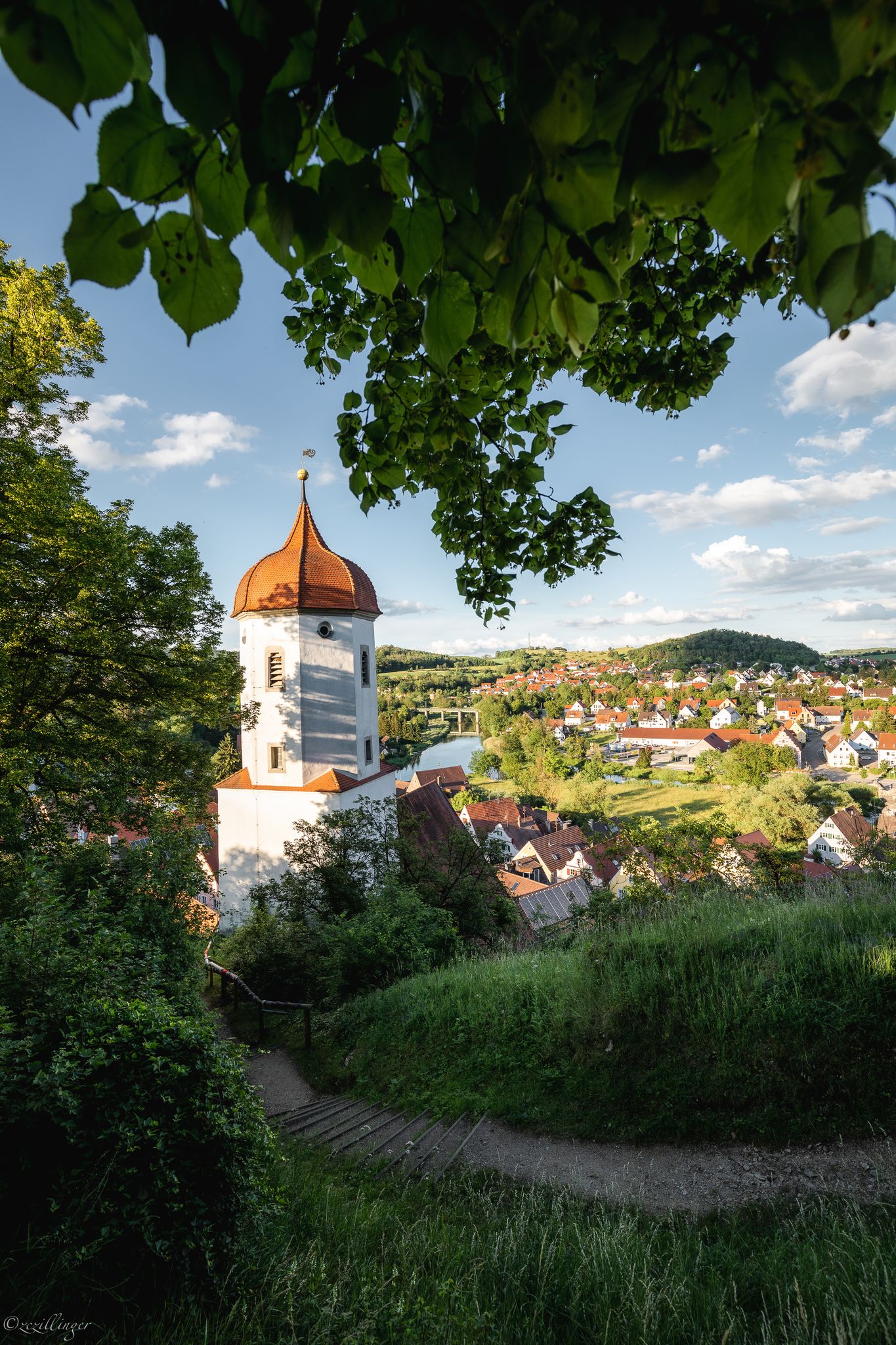
Holzen Monastery & Karlsberg – Historical Overview Today's Holzen Monastery is situated on Karlsberg, a hill rising approximately 20 meters above the Schmutter Valley near Allmannshofen. The name "Karlsberg" originates from a chapel built in the early 17th century in honor of St. Charles Borromeo. Originally, the Benedictine convent, founded in the 12th century, was located in the valley near the Schmutter River. Due to the risk of flooding and structural decay, a decision was made at the end of the 17th century to build a new monastery on the higher plateau. The monastery complex, with its prominent Baroque Church of St. John the Baptist, was constructed between 1696 and 1710 according to plans by the Vorarlberg architect Franz Beer. After secularization in 1803, the complex was initially used for secular purposes. Since 1927, it has belonged to the Dominikus-Ringeisen-Werk (Dominican Ringeisen Foundation) and today serves as a social institution, hotel, and conference center. Holzen Monastery and Karlsberg Hill form a historically developed ensemble that impressively combines the landscape, local history, and Baroque architecture of the region. schwabenmedia.de/Kirchen/Landkreis-augsburg/St-johannes-holzen.php Site plan of Holzen Monastery (PDF) kloster-holzen.de/media/78971/lageplan-kloster-holzen-2784639.pdf
0
0
Today's Fugger Castle, with its castle gardens, is the remaining vestige of a once much larger castle complex and is located in the heart of the village of Nordendorf. The complex became the seat of power for the Fugger-Nordendorf line of the Fugger family in the 16th century and shaped the village's history for centuries. After a fire in the 1860s, the former upper castle was largely demolished. Parts of the west wing, including the tower and chapel, as well as the gatehouse of the south wing, have been preserved. In the castle park, a Renaissance fountain with a coat of arms commemorates the site's aristocratic past. Today, the castle is privately owned and not open to the public, but its historical significance as a landmark of the village is clearly visible from the outside. https://de.wikipedia.org/wiki/Fuggerschloss_Nordendorf
0
0

Directly in the courtyard of the Roman Catholic parish church of St. Nicholas.
0
0
The hall church, built in 1731/32 on behalf of the Holzen Monastery, consists of a nave with two protruding risalits on each of its long sides, a recessed choir to the east, flanked by sacristies on both sides, and a church tower built in 1714 according to plans by Christian Wiedemann on the east wall of the choir. Source and further information: https://de.wikipedia.org/wiki/St._Vitus_(Druisheim)
0
0
The castle today dates back to the Middle Ages. The fortified farm was first mentioned in 1329. The residential tower, in which the chapel was established in 1868, still bears witness to this period. More on the history: https://www.schloss-nordendorf.de/index.php/geschichte
1
0
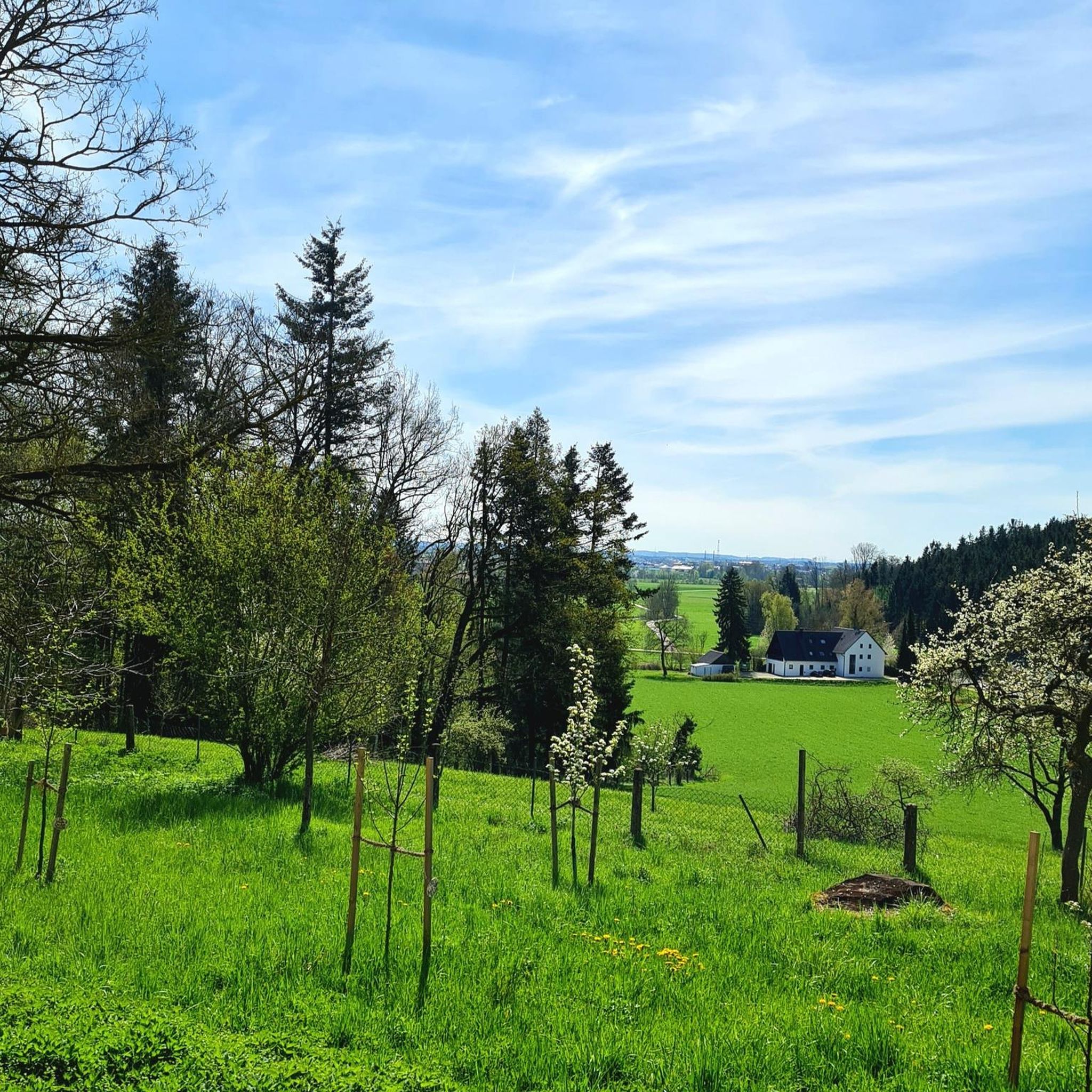
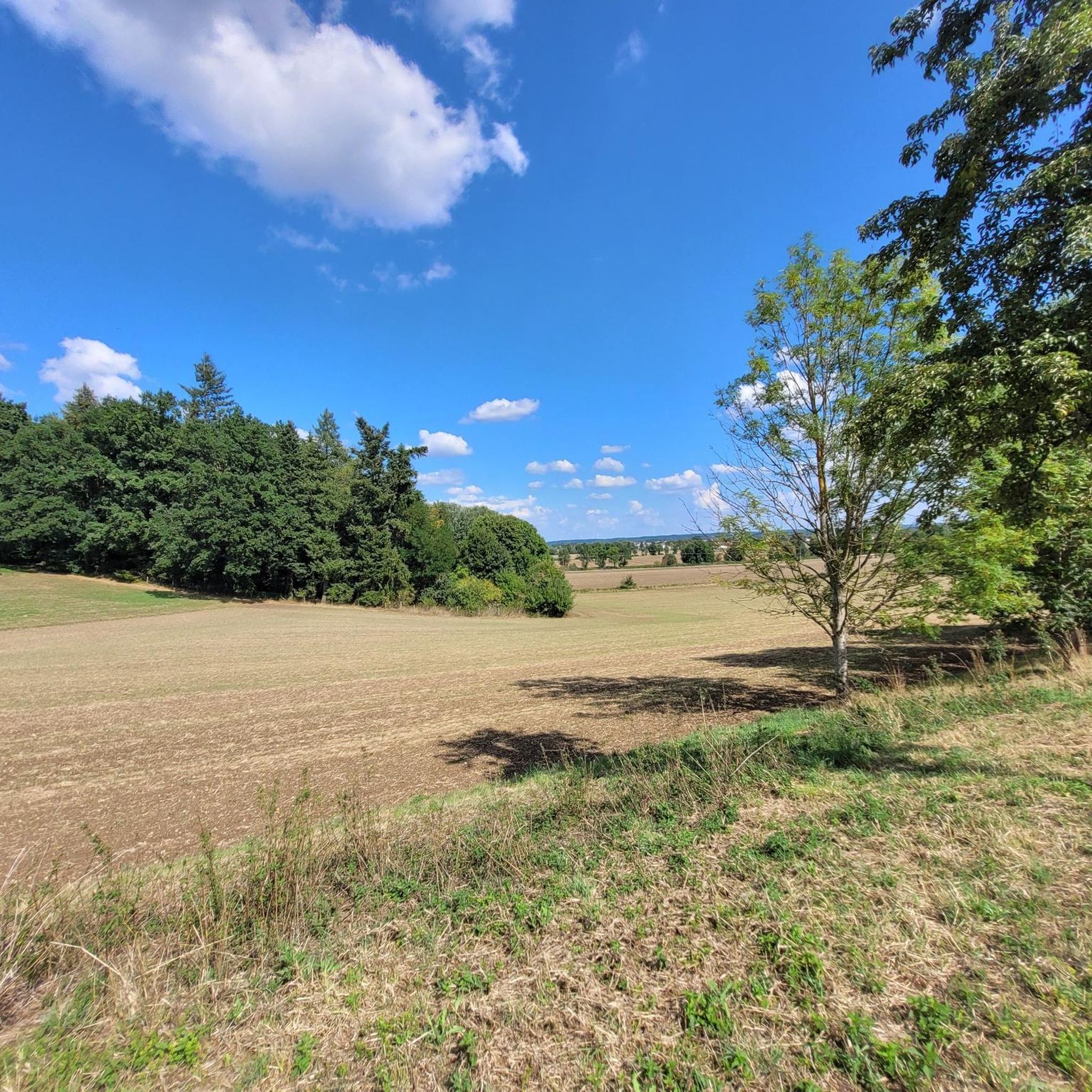
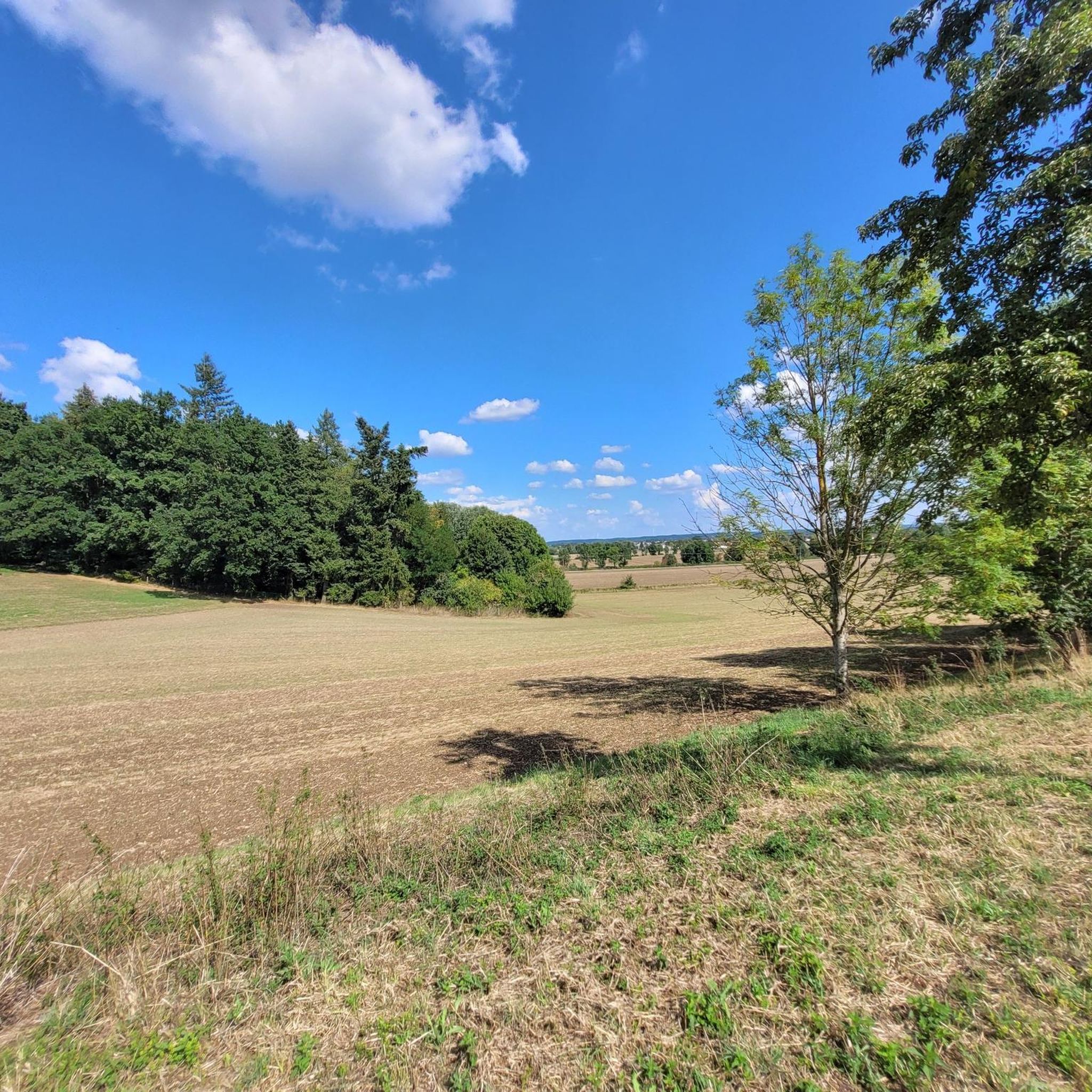
It rolls along a paved forest/cycle path through the fields, free of car traffic. Except for the tractors, which we happily yield to.
1
0
アルマンスホーフェンでのの人気観光スポット

komootモバイルアプリでインスピレーションを得よう


さらに探索
他の地域の最高のサイクリングルートを見てみましょう。
