Οι καλύτερες διαδρομές τρεξίματος Gräfenberg
4,5
(19)
230
Δρομείς
45
Διαδρομές τρεξίματος
Το τρέξιμο Gräfenberg είναι ένας από τους καλύτερους τρόπους να εξερευνήσετε περισσότερο αυτή την περιοχή. Για να σας βοηθήσουμε να ανακαλύψετε τις πιο όμορφες διαδρομές τρεξίματος, εξετάσαμε ολόκληρη τη συλλογή μας Gräfenberg — και σας παρουσιάζουμε τις καλύτερες διαδρομές τρεξίματος. Κάντε κλικ σε οποιαδήποτε διαδρομή για περισσότερες λεπτομέρειες και δείτε πραγματικές συμβουλές και φωτογραφίες από άλλους δρομείς.
Τελευταία ενημέρωση: 17 Σεπτεμβρίου 2026
27
Δρομείς
16,4km
01:45
130m
130m
Δύσκολο τρέξιμο. Απαιτείται πολύ καλή φυσική κατάσταση. Απαιτείται σταθερό βάδισμα, ανθεκτικά παπούτσια και εμπειρία σε ορεινές διαδρομές.
4,1
(8)
21
Δρομείς
9,96km
01:03
110m
110m
Μέτριο τρέξιμο. Απαιτείται καλή φυσική κατάσταση. Κυρίως ασφαλτοστρωμένες επιφάνειες. Κατάλληλο για όλα τα επίπεδα δεξιοτήτων.

14
Δρομείς
22,2km
02:20
130m
130m
Δύσκολο τρέξιμο. Απαιτείται πολύ καλή φυσική κατάσταση. Απαιτείται σταθερό βάδισμα, ανθεκτικά παπούτσια και εμπειρία σε ορεινές διαδρομές.
4,0
(2)
11
Δρομείς
5,81km
00:39
60m
60m
Μέτριο τρέξιμο. Απαιτείται καλή φυσική κατάσταση. Κυρίως ασφαλτοστρωμένες επιφάνειες. Κατάλληλο για όλα τα επίπεδα δεξιοτήτων.
6
Δρομείς
Μέτριο τρέξιμο. Απαιτείται καλή φυσική κατάσταση. Κυρίως ασφαλτοστρωμένες επιφάνειες. Κατάλληλο για όλα τα επίπεδα δεξιοτήτων.
Πάρε πρόσβαση σε περισσότερες διαδρομές και προτάσεις από άλλους εξερευνητές.
Έχεις ήδη λογαριασμό;
Οι προτάσεις διαδρομών μας βασίζονται σε χιλιάδες πεζοπορίες, ποδηλασίες και τρεξίματα που ολοκληρώθηκαν από άλλους χρήστες στο komoot.
Ξεκίνα σήμερα με έναν δωρεάν λογαριασμό
Η επόμενη περιπέτειά σου σε περιμένει.
Δημοφιλή γύρω από Gräfenberg
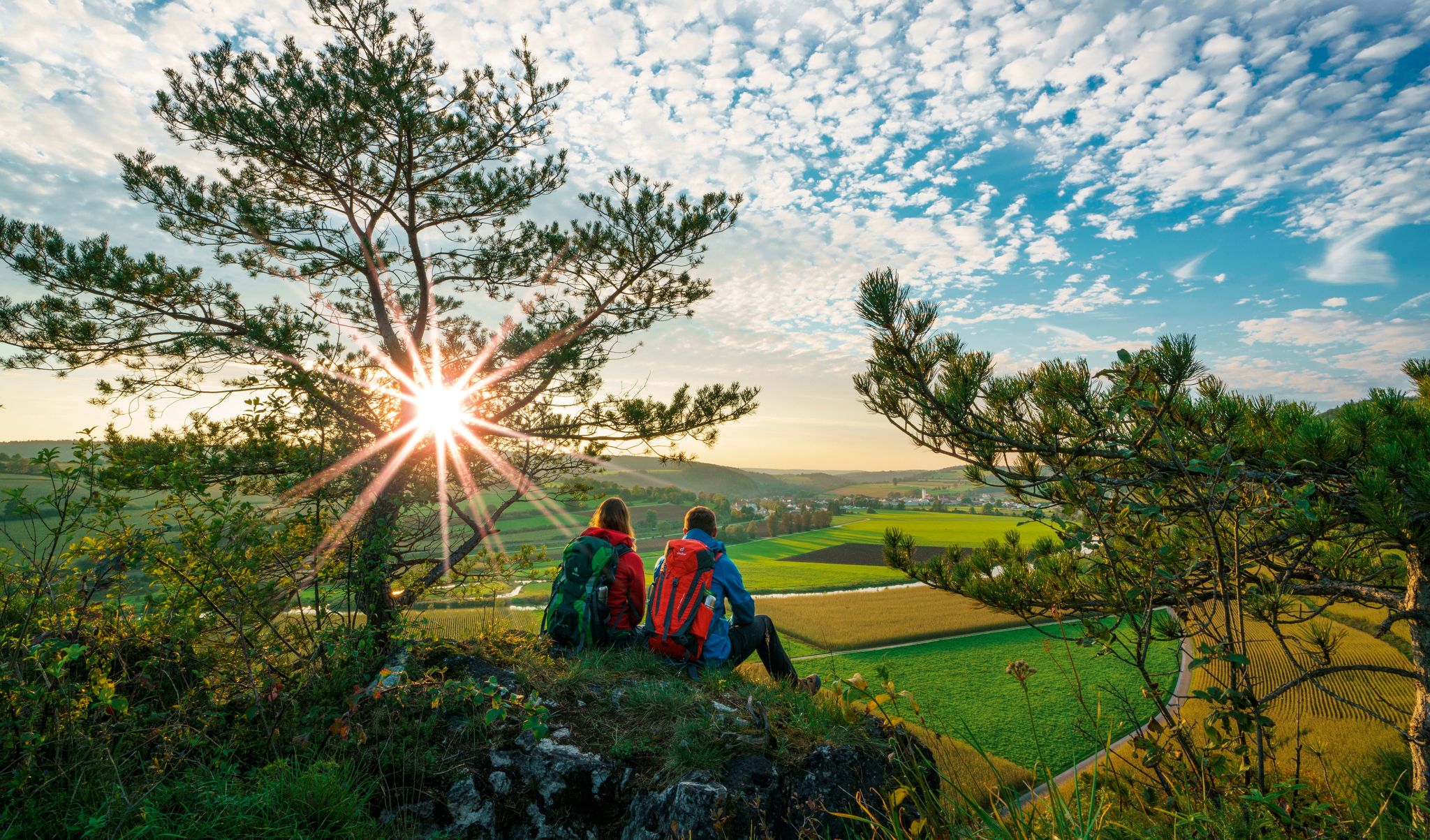
The Franconian Trail – A Diverse Hiking Dream Across 24 Stages
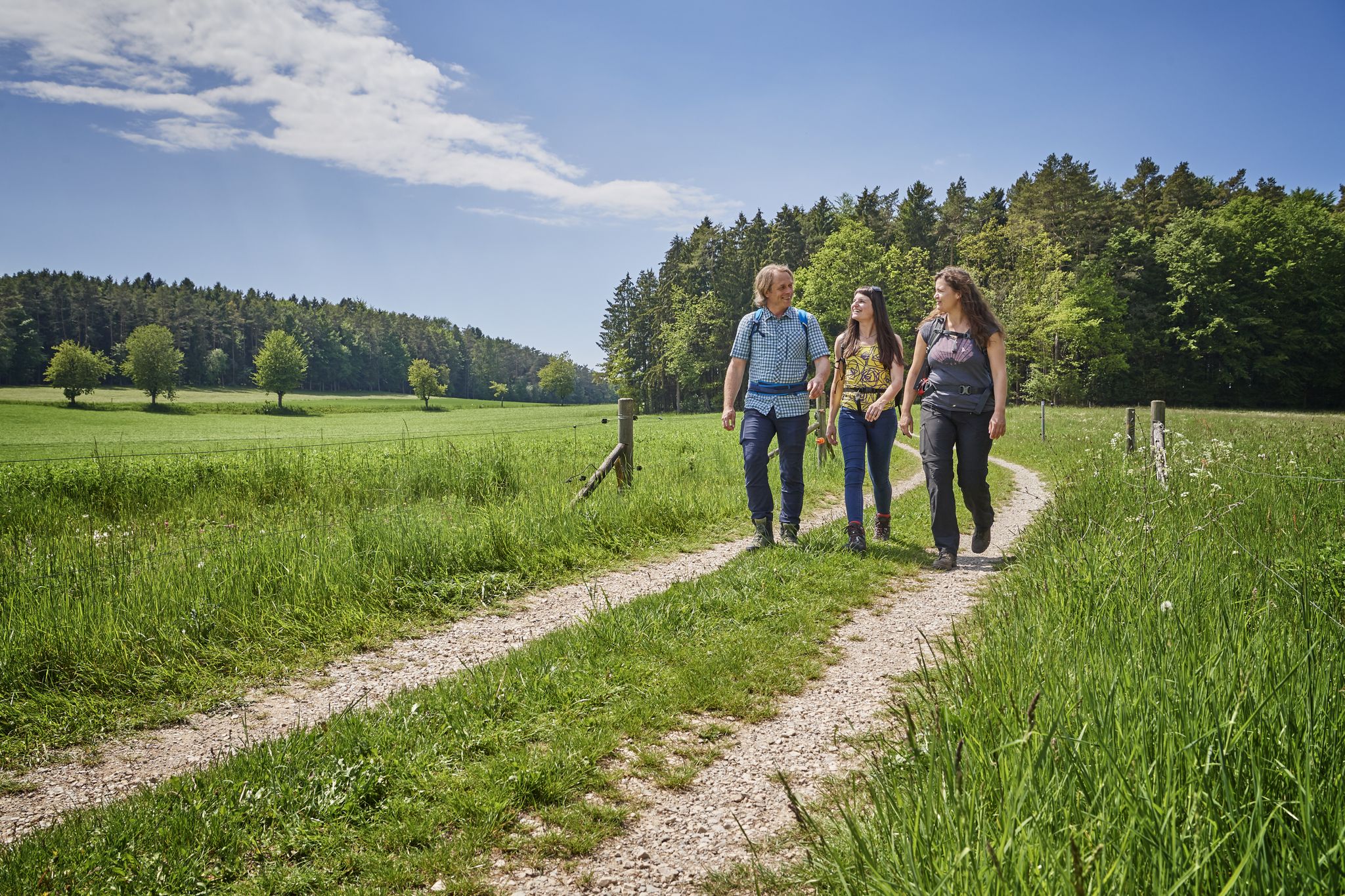
Hops, barley & beer — hiking with VGN leisure tips through Franconia
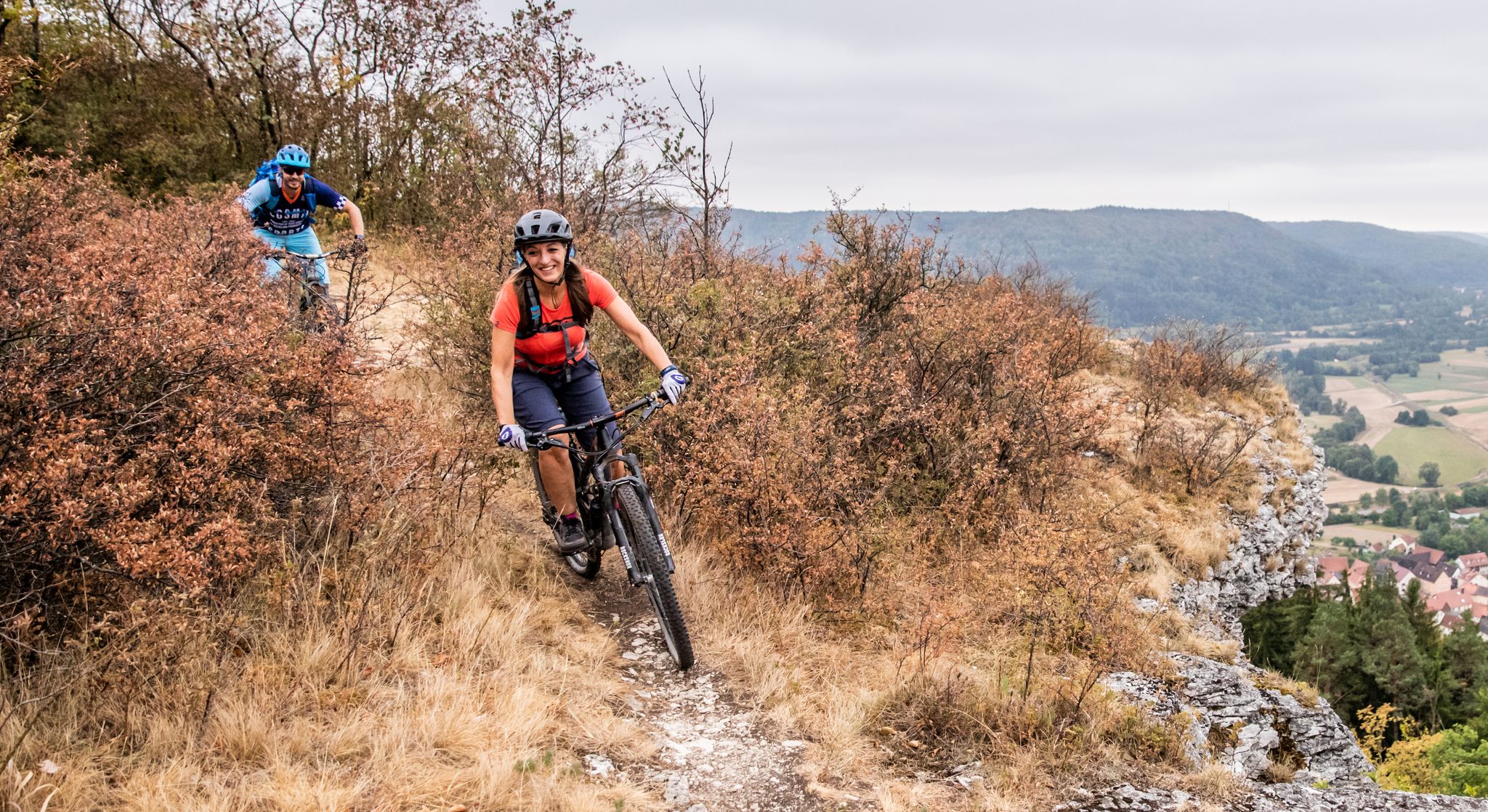
Castles, mountains, beer & trails – bikepacking in Franconian Switzerland
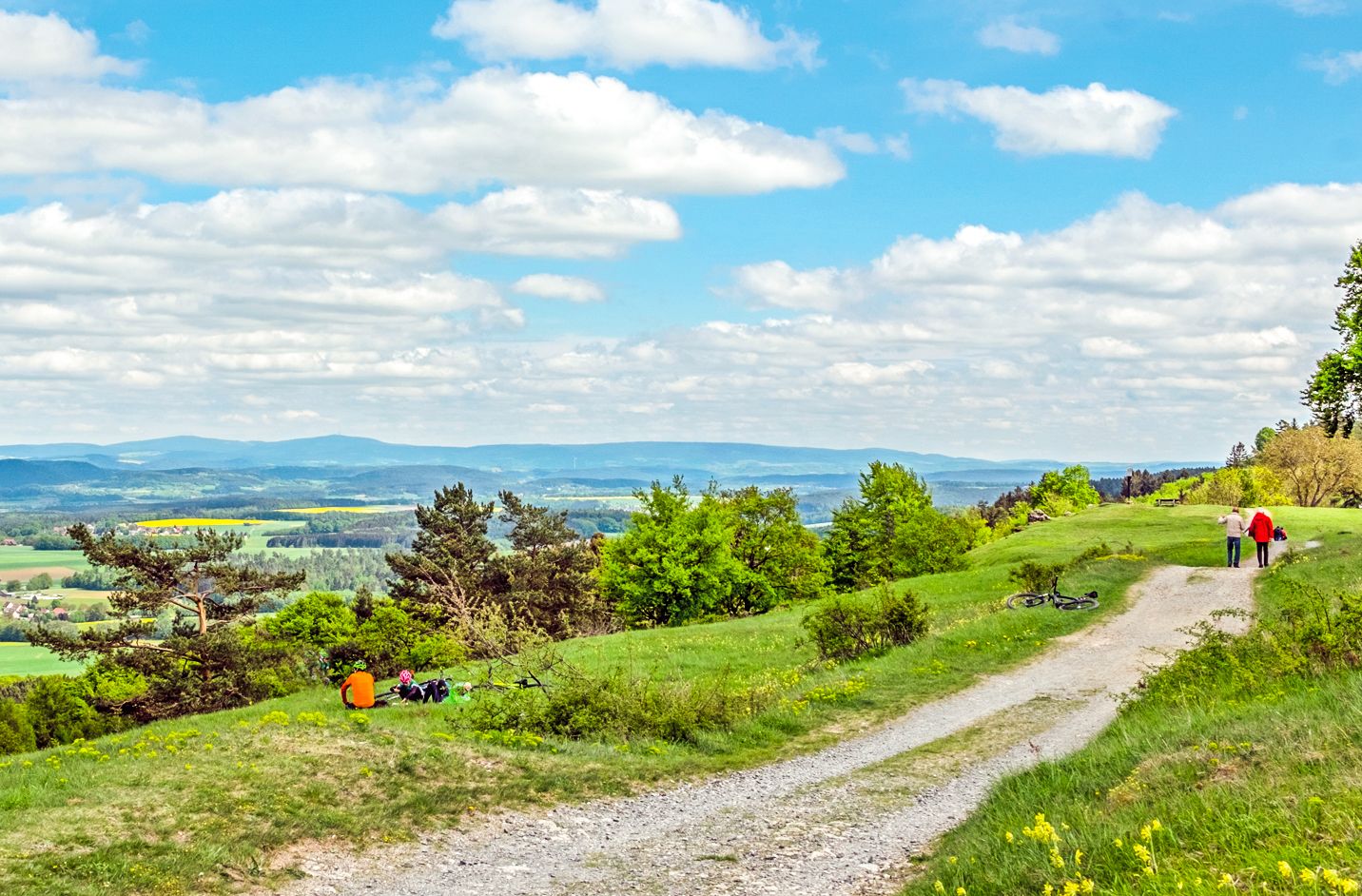
Ponds, woods and hills – the VGN recreational activities
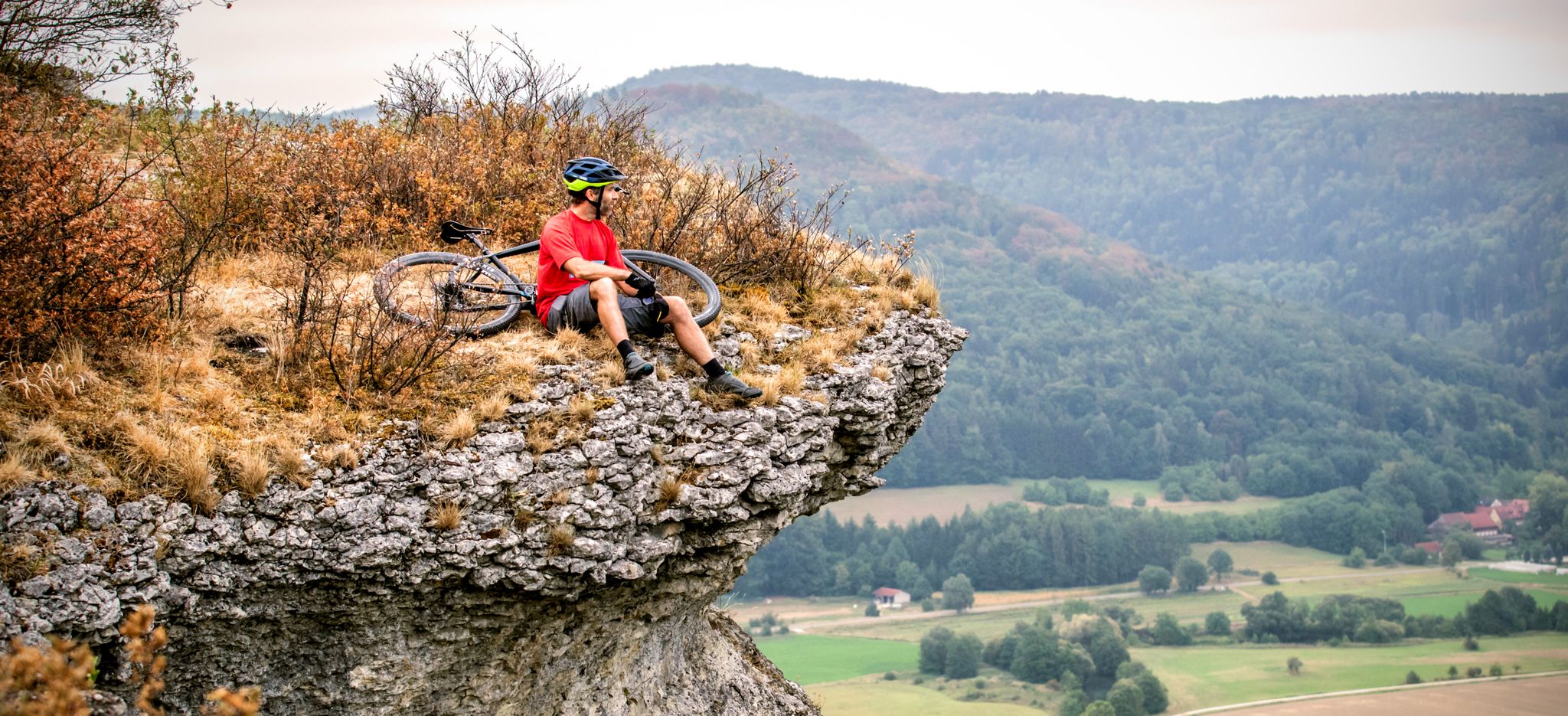
The 10 most beautiful mountain bike Tours in Franconian Switzerland
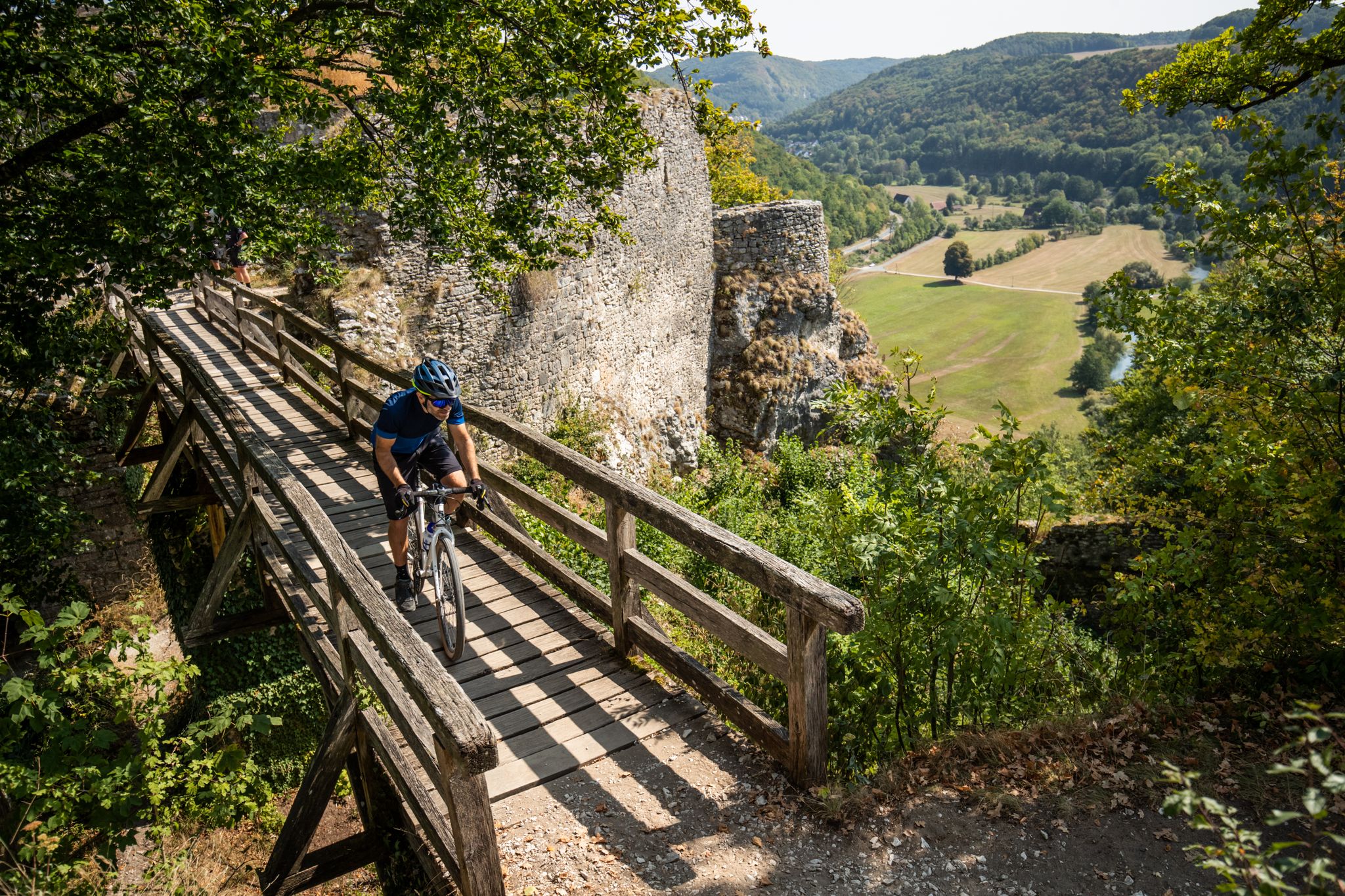
Castles, bikes and beer — a mountain biking paradise in Franconian Switzerland
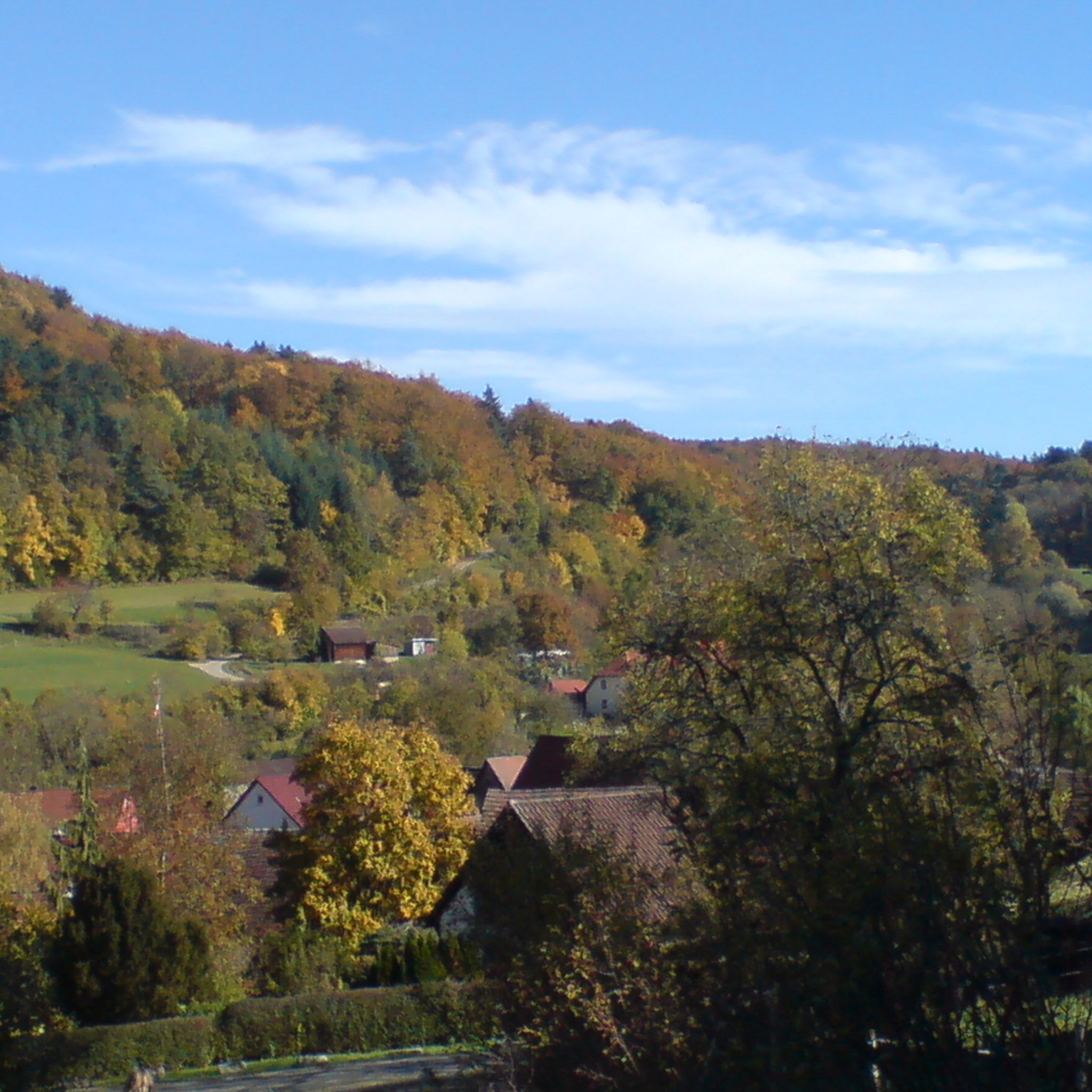
Πεζοπορία Gräfenberg
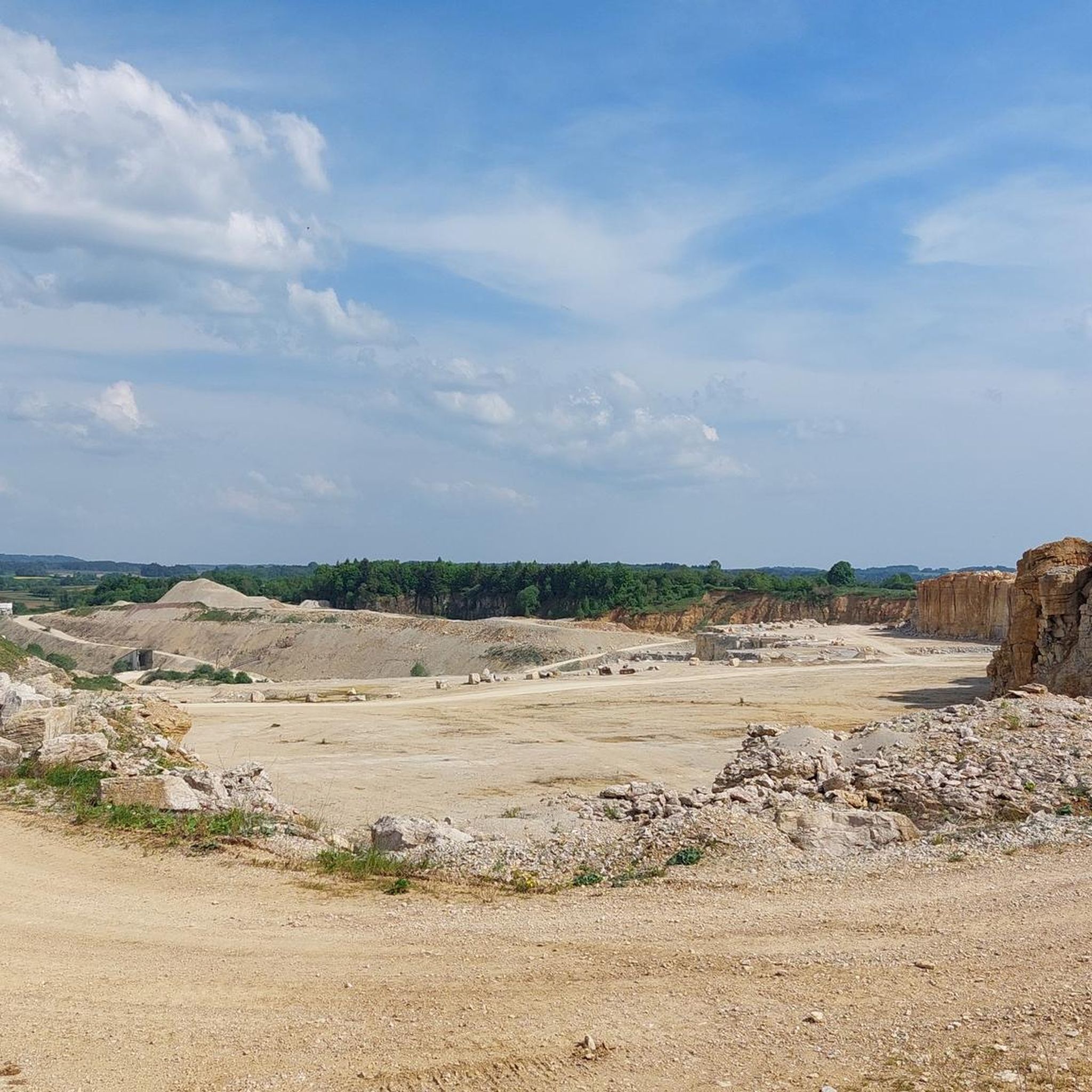
Ποδηλατικές διαδρομές Gräfenberg
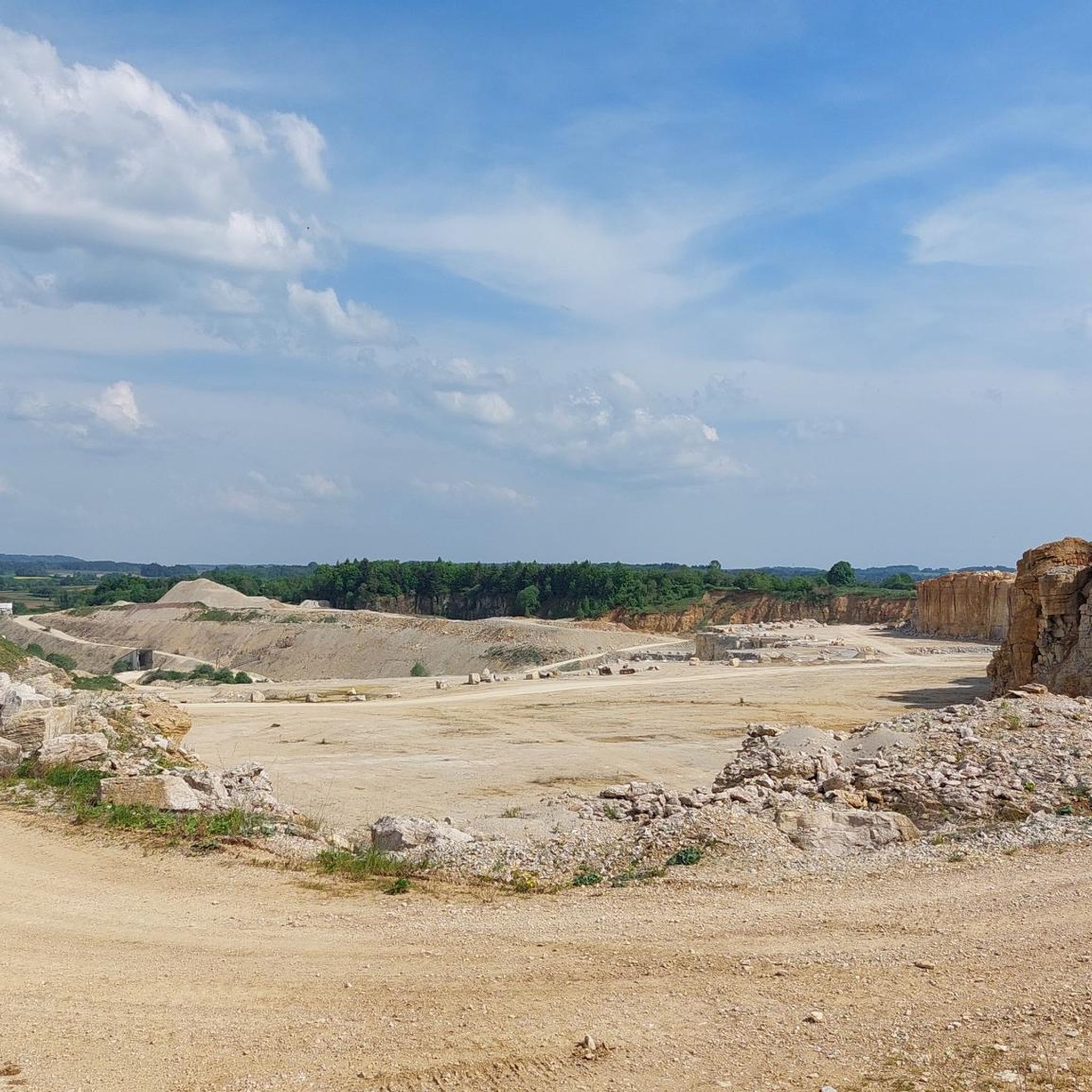
MTB μονοπάτια Gräfenberg
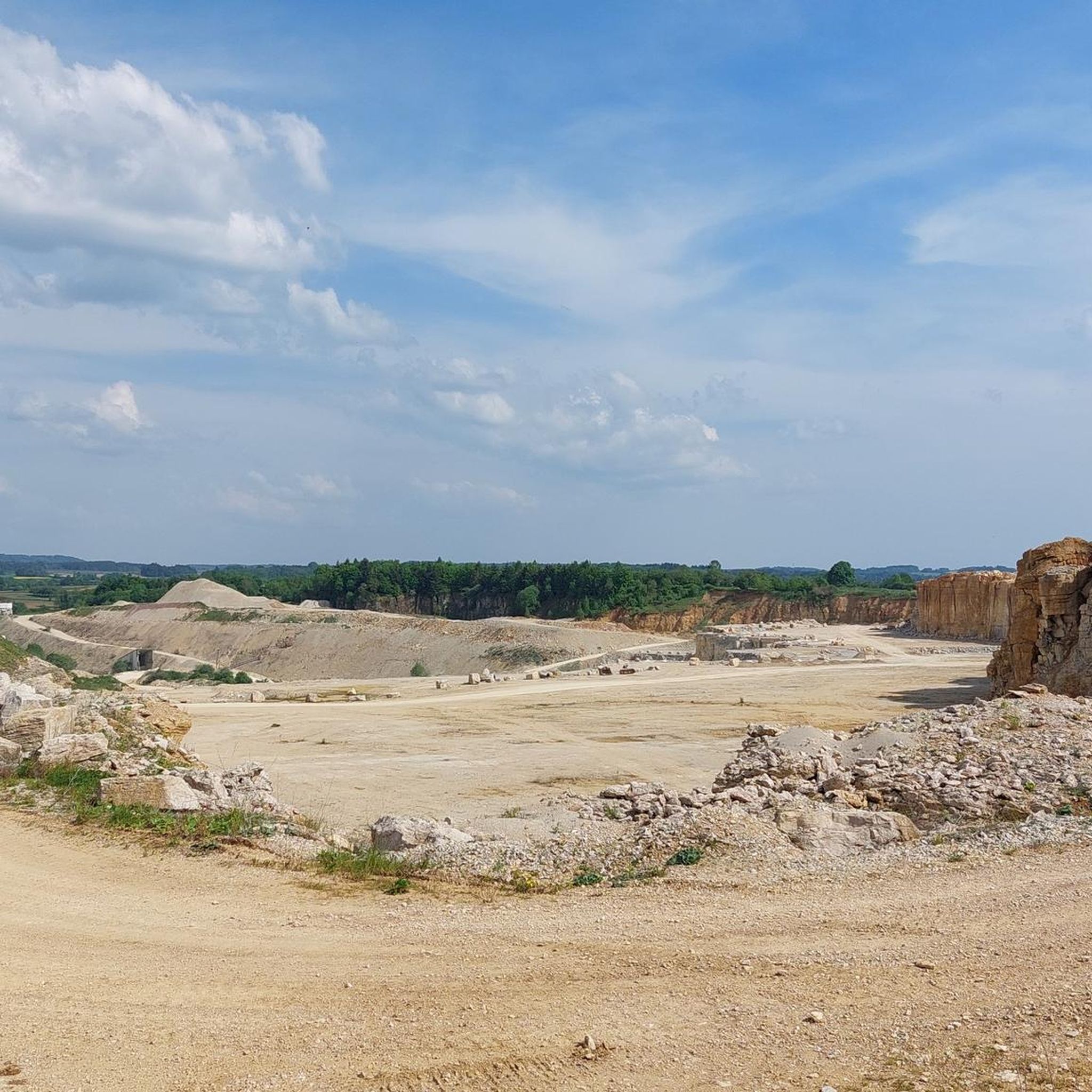
Διαδρομές ποδηλασίας Gräfenberg
Άλλες περιπέτειες Gräfenberg


Συμβουλές από την κοινότητα

Γεια σας. Έφτιαξα μια διαδρομή με όλους τους πλανήτες. https://www.komoot.com/de-de/tour/3209615410 Καλή διασκέδαση
2
0


The first church, dedicated to St. Catherine, was built into the rock as a castle chapel below the castle, in what is now the "Old Cemetery." The patronage was transferred to Spalt Abbey by the Nuremberg burgrave in 1300. Until 1431, the church was cared for more or less poorly by the vicar of Gräfenberg. Because the Thuisbrunn residents had been insisting on having their own pastor due to grievances as early as the 15th century, the castle chapel was elevated to a parish church (ecclesia parochialis) with its own pastor in 1460. Even then, this included the villages of Neusles, Höfles, Hohenschwärz, Hammer, and Dörnhof. Haidhof was added at the beginning of the 16th century. Due to extreme humidity and cold, the church fell into disrepair after a long period of time. In 1670/71, complaints were raised that "neither in winter nor in summer could the listeners stay out of the rain and snow," and that "On Laetare Sunday, the pastor could not remain in the pulpit before the trumpet, nor at the altar during the distribution of Holy Communion." Thus, a collection was taken in the Franconian Oberland and Unterland, and the money was used to build a new, larger nave for the church and a new church tower. This tower collapsed a year later. Rebuilt in 1831, the ringing of the bells was prohibited due to dilapidation. In the following years, part of the tower was demolished, and a few years later, the temporary roof was swept away by a storm. Thus, after lengthy negotiations with the state regarding the construction obligation, the foundation stone for a new church building was finally laid in 1855 on the present site on the road to Hohenschwärz. In keeping with the renewed national sentiment of the 19th century, the church was built by master builder Horneber, reminiscent of the great Gothic cathedrals, with its spaciousness and typical pointed arches in the Gothic Revival style. The 1895 altarpiece depicting the Resurrected Christ also reflects the optimism and spirit of optimism of the 19th century, driven by the increasing mastery of nature, inventions, new means of transport, and the pride of the industrial age. The sandstone baptismal font from the early 18th century and the impressive processional cross from 1711 were retained from the previous church. The Moses pulpit also originates from the old church. However, it was initially kept in adjoining rooms and was not erected in its current location until 1930 by Pastor Riedel. Source: https://www.thuisbrunn.com/katharinenkirche/
1
0

St. Boniface is a Baroque church in Weißenohe in Upper Franconia. It was the monastery church of the former Benedictine abbey and is now the parish church of the Catholic parish. The church is located in the center of Weißenohe and towers over the town with its 45-meter-high tower. The church's patron saint is Saint Boniface.
1
0

top, a very nice corner
0
0
top, a very nice corner
0
0
top, a very nice corner
0
0

Telephone number 09197555
0
0
Οι πιο δημοφιλείς διαδρομές Gräfenberg
Τα πιο δημοφιλή αξιοθέατα Gräfenberg

Εμπνεύσου με την εφαρμογή komoot για κινητά


Ανακάλυψε περισσότερα
Περιηγήσου τα καλύτερα Διαδρομές & διαδρομές για τρέξιμο σε άλλες περιοχές.
