Οι καλύτερες ποδηλατικές διαδρομές Roding
4,5
(1059)
4.404
Ποδηλάτες
162
Ποδηλασίες
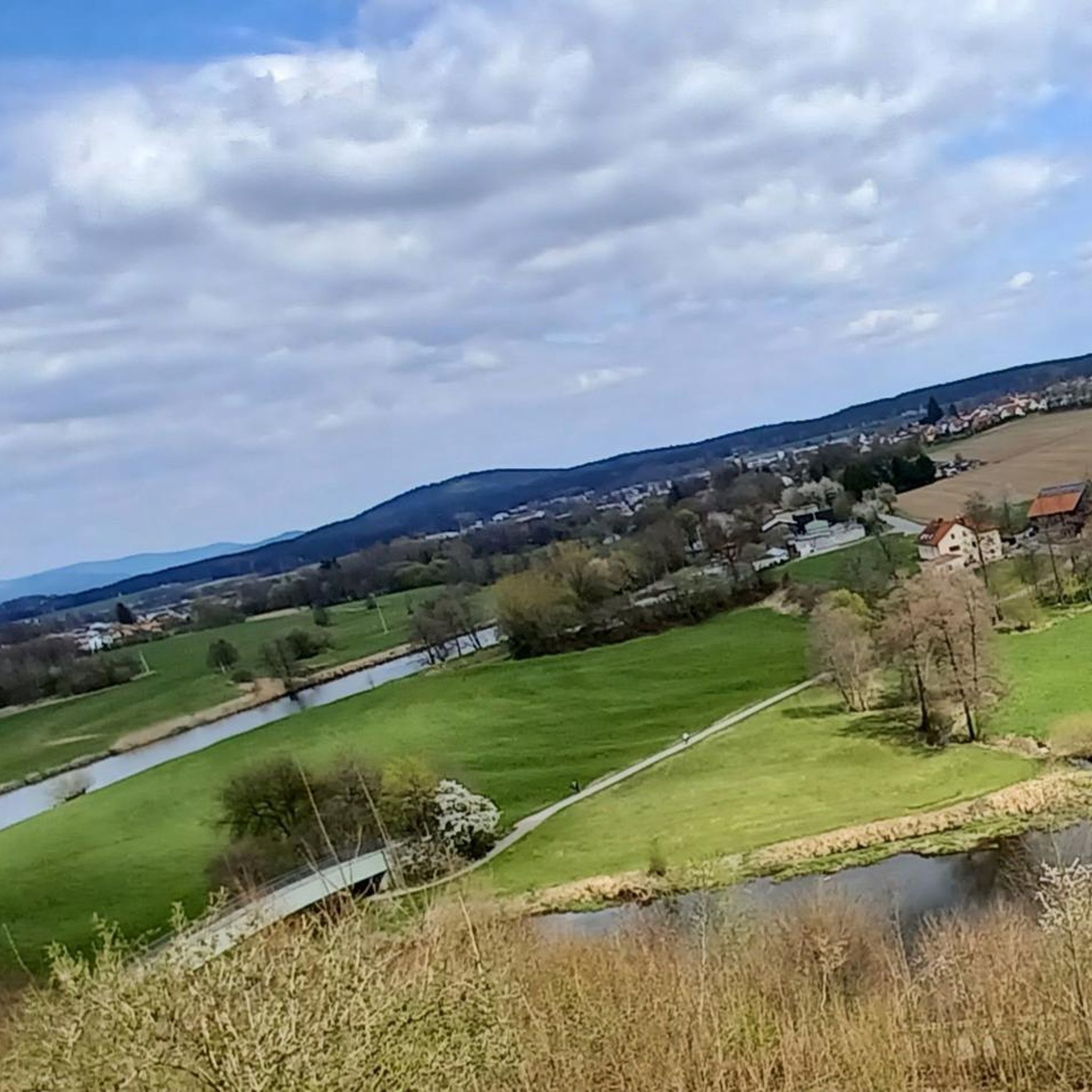
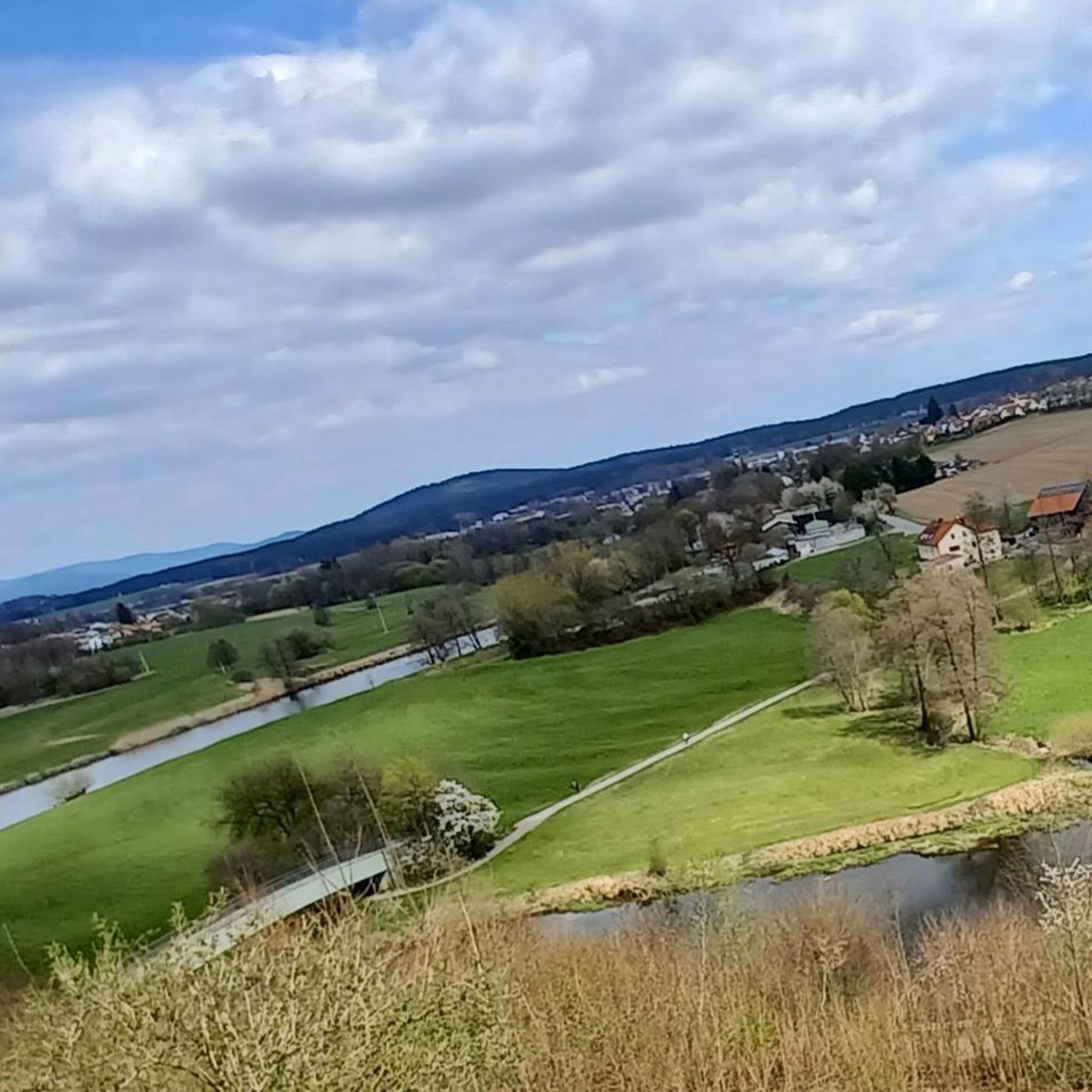
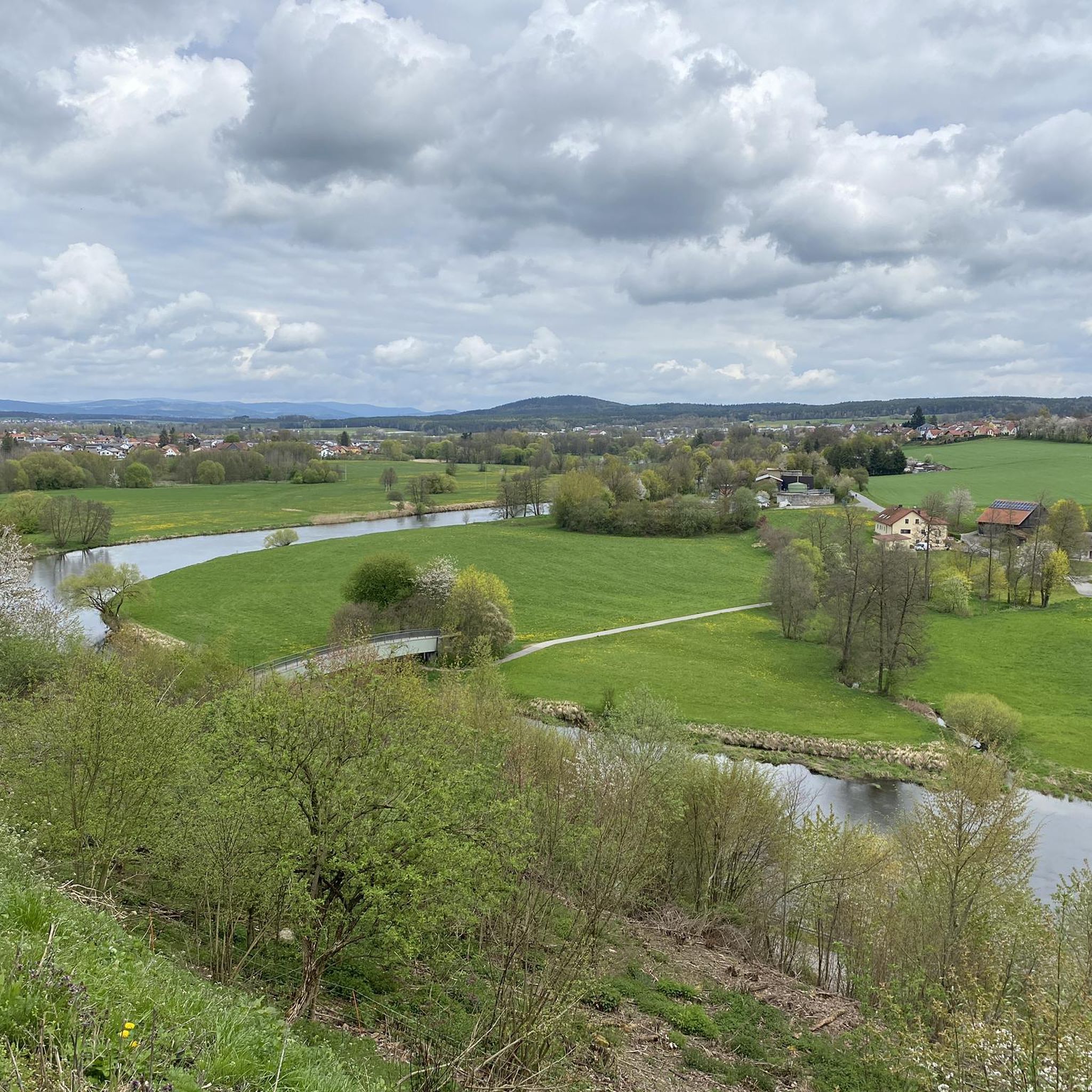
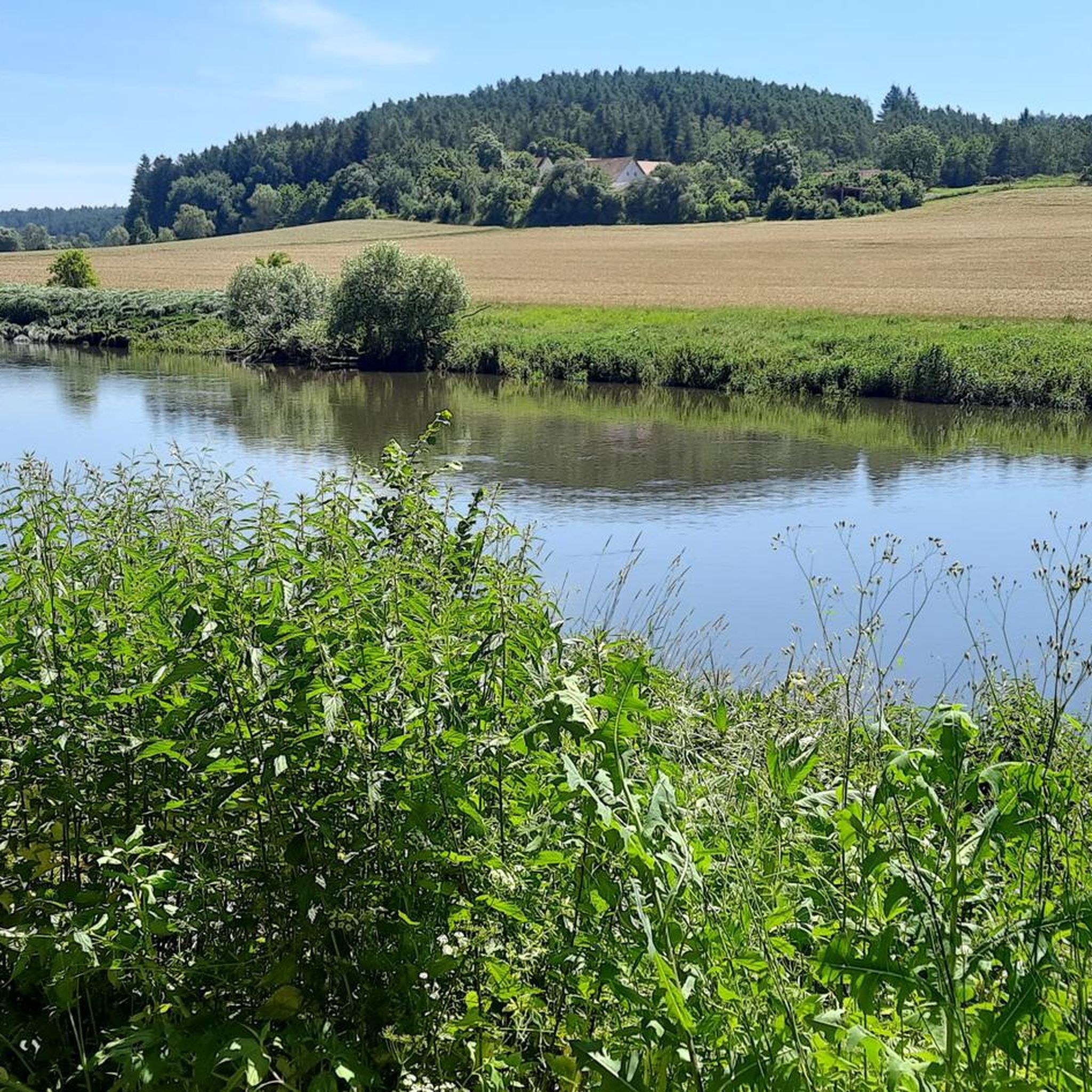
Διαδρομές ποδηλασίας περιήγησης γύρω από το Roding διασχίζουν την περιοχή Άνω Παλατινάτου, που χαρακτηρίζεται από κυματιστούς λόφους και πράσινα δάση. Το τοπίο περιλαμβάνει πολυάριθμες λίμνες και ποτάμια, όπως την κοιλάδα Regental και τον ποταμό Chamb, που προσφέρουν γραφικά μονοπάτια. Οι ποδηλάτες μπορούν να εξερευνήσουν ποικίλο έδαφος, από ήπιες διαδρομές δίπλα στο ποτάμι έως πιο απαιτητικά μονοπάτια εντός της ευρύτερης οροσειράς χαμηλού υψομέτρου.
Καλύτερες διαδρομές ποδηλασίας περιήγησης γύρω από το Roding
- Η πιο δημοφιλής διαδρομή ποδηλασίας περιήγησης είναι η Θέα της…
Τελευταία ενημέρωση: 24 Σεπτεμβρίου 2026
4,6
(63)
288
Ποδηλάτες
Μέτρια ποδηλασία. Απαιτείται καλή φυσική κατάσταση. Κυρίως ασφαλτοστρωμένες επιφάνειες. Κατάλληλο για όλα τα επίπεδα δεξιοτήτων.
4,7
(51)
188
Ποδηλάτες
56,9km
03:50
360m
360m
Μέτρια ποδηλασία. Απαιτείται καλή φυσική κατάσταση. Κυρίως ασφαλτοστρωμένες επιφάνειες. Κατάλληλο για όλα τα επίπεδα δεξιοτήτων.

4,6
(56)
235
Ποδηλάτες
27,4km
02:02
130m
130m
Μέτρια ποδηλασία. Απαιτείται καλή φυσική κατάσταση. Κυρίως ασφαλτοστρωμένες επιφάνειες. Κατάλληλο για όλα τα επίπεδα δεξιοτήτων.
4,5
(56)
222
Ποδηλάτες
Εύκολη ποδηλασία. Κατάλληλο για όλα τα επίπεδα φυσικής κατάστασης. Κυρίως ασφαλτοστρωμένες επιφάνειες. Κατάλληλο για όλα τα επίπεδα δεξιοτήτων.
4,3
(32)
142
Ποδηλάτες
46,3km
02:59
240m
250m
Μέτρια ποδηλασία. Απαιτείται καλή φυσική κατάσταση. Κυρίως ασφαλτοστρωμένες επιφάνειες. Κατάλληλο για όλα τα επίπεδα δεξιοτήτων.
Πάρε πρόσβαση σε περισσότερες διαδρομές και προτάσεις από άλλους εξερευνητές.
Έχεις ήδη λογαριασμό;
Οι προτάσεις διαδρομών μας βασίζονται σε χιλιάδες πεζοπορίες, ποδηλασίες και τρεξίματα που ολοκληρώθηκαν από άλλους χρήστες στο komoot.
Ξεκίνα σήμερα με έναν δωρεάν λογαριασμό
Η επόμενη περιπέτειά σου σε περιμένει.

Συμβουλές από την κοινότητα

Πήγαμε μέχρι πάνω για να δούμε. Η σήμανση εκεί πάνω είναι μάλλον μέτρια και σε λίγα σημεία η πρόσβαση απαγορεύεται σε μη εξουσιοδοτημένα άτομα. Υπάρχει μια ταβέρνα μοναστηριού και ένα φυτώριο μοναστηριού εκεί στο βουνό, αυτά είναι εμφανή. Η θέα από ψηλά προς την κοιλάδα Regental είναι μάλλον δύσκολη.
0
0

όμορφη, σχεδόν χωρίς αυτοκίνητα πλατεία. Το συντριβάνι έχει κάτι μέσα του. Όποιος δεν ξέρει μπορεί ενδεχομένως να βραχεί
0
0

Very nice place with nice path next to the rain
0
0

Location as already described.
0
0


An impressive monastery here.
2
0

It is the only one of the original four city gates still standing. It was originally called the Castle Gate, as the Cham Castle stood on the site of the adjacent old building. However, after it lost its former function, an electoral brewery for wheat beer was established here in 1642. Thus, the Castle Gate became popularly known as the "Beer Gate." Its squat shape with its massive round towers and covered pointed arch is reflected in the coat of arms of the city of Cham as a landmark.
5
0
The Redemptorist Order built its Cham branch with the Maria Hilf monastery church between 1900 and 1909. Since then, the neo-Romanesque brick building has dominated the area north of the old town.
4
0
Οι πιο δημοφιλείς διαδρομές Roding
Τα πιο δημοφιλή αξιοθέατα Roding

Εμπνεύσου με την εφαρμογή komoot για κινητά


Ανακάλυψε περισσότερα
Περιηγήσου τα καλύτερα Διαδρομές ποδηλασίας σε άλλες περιοχές.
