Οι καλύτερες διαδρομές και πεζοπορίες Roding
4,5
(714)
3.153
Πεζοπόροι
134
Πεζοπορίες
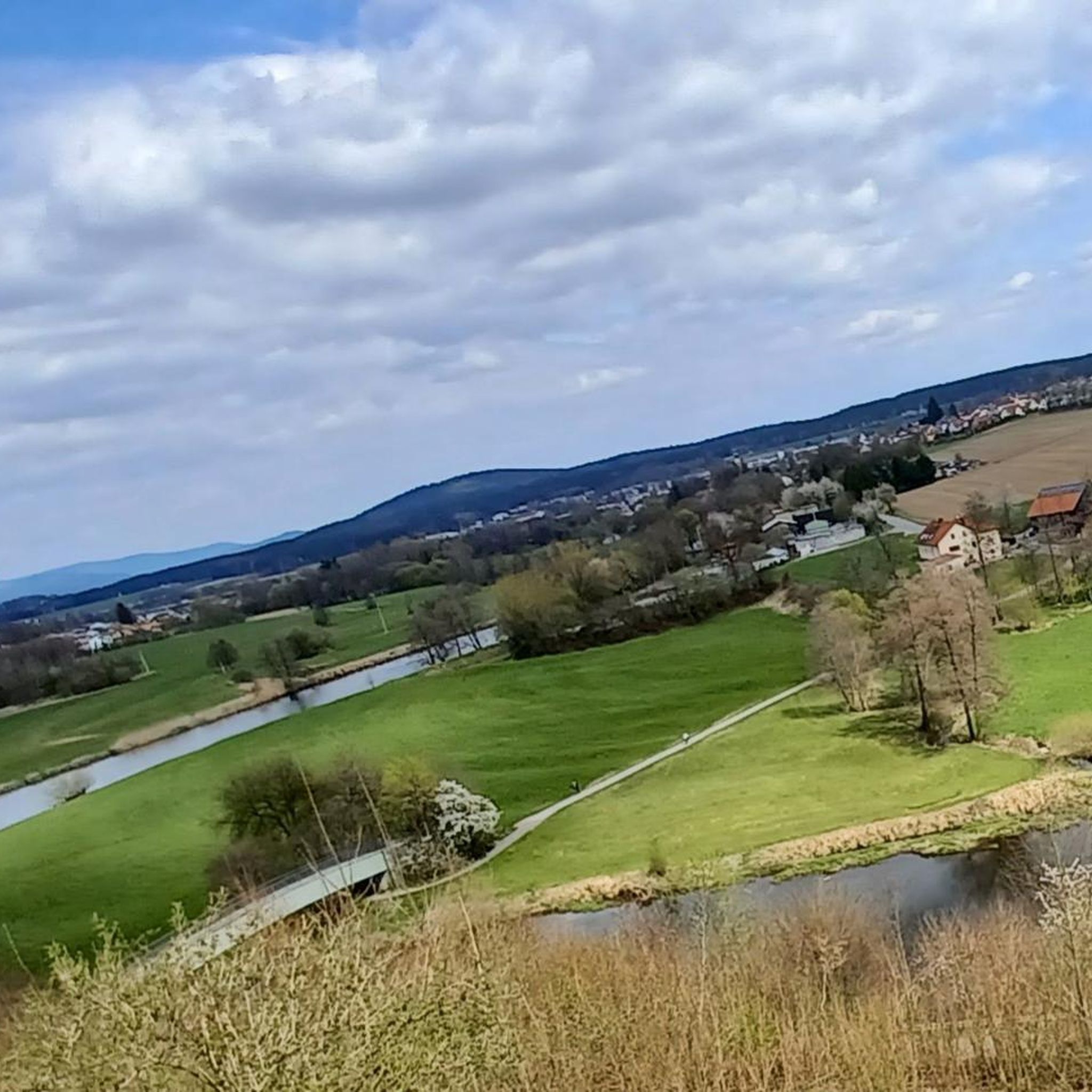
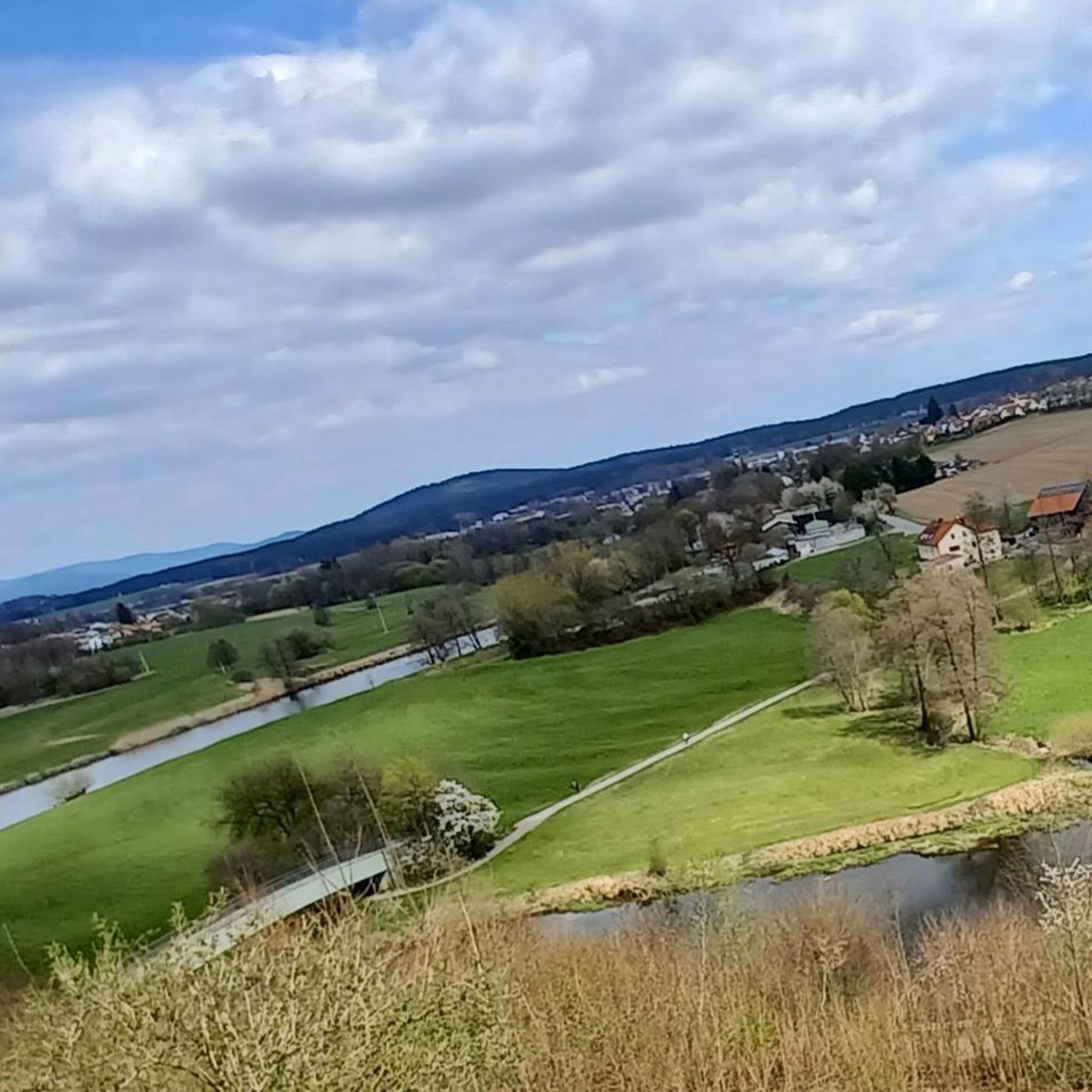
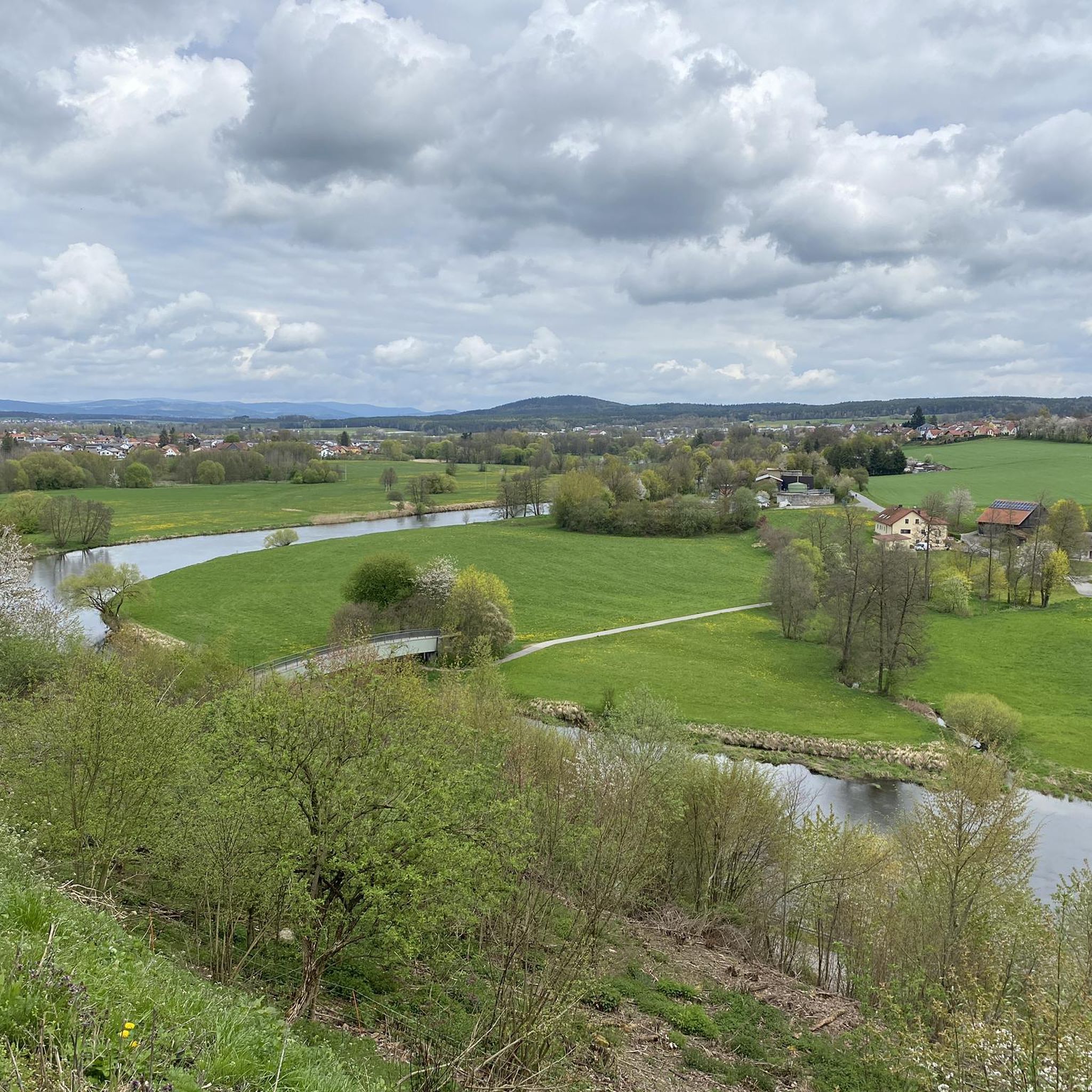
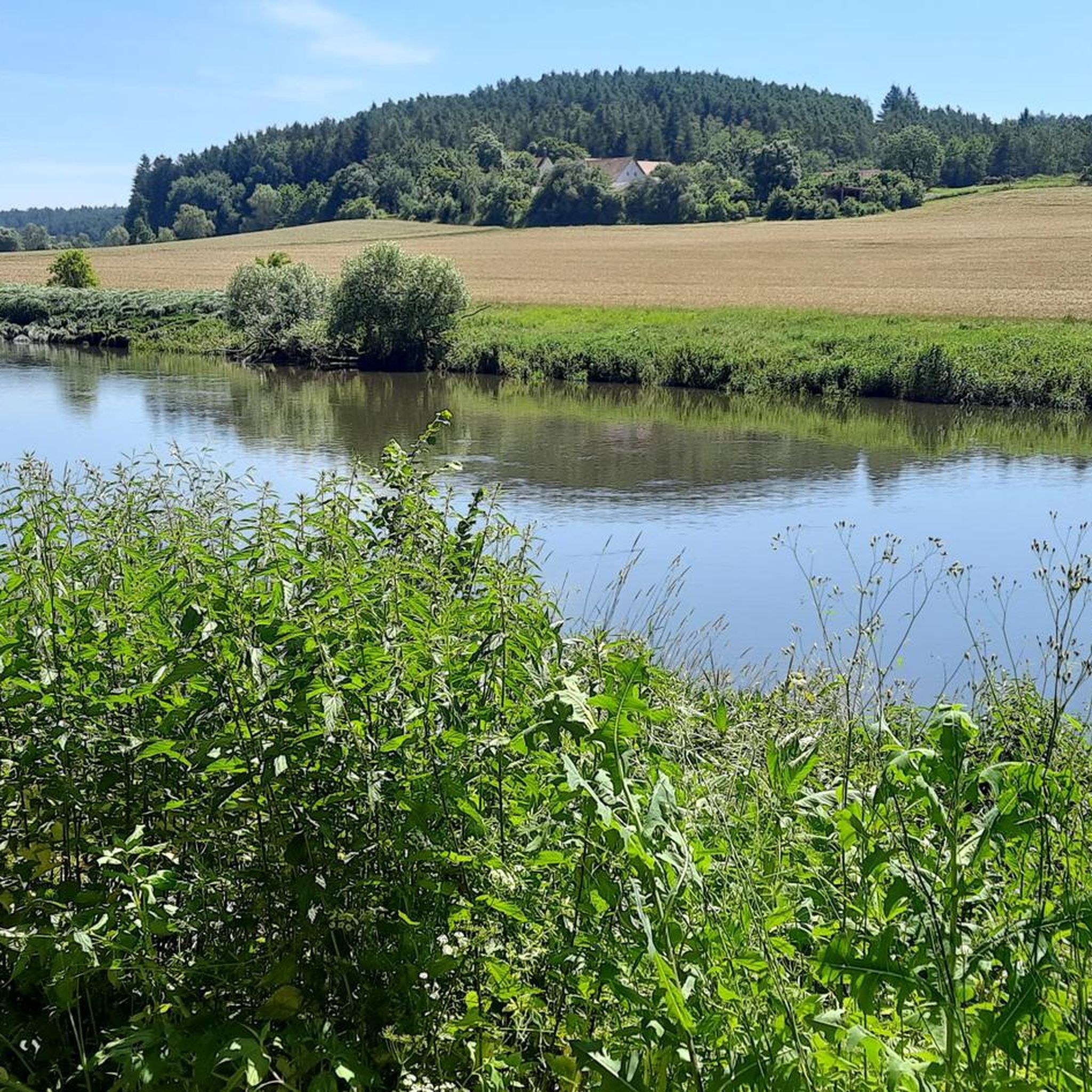
Η πεζοπορία γύρω από το Roding της Γερμανίας προσφέρει ποικίλα τοπία για τους λάτρεις της υπαίθρου. Η περιοχή χαρακτηρίζεται από τον γραφικό ποταμό Regen, ο οποίος προσφέρει ευκαιρίες για περιπάτους δίπλα στο ποτάμι, και τη γαλήνια λίμνη Neubäuer, ένα κεντρικό σημείο για υπαίθριες δραστηριότητες. Το ποικίλο έδαφος περιλαμβάνει λοφώδεις δασικές περιοχές και δάση, προσφέροντας μια σειρά από εμπειρίες από χαλαρούς περιπάτους έως πιο απαιτητικές πεζοπορίες. Αυτή η περιοχή διαθέτει ένα καλά ανεπτυγμένο δίκτυο μονοπατιών κατάλληλων για διαφορετικά επίπεδα φυσικής κατάστασης.
…Τελευταία ενημέρωση: 24 Σεπτεμβρίου 2026
4,5
(182)
673
Πεζοπόροι
Εύκολη πεζοπορία. Κατάλληλο για όλα τα επίπεδα φυσικής κατάστασης. Εύκολα προσβάσιμα μονοπάτια. Κατάλληλο για όλα τα επίπεδα δεξιοτήτων.
4,4
(146)
501
Πεζοπόροι
7,06km
01:48
20m
20m
Εύκολη πεζοπορία. Κατάλληλο για όλα τα επίπεδα φυσικής κατάστασης. Εύκολα προσβάσιμα μονοπάτια. Κατάλληλο για όλα τα επίπεδα δεξιοτήτων.

4,7
(28)
111
Πεζοπόροι
9,30km
02:38
200m
200m
Μέτρια πεζοπορία. Απαιτείται καλή φυσική κατάσταση. Εύκολα προσβάσιμα μονοπάτια. Κατάλληλο για όλα τα επίπεδα δεξιοτήτων.
4,6
(19)
98
Πεζοπόροι
12,2km
03:22
200m
200m
Μέτρια πεζοπορία. Απαιτείται καλή φυσική κατάσταση. Εύκολα προσβάσιμα μονοπάτια. Κατάλληλο για όλα τα επίπεδα δεξιοτήτων.
4,2
(21)
110
Πεζοπόροι
4,85km
01:15
20m
20m
Εύκολη πεζοπορία. Κατάλληλο για όλα τα επίπεδα φυσικής κατάστασης. Εύκολα προσβάσιμα μονοπάτια. Κατάλληλο για όλα τα επίπεδα δεξιοτήτων.
Πάρε πρόσβαση σε περισσότερες διαδρομές και προτάσεις από άλλους εξερευνητές.
Έχεις ήδη λογαριασμό;
Οι προτάσεις διαδρομών μας βασίζονται σε χιλιάδες πεζοπορίες, ποδηλασίες και τρεξίματα που ολοκληρώθηκαν από άλλους χρήστες στο komoot.
Ξεκίνα σήμερα με έναν δωρεάν λογαριασμό
Η επόμενη περιπέτειά σου σε περιμένει.

Συμβουλές από την κοινότητα

Και καλό για ποδηλασία βουνού 🚵 Αλλά προσεκτικά και μην υπερεκτιμάτε τον εαυτό σας.
0
0

Ήσυχο μέρος για ένα διάλειμμα.
0
0

Church of Our Lady of the Nativity Around 1500, Count Fürstenberg built a castle, which presumably stood in the current village center of Neubäu. A wooden chapel was built under the caretaker Hans Georg Rotenthan after 1599. It was expanded with an annex in 1806. Neubäu belonged to the parish of Neukirchen-Balbini. Since 1817, a cooperator was responsible for pastoral care in Neubäu, thus making Neubäu a branch of Neukirchen-Balbini. In 1900, Johann Müllbauer, the parish priest of Neubäu, asked the bishop for permission to build a new church. After the foundation stone was laid by Pastor Christian Wimmer, the church was built in the Neo-Romanesque style. The architect was Johann Baptist Schott from Munich. The sandstone blocks were brought from the nearby Schwärzenberg mountain by manual labor and haulage. Despite a minor accident, construction progressed rapidly. The new church was completed in 1901. On July 20, 1907, Bishop Antonius Henle ceremoniously consecrated the new church. The church consists of a nave crossed by a transept, a church tower to the west, and a semicircular apse to the east. Its walls are articulated externally with pilaster strips and arched friezes. The top square story of the church tower houses the clock tower, while the octagonal one above, behind the bell tower arcades designed as bifora, houses the belfry, in which four church bells hang. A pointed helmet sits on top. The interior is spanned by a groined vault. The transverse arches rest on consoles. The church furnishings date from the time of construction. On the high altar, we see the crucified Jesus with Mary and John; above the crucifixion group, a pelican can be seen. According to legend, the pelican gives its blood to feed its young; this was seen as a symbol of Jesus Christ, who gave his life for us. The left side altar depicts the Sacred Heart motif, while the right side altar depicts the Holy Family. The baptismal font stands in front of the right side altar. In the vault of the apse, Christ the Judge of the World greets the high altar, filled with light and splendor. In the organ loft, Christ is depicted as the "Good Shepherd" surrounded by the four evangelists. Three special images of the Virgin Mary were retained from the old church: the image of the "Mother of God," the image of the "Heart of Mary," and the image of "Mary Help." Source: Information panel and excerpts from www.wikipedia.de
2
0
Franz Sackmann Bridge The bridge is named after Franz Sackmann. He was born on December 17, 1920, in Roding. He moved to Munich in 1933. He graduated from high school in 1939 and then began studying chemistry at the University of Munich. From January 1940, he served as a soldier, almost exclusively at the front, including Stalingrad. He was wounded four times and received numerous decorations. He was a reserve lieutenant. He escaped from Russian captivity in 1945. In 1945, he became a founding member of the CSU and the Junge Union (Young Union). He continued his chemistry studies in 1946; he passed the state examination in 1951. From 1951, he was a member of the CSU state executive committee; from 1950 to 1953, he was executive chairman of the CSU Munich. From 1952 to 1956, he was the state chairman of the Junge Union, and from 1956 to 1961, he was a member of the federal executive committee of the Junge Union of Germany. From 1956, he was the district administrator of the Roding district. He spent time studying politics in the USA, Italy, France, England, and Switzerland. He was a member of the Board of Trustees of the German Research Institute. Since December 5, 1966, he has been State Secretary in the State Ministry for Economic Affairs and Transport. He has been a member of the Bavarian State Parliament since 1954. Franz Sackmann died on October 14, 2011, in Roding. Source: www.bayern.landtag.de
3
0
Blue Grotto It is not a Marian cult site, as is often assumed. It began as a love affair, the love of a Rodinger – he later even became mayor – for a beautiful young girl named Maria Zimmerer. Unfortunately, this girl died of appendicitis at a very young age and is buried in Munich, where she had been employed. In 1929, the enamored Rodinger erected this statue in memory of his beloved, carved from sandstone by the stonemason Hofinger from Oberkreith. There was no road to the grotto at that time. So the statue and all the materials had to be transported by boat across the Regen River from Wiesing. "Dieß'n Wack" was involved in its installation and also immortalized himself with a small painting to the left of the statue. The pastor of Roding at the time had concerns about the grotto, arguing that the statue might be considered a Marian cult site and thus harm the Heilbrünnl (Holy Spring). But this concern was unfounded. In 1977, the Roding-Mitterdorf Hiking Club built a footbridge around the grotto to Fischerwinkel, making it easily accessible on foot. Members of the Wiesing Volunteer Fire Department have thinned out the trees and bushes in front of the grotto to provide a better view from Wiesing. Source: Local information
1
0
Blue Grotto It is not a Marian cult site, as is often assumed. It began as a love affair, the love of a Rodinger – he later even became mayor – for a beautiful young girl named Maria Zimmerer. Unfortunately, this girl died of appendicitis at a very young age and is buried in Munich, where she had been employed. In 1929, the enamored Rodinger erected this statue in memory of his beloved, carved from sandstone by the stonemason Hofinger from Oberkreith. There was no road to the grotto at that time. So the statue and all the materials had to be transported by boat across the Regen River from Wiesing. "Dieß'n Wack" was involved in its installation and also immortalized himself with a small painting to the left of the statue. The pastor of Roding at the time had concerns about the grotto, arguing that the statue might be considered a Marian cult site and thus harm the Heilbrünnl (Holy Spring). But this concern was unfounded. In 1977, the Roding-Mitterdorf Hiking Club built a footbridge around the grotto to Fischerwinkel, making it easily accessible on foot. Members of the Wiesing Volunteer Fire Department have thinned out the trees and bushes in front of the grotto to provide a better view from Wiesing. Source: Local information
3
0

View over the lake
0
0

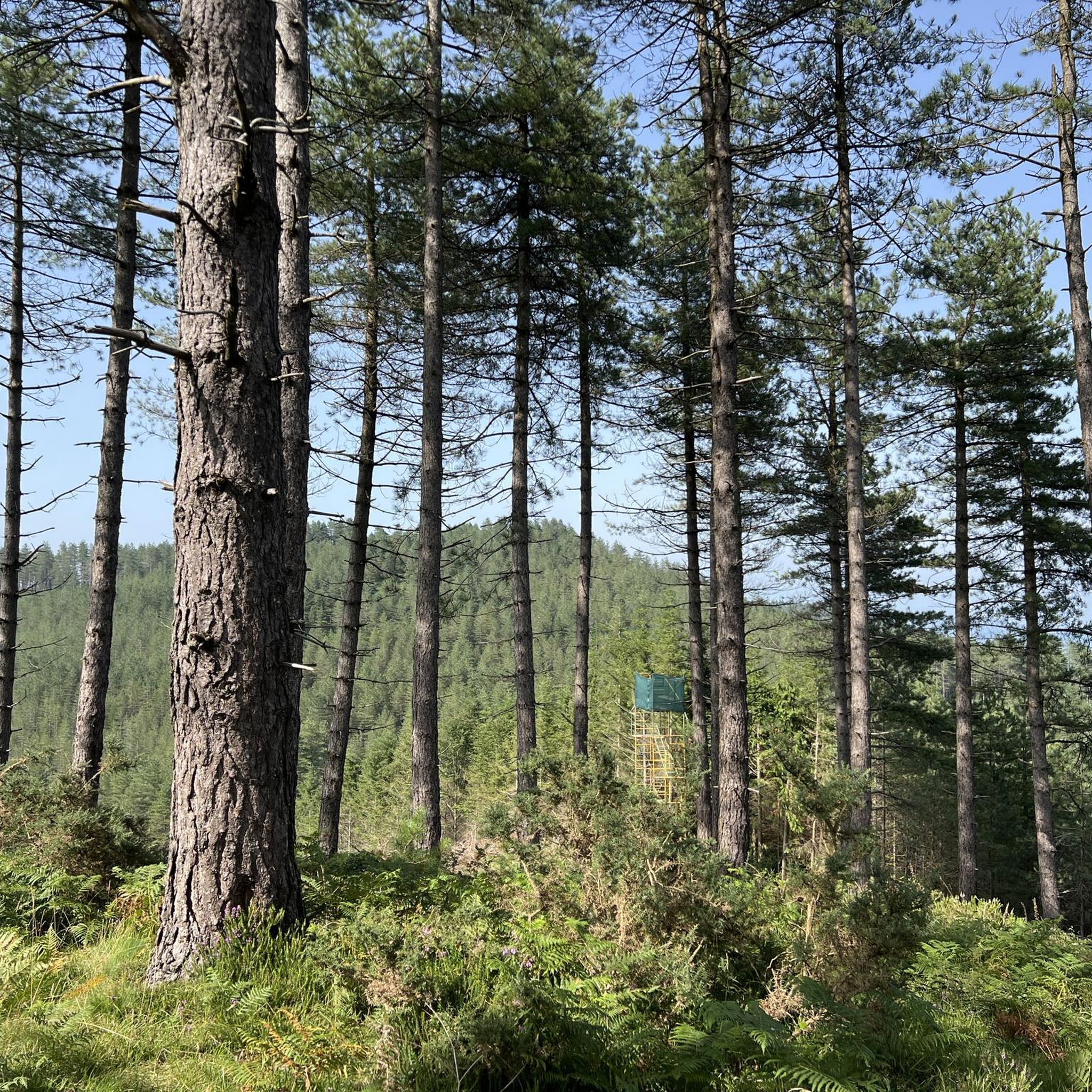
Here, you can observe the birds in a sheltered and hidden environment. There are lookouts at various heights so that even children can see something.
1
0
Συχνές ερωτήσεις
Πόσα μονοπάτια πεζοπορίας είναι διαθέσιμα στο Roding;
Το Roding προσφέρει μια ευρεία επιλογή ευκαιριών πεζοπορίας, με πάνω από 130 μονοπάτια για εξερεύνηση. Αυτές οι διαδρομές καλύπτουν διάφορες προτιμήσεις, από χαλαρές βόλτες μέχρι πιο απαιτητικές πεζοπορίες μέσα από ποικίλα τοπία.
Τι είδους τοπία και φυσικά χαρακτηριστικά μπορώ να περιμένω να δω κατά την πεζοπορία στο Roding;
Τα μονοπάτια πεζοπορίας του Roding αναδεικνύουν ένα ποικίλο φυσικό τοπίο, που χαρακτηρίζεται από δραματικά βραχώδη δασικά φαράγγια, γραφικές κοιλάδες με ρυάκια και μοναδικούς βραχώδεις σχηματισμούς. Οι Βραχώδεις Σχηματισμοί Hölltal και το άγριο, ρομαντικό Φυσικό Καταφύγιο Κοιλάδας Höllbach (Hölle) είναι εξέχοντα χαρακτηριστικά. Πολλά μονοπάτια ακολουθούν επίσης τη γραφική πορεία του ποταμού Regen.
Υπάρχουν εύκολες, φιλικές προς την οικογένεια πεζοπορίες στο Roding;
Ναι, το Roding έχει πολλές εύκολες επιλογές κατάλληλες για οικογένειες. Μια δημοφιλής επιλογή είναι ο κυκλικός δρόμος Παιδική Χαρά Δάσους Neubäuer Weiher – Λίμνη Neubäuer από Neubäu, ένα εύκολο μονοπάτι 3,2 μιλίων που εξερευνά την περιοχή γύρω από τη λίμνη Neubäuer. Η περιοχή προσφέρει πάνω από 95 εύκολες διαδρομές, διασφαλίζοντας ότι υπάρχει κάτι για όλους.
Πού μπορώ να βρω πιο απαιτητικές πεζοπορίες στην περιοχή του Roding;
Για έμπειρους πεζοπόρους που αναζητούν μια πρόκληση, το Roding προσφέρει μερικές πιο απαιτητικές επιλογές. Το Μονοπάτι Höllbachtal είναι ένα μονοπάτι-ορόσημο που απαιτεί ανθεκτικά παπούτσια και σιγουριά στα πόδια. Πιο εκτεταμένες επιλογές όπως το Goldsteig μέσω Oberschleif (8,6 μίλια) ή το μονοπάτι Engelberg (19,0 μίλια) προσφέρουν επίσης σημαντική άσκηση.
Υπάρχουν κυκλικές διαδρομές πεζοπορίας στο Roding;
Πολλά από τα μονοπάτια του Roding είναι σχεδιασμένα ως κυκλικές διαδρομές, επιτρέποντάς σας να ξεκινήσετε και να τερματίσετε στο ίδιο σημείο. Ένα εξαιρετικό παράδειγμα είναι ο κυκλικός δρόμος Λίμνη Neubäuer – Λίμνη Neubäuer από Neubäu am See, ένα μονοπάτι 4,4 μιλίων που σας περνά μέσα από το γραφικό τοπίο γύρω από τη λίμνη Neubäuer.
Τι ιστορικά μνημεία ή αξιοθέατα μπορώ να δω κατά μήκος των μονοπατιών πεζοπορίας;
Πέρα από τη φυσική ομορφιά, τα μονοπάτια του Roding οδηγούν συχνά σε ιστορικούς χώρους. Τα Ερείπια Κάστρου Schwarzenburg, που δεσπόζουν στον Schwarzwihrberg, προσφέρουν όχι μόνο μια ματιά στο παρελθόν αλλά και πανοραμική θέα στους γύρω λόφους από τον ανακαινισμένο πύργο τους. Μπορεί επίσης να συναντήσετε άλλα ερείπια κάστρων όπως τα Ερείπια Κάστρου Kürnburg.
Υπάρχουν πεζοπορίες που ακολουθούν τον ποταμό Regen;
Ναι, ο ποταμός Regen είναι ένα κεντρικό χαρακτηριστικό των υπαίθριων δραστηριοτήτων του Roding, και πολλά μονοπάτια πεζοπορίας ακολουθούν την πορεία του. Μια δημοφιλής μέτρια επιλογή είναι ο κυκλικός δρόμος Μονοπάτι Ποταμού Regen – Πανδοχείο Waldhirs Inn Heilbrünnl από Roding, ο οποίος καλύπτει 5,9 μίλια και περιλαμβάνει κάποια υψομετρική διαφορά κατά μήκος του ποταμού.
Τι απολαμβάνουν περισσότερο οι άλλοι πεζοπόροι στην πεζοπορία στο Roding;
Η εμπειρία πεζοπορίας στο Roding εκτιμάται ιδιαίτερα από την κοινότητα της komoot, με μέση βαθμολογία 4,6 αστέρια από πάνω από 600 κριτικές. Οι πεζοπόροι συχνά επαινούν το ποικίλο έδαφος, από ήρεμα μονοπάτια δίπλα στο ποτάμι μέχρι δασώδεις λόφους, και το καλά ανεπτυγμένο δίκτυο μονοπατιών που καλύπτει διάφορα επίπεδα φυσικής κατάστασης.
Υπάρχουν μονοπάτια με καλές πανοραμικές θέες στο Roding;
Απολύτως. Η πεζοπορία προς τα Ερείπια Κάστρου Schwarzenburg είναι ιδιαίτερα ανταποδοτική για τις πανοραμικές θέες από τον Schwarzwihrberg. Επιπλέον, μονοπάτια όπως ο κυκλικός δρόμος Μονοπάτι Ποταμού Regen – Θέα του Ποταμού Regen από Roding προσφέρουν γραφικές θέες του ποταμού και των γύρω τοπίων.
Μπορώ να βρω μικρότερες βόλτες για μια γρήγορη υπαίθρια εμπειρία;
Ναι, το Roding προσφέρει αρκετές μικρότερες, ευκολότερες βόλτες ιδανικές για μια γρήγορη απόδραση στη φύση. Επιλογές όπως το Marc-Aurel-Ufer (1,7 μίλια) ή το Am Brückenbasar (1,8 μίλια) είναι ιδανικές για μια χαλαρή βόλτα. Ο κυκλικός δρόμος Γέφυρα Franz Sackmann – Πανδοχείο Waldhirs Inn Heilbrünnl από Roding είναι μια άλλη προσβάσιμη διαδρομή 3,3 μιλίων.
Οι πιο δημοφιλείς διαδρομές Roding
Τα πιο δημοφιλή αξιοθέατα Roding

Εμπνεύσου με την εφαρμογή komoot για κινητά


Ανακάλυψε περισσότερα
Περιηγήσου τα καλύτερα Πεζοπορίες σε άλλες περιοχές.
