Τα 20 καλύτερα φυσικά μνημεία Modave
Το τοπίο της περιοχής Modave είναι ένα υπέροχο μέρος για εξερεύνηση — κάτι που μπορείτε να βιώσετε καλύτερα επισκεπτόμενοι ένα από τα 20
πανέμορφα φυσικά μνημεία Modave. Για να βρείτε αυτό που σας ταιριάζει, δείτε όλες τις λεπτομέρειες που χρειάζεστε και σχεδιάστε καλύτερα την επόμενη υπαίθρια περιπέτειά σας!
Τελευταία ενημέρωση: 26 Ιουλίου 2026
Modave Castle
Highlight • Κάστρο
Μετάφραση από Google •
Συμβουλή από

Château de Moha
Highlight • Κάστρο
Μετάφραση από Google •
Συμβουλή από

Εγγράψου τώρα για να ανακαλύψεις μέρη σαν αυτό
Λάβε προτάσεις για τα καλύτερα single tracks, κορυφές και πολλά ακόμα συναρπαστικά υπαίθρια μέρη.
Εγγραφή δωρεάν
Poudingue d'Ombret Trail
Highlight • Μονοπάτι
At this location, 395 million years ago, the delta of a river flowed into the sea. The sediments brought by the waters were deposited at the bottom. The …
Μετάφραση από Google •
Συμβουλή από

Lac La Gravière
Highlight • Λίμνη
Μετάφραση από Google •
Συμβουλή από

Trou Manto
Highlight • Σπήλαιο
Μετάφραση από Google •
Συμβουλή από

Εγγράψου δωρεάν για να ανακαλύψεις ακόμα περισσότερα φυσικά μνημεία Modave.
Εγγραφή δωρεάν
Έχεις ήδη λογαριασμό;
Ξεκίνα σήμερα με έναν δωρεάν λογαριασμό
Η επόμενη περιπέτειά σου σε περιμένει.
Σύνδεση ή εγγραφή



Συμβουλές από την κοινότητα

Οι πρώτες περιγραφές αυτού του Trou Manto χρονολογούνται ήδη από το 1833. Το όνομα αναφέρεται στην προφήτισσα Μαντώ, κόρη του Τειρεσία των Θηβών, η οποία μεταφέρθηκε στους Δελφούς μετά την κατάκτηση της πατρίδας της από τους Επιγόνους. Από εκεί ταξίδεψε στη Μικρά Ασία, όπου παντρεύτηκε τον Κρητικό Ράκιο, με τον οποίο απέκτησε τον Μόψο, και ίδρυσε ναό του Απόλλωνα στη Κλάρο. Σύμφωνα με την παράδοση, πέρασε τις τελευταίες της ημέρες στην Ιταλία. Δεν είναι σαφής η σύνδεση μεταξύ αυτού του σπηλαίου και του θρύλου της ελληνικής αρχαιότητας. Πρόκειται για ένα απολιθωμένο σπήλαιο. Το 1964, δημιουργήθηκε ένα στενό πέρασμα προς το γειτονικό "Grotte Sint-Etienne". Αυτός ο κόμβος ονομάζεται "η γέννηση" από τους σπηλαιολόγους. Είναι, μαζί με το πηγάδι βάθους 10 μέτρων, το δυσκολότερο τμήμα του σπηλαίου. Το σπήλαιο δεν είναι προσβάσιμο στο κοινό, δεν αναπτύχθηκε ποτέ για τουρισμό. Η πρόσβαση στις ασβεστολιθικές στοές είναι δυνατή μόνο με κάρτα μέλους της Βελγικής Ένωσης Σπηλαιολογίας και κλειδί. Για την προστασία του χώρου, αποφασίστηκε να κλείσουν οι είσοδοι με ογκώδεις πόρτες με λουκέτα. Ωστόσο, καθώς από το 1970 παρουσιάζονταν τακτικά νυχτερίδες κατά τη χειμερία νάρκη τους, οι είσοδοι των δύο σπηλαίων προστατεύτηκαν μόνο το 1990 για να διευκολυνθεί η είσοδος και η έξοδός τους. Οι παρατηρήσεις αυτών των μικρών θηλαστικών από το NATAGORA οδήγησαν στον εντοπισμό πολλών ειδών που απειλούνται σοβαρά σε περιφερειακό επίπεδο, όπως η μικρή νυχτερίδα-κρικέλα και η νυχτερίδα του Μεχέλυ. Ο Vincent Poitier, πρωτοπόρος της 4ης μονάδας προσκόπων Baden Powell της Κολλεγιακής Εκκλησίας του Huy, οργάνωσε μαζί με τον αρχηγό προσκόπων Jean-Louis Cuvelier διάφορες επισκέψεις στο σύστημα των σπηλαίων. Κάποιοι έμπαιναν από το σπήλαιο Trou Manto, ενώ άλλοι, οι πιο περιπετειώδεις, περνούσαν απευθείας από το σπήλαιο Trou St-Etienne. Πηγή: wikihuy.be
2
0

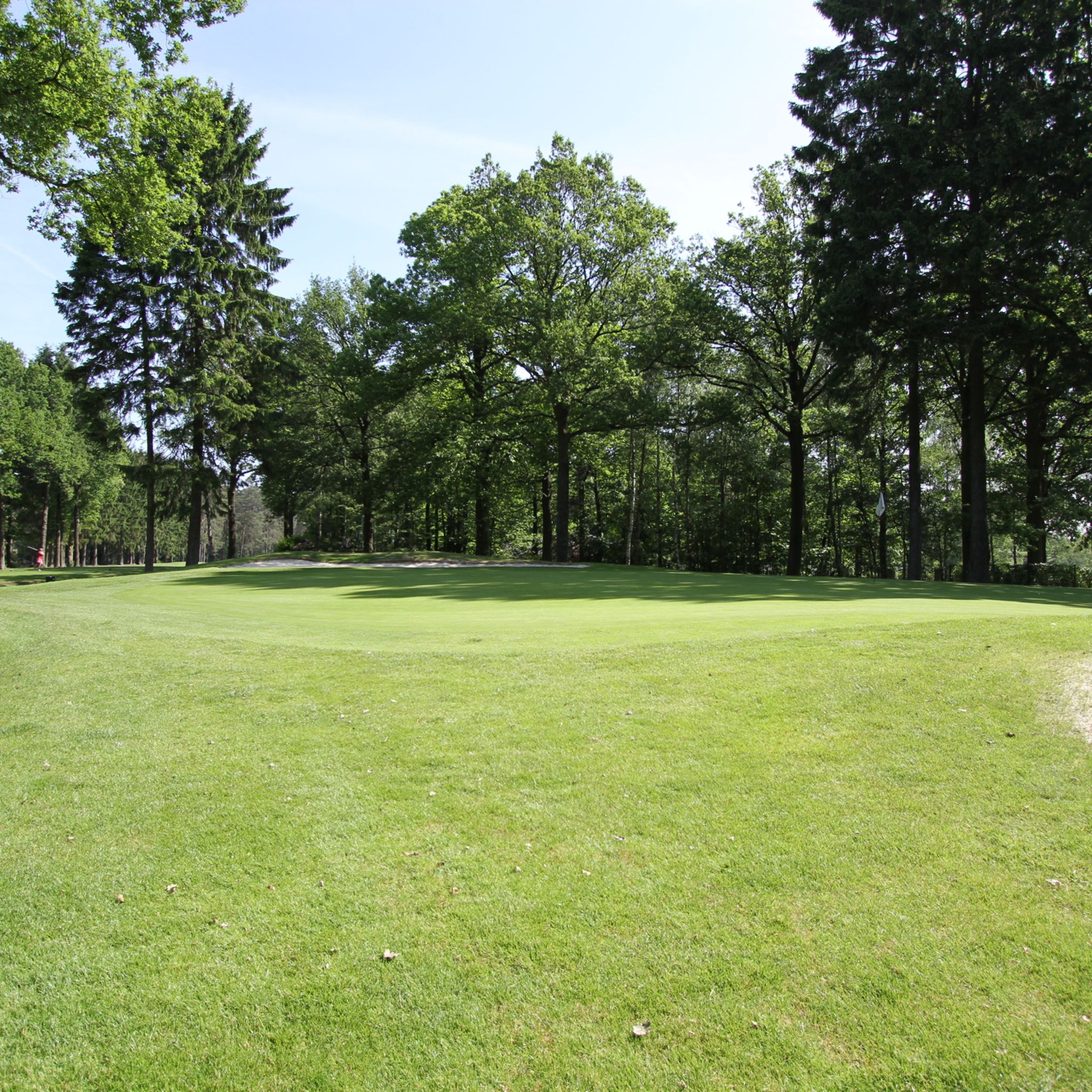
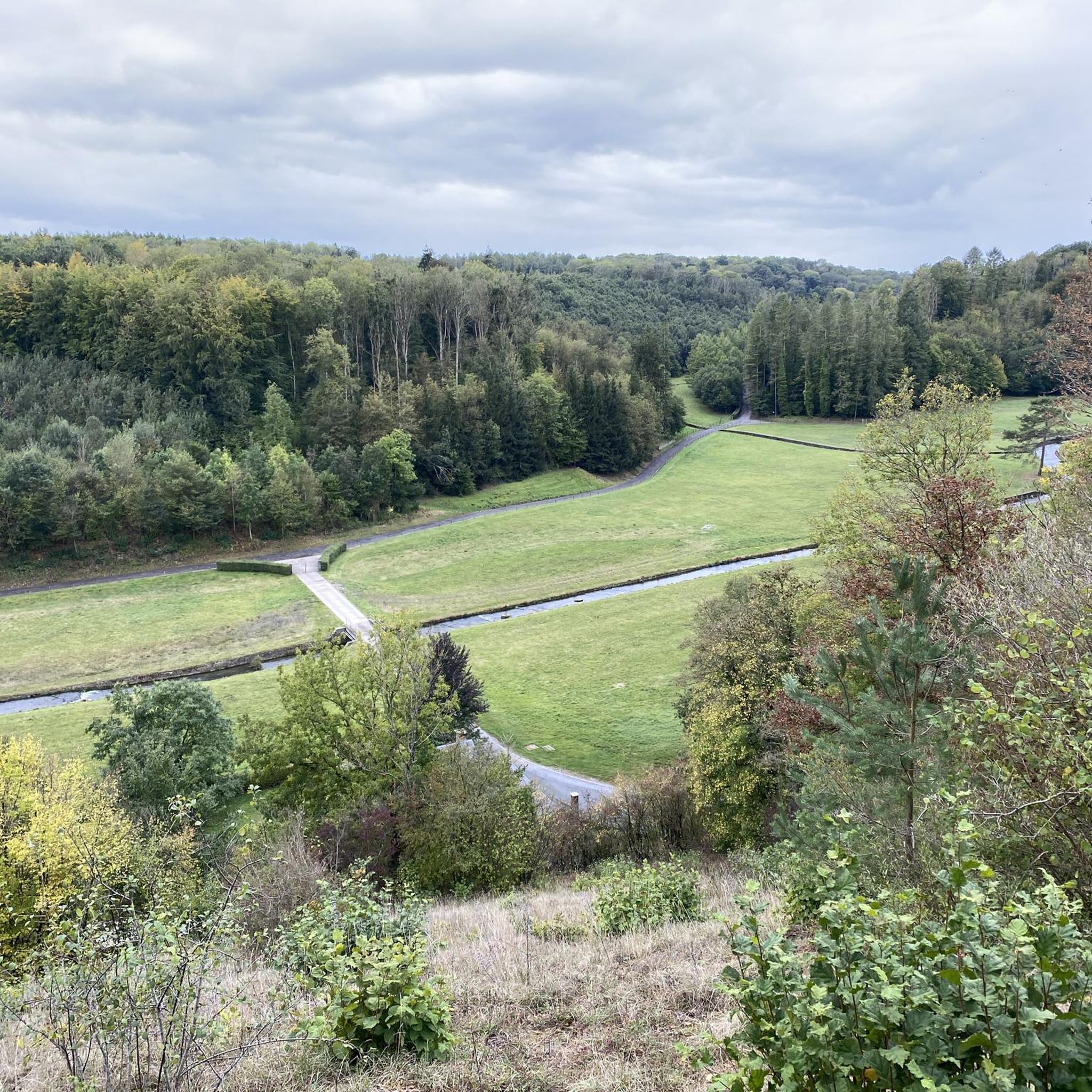
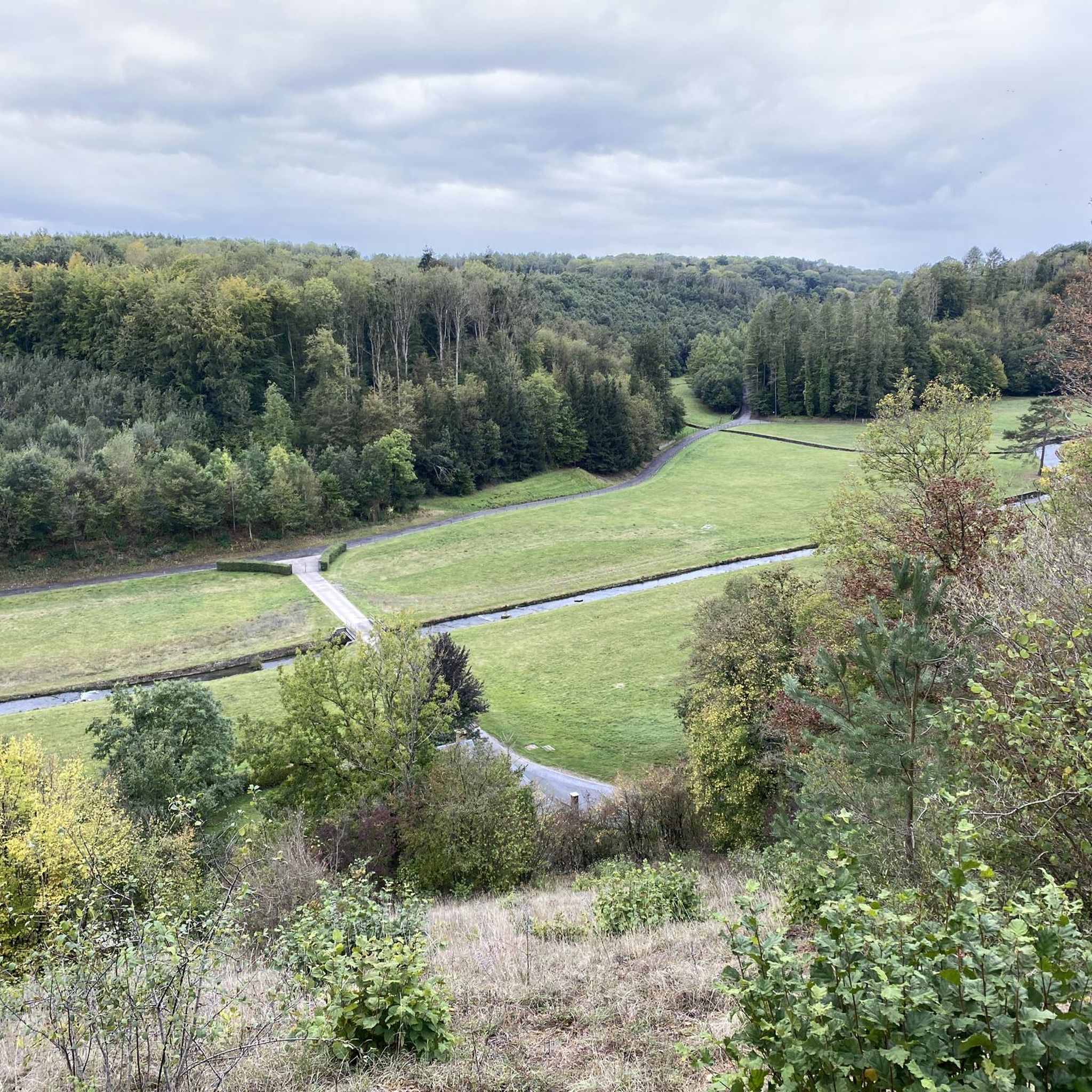
Η γκραβιέρα είναι ένα αρκετά πλούσιο μέρος για τους λάτρεις της φωτογραφίας ή για τους περιπατητές που θέλουν να περπατήσουν σε συντηρημένα μονοπάτια και να παρατηρήσουν πουλιά με ηρεμία. Συνιστώμενη τοποθεσία για περιπατητές και φωτογράφους. Παρακαλούμε σεβαστείτε τις οδηγίες, όπως το να κρατάτε τον σκύλο σας με λουρί (ακόμα κι αν κάποιοι πιστεύουν ότι δεν θα βλάψουν αφήνοντας τον σκύλο ελεύθερο, γνωρίζετε ότι έχετε ζώα με ένστικτα θηρευτή που θα μπορούσαν να τρομάξουν ορισμένα είδη πουλιών που φωλιάζουν στο έδαφος, όπως ο αλκυονίσκος) και να μην κολυμπάτε για να μην ενοχλείτε τα πουλιά που βρίσκονται εκεί. Ευχαριστώ όλους όσους θα σεβαστούν τις οδηγίες και σας εύχομαι μια όμορφη πεζοπορία ή μια καλή φωτογράφιση 🙏.
1
0
Excavations are conducted year-round at Moha Castle, making it unique in Belgium. When I visited, two archaeologists were uncovering a wall that runs beneath the visible castle and likely dates back to the 12th century.
2
0
The castle is free to visit. At the foot of the rock, there's a visitor center where you can pick up a badge to open the gate. For €4, you can also get a brochure with information about the most important points. The castle is only open to visitors starting in April, but the friendly man at the visitor center let me in on February 27th... as far as you can even call it "inside" at this ruin ;-)
2
0

The exact origins of the medieval County of Moha remain unknown. It is likely that the county was formed during the fragmentation of the Carolingian Empire and the Hesbaye region at the end of the 9th century. The first known count, Albert of Moha, is mentioned in a document dated 1026 or 1028. The first defensive stone walls also date from the first half of the 11th century. Having no male heir, Albert of Moha married his daughter to Henry I of Dasbourg around 1050, thus linking the county's destiny to that of this powerful family of Alsatian origin. Initially, it is highly unlikely that the Counts of Dasbourg regularly resided in Moha, entrusting the county's administration to trusted men and a small garrison. However, the situation changed with Hugh II (1130-1180) and his son Albert II (d. 1212), who decided to become more involved in the region's politics. Albert II, in particular, chose to align his interests with those of his nephew, Duke Henry I of Brabant, whose policies he would follow until the end of the 12th century. In 1204, Count Albert III, having lost hope of having a son, chose the Prince-Bishop of Liège as his heir. But the late birth of his daughter Gertrude would jeopardize these agreements. Quickly betrothed to Thibaut of Lorraine, who died in 1219, she then married Thibaut of Champagne, who repudiated her, and subsequently Simon of Linange. At 19, she died childless. On March 19, 1225, the Prince-Bishop of Liège, Hugues de Pierrepont, took possession of Moha. Under the Prince-Bishops, Moha became a prison for political prisoners and a fortification tasked with controlling the city of Huy and blockading merchants. This policy was deeply unpopular and led to reprisals: the people of Huy besieged Moha in 1255. The fortress of Moha was considered impregnable. It was therefore through trickery that the people of Huy, taking advantage of a request for a truce, seized the castle on May 6, 1376. After the attack on the castle, the site's history is largely unknown. Mass is still celebrated twice a year in the castle chapel. During the 18th century, the ruins served as a refuge for a hermit. The castle's stones were gradually plundered, notably to build the surrounding houses. In 1889, the ruins of the castle were purchased by the Belgian state. Source: https://chateaumoha.be/histoire
6
0

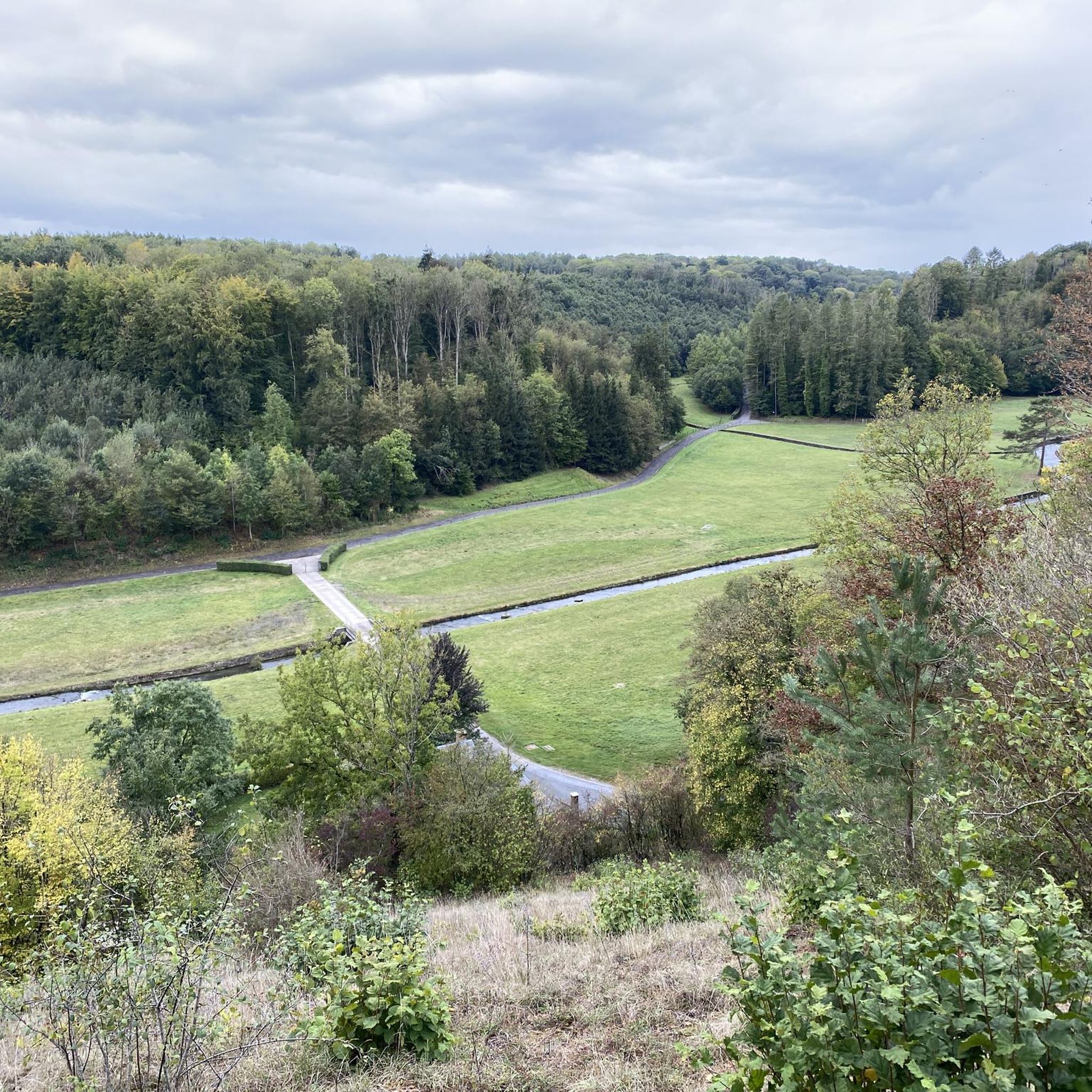
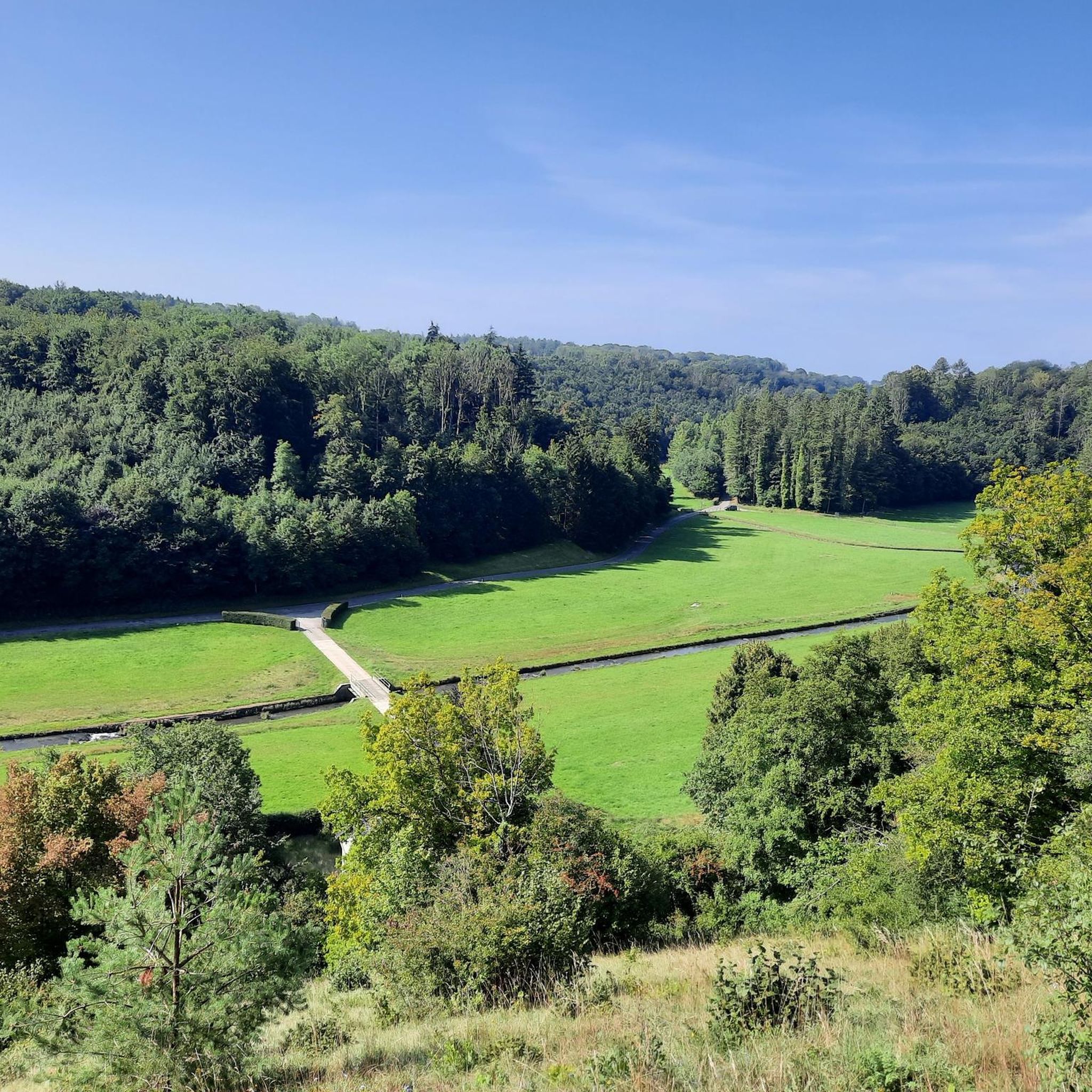
The "Rocher du Château de Moha" is a limestone outcrop rising from the Mehaigne valley. It was a strategically important site in the Middle Ages, when more castles were built on rocks. This made the site difficult to besiege, and it was well-placed as a control point over the valley. The rock is very recognizable in the landscape. The ruins on the rock are still clearly visible, and the medieval structures are still easily recognizable.
7
0
Located in the Solières valley near Huy, the Trou Manto cave is a limestone cave with a complex network of tunnels. Access is via a steep path supported by a rope. The cave has three levels with magnificent stalactites, a sloping floor with collapses, and twelve large columns supporting the vaults. The entire structure is an impressive karst phenomenon, approximately 600 meters long and 48 meters deep. The cave is protected and fenced off due to vandalism and to protect bats; visits are only possible with a guide or a caving association. The cave is known for its diverse hydrological phenomena and the legend of the Nutons, gnome-like helper beings from folklore. This combination of nature, history, and mythology makes Trou Manto a special place.
4
0
A collection of four caves, two of which are closed off as bat roosts. A steep climb or descent over a rocky path is definitely worth it.
4
0
Οι πιο δημοφιλείς διαδρομές Modave
Τα πιο δημοφιλή αξιοθέατα Modave

Εμπνεύσου με την εφαρμογή komoot για κινητά


Ανακάλυψε περισσότερα
Επέκτεινε την αναζήτησή σου για τις καλύτερες σπηλιές βλέποντας αυτούς τους οδηγούς με τα κορυφαία Modave:
