Τα 11 καλύτερα φυσικά μνημεία Frameries
Το τοπίο της περιοχής Frameries είναι ένα υπέροχο μέρος για εξερεύνηση — κάτι που μπορείτε να βιώσετε καλύτερα επισκεπτόμενοι ένα από τα 11
πανέμορφα φυσικά μνημεία Frameries. Για να βρείτε αυτό που σας ταιριάζει, δείτε όλες τις λεπτομέρειες που χρειάζεστε και σχεδιάστε καλύτερα την επόμενη υπαίθρια περιπέτειά σας!
Τελευταία ενημέρωση: 22 Αυγούστου 2026
Hyon Waterfall and Ponds
Highlight • Καταρράκτης
Μετάφραση από Google •
Συμβουλή από

Terril du Crachet
Highlight • Φυσικό μνημείο
Μετάφραση από Google •
Συμβουλή από

Εγγράψου τώρα για να ανακαλύψεις μέρη σαν αυτό
Λάβε προτάσεις για τα καλύτερα single tracks, κορυφές και πολλά ακόμα συναρπαστικά υπαίθρια μέρη.
Εγγραφή δωρεάν
Terril Saint-Antoine
Highlight • Δομή
Μετάφραση από Google •
Συμβουλή από

Bomen met maretakken
Highlight • Δάσος
The white, berry-like fruit is spread by birds. …
Μετάφραση από Google •
Συμβουλή από

LE MENHIR NÉOLITIQUE
Highlight • Μνημείο
Μετάφραση από Google •
Συμβουλή από
Εγγράψου δωρεάν για να ανακαλύψεις ακόμα περισσότερα φυσικά μνημεία Frameries.
Εγγραφή δωρεάν
Έχεις ήδη λογαριασμό;
Ξεκίνα σήμερα με έναν δωρεάν λογαριασμό
Η επόμενη περιπέτειά σου σε περιμένει.
Σύνδεση ή εγγραφή
Συμβουλές από την κοινότητα

like a little trip to the moon...
0
0

It is at the confluence of the Trouille and the Nouvelles river that this waterfall bridge was born. Originally there was a mill, which was turned into a tannery after the First World War. Today it is a bucolic place surrounded by nature.
2
0

By definition, a menhir is a vertical standing stone during the Neolithic era. The menhir of Saint-Symphorien, 2m50 high, 1m30 wide, weighing 2500 kg, also served as a Neolithic ribbon brush for flint tools. It was discovered in 1860 by Mr. Piscart, a farmer who broke his ploughshare while plowing his field, located at the end of the Violette path, on the border of Harmignies. The menhir was then excavated to stand in the park of the Maigret de Priches castle, where it remained for 90 years. On October 17, 1951, the megalith was presented by Miss Emmy Maigret de Priches to the city of Mons. At the request of the Sint-Symphorien Brotherhood, he was reinstalled on March 20, 2007 in the village. http://www.confrerie-saint-symphorien.be/?page_id=307
8
0
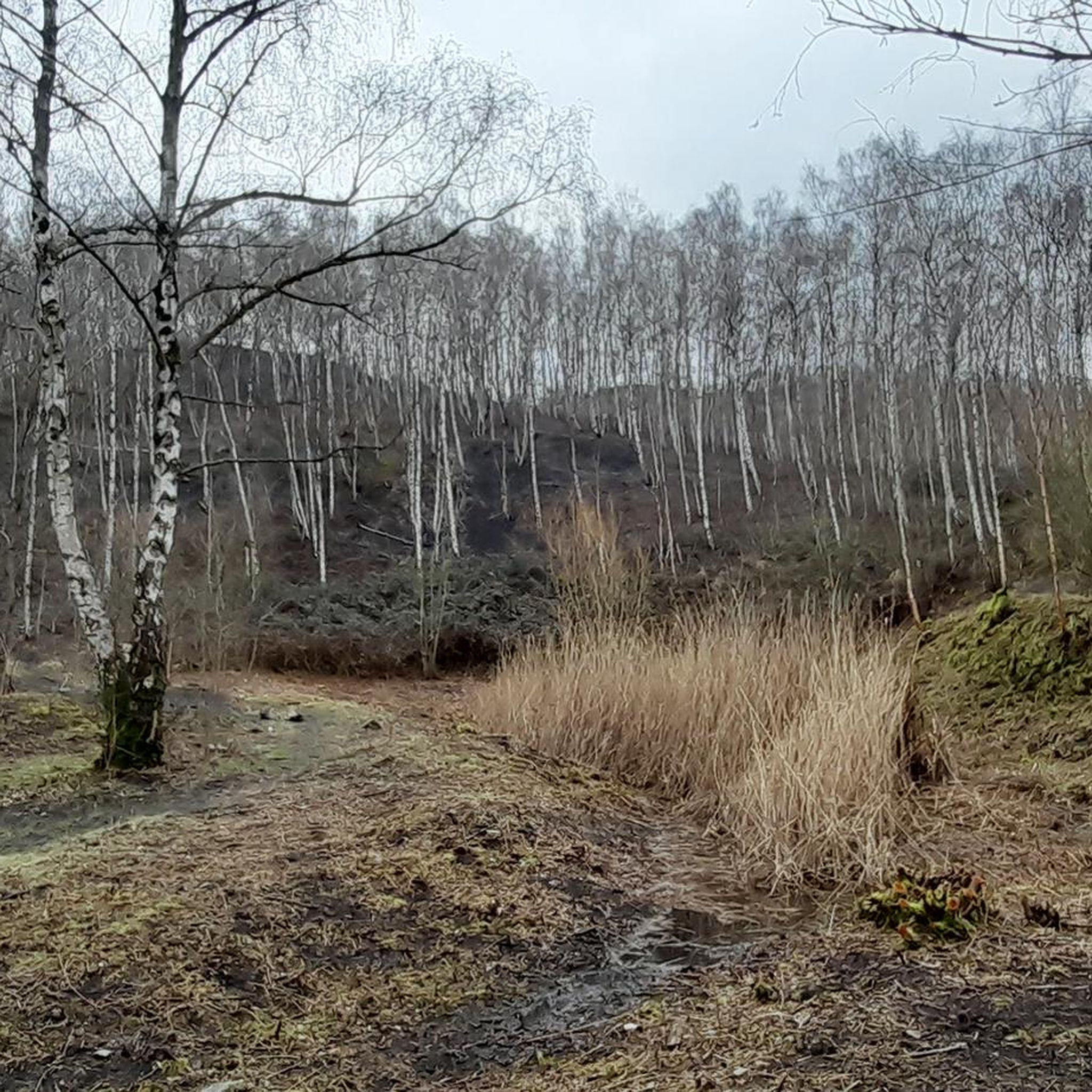
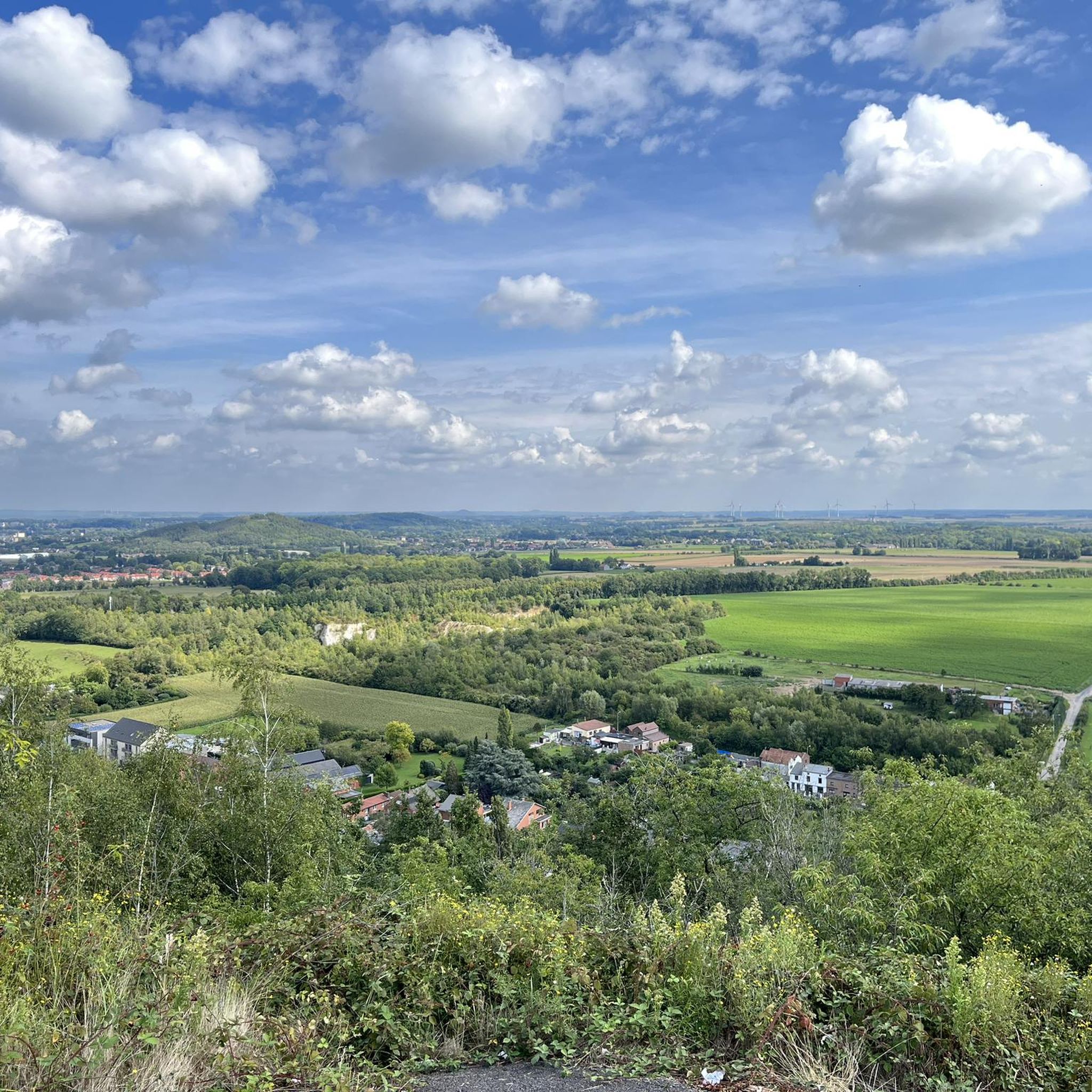
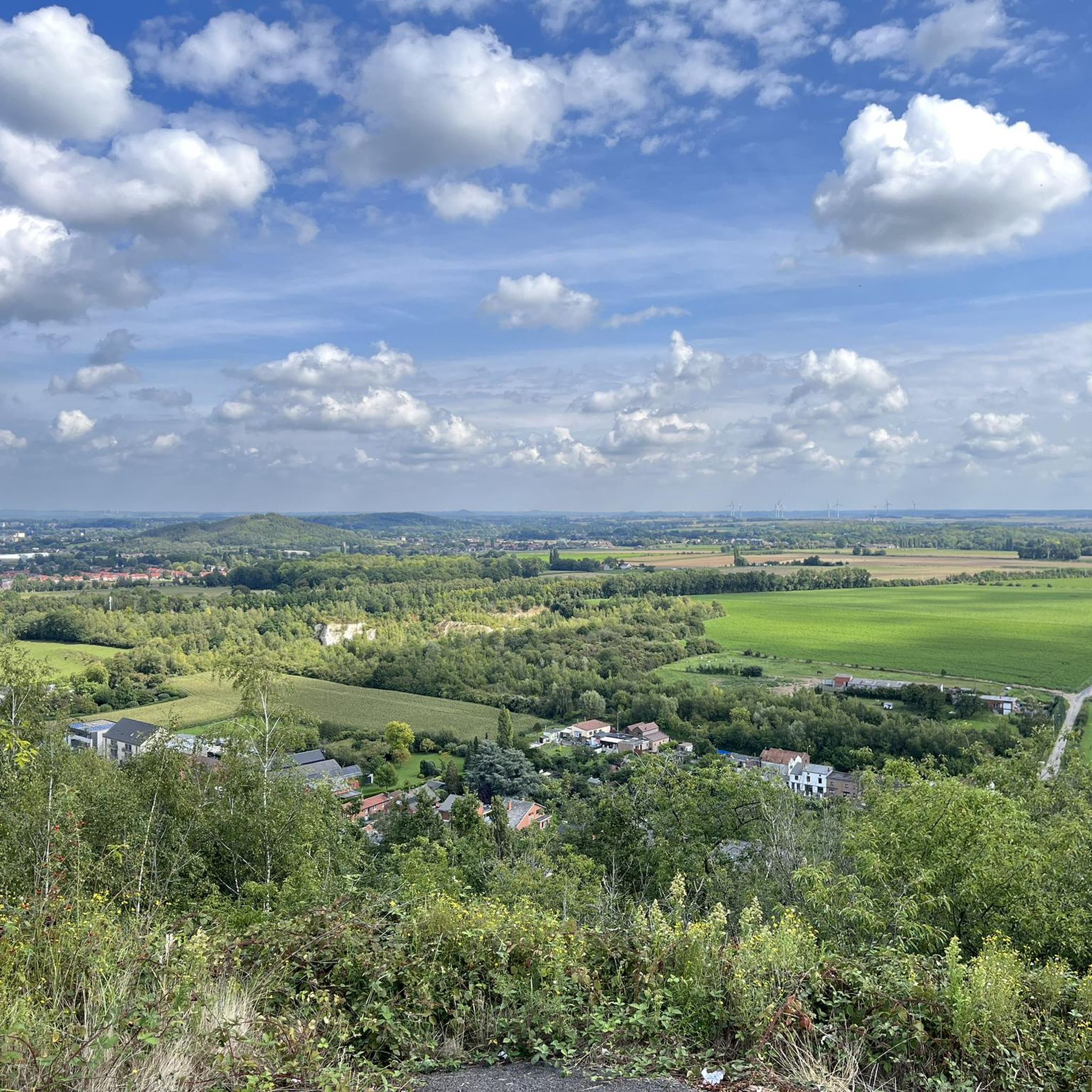
This is a summit climb. Especially on the adventurous side. There are ropes there to hoist you up. The other side is a nice wide walking path. In my opinion, the most beautiful slag heap on the GR 412.
6
0
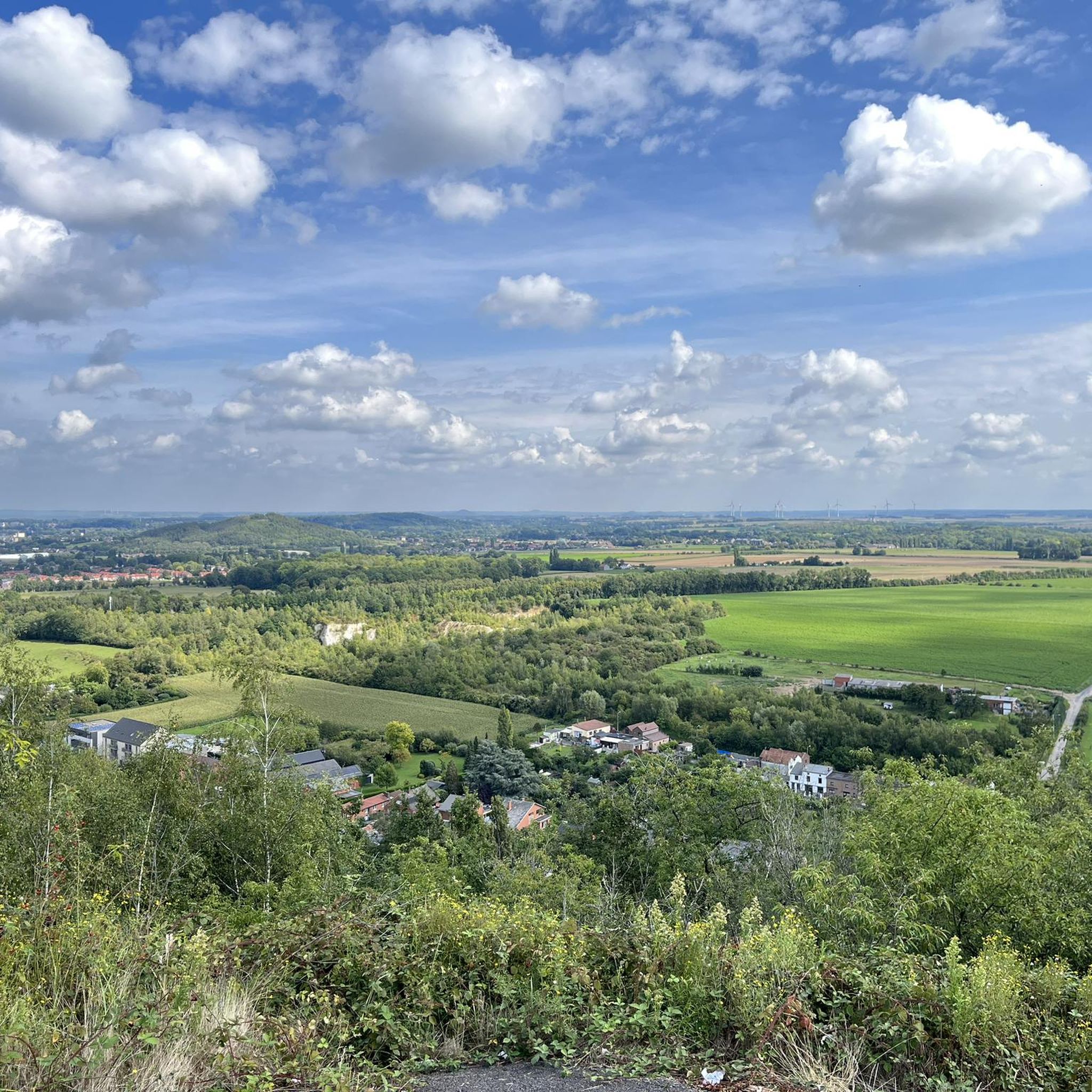
The Crachet slag heap is a Site of Great Biological Interest (SGIB). It is also part of the Natura 2000 network to protect its exceptional fauna and flora. Located a stone's throw from the SPARKOH science museum! (former PASS), the slag heap is a fabulous educational tool which regularly welcomes school visits but also families looking for calm and nature. Thanks to its marked and well-equipped paths with stairs, small bridges, duckboards and ropes, its ascent is easy despite a difference in altitude of around 70 m. Relatively wooded, the Crachet sometimes gives way to magnificent grassy wastelands and a few ponds which encourage the development of great biodiversity. Its summit, located at an altitude of 140 m, offers a beautiful panoramic view of the Borinage slag heap range as well as the SPARKOH! site, built by the architect Jean Nouvel. In this place, the ground is adorned with red and black. Smoke can even be observed in certain places because the heap is still burning more than 60 years after the closure of the site. coal mining. https://www.destinationterrils.eu/nl/terril-du-crachet
8
0

The bridge/waterfall was built at the confluence of the Trouille and the Rivière de Nouvelles. In the early, late 12th century, there was an old domanial mill on the site, the Moulin-au-Bois. Imagine that there was a dike on the site of the current street, a large fish pond on the site of the pasture, and that there were three mill wheels instead of one. This is what the site used to look like. In 1823 the mill was sold by the city of Bergen and after the First World War it was converted into a tannery. The only remnant of the mill that is still visible today is part of the wall along the street, just before the bridge. Still, the waterfall remains one of Hyon's most symbolic places.
3
0
Why kiss under a mistletoe: The mistletoe is usually seen as a symbol of fertility and life. In Scandinavian fairy tales, the mistletoe represents love and friendship. For example, the white berries of the plant represent the tears of Frigg, the Norse goddess of love. She cried tears like berries when Loki, the traitor of the gods, killed her son Badlr with an arrow with the tip of the poisonous mistletoe. The goddess then called the mistletoe the plant of love. Hence the custom of kissing your loved one under a mistletoe! https://buitenleven.nl/waarom-kus-je-onder-een-maretak/
8
1

a very nice site to discover by taking your time.
3
0
Οι πιο δημοφιλείς διαδρομές Frameries
Τα πιο δημοφιλή αξιοθέατα Frameries

Εμπνεύσου με την εφαρμογή komoot για κινητά


Ανακάλυψε περισσότερα
Επέκτεινε την αναζήτησή σου για τις καλύτερες σπηλιές βλέποντας αυτούς τους οδηγούς με τα κορυφαία Frameries:
