Τα 10 καλύτερα κάστρα Halluin
Μια επίσκεψη σε ένα κάστρο — είτε το ανακαλύψετε κατά τη διάρκεια μιας πεζοπορίας είτε το εξερευνήσετε με ξεναγό — είναι πάντα κάτι ξεχωριστό, και έχετε 10
πανέμορφα κάστρα να επιλέξετε Halluin. Περιηγηθείτε στη λίστα μας για να βρείτε το αγαπημένο σας κάστρο και προσθέστε λίγη ιστορία στην επόμενη περιπέτειά σας!
Τελευταία ενημέρωση: 28 Αυγούστου 2026
Polderhoek Château (Verdwenen Kasteel)
Highlight • Ιστορικός χώρος
Μετάφραση από Google •
Συμβουλή από

Gravenkasteel van Moeskroen
Highlight • Κάστρο
Μετάφραση από Google •
Συμβουλή από

Εγγράψου τώρα για να ανακαλύψεις μέρη σαν αυτό
Λάβε προτάσεις για τα καλύτερα single tracks, κορυφές και πολλά ακόμα συναρπαστικά υπαίθρια μέρη.
Εγγραφή δωρεάν
Gloriettes in the Park of Vanackere Castle
Highlight • Μνημείο
Μετάφραση από Google •
Συμβουλή από

Kasteel van Beselare
Highlight • Ιστορικός χώρος
The decline began in the second half of …
Μετάφραση από Google •
Συμβουλή από
Kasteel Mariënstede
Highlight • Κάστρο
Μετάφραση από Google •
Συμβουλή από
Εγγράψου δωρεάν για να ανακαλύψεις ακόμα περισσότερα κάστρα Halluin.
Εγγραφή δωρεάν
Έχεις ήδη λογαριασμό;
Ξεκίνα σήμερα με έναν δωρεάν λογαριασμό
Η επόμενη περιπέτειά σου σε περιμένει.
Σύνδεση ή εγγραφή
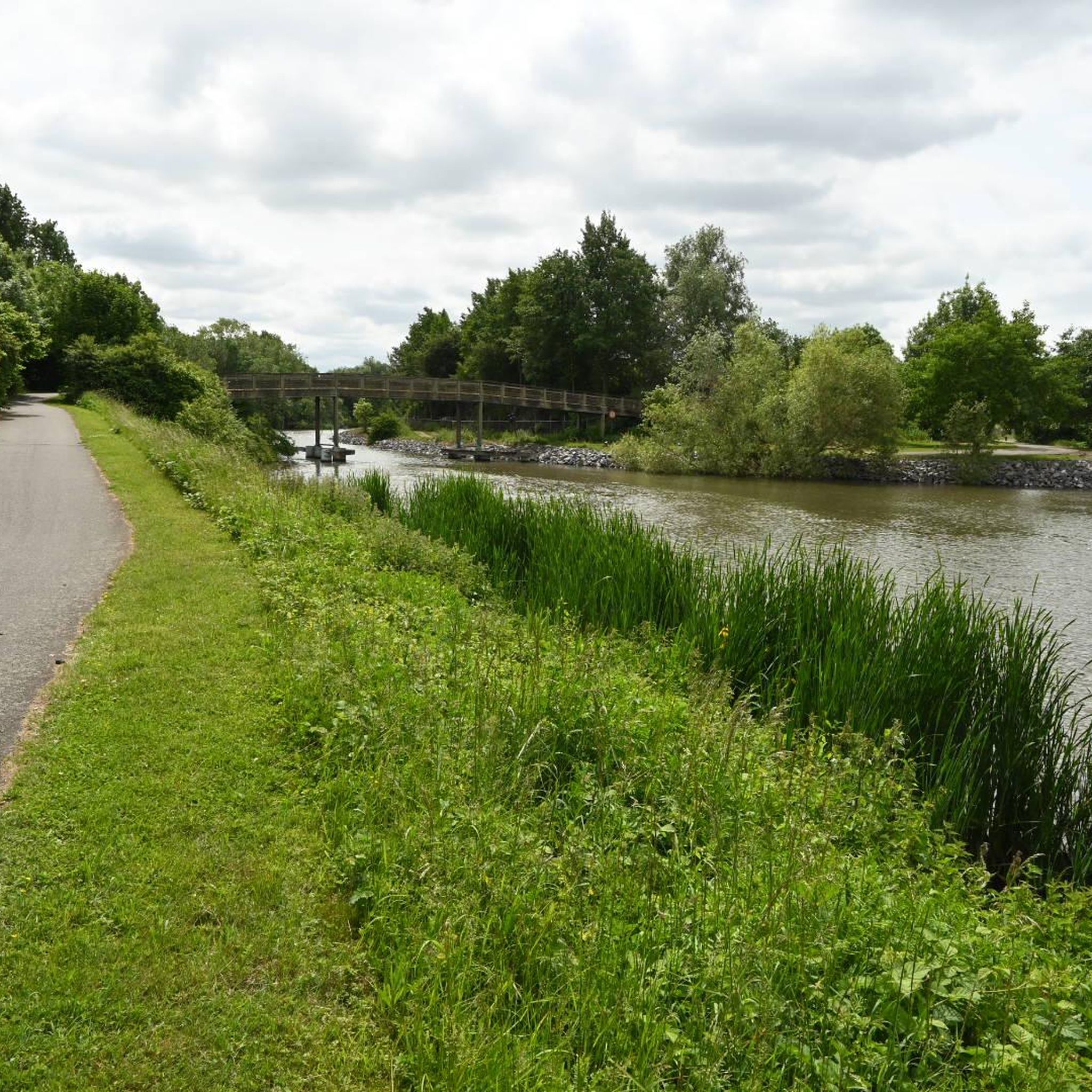
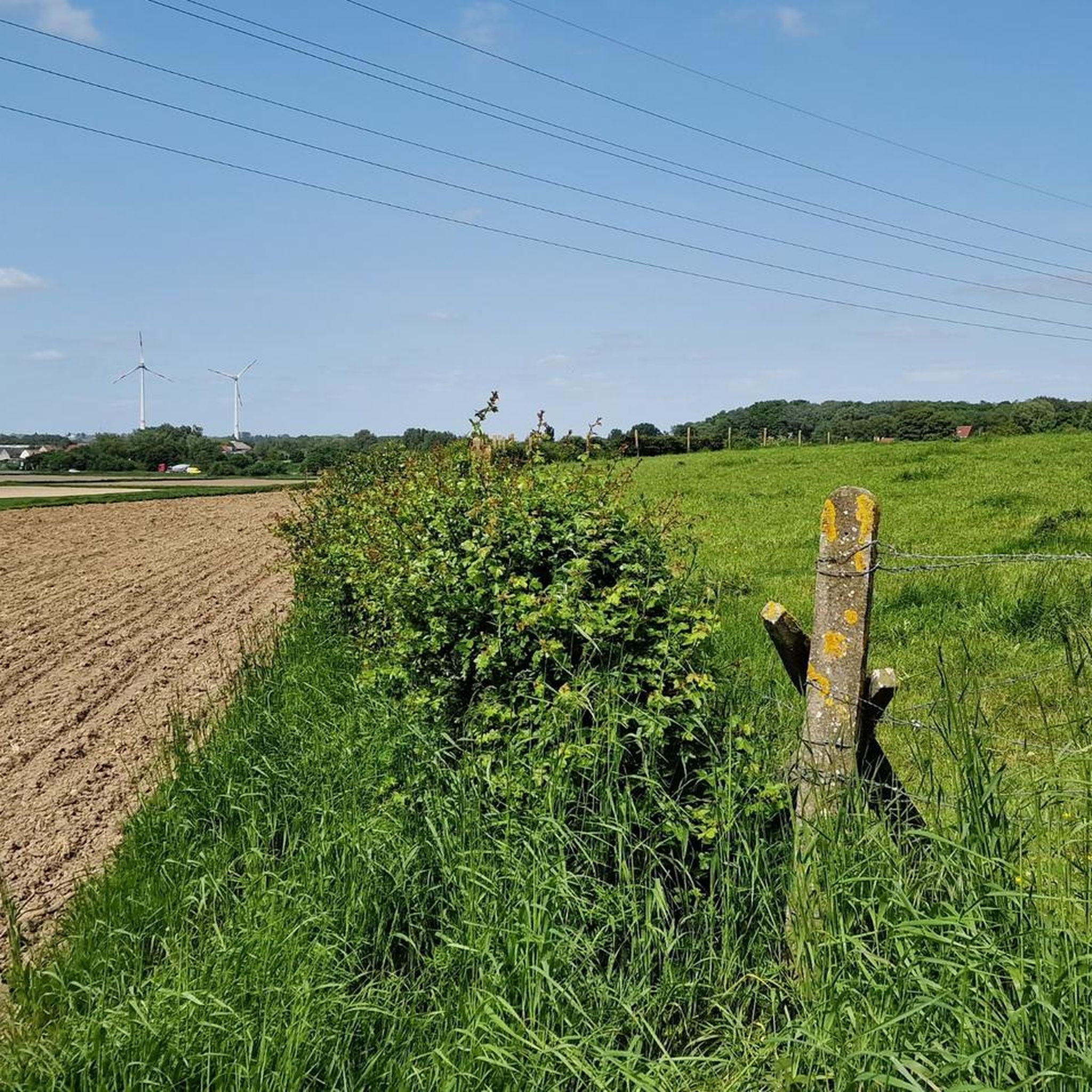
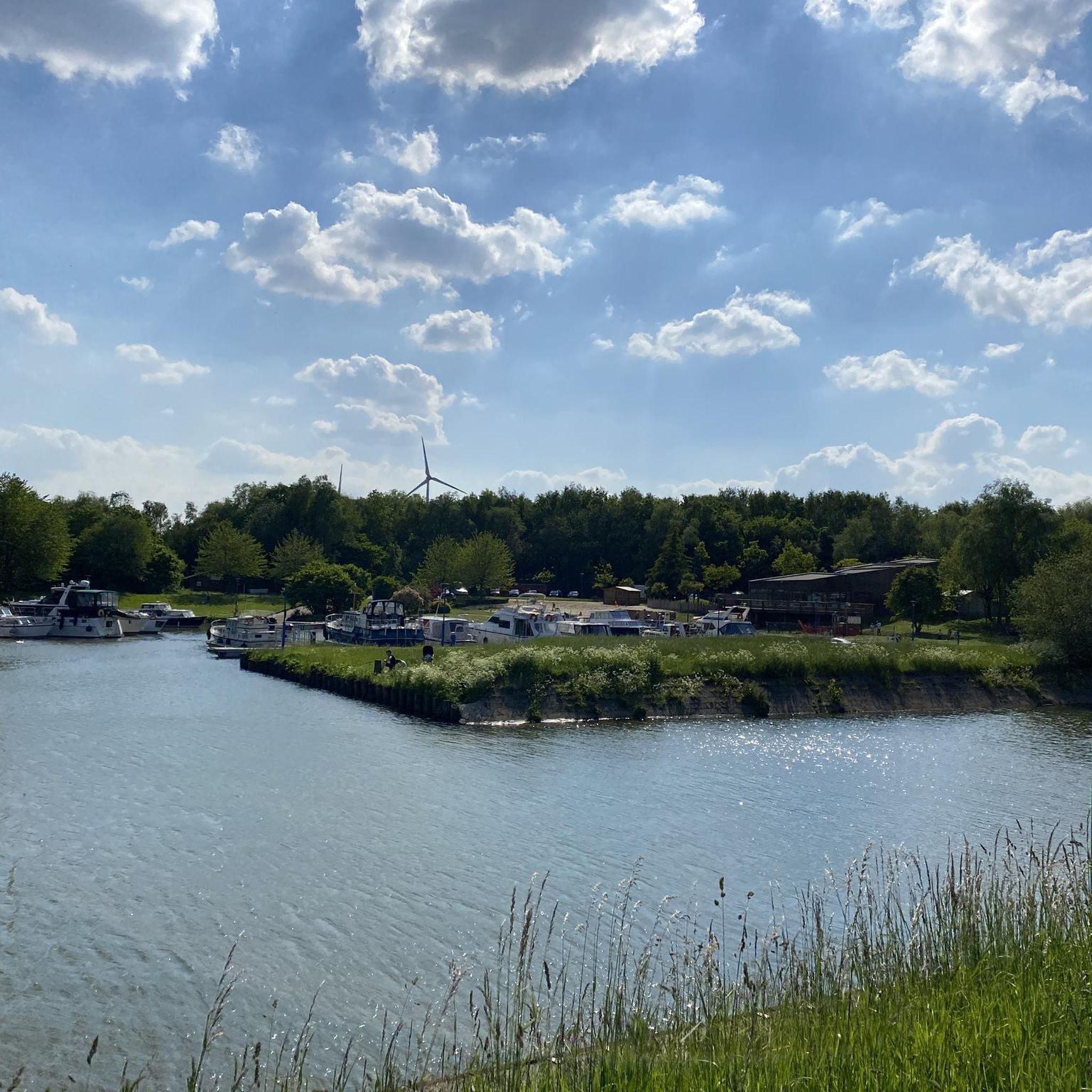
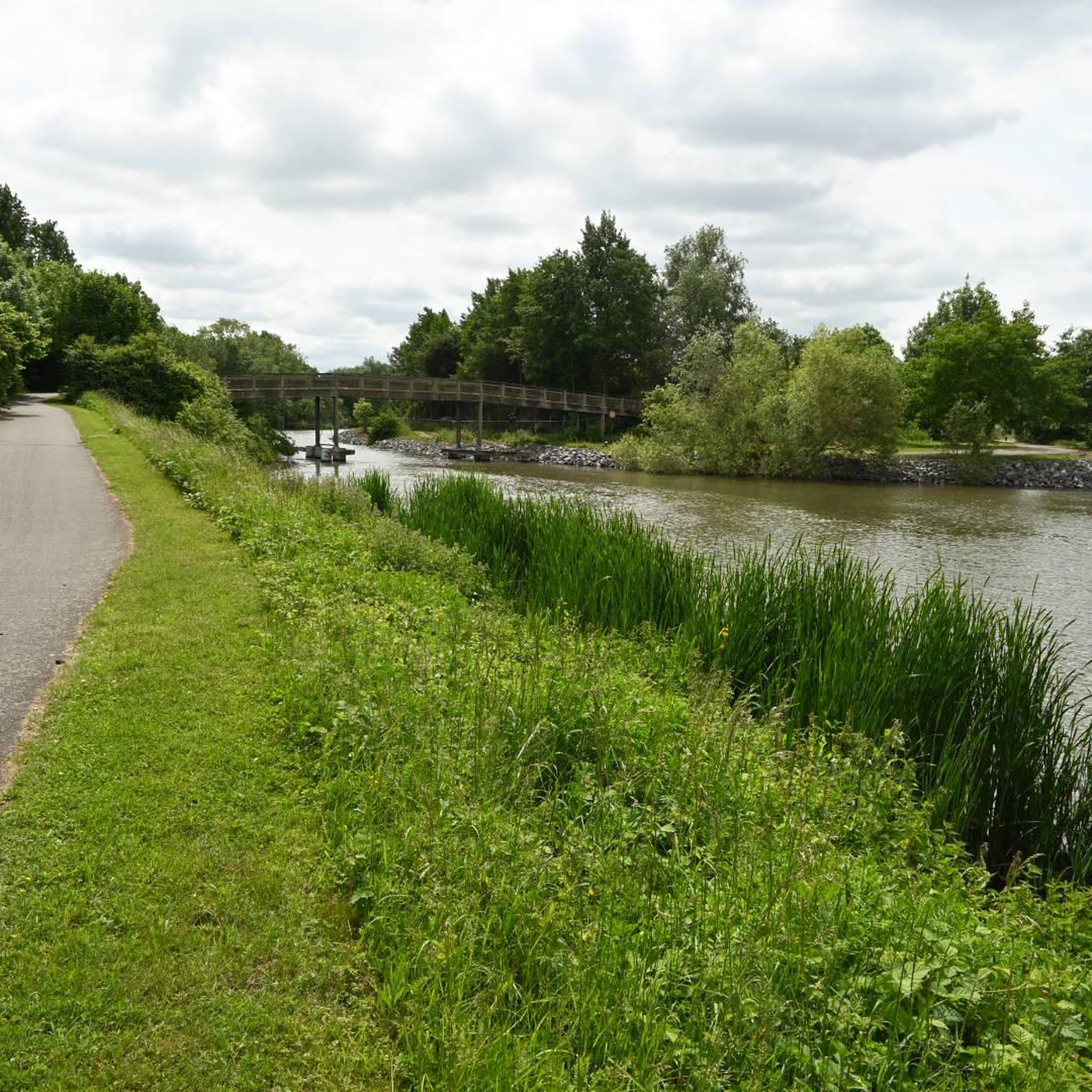

Συμβουλές από την κοινότητα

The Castle of the Counts is the only example of monumental civil architecture from before the 19th century in Mouscron. Four great families of Seigneurs succeeded one another here over six centuries. Today, on this vast estate, you can still admire the Tournai-style castle, as well as a farmyard surrounded by the remains of outbuildings from the 16th and 17th centuries, and a site surrounded by moats. A self-guided walk around the moats offers you the opportunity to explore the entire estate. Two major historical events have left a lasting mark on local tradition and folklore: the visit of Charles V, who spent the night in the castle, and the atrocities of the famous Hurlus, followers of Luther (during the Wars of Religion) who pillaged the region, occupied the castle for three months, and stole its furnishings. Source: visitwapi.be
4
0
For centuries, Mariënstede Castle was the residence of the noble de Croix family. However, it is not certain whether Knight Jan van Dadizele lived here. In June 1699, Ignace Ferdinand de Croix (1660-1745) had the castle of the Bleutour estate (Berquin, northern France) demolished stone by stone and transported here by workers from Dadizele to build a new castle. Due to a lack of stone, he established two brickworks in Dadizele to ensure sufficient material. The building was completed in the early 18th century. During World War I, it was captured by the Germans and severely damaged by Allied bombardments in the summer and autumn of 1917. After the war, the right wing was demolished. The castle became much smaller in size. In 1953, the de Bouillé family sold the entire estate to the Diocese of Bruges. Maria Assumpta became a retreat house for priests. The arches on the facade, the chapel on the right, and the outbuilding on the left date from that period. In 1985, Mariënstede became a residential and work environment for adults with disabilities. Château Superette, a shop selling fair-trade products and products made by the residents, serves as the ideal link between the local population and the castle's residents. In January 2015, the canopy was demolished, and the facade regained its former charm. Source: toerismedadizele.be
2
0

Marcel Marlier Centre "Draw Me, Mart" https://www.mouscron.be/fr/centre-marcel-marlier/accueil
1
1

The Polderhoek is currently a forgotten piece of land near the A19 motorway, next to the Witches Monument. It is almost unthinkable, but during the war there was a beautiful park in the Polderhoek valley. The southern Polderhoek Castle stood in the middle of the park. The Polderhoek Castle, popularly known as the “Flower Castle”, was one of the most beautiful castles in the region. The castle was built around 1850, was over 30 hectares in size and had Italian architectural influences. From the beginning of the First World War, the beautiful park was occupied by the Germans. In 1914, the front ran right through it and the park was then on German territory. On 4 October 1917, British troops succeeded in taking the northeastern part of the park. However, they did not get any further and the offensive was stopped on the ridge. The entire area was shot to pieces and the Reutelbeek, which flowed through the park, formed a wide swamp. Triggered? Want to know more about the war past? Click through to https://www.toerismezonnebeke.be/nl/zien-en-doen/polderhoek-chateau-verdwenen-kasteel/
1
0
In the park behind the Vanackere castle (the current town hall) there are two gloriettes. These gazebos, probably built before the construction of the castle in 1896, initially bordered the park. A wall ran between the two, which was demolished when the park was expanded. The pavilion to the east of the town hall has a double landing staircase and a built-in ice cellar. No original interior elements were preserved in the pavilions. Source: Inventory of Immovable Heritage
5
0
Between 1894 and 1896, Jules Aimée Constant Van Ackere had his mansion replaced by a castle in an eclectic architectural style. The Kortrijk architect Cyriel Vanhoutte was inspired by various neo-styles for this building. The castle and park were closed off from the public road by a cast-iron fence with two gates. With the reconstruction of the Kortrijk-Menen road in 1960, the fence in front of the castle disappeared. During the First and Second World Wars, the house was requisitioned by the German occupiers to function as an "Ortskommandantur". Purchased in its entirety by the municipality in 1953. To this day, it serves as a town hall. Source: Inventory of Immovable Heritage
3
0

The Castle of the Counts replaces an earlier castle, built on the "Mont-à-Leux" hill, owned by Rogier de Ramées around 1300, which was destroyed by a Breton duke named John III between 1315 and 1340 during the General Wars. The lords of Mouscron, elevated to a county in 1627, barely inhabit it anymore, except for the latter, de la Barre (1332-1592), who fortified it, and de Liedekerke (1592-1645), who renovated it to the condition recorded by Sanderus in 1641. for the Basta’s (1645-1682) and the d’Ennetières (1682-1795-1875) it never meant more than a foothold on land until the end of the “ancien régime”, by furnishing part of the interior in Louis XV style and by providing crossbeams at the windows of the Louis XVI houses.
7
0
The castle of Beselare, where the Van der Woestine family lived for 400 years, was located between the Keiberg and the Kortrijkdreve. The decline began in the second half of the 18th century. Seized by a display of exaggerated splendor and wastefulness, Marquis François III Maximiliaan Antoon Van der Woestine began to sell homesteads, estates and forests around 1770. The wealthy bailiwick family Duval from Beselare was usually the buyer. The horrors of the French revolution did the rest. The hunt for the nobles was on and the marquis fell into the hands of the French and was beheaded on May 12, 1794 on the scaffold at Cambrai, together with other nobles. His son and successor Charles Ghislain Van der Woestine became the last lord and margrave of Beselare. The French Revolution had abolished feudalism. The Marquis, also called the old Marquis or the Kwa Marquis, left the castle on September 7, 1796 and fled abroad. Many of the goods were publicly sold in 1802 and 1803 by the office of notaries Jan Baptiste Meersseman van Beselare and J. Vandermeersch van Ypres. A few years later, the plundered castle was also sold and shortly afterwards (around 1813) demolished. There are still two copper engravings of the former glorious castle, one by J. Milheuser from 1641 and one by an unknown artist. They are located in the convent of the Sisters of Mary in Izegem.
1
0
Συχνές ερωτήσεις
Τι είδους ιστορικά μνημεία και κάστρα μπορώ να βρω κοντά στο Halluin;
Ενώ το ίδιο το Halluin δεν διαθέτει πλήρως διατηρημένα, δημόσια προσβάσιμα κάστρα με την παραδοσιακή έννοια, η γύρω περιοχή προσφέρει πλούσια ιστορία οχυρωμένων κατασκευών και ευγενών κατοικιών. Μπορείτε να εξερευνήσετε ιστορικά πάρκα, χώρους πρώην κάστρων και ερείπια παλαιότερων οχυρώσεων. Παραδείγματα περιλαμβάνουν τον ιστορικό πράσινο χώρο του Πάρκου Κάστρου Heule και τους χώρους του Κάστρου Moeskroen, το οποίο διαθέτει κάστρο σε στυλ Tournai και ερείπια βοηθητικών κτιρίων του 16ου και 17ου αιώνα.
Υπάρχουν ερείπια κάστρων ή αρχαιολογικοί χώροι για επίσκεψη κοντά στο Halluin;
Ναι, η περιοχή έχει αρκετούς χώρους με ιστορική σημασία, ακόμα κι αν οι αρχικές δομές δεν στέκουν πλέον. Το Château Polderhoek (Χαμένο Κάστρο), γνωστό κάποτε ως το 'Κάστρο των Λουλουδιών' με επιρροές ιταλικής αρχιτεκτονικής, καταστράφηκε σε μεγάλο βαθμό κατά τον Α' Παγκόσμιο Πόλεμο, αλλά παραμένει ιστορικός χώρος. Ιστορικά, το μεσαιωνικό Château d'Halluin κατεδαφίστηκε πλήρως μετά το 1579, και το Château Lespières καταστράφηκε από πυρκαγιά το 1793. Το Κάστρο του Beselare κατεδαφίστηκε επίσης γύρω στο 1813, με μόνο ιστορικά αρχεία και χαρακτικά να παραμένουν.
Ποια ιστορικά μνημεία ή πάρκα κοντά στο Halluin είναι κατάλληλα για οικογένειες;
Αρκετές τοποθεσίες προσφέρουν οικογενειακές εμπειρίες. Το Πάρκο Κάστρου Heule, με τον ιστορικό πράσινο χώρο του που δημιουργήθηκε γύρω στο 1900, είναι ανοιχτό στο κοινό από το 1965 και είναι ιδανικό για μια οικογενειακή εκδρομή. Το Κάστρο Moeskroen προσφέρει μια περιήγηση γύρω από τις τάφρους του, επιτρέποντας στις οικογένειες να εξερευνήσουν την τεράστια έκταση και τα ιστορικά της κατάλοιπα. Οι Gloriettes στο Πάρκο του Κάστρου Vanackere προσφέρουν επίσης ένα ευχάριστο ιστορικό σκηνικό για οικογένειες.
Τι υπαίθριες δραστηριότητες μπορώ να κάνω κοντά σε αυτά τα ιστορικά μνημεία και κάστρα;
Η περιοχή γύρω από το Halluin είναι εξαιρετική για υπαίθριες δραστηριότητες. Μπορείτε να βρείτε πολυάριθμες διαδρομές για πεζοπορία, ποδηλασία δρόμου και ποδηλασία gravel. Για πεζοπορία, εξερευνήστε μονοπάτια όπως ο 'Βρόχος Ferme du Mont Saint-Jean – Single Bousbecque' ή ο 'Βρόχος Country Path – Εκκλησία Saint Alphonse'. Οι ποδηλάτες μπορούν να απολαύσουν διαδρομές όπως 'Kortrijk — Κατά μήκος του Leie' για ποδηλασία δρόμου ή 'Ο ποταμός Lys στο Wervicq' για ποδηλασία gravel. Μπορείτε να βρείτε περισσότερες λεπτομέρειες και διαδρομές στους οδηγούς Πεζοπορία γύρω από το Halluin, Διαδρομές Ποδηλασίας Δρόμου γύρω από το Halluin και Ποδηλασία Gravel γύρω από το Halluin.
Υπάρχουν ιστορικά μνημεία κοντά στο Halluin που προσφέρουν δημόσια πρόσβαση ή ξεναγήσεις;
Ενώ πολλά ιστορικά κάστρα στο Halluin είναι ιδιωτικά ή υπάρχουν μόνο ως ερείπια, ορισμένοι χώροι είναι δημόσια προσβάσιμοι. Το Πάρκο Κάστρου Heule είναι ανοιχτό στο κοινό. Στο Κάστρο Moeskroen, μπορείτε να απολαύσετε μια αυτο-καθοδηγούμενη βόλτα γύρω από τις τάφρους για να εξερευνήσετε την έκταση. Το πρώην Κάστρο Vanackere, τώρα δημαρχείο, έχει το πάρκο του με Gloriettes προσβάσιμο στους επισκέπτες.
Ποια είναι η ιστορική σημασία των κάστρων και των μνημείων γύρω από το Halluin;
Τα κάστρα και τα ιστορικά μνημεία της περιοχής αντικατοπτρίζουν αιώνες συγκρούσεων και ευγενικής ζωής. Το μεσαιωνικό Château d'Halluin, για παράδειγμα, ήταν ένα σημαντικό φρούριο τον 14ο αιώνα, αντιμετωπίζοντας πολλαπλές επιθέσεις και καταστροφές. Το Κάστρο Moeskroen φιλοξένησε τέσσερις μεγάλες οικογένειες για έξι αιώνες και γνώρισε γεγονότα όπως η επίσκεψη του Καρόλου Ε' και η κατοχή από τους Hurlus. Το Château Polderhoek, αν και χαμένο, έπαιξε ρόλο στον Α' Παγκόσμιο Πόλεμο, με το όμορφο πάρκο του να γίνεται πεδίο μάχης.
Μπορώ να βρω χώρους στάθμευσης στα ιστορικά μνημεία κοντά στο Halluin;
Ναι, ορισμένα ιστορικά μνημεία προσφέρουν χώρους στάθμευσης. Για παράδειγμα, το Πάρκο Κάστρου Heule είναι γνωστό ότι διαθέτει χώρους στάθμευσης, καθιστώντας το βολικό για επισκέπτες που φτάνουν με αυτοκίνητο.
Τι είδους αρχιτεκτονική μπορώ να παρατηρήσω στα ιστορικά κτίρια κοντά στο Halluin;
Η αρχιτεκτονική στην περιοχή συχνά παρουσιάζει ένα μείγμα φλαμανδικών στυλ. Το Κάστρο Moeskroen ξεχωρίζει για την αρχιτεκτονική του σε στυλ Tournai. Το πρώην Κάστρο Vanackere, τώρα δημαρχείο, χτίστηκε σε εκλεκτικό αρχιτεκτονικό στυλ, αντλώντας έμπνευση από διάφορα νεο-στυλ. Το χαμένο Château Polderhoek περιγράφηκε ότι είχε ιταλικές αρχιτεκτονικές επιρροές.
Υπάρχουν ιστορικά πάρκα ή κήποι για επίσκεψη κοντά στο Halluin;
Απολύτως. Το Πάρκο Κάστρου Heule είναι ένα χαρακτηριστικό παράδειγμα, με έναν ιστορικό πράσινο χώρο σχεδιασμένο από Παριζιάνo αρχιτέκτονα τοπίου γύρω στο 1900. Είναι ανοιχτό στο κοινό από το 1965. Οι χώροι του Κάστρου Moeskroen προσφέρουν επίσης μια τεράστια έκταση με τάφρους και ερείπια βοηθητικών κτιρίων, ιδανική για μια ιστορική βόλτα. Επιπλέον, οι Gloriettes στο Πάρκο του Κάστρου Vanackere προσφέρουν μια ματιά στον ιστορικό σχεδιασμό κήπων.
Τι απολαμβάνουν περισσότερο οι επισκέπτες στα ιστορικά μνημεία και τα κάστρα γύρω από το Halluin;
Οι επισκέπτες εκτιμούν το μείγμα ιστορικής σημασίας και φυσικής ομορφιάς. Η ευκαιρία να εξερευνήσουν ιστορικούς πράσινους χώρους όπως το Πάρκο Κάστρου Heule, ή να κάνουν μια αυτο-καθοδηγούμενη βόλτα γύρω από τις τάφρους του Κάστρου Moeskroen, εκτιμάται ιδιαίτερα. Το πλούσιο παρελθόν της περιοχής, εμφανές στα ερείπια και τις ιστορίες των πρώην κάστρων της, παρέχει ένα μοναδικό ιστορικό πλαίσιο για εξερεύνηση.
Οι πιο δημοφιλείς διαδρομές Halluin
Τα πιο δημοφιλή αξιοθέατα Halluin

Εμπνεύσου με την εφαρμογή komoot για κινητά


Ανακάλυψε περισσότερα
Ψάχνεις τα καλύτερα κάστρα αλλού; Ανακάλυψε άλλους οδηγούς Halluin:
