Τα 20 καλύτερα κάστρα Sinzig
Μια επίσκεψη σε ένα κάστρο — είτε το ανακαλύψετε κατά τη διάρκεια μιας πεζοπορίας είτε το εξερευνήσετε με ξεναγό — είναι πάντα κάτι ξεχωριστό, και έχετε 20
πανέμορφα κάστρα να επιλέξετε Sinzig. Περιηγηθείτε στη λίστα μας για να βρείτε το αγαπημένο σας κάστρο και προσθέστε λίγη ιστορία στην επόμενη περιπέτειά σας!
Τελευταία ενημέρωση: 26 Σεπτεμβρίου 2026
Saffenburg Castle Ruins
Highlight • Κάστρο
Μετάφραση από Google •
Συμβουλή από

Marktplatz Linz am Rhein
Highlight • Ιστορικός χώρος
Μετάφραση από Google •
Συμβουλή από

Εγγράψου τώρα για να ανακαλύψεις μέρη σαν αυτό
Λάβε προτάσεις για τα καλύτερα single tracks, κορυφές και πολλά ακόμα συναρπαστικά υπαίθρια μέρη.
View of Saffenburg
Highlight • Σημείο θέας
Μετάφραση από Google •
Συμβουλή από

Ahrweiler Old Town
Highlight • Οικισμός
Μετάφραση από Google •
Συμβουλή από

Schloss Arenfels
Highlight • Κάστρο
Εμφάνιση μετάφρασης
Συμβουλή από

Εγγράψου δωρεάν για να ανακαλύψεις ακόμα περισσότερα κάστρα Sinzig.
Έχεις ήδη λογαριασμό;
Ξεκίνα σήμερα με έναν δωρεάν λογαριασμό
Η επόμενη περιπέτειά σου σε περιμένει.

Συμβουλές από την κοινότητα

Μετά από αιώνες στην κατοχή της οικογένειας von Isenburg, το κάστρο άλλαξε χέρια πολλές φορές στην πορεία της ιστορίας. Από τον 20ο αιώνα είναι μερικώς προσβάσιμο στο κοινό και σήμερα χρησιμεύει ως χώρος εκδηλώσεων για γάμους, γιορτές και πολιτιστικές εκδηλώσεις. Ο συνδυασμός ιστορίας και σύγχρονης χρήσης καθιστά το Schloss Arenfels ένα ζωντανό πολιτιστικό μνημείο στο Rheinland.
47
3
Zwirner significantly modified the medieval castle, giving it the characteristic appearance that is admired today. In doing so, he added, among other things, the 365 windows, 52 doors and 12 towers that made the castle the "Castle of the Year", a playful allusion to the days, weeks and months of a year.
47
4
Arenfels Castle has a long and fascinating history dating back to the 13th century. The castle was originally built around 1258 by Gerlach von Isenburg to secure and control the surrounding lands. However, the current castle dates largely from the 19th century, when the Prussian architect Ernst Friedrich Zwirner - known for his work on Cologne Cathedral - had the building redesigned in the neo-Gothic style.
63
3

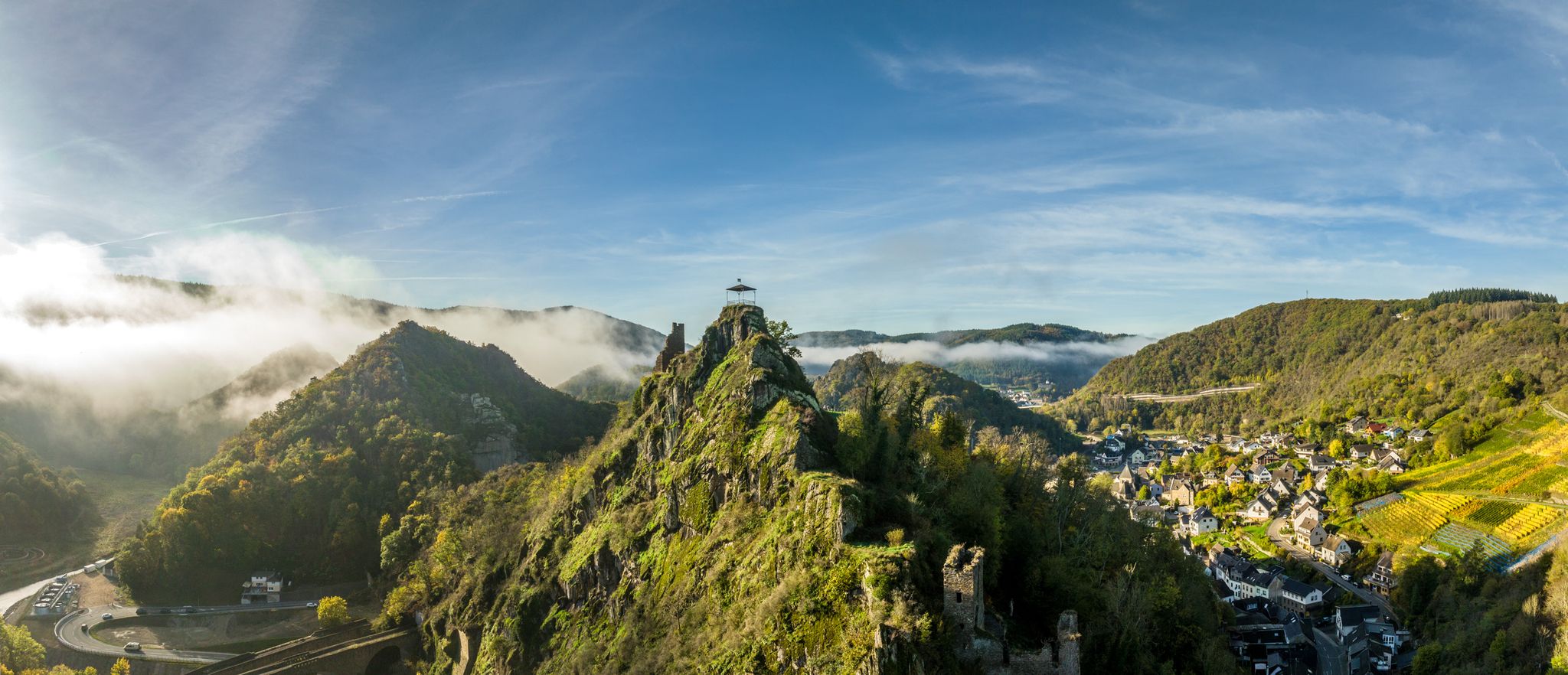
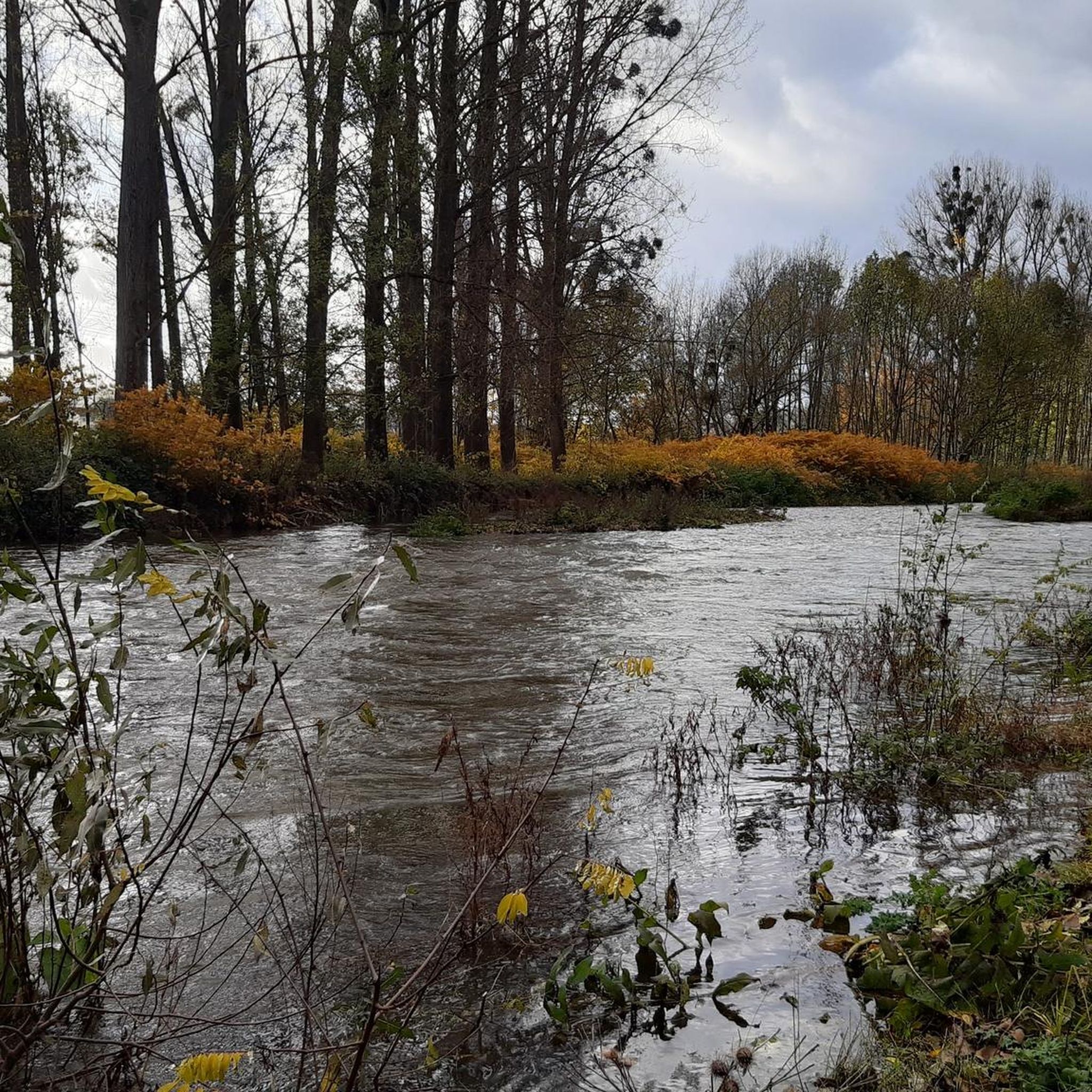
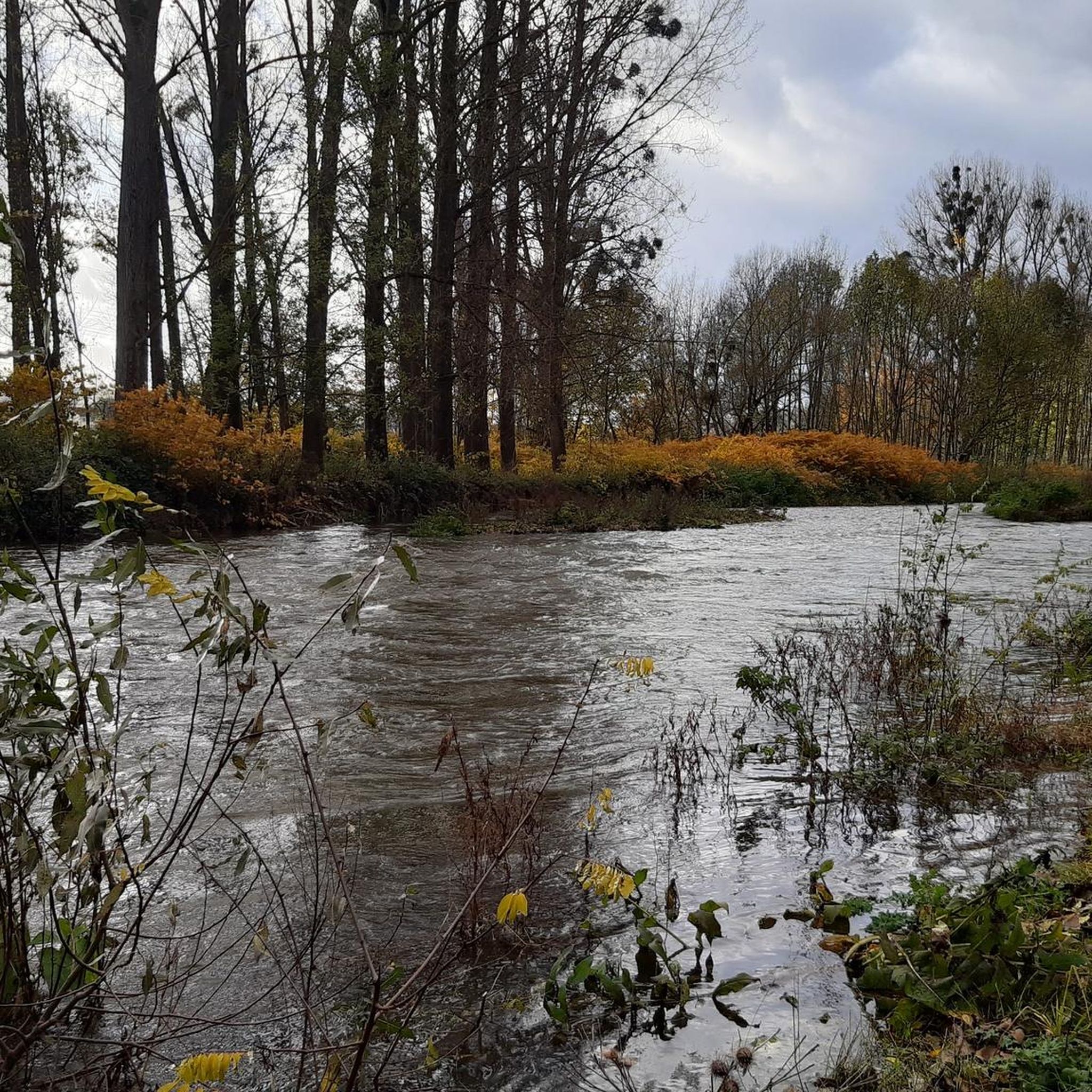
near the ruins a beautiful viewpoint with a bench in peace and quiet
16
0

Mayschoß belongs to the Walporzheim wine-growing area in the Ahr region. There are 59 wine-growing businesses in the town, and the vineyard area is 103 hectares. Around 70% of the wine grown is red wine grape varieties (as of 2010). In 1979, there were still 89 businesses operating, and the vineyard area at that time was 91 hectares.
9
0

The climb to Saffenburg is worth it: Not only does the perfect view over Mayschuss and its vineyards await you here, you can also reward yourself with a delicious glass of wine at any time. Next to the refuge there is a wine vending machine with delicious white, rosé and red wines as well as grape juice and water. Glasses are also available for loan. Payment is only possible cashless.
11
0

In the middle of the vineyards, this castle towers over Bad Hönningen. A bit old, but with a nice outdoor terrace.
15
0

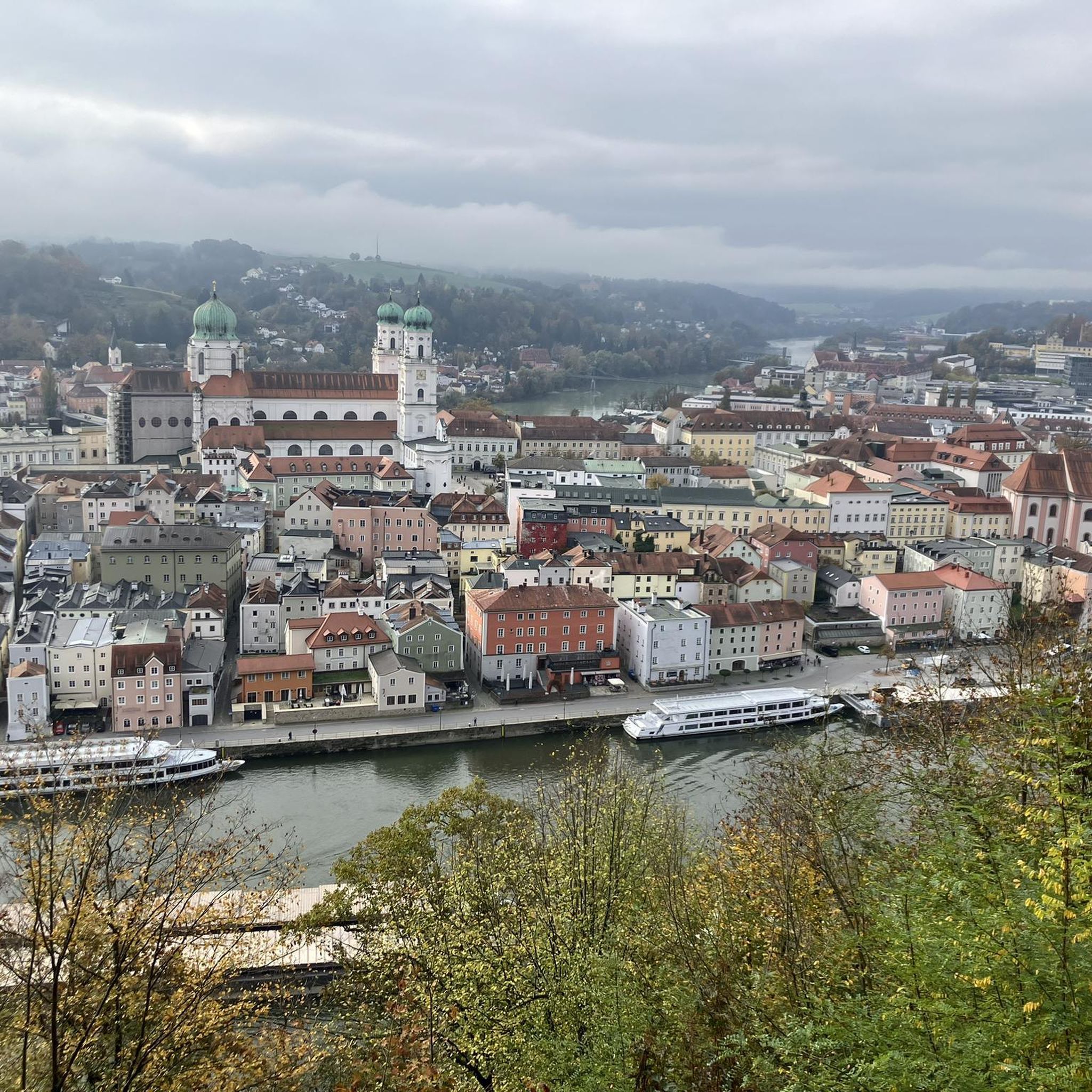
Very beautiful city center with the half-timbered houses and the well-preserved city fortifications from the Middle Ages. >> Ahrweiler << - the older of the two districts, was first mentioned as >> Ahrwilere << in the year 893 in a goods list of the Prüm Abbey. This abbey had large possessions in Ahrweiler. Until 1100 Ahrweiler belonged to the Argau. from 1100 - 1246 sovereignty was exercised by the Counts of Are; From them it passed in 1246 to the Counts of Hochstaden of the Archbishopric of Cologne, who remained rulers until 1794. Archbishop Konrad von Are-Hochstaden, who confirmed Ahrweiler's city rights in 1248, made the city, together with Bonn, Neuss and Andernach, co-capital of Electoral Cologne. In keeping with this political and strategic importance, the sovereign had Ahrweiler fortified with a fortification that is still worth seeing today. The moats, city walls, gates and towers from the 13th century are almost completely preserved today. During the Thirty Years' War (1633, 1642, 1646) the city was besieged, looted and pillaged by enemies; During the 3rd French War of Robbery on May 1, 1689, all but 10 houses were completely destroyed. It took years for the reconstruction to take place. From 1794 - 1814 Ahrweiler was under French rule, which was followed by belonging to Prussia from 1815 - 1945. Ahrweiler had to endure the last enemy attacks in 1044 and 1945. The bombing left the southern part of the city center completely in ruins. But reconstruction took place quickly. Anyone who visits Ahrweiler as a lover of antiquity will be particularly impressed by the St. Laurentius parish church (1269) - one of the first Gothic hall churches in the Rhineland - and the excavation work on the recently discovered probably second largest Roman villa north of the Alps. Source: https://finanzamt-ahrweiler.fin-rlp.de/wir-ueber-uns/chronik
9
0
Οι πιο δημοφιλείς διαδρομές Sinzig
Τα πιο δημοφιλή αξιοθέατα Sinzig

Εμπνεύσου με την εφαρμογή komoot για κινητά


Ανακάλυψε περισσότερα
Ψάχνεις τα καλύτερα κάστρα αλλού; Ανακάλυψε άλλους οδηγούς Sinzig:
