コランドール・クインカノン周辺のアトラクション&必見スポット - トップ11
コランドール・クインカノンには必見のスポットがたくさんあります。ハイキング愛好家やサイクリング愛好家の方は、ぜひコランドール・クインカノンを探索してこのエリアにある11
の隠れたスポットを訪れてみてください。このエリアの必見スポットを確認し、次の冒険に出かける計画を立てましょう。
最終更新日: 10月 10, 2026
コンシュ=アン=ウーシュのドンジョン
ハイライト • 城
翻訳者 Google •
役立つ情報 は

ル・マノワール・デュ・オム
ハイライト • 歴史的な場所
翻訳者 Google •
役立つ情報 は

今すぐサインアップして、こんな場所を発見しよう
最高のシングルトラック、ピーク、その他のエキサイティングなアウトドアスポットのおすすめを受け取ろう。
シャンピニョル
ハイライト • 集落
This village has been in a new commune with La Vieille Lyre since the end …
翻訳者 Google •
役立つ情報 は

フィデレールのサン=テロワ教会
ハイライト • 宗教的な場所
翻訳者 Google •
役立つ情報 は

ラ・フェリエール=シュル=リル村の中心部
ハイライト • 集落
翻訳者 Google •
役立つ情報 は
無料でサインアップして、さらに多くの観光スポットを発見しましょう コランドール・クインカノンでの。
すでにアカウントをお持ちですか?
無料アカウントで今日から始めよう
次の冒険が待っています。



コミュニティからのヒント

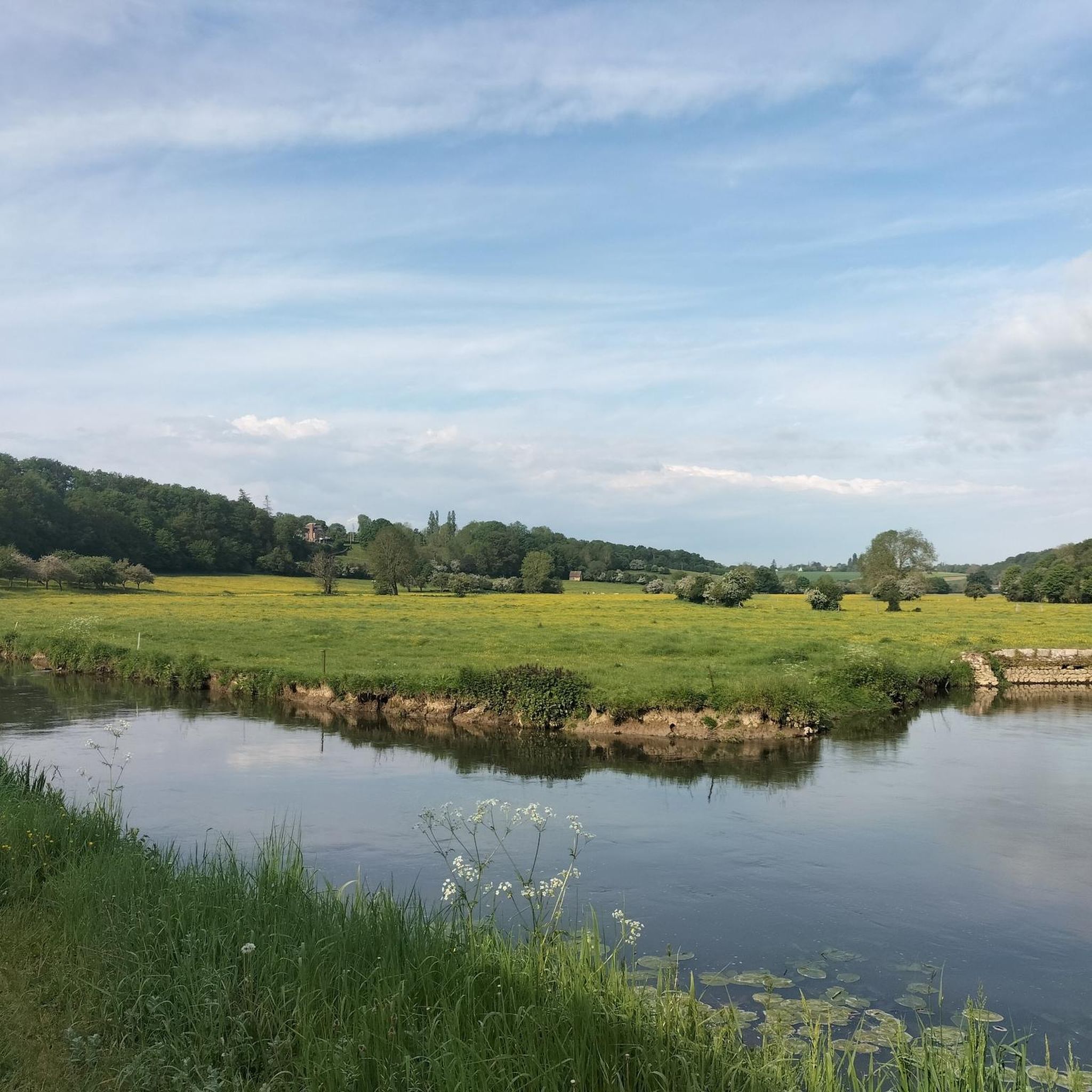
Le Manoir du Hom is a 16th and 17th century mansion surrounded by water and nature. It is reached by a path that leads to the fish farm of the Fontaine à Roger, and you can admire the beautiful brick and stone pavilions, the half-timbered stables, and the large porch which opens onto a courtyard. central. You can enjoy the panoramic views of the surrounding fields, meadows, woods and river. The region is also part of a protected natural area which is home to a variety of flora and fauna. You may be able to spot yellow pigeons, water buttercups, herons or dragonflies during your hike. The Manor of Hom is a hidden gem that will delight history and nature lovers.
3
0

The town of Goms is rather pretty, too bad it is populated by inbreds
0
1

Le Fidelaire … the origin of the toponym is clearer than it seems when we know that the Latin fagus (the beech) gave fayou fi: the Fidelaire is therefore the Fi of the Aire, that is to say the beech near which is the area where the peasants thresh the wheat. In the twelfth. There was one of the five chapels in the forest of Goms, dedicated to Saint Eloi. All were given in 1123 to the abbey of Conches which henceforth had the patronage. This was confirmed to the monks by the bishop of Évreux in 1239. Source https://www.sauvegardeartfrancais.fr/projets/fidelaire-le-eglise-saint-eloi/
0
0

An ancient fortified residence, the Hom Hom is a Nordic word meaning “island in a swamp”. This is what we discover at the bend of a path on leaving Beaumont. The current manor is a beautiful architectural ensemble which replaced a very old residence built in the 11th century, at the same time as the feudal castle. Surrounded by a triple row of moats, two magnificent late 16th-early 17th century pavilions, in brick and white stone, covered with flat tiles, are reflected in the water. Long half-timbered buildings house the stables. Access to a central courtyard is via a vast porch. The property can only be seen from a path that leads to the Fontaine à Roger fish farm. Successive owners of the Hom de Beaumont le Roger In 1420, the Hom belonged to Isabelle de Pommereuil who resisted the English invasion. As a result, she was dispossessed of her property. After many successive owners, the manor was offered to Dupont de l'Eure. Since 1825 it has remained in the same family. Long the seat of stag hunts, it currently belongs to the descendants of the Duchess of Magenta.
1
0

Built at the end of the 11th century by Roger III de Tosny, Lord of Conches. The thickness of the walls is 2.60m. The walls and window embrasures were coated with a layer of mortar mixed with lime and fine sand in order to give a more noble appearance to this flint construction. On the ground floor: it was the food reserve, there were no windows. 1st floor: A central well was used to supply the Château with drinking water. It was emptied in 1849. A fireplace was in each room. It was around 1417, when Conches was in English hands, that the defensive power of the keep was increased under the orders of Captal de Buch. He built an additional tower with the particularity of starting on a square base. Main seats of the castle: 1093: War of the Beautiful Ladies (fight between the Lords of Tosny and the Lords of Breteuil, Beaumont and Evreux) 1199: Philippe Auguste is king of France and he makes the domain of Conches available to his cousin Robert de Courtenay in 1202. 1364: first English occupation. 1371: 100 years war, Bertrand Dugesclin, captain of King Charles V, seizes Conches. 1420: Conquest of Normandy by the English, Henry V, King of England seizes Conches. The castle was taken over in 1440 by Charles VII, King of France. 1441: New English occupation. 1449: The French under the command of Robert de Floques, bailiff of Evreux storm the town of Conches.
0
0
La ferrière sur Risle, a beautiful little village.
0
1
Very beautiful typical village but be careful ⚠️ it climbs well
1
0

komootモバイルアプリでインスピレーションを得よう


さらに探索
まだ探しているハイライトが見つかりませんか?他の地域のトップアトラクションのガイドを見てみましょう:
