ナックのおすすめランニングルート
4.3
(182)
2,531
ランナー
213
ランニング
ナックでランニングを楽しめば、このエリアをより深く知ることができます。ランニングに適した美しいルートが見つかるように、komootがナックでのルートのコレクション全体を評価して選び抜いた、人気ランニングトレイルをご紹介します。ルートをクリックして詳細を表示し、他のユーザーがアップロードした役立つ情報や写真を閲覧しましょう。
最終更新日: 9月 3, 2026
5.0
(2)
23
ランナー
10.4km
01:06
90m
90m
中程度のジョギング. ある程度のフィットネスレベルが必要です。 全般的に舗装された状態です。あらゆるスキルレベルに適しています。
12
ランナー
21.2km
02:20
170m
170m
難しいジョギング. 標準以上のフィットネスレベルが必要です。 全般的に舗装された状態です。あらゆるスキルレベルに適しています。

3.0
(1)
4
ランナー
11.4km
01:14
190m
190m
中程度のジョギング. ある程度のフィットネスレベルが必要です。 全般的に舗装された状態です。あらゆるスキルレベルに適しています。
5.0
(1)
7
ランナー
9.85km
01:03
110m
110m
中程度のジョギング. ある程度のフィットネスレベルが必要です。 全般的に舗装された状態です。あらゆるスキルレベルに適しています。
3
ランナー
8.25km
00:55
90m
90m
中程度のジョギング. ある程度のフィットネスレベルが必要です。 全般的に舗装された状態です。あらゆるスキルレベルに適しています。
さらに多くのルートや他のユーザーのおすすめ情報を確認できます。
すでにアカウントをお持ちですか?
おすすめのツアーは他のkomootユーザーが実際に経験した何千ものアクティビティに基づいています。
無料アカウントで今日から始めよう
次の冒険が待っています。
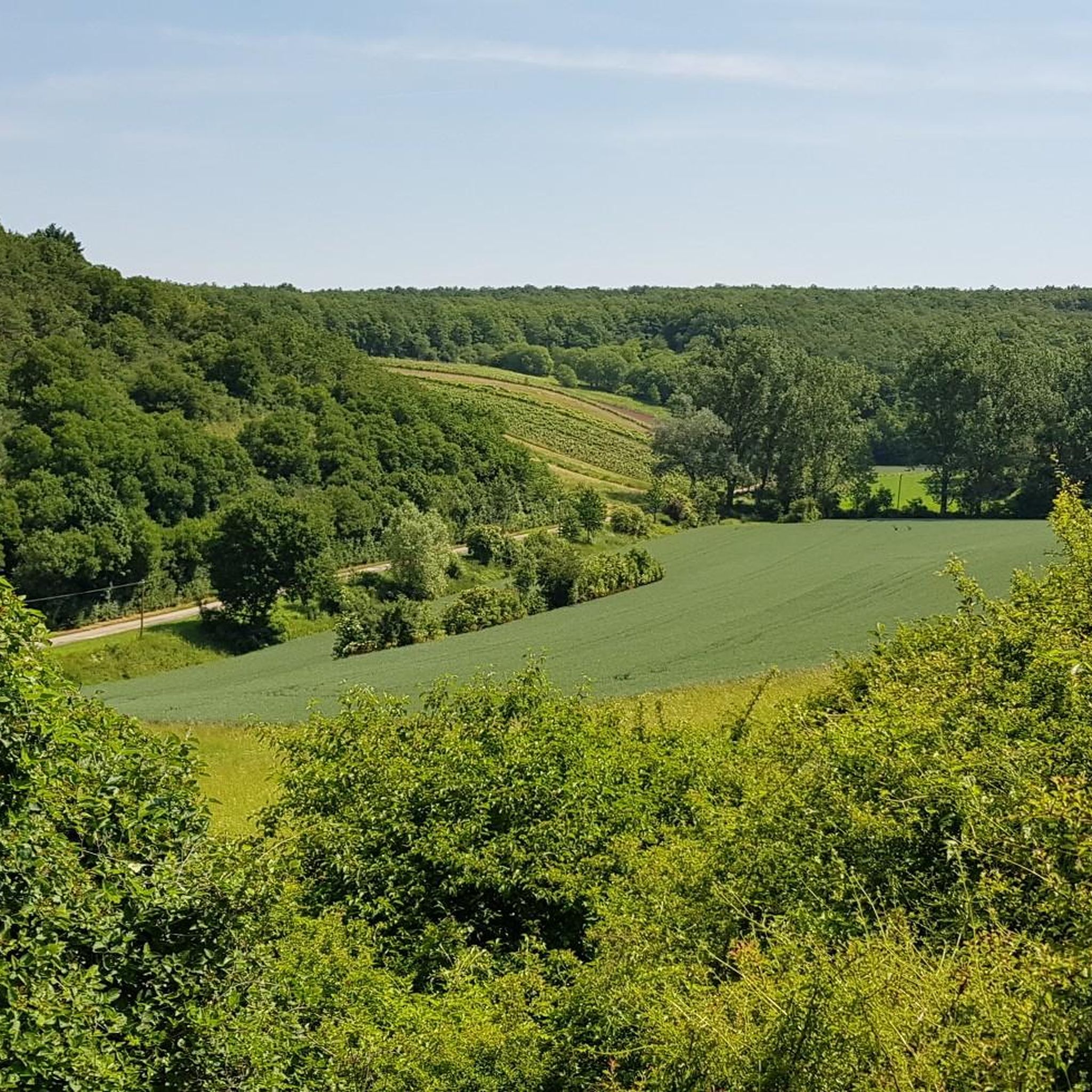
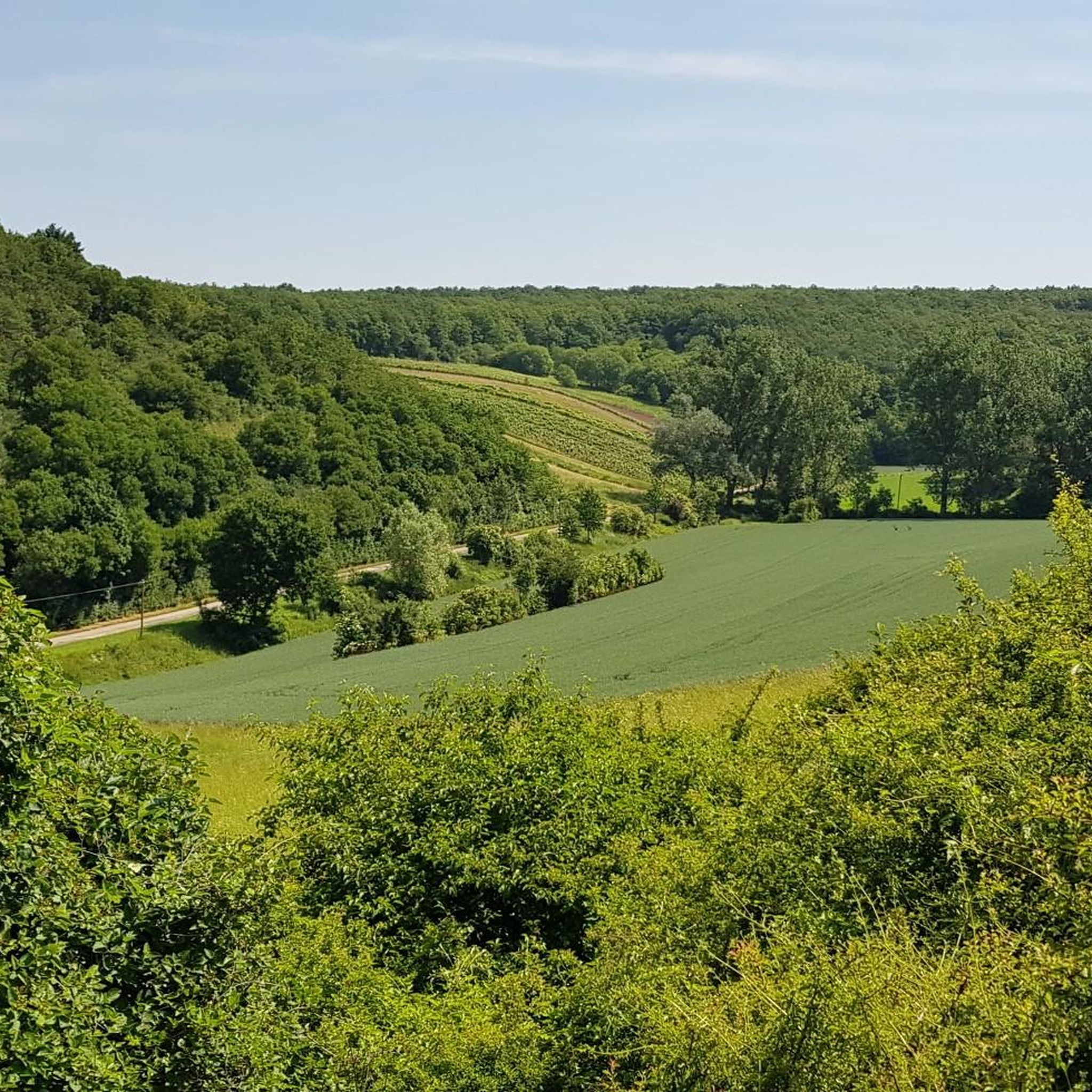
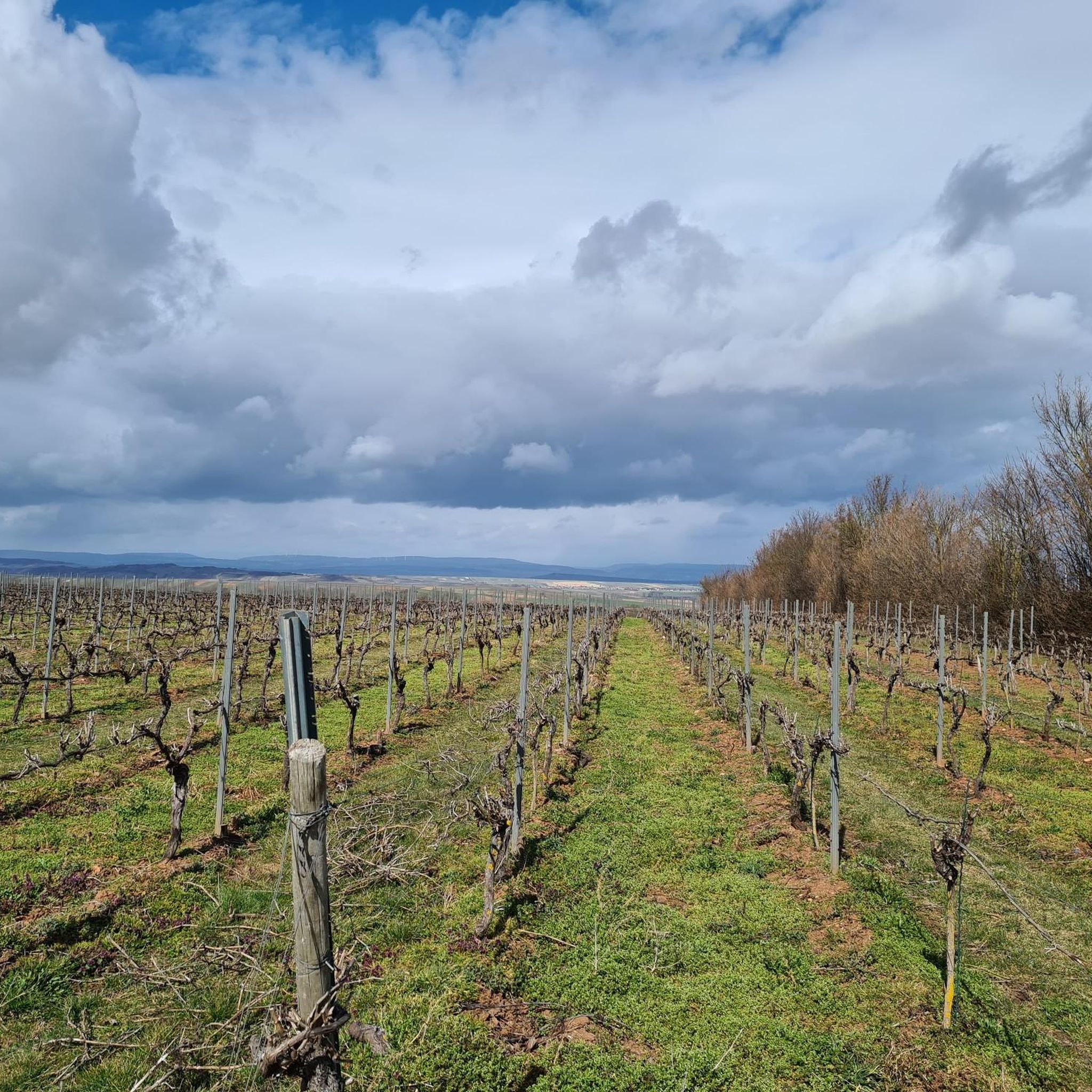
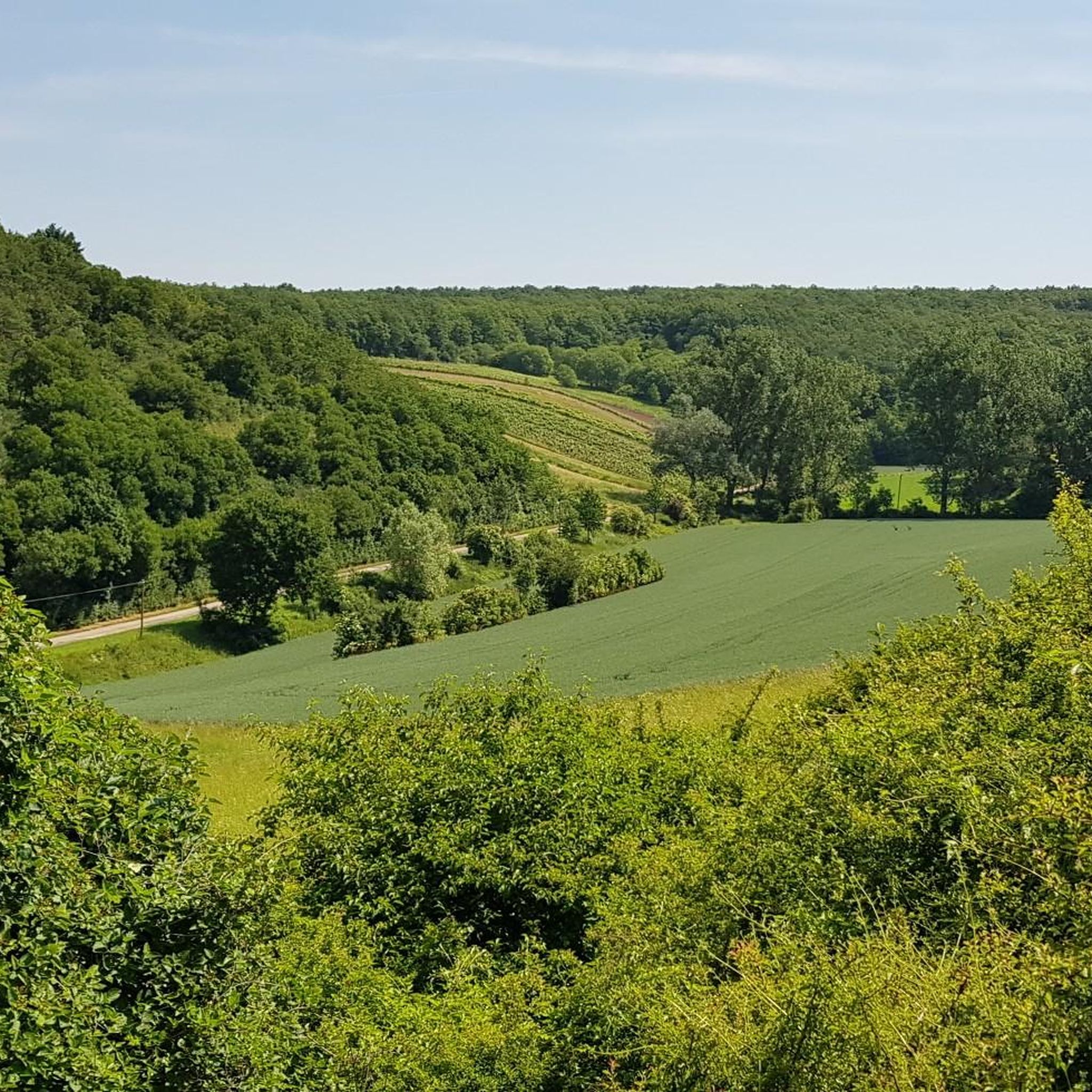
コミュニティからのヒント

Waldlehrpfad rhh. SCHWEIZに関する情報
0
0


The Rossmarkt [Note 1], together with the neighboring Fischmarkt (Fish Market), was the city's main marketplace. Its name derives from the horse market originally held there. A watercolor by an unknown artist, dated between 1814 and 1820, offers a glimpse of the old Rossmarkt. In the first quarter of the 19th century, the Rossmarkt housed, among other things, a pharmacy, a cooper, two butcher shops, and the Sauer inn. A guesthouse with a brewery and a post office of the Thurn and Taxis postal service were also located there. As early as 1460, an inn stood on the site of today's Kaiser medical supply store. During the time of the Electors, the building was known as the "Herberge Zum Hizen" (Inn at the Sign of the Chizen), and somewhat later as the "Gasthaus Zum Hirschen" (Inn at the Sign of the Stag). In 1905, the entire square was repaved, and some houses had to relocate their staircases to the interior. Today, half-timbered houses from the 17th and 18th centuries adorn the square. At its center stands a landmark of the city since 1985: the Rossmarkt Fountain. Source: https://www.regionalgeschichte.net/rheinhessen/alzey/kulturdenkmaeler/rossmarkt-mit-brunnen.html
4
0

In 1985, the Neustadt artist Professor Gernot Rumpf created the Rossmarkt Fountain. The horse and fountain represent a monument to a famous son of Alzey: the legendary minstrel and knight Volker von Alzey from the Nibelungenlied. This 13th-century epic poem has its historical core in the Burgundian kingdom of the 5th century, which counted Alzey among its centers, and describes the noble Volker as a "man full of fighting strength" who supposedly carried the banner of the Burgundian king in the campaign against Saxony. This proves that, although of lower nobility, he held a high military rank. The Nibelung hero met his death in the Battle of Etzelburg near Gran, fighting against the Huns. But Volker von Alzey was not only famous as a warrior and tournament rider; his Minnesang (courtly love song) and poetry are also mentioned in the myth. Therefore, the depiction of the coat of arms on the horse is complemented by a minstrel's fiddle on the other side. The horse itself—a status symbol of knights and nobles—is powerfully built and clearly identifiable as a draft horse, one of the heavy warhorses of the Middle Ages. Draft horses are still bred today as calm, undemanding, and very strong draft animals. Besides Volker von Alzey's horse, the design of the fountain basin is also inspired by the Nibelung saga. According to the legend, Hagen von Tronje, chamberlain to the Burgundian king, sank the Nibelung treasure in the Rhine. Even though the historical figure of Volker von Alzey is difficult to grasp and much of the legend is based on the Nibelungenlied, it is hard to deny that the person and the myth are still present in Alzey today. A glance at the city's coat of arms shows a minstrel's fiddle beneath the Palatine lion. The Alzey-Worms district also features the instrument in its coat of arms. ] . ... (https://www.regionalgeschichte.net/rheinhessen/alzey/kulturdenkmaeler/rossmarkt-mit-brunnen.html?L=0)
5
0
Impressive castle complex, which unfortunately is not accessible everywhere.
4
0

The "new church" was built between 1736 and 1745. The architect was Caspar Valerius from Heidelberg. He also built numerous Reformed churches, including those in Waldmichelbach, Schollbrunn, Hemsbach, Fürth im Odenwald, Schönau auf dem Dillberg, Spiesheim, and Pfaffen-Schwabenheim. His churches follow a uniform basic design: a nave with three to four axes, followed by a recessed choir. This has a semicircular apse on the inside, but polygonal (= three-sided) on the outside. The architectural style is rural Baroque. The church contains a wooden high altar from 1757 with the Pietà (the depiction of the body of Christ). It has several columns and pilasters on the right and left. Between the columns on the left stands John the Baptist, and between the columns on the right stands Bartholomew. Two wooden side altars are dedicated to the Virgin Mary and St. John of Nepomuk. Both date from the mid-18th century and contain 19th-century figures. The wooden pulpit on the west wall dates from 1745, and the baptismal font, made of light sandstone, dates from the mid-18th century. The two confessionals also date from the mid-18th century. A silent organ was installed in 1788 and 1789. The Baroque appearance of the high altar, with its central image of St. Nepomuk, was significantly altered at the end of the 19th century and the beginning of the 20th century, respectively. During a complete restoration at this time, the image from the center of the altar was removed, and the altar was rebuilt into its present state. A special feature of the church is the church tower. It is owned by the local congregation and replaced the old, dilapidated parish tower, which housed the parish bell and the church bells. This tower is completely separate from the church, although it is directly attached. Source: Karl Müller - The History of Erbes-Büdesheim
0
0
ナックでのの人気観光スポット

komootモバイルアプリでインスピレーションを得よう


さらに探索
他の地域の最高のランニングトレイル & ルートを見てみましょう。
