テラス・デ・ブーロ周辺のアトラクション&必見スポット - トップ20
テラス・デ・ブーロには必見のスポットがたくさんあります。ハイキング愛好家やサイクリング愛好家の方は、ぜひテラス・デ・ブーロを探索してこのエリアにある20
の隠れたスポットを訪れてみてください。このエリアの必見スポットを確認し、次の冒険に出かける計画を立てましょう。
最終更新日: 8月 30, 2026
ポッソ・アズル
ハイライト • 自然記念物
役立つ情報 は

ソアジョのエスピゲイロス
ハイライト • 記念碑
役立つ情報 は

今すぐサインアップして、こんな場所を発見しよう
最高のシングルトラック、ピーク、その他のエキサイティングなアウトドアスポットのおすすめを受け取ろう。
カスカータ・デ・フェシャ・デ・バルジャス(タヒチ)
ハイライト • 滝
翻訳者 Google •
役立つ情報 は

カスカータ・ド・タヒチ
ハイライト • 滝
翻訳者 Google •
役立つ情報 は

ピトオンシュ・ダス・ジュニアスのサンタ・マリア修道院
ハイライト • 宗教的な場所
翻訳者 Google •
役立つ情報 は

無料でサインアップして、さらに多くの観光スポットを発見しましょう テラス・デ・ブーロでの。
すでにアカウントをお持ちですか?
無料アカウントで今日から始めよう
次の冒険が待っています。
コミュニティからのヒント

A very interesting location with all the traditional granaries ("esquigueiros") clustered together on a large rock. The view from here is also very beautiful.
1
1

The Espigueiros of Soajo are one of the most iconic symbols of northern Portugal and the Peneda-Gerês National Park. They are traditional granaries built of stone and wood, designed to store corn and other grains. They are raised on pillars with "mouse stones" (circular slabs) to prevent rodents from entering. They are covered with gabled roofs and topped with crosses, reflecting the religious influence on rural life.
1
0

The Monastery of Santa Maria das Júnias is a ruined monastery, of which the church remains, located on the outskirts of Pitões das Júnias. The last Cistercian monk became the parish priest of the village of Pitões das Júnias in 1834, the date of the abolition of religious orders in Portugal. As a historical curiosity, it is worth noting that Dom Pedro de Pitões, one of the main drivers of the conquest of Lisbon from the Moors in 1147, was ordained bishop of Porto at this monastery.
0
0

Warning: This is an extremely dangerous location, with a significant risk of falling. Due to erosion, the rocks are extremely smooth, making them slippery even in dry weather.
0
0


Hidden in the heights of Pitões das Júnias, the ancient monastery of Santa Maria carries centuries of history in the stones that support it. It is believed that its origins date back to the 9th century, in the middle of the Reconquista era, before Portugal was born as a kingdom. Officially, however, it was founded in the 12th century under the auspices of the Benedictines, and later embraced the austerity of the Cistercian reform. Today, among the silent ruins, the modest side portico of the church and the delicate arcades of the cloister remain.
1
1
The monastery of Santa Maria de Pitões das Júnias has roots that are believed to date back to a period before the founding of the Kingdom of Portugal, in the 9th century, during the Christian Reconquest. However, it is certain that it was founded in the mid-12th century, initially under the Benedictine Order, later adhering to the Cistercian reform. Notable remains of its original design still remain, such as the simple side portico of the church and the discreet arcades of the cloister, now in ruins.
2
0

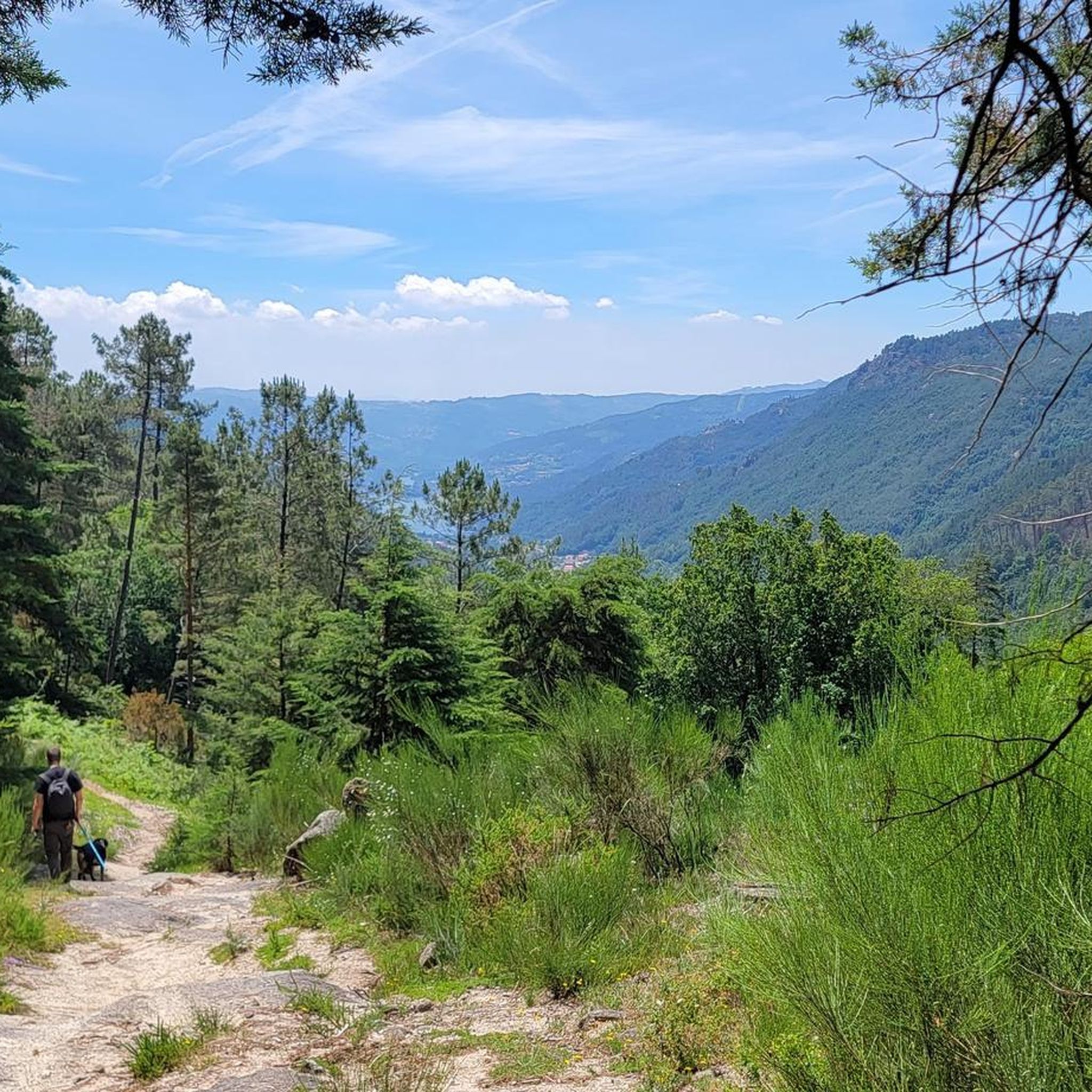
Fascinating landscape, by bike or on foot
0
1
テラス・デ・ブーロでのの人気観光スポット

komootモバイルアプリでインスピレーションを得よう


さらに探索
まだ探しているハイライトが見つかりませんか?他の地域のトップアトラクションのガイドを見てみましょう:
