ビラ・ノヴァ・デ・ガイア周辺のアトラクション&必見スポット - トップ20
ビラ・ノヴァ・デ・ガイアには必見のスポットがたくさんあります。ハイキング愛好家やサイクリング愛好家の方は、ぜひビラ・ノヴァ・デ・ガイアを探索してこのエリアにある20
の隠れたスポットを訪れてみてください。このエリアの必見スポットを確認し、次の冒険に出かける計画を立てましょう。
最終更新日: 8月 30, 2026
ドン・ルイス1世橋
ハイライト • 橋
翻訳者 Google •
役立つ情報 は

セ広場 ⛪ ポルト大聖堂
ハイライト • 宗教的な場所
翻訳者 Google •
役立つ情報 は

今すぐサインアップして、こんな場所を発見しよう
最高のシングルトラック、ピーク、その他のエキサイティングなアウトドアスポットのおすすめを受け取ろう。
無料新規登録
サン・ベント駅
ハイライト • 歴史的な場所
翻訳者 Google •
役立つ情報 は
ポルトガル沿岸道の木製ボードウォーク
ハイライト • トレイル
翻訳者 Google •
役立つ情報 は

無料アカウントで今日から始めよう
次の冒険が待っています。
ログインまたは登録
コミュニティからのヒント

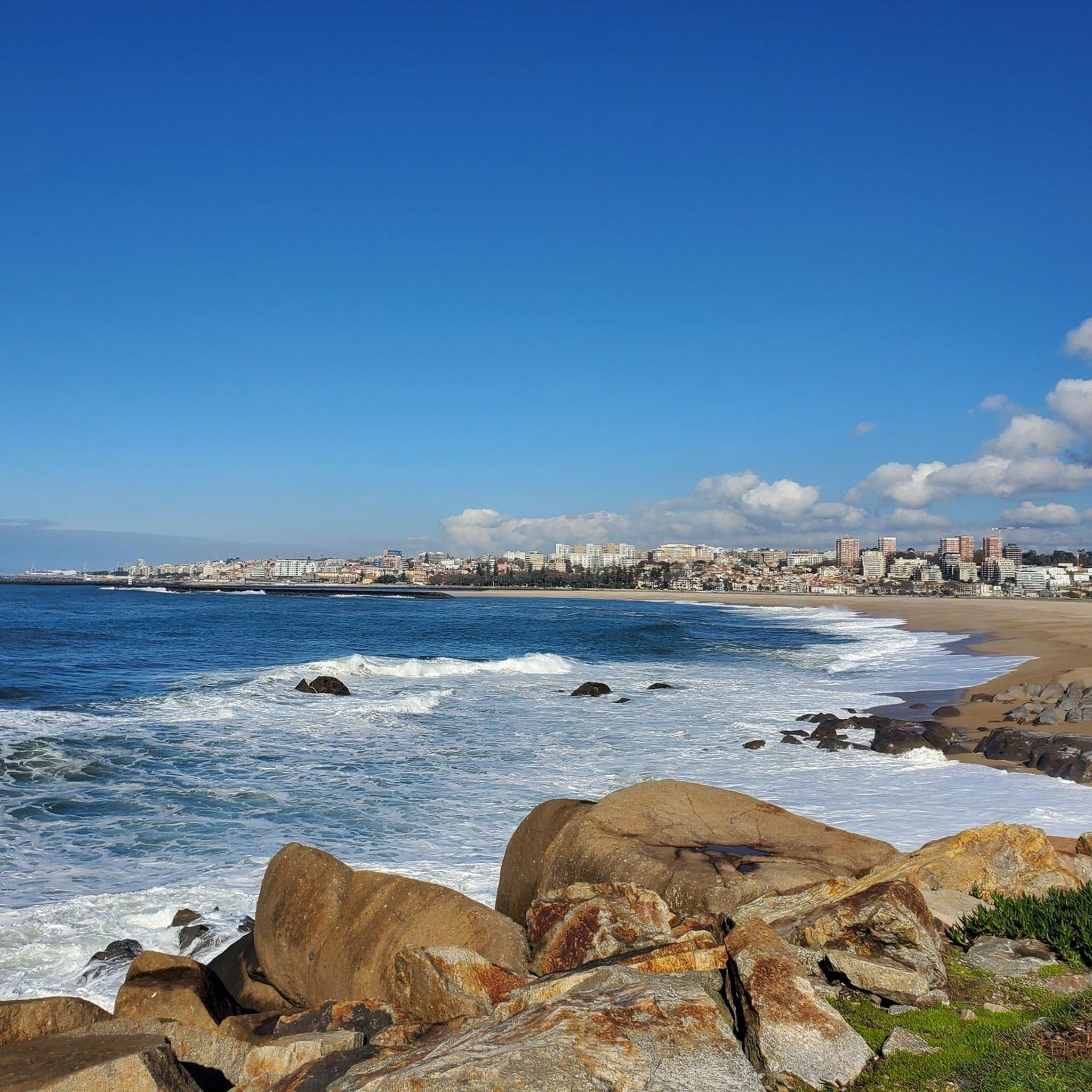
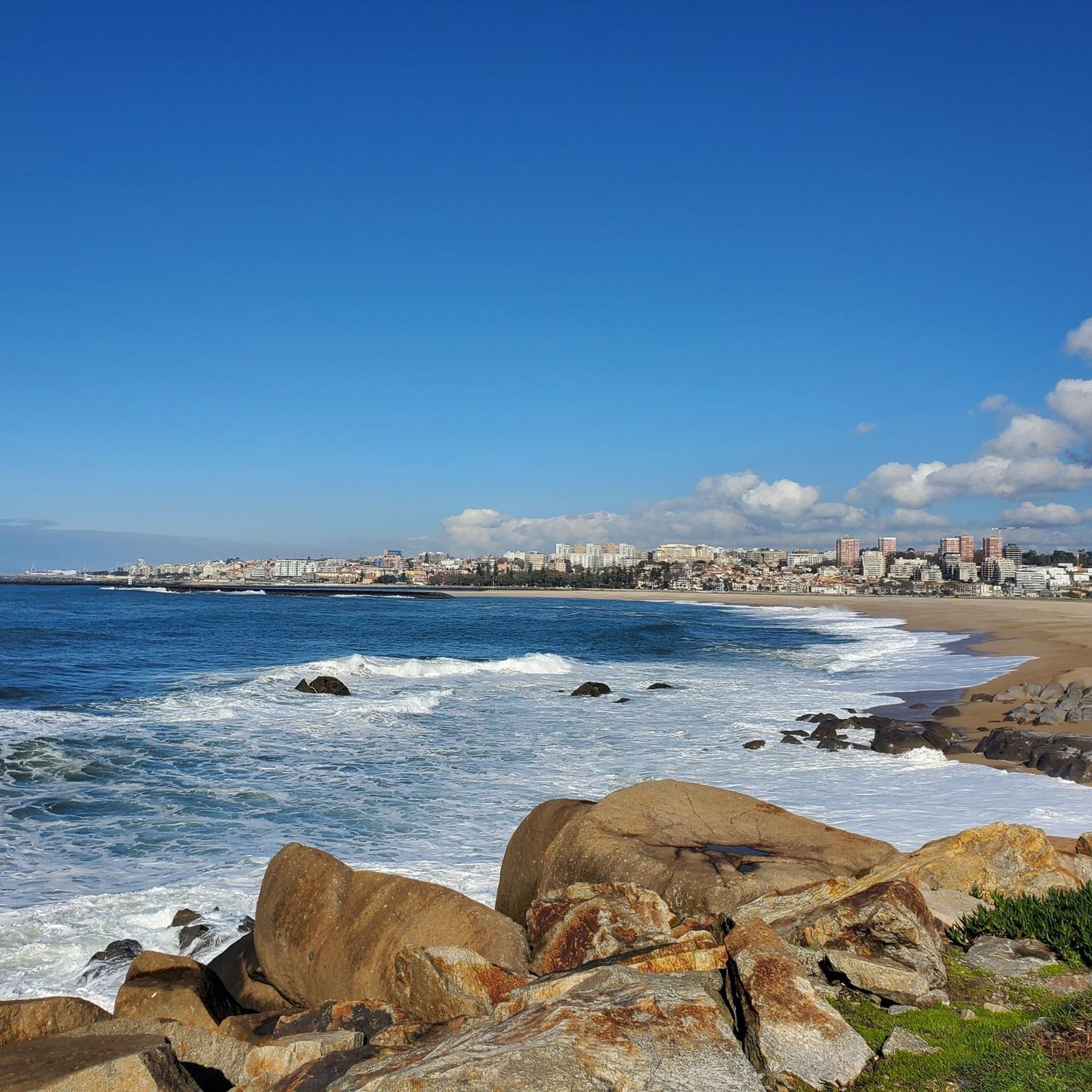
Footbridges are present in several stages of the Camino, especially in the coastal areas between Porto and Caminha: Porto – Labruge Stage: Urban sections and a seafront promenade with wooden walkways alternating with well-paved cycle paths. Vila do Conde – Esposende Stage: Footbridges over dunes and through coastal villages, ideal for enjoying the Atlantic landscape. Viana do Castelo – Caminha Stage: Paths along beaches and cliffs, with numerous sections on wooden walkways crossing dunes and protected areas.
3
0

Standing imposingly atop a hill, Porto Cathedral rises amidst narrow streets, guarding the old city. It is the oldest church in Porto and one of its most iconic monuments. Construction began in the 12th century and carries nearly a thousand years of history within its stonework. From here, the view is breathtaking: red-tiled roofs, towers punctuating the sky, and the Douro River shaping the horizon. In front of the cathedral, an old pillory recalls dark times. During the dictatorship, it served as a symbol of intimidation.
4
4


Stunning views of the Douro River from the bridge over the old town.
25
0
The historic center of Porto, also known as Ribeira, is an urban jewel with more than ten centuries of history. This area, declared a UNESCO World Heritage Site in 1996, is located in the hills overlooking the mouth of the Douro River. If you ever visit Porto, be sure to explore this charming historic center and immerse yourself in its rich history and culture. Have a good trip! 🌟🇵🇹
18
0
Construction of the cathedral began in the first half of the 12th century and continued until the beginning of the 13th century. The original building followed a Romanesque style, but over the centuries, it underwent several modifications. Notable features of the Romanesque period include the general façade with towers and a beautiful rose window, as well as the three-nave interior covered by a barrel vault. The cathedral was also one of the first Portuguese buildings to use cantilevered buttresses for support. I hope you found this brief introduction interesting! 😊
23
2
Officially opened in 1916, although it had been operating as a station since the late 19th century, this railway station is a true architectural and cultural treasure. São Bento Station is located in the heart of Porto and is an unmissable landmark in the city. Its location is no coincidence, as it was built on the ruins of the former Convent of São Bento do Ave Maria, which had been destroyed in a fire. The architecture of the complex, designed by José Porto, Marques da Silva, is reminiscent of French stations from the first half of the 20th century. Upon entering the station, you will find yourself in a hall covered with more than 20,000 Portuguese tiles painted by the artist Jorge Colaço. These murals depict different episodes from the history of the city and Portugal: rural scenes, epic battles, landings, and coronations. In addition, above the murals, you will find more tiles, this time in color and smaller in size. From the ceiling, a white roof with reliefs highlights the names of the two most important rivers in the area: the Douro and the Minho. If you have the opportunity to visit Porto, don't miss this architectural and artistic gem. It's truly stunning! 🚂🇵🇹
29
2
ビラ・ノヴァ・デ・ガイアでのの人気観光スポット

komootモバイルアプリでインスピレーションを得よう


さらに探索
まだ探しているハイライトが見つかりませんか?他の地域のトップアトラクションのガイドを見てみましょう:
