Coevorden周辺のアトラクション&必見スポット - トップ20
Coevordenには必見のスポットがたくさんあります。ハイキング愛好家やサイクリング愛好家の方は、ぜひCoevordenを探索してこのエリアにある20
の隠れたスポットを訪れてみてください。このエリアの必見スポットを確認し、次の冒険に出かける計画を立てましょう。
最終更新日: 10月 9, 2026
エムリッヒハイム近郊のフェヒテ川
ハイライト • 川
翻訳者 Google •
役立つ情報 は

ガッセルターフェルト湖
ハイライト • 湖
翻訳者 Google •
役立つ情報 は

今すぐサインアップして、こんな場所を発見しよう
最高のシングルトラック、ピーク、その他のエキサイティングなアウトドアスポットのおすすめを受け取ろう。
オード・トゥ・ザ・サン彫刻
ハイライト • 記念碑
翻訳者 Google •
役立つ情報 は

ラーの風車(フェヒテ川の流路図付き)
ハイライト • 記念碑
翻訳者 Google •
役立つ情報 は

ZweelooのKruisstraat
ハイライト • 集落
翻訳者 Google •
役立つ情報 は

無料でサインアップして、さらに多くの観光スポットを発見しましょう Coevordenでの。
すでにアカウントをお持ちですか?
無料アカウントで今日から始めよう
次の冒険が待っています。
Coevordenでのの他の冒険


コミュニティからのヒント

Zweeloo(ドレンツ語: Sweel)は、オランダのドレンテ州、Coevorden自治体にあるエスドルフ[2]です。Zweelooは隣接するAaldenとほぼ一体となっています。南側には、保護された村の景観を形成するザクセン様式の農家がある古いエスドルフ、Oud-Aaldenがあります。 Zweelooは、バンガローパークとゴルフコースが近いため、観光に力を入れています。毎年(1982年から)Zweelooでは音楽フェスティバル「Sweelpop」と馬術イベント「Masters Springen」(2005年から)が開催されています。 出典: https://nl.wikipedia.org/wiki/Zweeloo
0
0

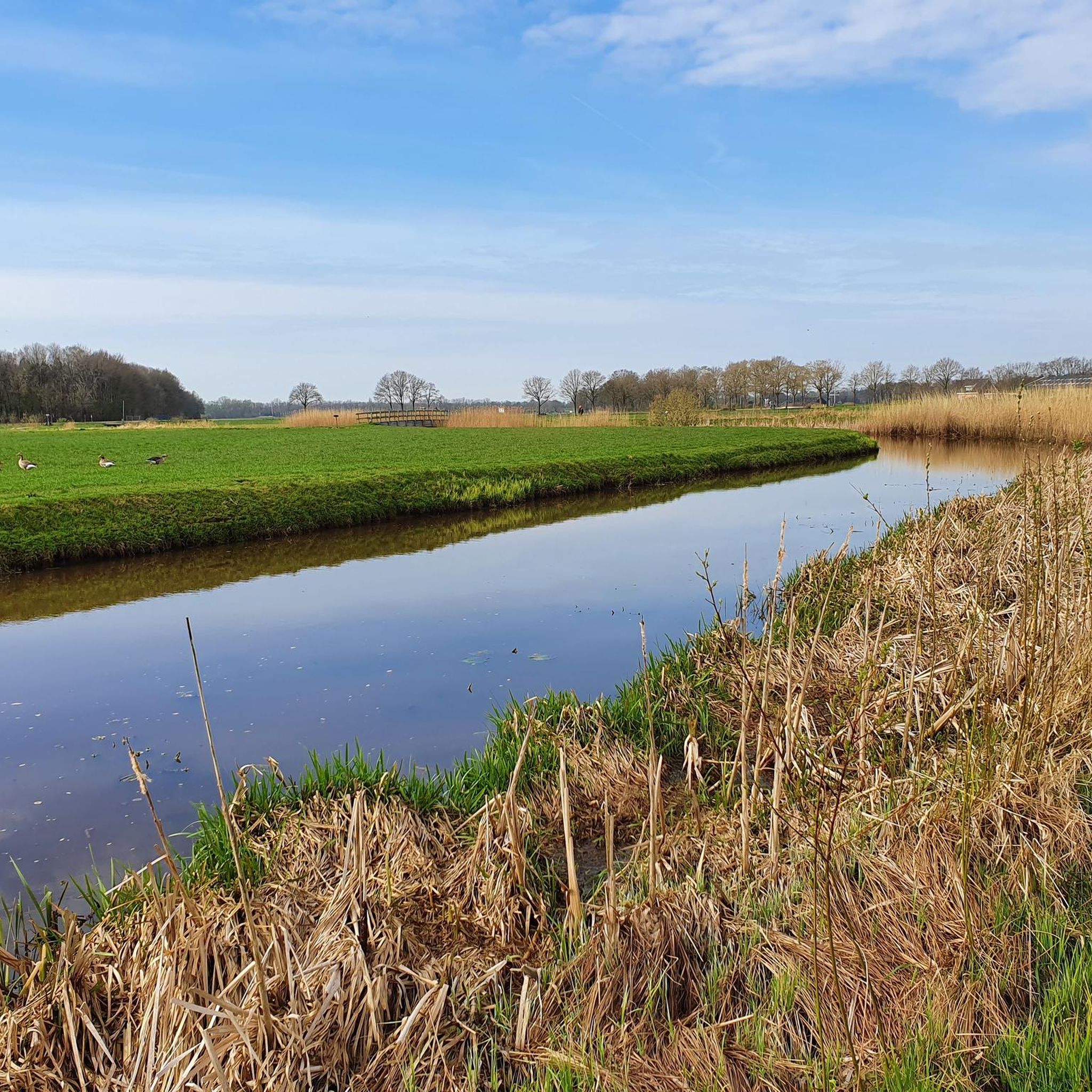
The reflections in the Vechte river are always worth a photo.
2
0


Although the village is small, it has a rich history dating back to the early Middle Ages. The characteristic farms and old houses contribute to the authentic feel of the village. There are several hiking and cycling trails in the area, making Zweelo a good base for nature lovers and cyclists who want to explore the Drenthe landscape.
3
0

History The name Emmelkamp is still commonly used in the colloquial dialect today. The High German name Emlichheim is derived from the original Low German forms Emminchem or Emmenheim. Since the time of the Thirty Years' War, High German has been used for documents in the County of Bentheim. Officially, the name was thus translated from the previously used Low German into High German as Emlichheim. Due to the close cultural and economic ties with the Netherlands, Dutch was the common language of communication, church service, and writing, particularly in the Lower County, from the 16th century onward. Until the 1820s, Dutch was used as the primary language in the county's schools. The colloquial language was the local Low German dialect, which was strongly influenced by the Dutch written language.
4
0

nice place for a break by bike or on foot
2
0
Coevordenでのの人気観光スポット

komootモバイルアプリでインスピレーションを得よう


さらに探索
まだ探しているハイライトが見つかりませんか?他の地域のトップアトラクションのガイドを見てみましょう:
