ハンバリー周辺のアトラクション&必見スポット - トップ20
ハンバリーには必見のスポットがたくさんあります。ハイキング愛好家やサイクリング愛好家の方は、ぜひハンバリーを探索してこのエリアにある20
の隠れたスポットを訪れてみてください。このエリアの必見スポットを確認し、次の冒険に出かける計画を立てましょう。
最終更新日: 5月 9, 2026
ターデビッグ・ロックス
ハイライト • サイクリングロード
役立つ情報 は

チャデスリー・ウッド国立自然保護区
ハイライト • 自然記念物
Visitors to the eastern half of the nature reserve will find themselves in ancient woodland that is predominantly mature oak with hazel coppice. The understorey also contains holly, rowan and other berry-bearing shrubs that are popular with winter thrushes such as fieldfares. Midland hawthorn thrives here – a rare shrub that is identified by the two seeds in its berries as opposed to the normal one. Open glades are important for invertebrates and encourage shrubby growth, which provides nesting cover for birds. Some old and dead oaks are retained for hole-nesting birds, fungi and invertebrates. At the right time of year the wood is full of birdsong and lucky visitors may catch a glimpse of the elusive woodcock.
There are also two areas of meadow, although these are only accessible on special open days. Hockley Meadow and Black Meadow are old pastures with wildflowers such as knapweed, dyer’s greenweed, pepper saxifrage and adder’s-tongue fern. The meadows are grazed to maintain their floral interest.
The western half of the reserve is a largely planted woodland of broad-leaved species and extensive areas of conifer. The conifers wouldn’t normally grow here and we’re gradually clearing these and replacing them with native hardwoods that are more suitable to the local geology and attract summer migrants like chiffchaff and blackcap. Crossbills sometimes breed in the conifer plantations – their unusual beak structure of crossed tips allows them to feed on the seeds.
A Worcestershire speciality, land caddis, occurs at Chaddesley Woods. A national rarity, this is the only one of almost two hundred species of caddis fly that spends its entire life-cycle on land. It burrows in leaf litter and adults only live for a couple of weeks in autumn.
役立つ情報 は

今すぐサインアップして、こんな場所を発見しよう
最高のシングルトラック、ピーク、その他のエキサイティングなアウトドアスポットのおすすめを受け取ろう。
無料新規登録
スタッドリー教区教会
ハイライト • 宗教的な場所
From the Middle Ages the village of Studley gradually migrated to its present site around the Icknield Way, now the A435. There is no documentary evidence for why the population shifted. Theories include the Plague or flooding from the River Arrow.
In the 19th Century there was still an inn opposite the church, and a number of scattered cottages, all known as Church End. Now only the church and the manor (on the site of the Norman castle, seat of the Corbucion family) remain. This has given the church an exceptionally tranquil setting.
The church was restored in 1888 and again in 1935, when the 12th century window in the north wall was discovered.
The current Restoration began in 1990. So far the tower and all roofs have been renewed. The church has been completely rewired and redecorated. During the 1997 redecoration the wall paintings were surveyed. Considerable traces were found of medieval paintings, but were too fragile to leave exposed. The windows remain to be restored. The church is listed as Grade 2*. The building is an unusual mixture of styles, with many architectural puzzles.
for walkers there is an opportunity for tea/coffee/cake here while you take in the sights.
役立つ情報 は

Coughton Court
ハイライト • 歴史的な場所
The house has a long crenelated façade directly facing the main road, at the centre of which is the Tudor Gatehouse, dating from 1530; this has hexagonal turrets and oriel windows in the English Renaissance style. The gatehouse is the oldest part of the house and is flanked by later wings, in the Strawberry Hill Gothic style, popularised by Horace Walpole.
The Coughton estate has been owned by the Throckmorton family since 1409. The estate was acquired through marriage to the De Spinney family.Coughton was rebuilt by Sir George Throckmorton, the first son of Sir Robert Throckmorton of Coughton Court by Catherine Marrow, daughter of William Marrow of London. The great gatehouse at Coughton was dedicated to King Henry VIII by Throckmorton, a favourite of the King. Throckmorton would become notorious due to his almost fatal involvement in the divorce between King Henry and his first wife Catherine of Aragon.Throckmorton favoured the queen and was against the Reformation. Throckmorton spent most of his life rebuilding Coughton. In 1549, when he was planning the windows in the great hall, he asked his son Nicholas to obtain from the heralds the correct tricking (colour abbreviations) of the arms of his ancestors' wives and his own cousin and niece by marriage Queen Catherine Parr (see gallery drawing). The costly recusancy (refusal to attend Anglican Church services) of Robert Throckmorton and his heirs restricted later rebuilding, so that much of the house still stands largely as he left it.
After Throckmorton's death in 1552, Coughton passed to his eldest son, Robert. Robert Throckmorton and his family were practicing Catholics therefore the house at one time contained a priest hole, a hiding place for priests during the period when Catholics were persecuted by law in England, from the beginning of the reign of Elizabeth I of England. The Hall also holds a place in English history for its roles in both the Throckmorton Plot of 1583 to murder Queen Elizabeth, and the Gunpowder Plot of 1605, although the Throckmorton family were themselves only indirectly implicated in the latter, when some of the Gunpowder conspirators rode directly there after its discovery.
The house has been in the ownership of the National Trust since 1946. The family, however, hold a 300-year lease and previously managed the property on behalf of the Trust. In 2007, however, the house reverted to management by the National Trust. The management of the property is renewed every 10 years. The family tenant until recently was Clare McLaren-Throckmorton, known professionally as Clare Tritton QC, until she died on 31 October 2017.
The house, which is open to the public all year round, is set in extensive grounds including a walled formal garden, a river and a lake.
役立つ情報 は
セント・ジョン・ザ・バプティスト教会(グラフトン・フライフォード)
ハイライト • 歴史的な場所
The church, with the exception of the 14th-century tower, was entirely rebuilt in 1875, but the old work appears to have been very largely re-used. The modern work is already getting into a very bad state of repair.
The chancel has a 15th-century east window of three lights with a segmental pointed head. In the north wall is a square-headed 14th-century window of two ogee trefoil-headed lights. In the south wall are two square-headed two-light windows and a priest's door, mostly modern. On this side is a single sedile with a cusped head, and near it a pointed piscina with the bowl missing. An internal string-course, largely modern, is carried round the chancel. The chancel arch is of two chamfered orders dying into the wall; the voussoirs are small and regular and are of late 13th or early 14th-century date.
In the north wall of the nave is a pointed 14thcentury arch of two chamfered orders opening into a small chapel with a single-light window on the east and west. Further west is a pointed window of the same date with two lights and a traceried head. In the south wall are two windows, each of two lights and similar to that on the north of the chancel; between them is a plain pointed door. All these features have apparently been restored and reset.
The 14th-century tower is faced with ashlar and three stages high with low diagonal buttresses to the western angles of the ground stage. The tower arch is acutely pointed and of two chamfered orders. This stage rests on a deeply moulded plinth and has a pointed 15th-century west window of three cinquefoiled lights. The second stage is lighted by loops only, but the third stage has a pointed 14th-century window of two trefoiled ogee lights in each face. The parapet is embattled, with carved gargoyles at the angles of the string and panelled and crocketed pinnacles rising above them. From within it rises a low octagonal pyramid of stone capped by a truncated pinnacle set diagonally.
The fittings include a 17th-century communion table with turned legs, a 15th-century semi-octagonal pulpit (on a modern base) having a moulded rail and traceried heads to the panels, and a modern font. In the north chapel is a broken marble monument to Roger Stonehall, who died in 1645. Under the tower are roughly designed paintings on boards of the evangelistic symbols with black letter labels, perhaps of the 16th century; here is also a painted achievement of the royal arms of Charles II inscribed 1687 C.R. In the tracery of the east window are some fragments of 15th-century glass tabernacle work and in the north chancel window are two shields, one with the arms of Mortimer and the other imperfect with those of Beauchamp. In the west window are fragments of white and yellow 15th-century glass in the tracery.
There are five bells, all cast by John Martin in 1676: the tenor is inscribed, 'All men that here my roring sound repent before you ly in ground, M. Robert Baker 1676'; the fourth, 'We wish in heven theer souls may sing that caused us six here for to ring, Amell Doxly, Richard Haynes C.W. 1676'; the third, 'Be it known to all that doth wee see John Martin of Worcester, he made wee 1676'; the second, 'All prayse and glory be to God for ever 1676'; and the treble, 'Jesus be our good speed, God Save the King 1676.'
The plate includes a cup and cover paten, London, 1571, and a plate, London, 1679, inscribed 'Grafton Flyford.'
The registers are in one volume as follows: baptisms 1676 to 1813, burials 1676 to 1812, marriages 1678 to 1777.
役立つ情報 は
無料でサインアップして、さらに多くの観光スポットを発見しましょう ハンバリーでの。
無料新規登録
すでにアカウントをお持ちですか?
無料アカウントで今日から始めよう
次の冒険が待っています。
ログインまたは登録
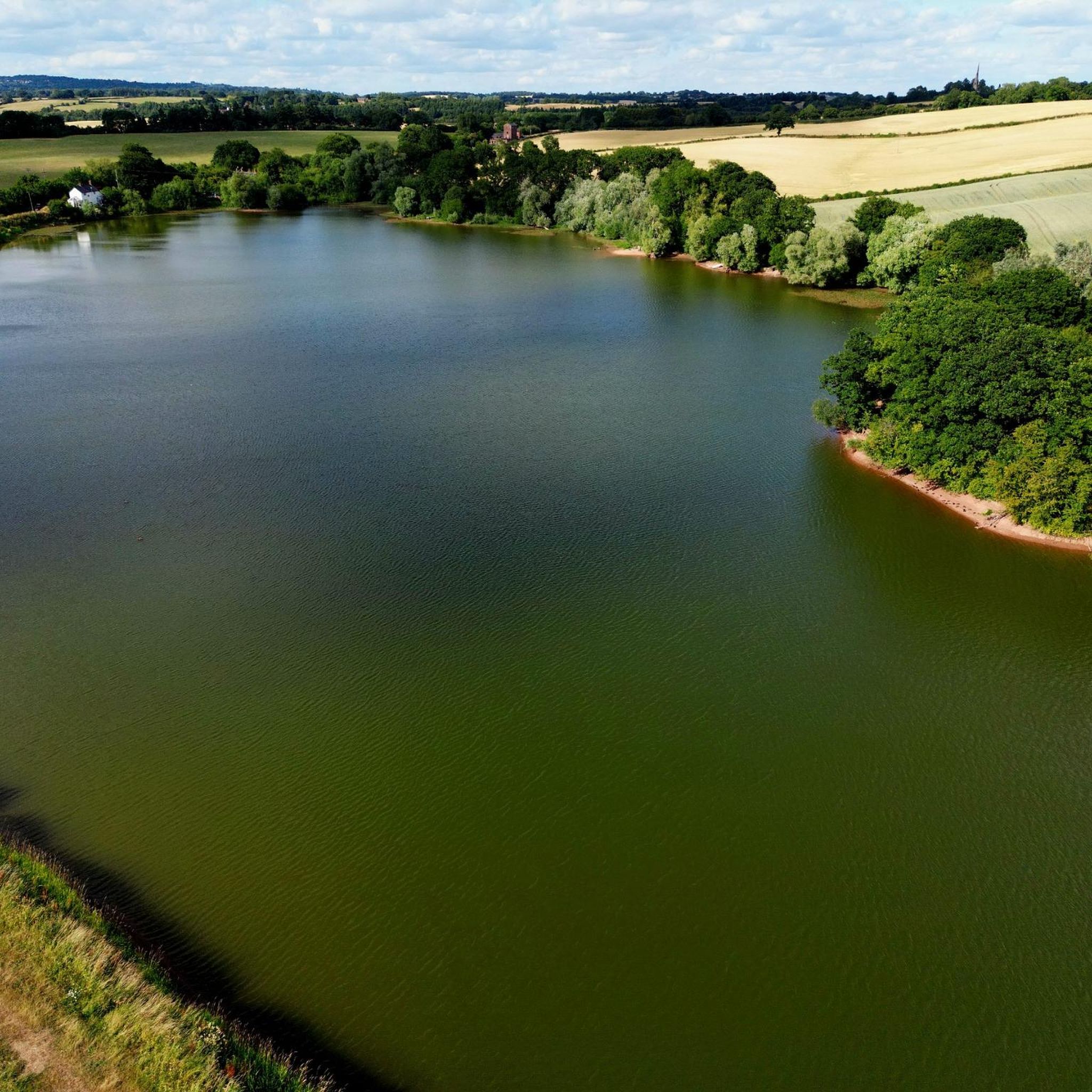
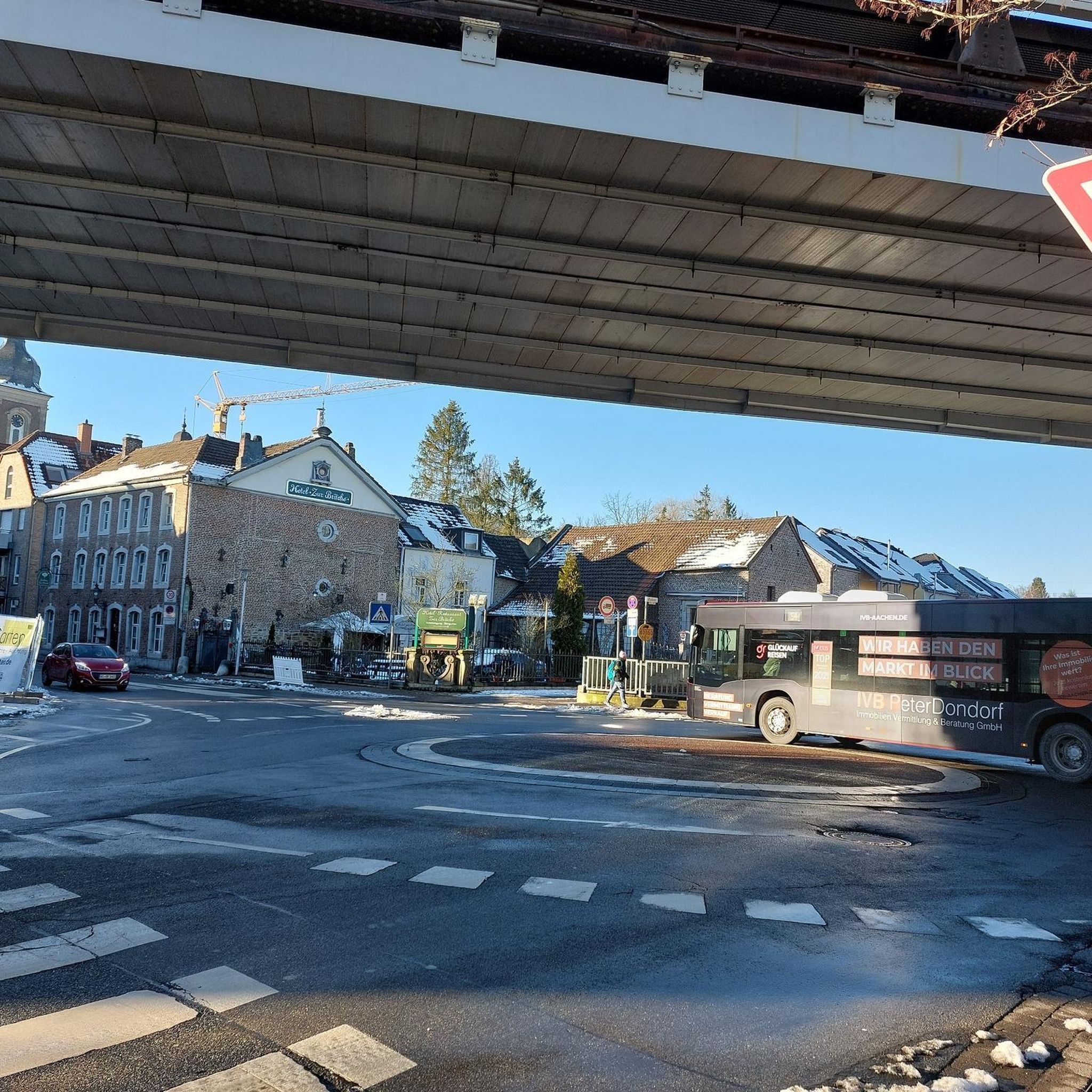
コミュニティからのヒント


Watch out for walkers around some of the locks. Few blind corners.
0
0


Quiet Anglican church with some gorgeous mosaics inside. Nice brown signpost on the nearest A-Road, so you won't miss the turn.
0
0

Architecture and engineering fans delight - so many rural scenes to discover along the Worcester and Birmingham Canal.
1
0
Tardebigge Locks or the Tardebigge Flight is the longest flight of locks in the UK, comprising 30 narrow locks on a two-and-a-quarter-mile stretch of the Worcester and Birmingham Canal at Tardebigge, Worcestershire. Well worth checking out... and realising that travelling on foot or bike it a lot quicker than travelling by canal boat!
1
0

Great series of locks, reasonable surface in the main and plenty of width to pass walkers without too much bother. Away from the locks towards Droitwich things can get muddy at times.
0
0

ハンバリーでのの人気観光スポット

komootモバイルアプリでインスピレーションを得よう


さらに探索
まだ探しているハイライトが見つかりませんか?他の地域のトップアトラクションのガイドを見てみましょう:
