オスプリング周辺のアトラクション&必見スポット - トップ20
オスプリングには必見のスポットがたくさんあります。ハイキング愛好家やサイクリング愛好家の方は、ぜひオスプリングを探索してこのエリアにある20
の隠れたスポットを訪れてみてください。このエリアの必見スポットを確認し、次の冒険に出かける計画を立てましょう。
最終更新日: 8月 29, 2026
チラム広場
ハイライト • 歴史的な場所
役立つ情報 は

レンハム・クロス
ハイライト • 自然記念物
翻訳者 Google •
役立つ情報 は

今すぐサインアップして、こんな場所を発見しよう
最高のシングルトラック、ピーク、その他のエキサイティングなアウトドアスポットのおすすめを受け取ろう。
無料新規登録
ハーティの聖トマス使徒教会
ハイライト • 宗教的な場所
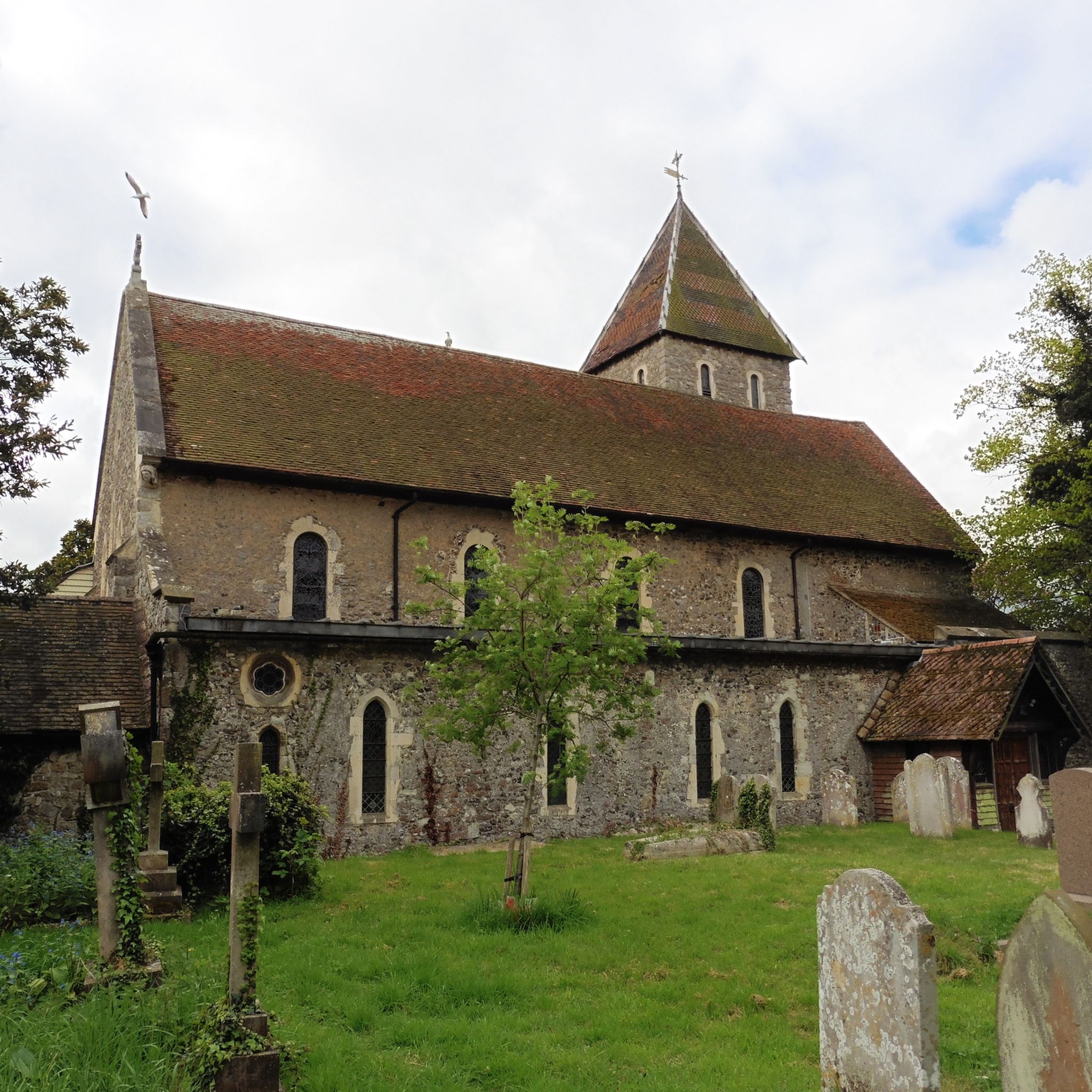
It's a basic church in a remote setting and has no electricity.
役立つ情報 は

セント・メアリー・マグダレン&セント・ローレンス教会(ファヴァシャム)
ハイライト • 歴史的な場所
役立つ情報 は

フェヴァシャムのアビー・ストリート
ハイライト • 歴史的な場所
役立つ情報 は

無料でサインアップして、さらに多くの観光スポットを発見しましょう オスプリングでの。
無料新規登録
すでにアカウントをお持ちですか?
無料アカウントで今日から始めよう
次の冒険が待っています。
ログインまたは登録

コミュニティからのヒント


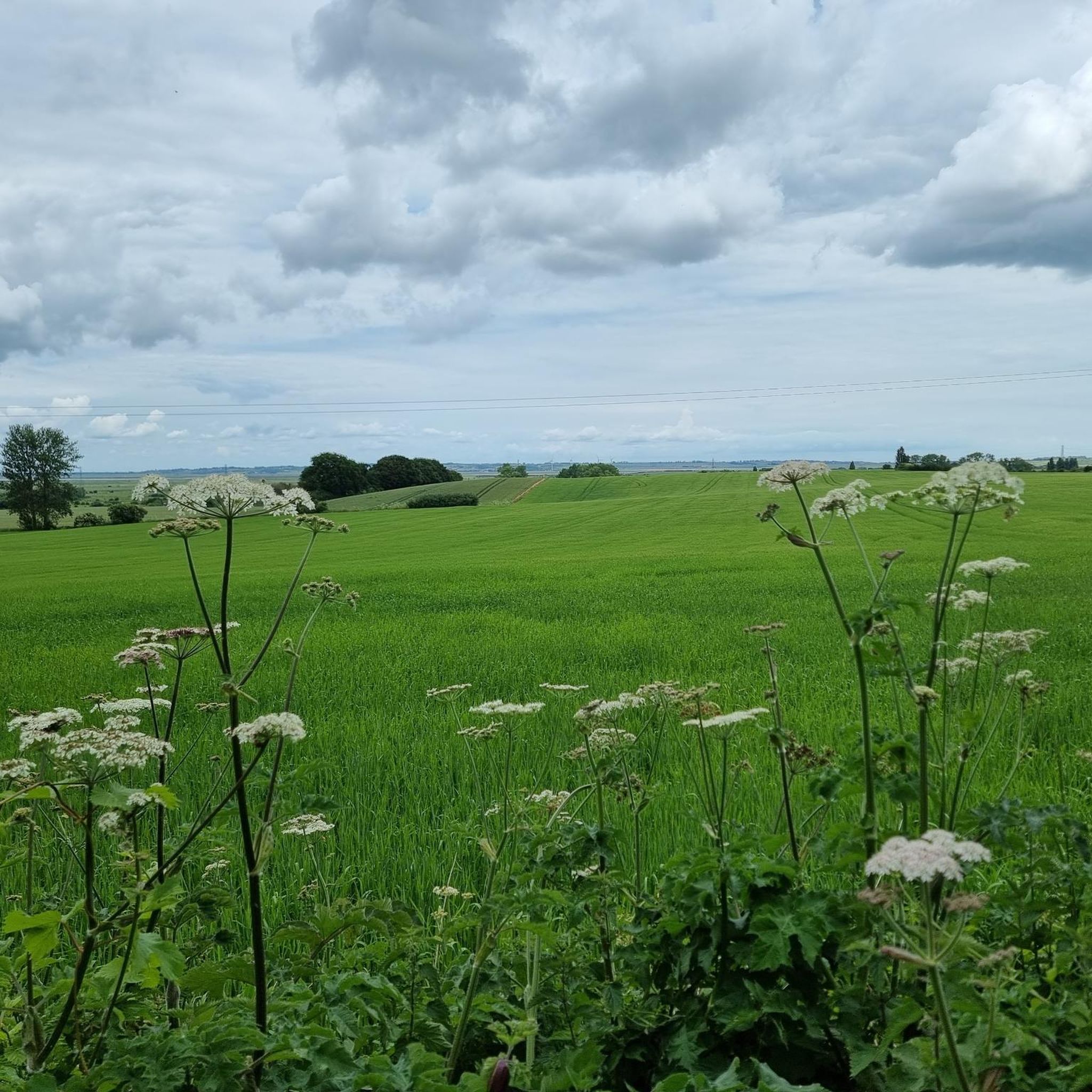
Well worth the minor detour off the surrounding cycle routes to see the picturesque square, with views of the Castle, plus the excellent White Horse pub and an excellent tearoom.
0
0

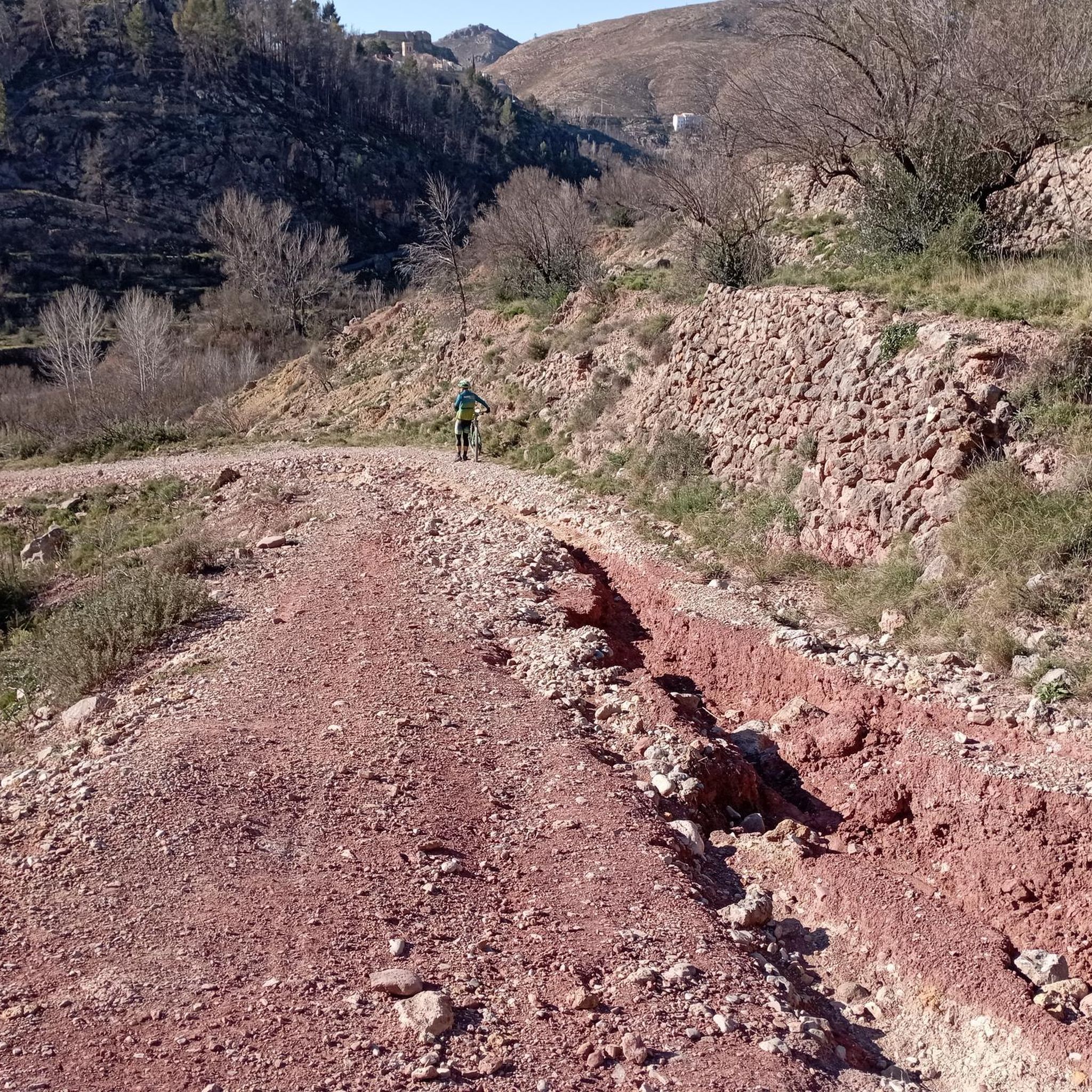
The community of Lenham commemorates the dead of the Second World War with a horizontal stone cross.
0
0


Regarding the patronage of this church: The apostle Thomas, one of the twelve whom Jesus called into the inner circle of his disciples, is not often mentioned in the biblical writings of the New Testament. The passage probably best known to most Christians is the one following the resurrection of Jesus Christ, which has earned him the unflattering nickname "Doubting Thomas" in popular parlance. The Evangelist John reports on this in the 20th chapter of his version of the "Good News" (this is the translation of the word "Gospel"). This theme, of course, also provided an opportunity for dissemination in religious art throughout many eras, for example in one of Caravaggio's most famous paintings – if you're interested, see =>> https://de.wikipedia.org/wiki/Der_ungl%C3%A4ubige_Thomas_(Caravaggio)#/media/Datei:The_Incredulity_of_Saint_Thomas.jpg – The feast day of the Apostle Thomas in the calendar of saints is sometimes celebrated on July 3rd, sometimes on December 21st.
0
0


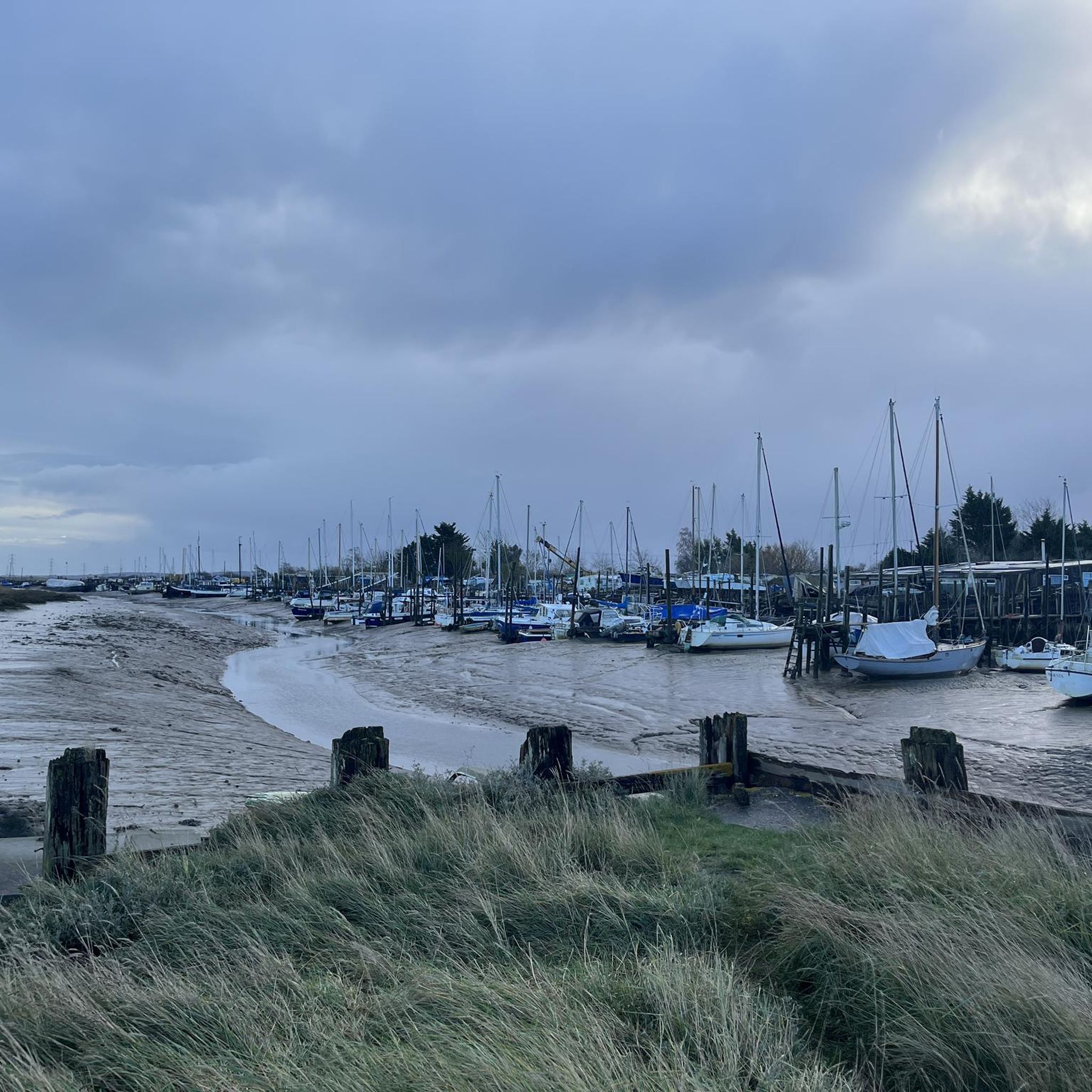
In the 12th century a highway was laid out as a grand approach to the Abbey which had survived Henry VIII's dissolution of the monasteries to become a residential area popular with anyone who owed their livelihood to the Creek, whether as merchant, craftsman or seaman. Toward the end of the 19th century its middle-class residents started moving to new houses elsewhere in the town, and many of its properties became tenanted. The new occupiers were often much poorer than their predecessors. Landlords neglected the properties and so the street came to look 'down-at-heel'. Determination to build a 'brave new world' after the end of the Second World War encouraged local councils to sweep away houses that lacked modern amenities. Most of those in Abbey Street qualified, but they were also historic buildings of importance. After intervention by the Society for the Protection of Ancient Buildings, an ingenious pioneering scheme launched by Faversham Borough Council in the late 1950s saved them from the fate that overtook many of their counterparts elsewhere. Apart from Arden's House (No 80), none of the properties is of outstanding national importance, and so they were not eligible for historic building repair grants. However, collectively they are of national importance, and so the first 'town scheme' was introduced to make them eligible. Most of them were bought by the council under slum-clearance powers, and their occupants re-housed elsewhere. However, instead of being demolished the properties in Abbey Street were sold to sympathetic owners who covenanted with the council to restore them under the supervision of an architect with experience of historic building care. To cover its costs, the council made a slight profit on each - buying the smaller houses for about £250 each and then selling them for about £300. In other historic towns, streets were being brutally widened, but in Abbey Street the carriageway was actually narrowed - the first in the UK - to reduce traffic nuisance. At the same time, the street was planted with trees. Abbey Street is sometimes said to be the finest medieval street in southeast England. It is certainly a wonderful "gallery" of old buildings, mainly timber-framed. As already noted, the ace in the pack is Arden's House, one of the few surviving buildings of Faversham Abbey, and possibly its guesthouse. With 81 (Arden's Cottage), it originally formed a big "open courtyard" house. It dates from around 1450-1500, with remains of the Abbey outer gatehouse of c 1200, which spanned the street here.
1
0
On the secondary patronage of this church: "Saint LAWRENCE" is one of the early Christian Roman martyrs from a time when Christianity was still strictly forbidden. He was archdeacon of Pope Sixtus II and after his execution was ordered by the pagan emperor Valerian to hand over the treasure of the church. Laurentius asked for three days to do this, distributed the church's assets among the poor inhabitants of Rome and, after the agreed time, came to the emperor with the poor to present them to him as the treasure of the church. He was then tortured to death. Legend has it that he was roasted alive on a grate - this attribute can be seen in many depictions of Saint Lawrence - over coals. He is said to have been in good spirits and asked his executioner if he would turn him over. The memorial day of Saint Lawrence in the calendar of saints is August 10th, the recorded date of his execution in A.D. 258.
1
0
オスプリングでのの人気観光スポット

komootモバイルアプリでインスピレーションを得よう


さらに探索
まだ探しているハイライトが見つかりませんか?他の地域のトップアトラクションのガイドを見てみましょう:
