バークビーソープ周辺のアトラクション&必見スポット - トップ20
バークビーソープには必見のスポットがたくさんあります。ハイキング愛好家やサイクリング愛好家の方は、ぜひバークビーソープを探索してこのエリアにある20
の隠れたスポットを訪れてみてください。このエリアの必見スポットを確認し、次の冒険に出かける計画を立てましょう。
最終更新日: 10月 11, 2026
ブラッドゲート・ハウスの遺跡
ハイライト • 歴史的な場所
役立つ情報 は

ブラッドゲート・パーク ディアパーク
ハイライト • 湖
役立つ情報 は

今すぐサインアップして、こんな場所を発見しよう
最高のシングルトラック、ピーク、その他のエキサイティングなアウトドアスポットのおすすめを受け取ろう。
Swithland Reservoir
ハイライト • 展望台
役立つ情報 は
クロップストン貯水池
ハイライト • 湖
Most of the land required for the reservoir, dam and waterworks belonged to the Bradgate Estate. …
役立つ情報 は

Swithland Wood
ハイライト • 森
役立つ情報 は

無料でサインアップして、さらに多くの観光スポットを発見しましょう バークビーソープでの。
すでにアカウントをお持ちですか?
無料アカウントで今日から始めよう
次の冒険が待っています。

コミュニティからのヒント

In September 1867, 180 acres of land was purchased for a cost of £24,000. Most of the land required for the reservoir, dam and waterworks belonged to the Bradgate Estate. Lord Stamford insisted that a stone wall be built around the boundary to separate the deer park from the reservoir, instead of the proposed iron railings. This wall, 1,500 yards long was eventually built at a cost of 8s 10d per yard. Joseph Reeves, Head Gamekeeper, outside his house. Some of the Bradgate Estate land was part of the deer park, but most was farmland let out on very long leases. One farmer, Joseph Allen, lost virtually all his farm. Two members of the Matts family had theirs considerably reduced in size. The Gamekeeper’s house and land, together with a nearby bridge, were also in the area to be flooded. The house, together with its stables and outhouses, were demolished and the bricks sold. Part of the footpath between Anstey and Hallgates was submerged, as was the site of the old rabbit warren (or conery).
3
0

This is the Great Pit in Swithland Wood, a site shaped by centuries of slate quarrying, with origins tracing back to Roman times. The quarry was first officially recorded in the 1300s, with activity continuing until the 19th century. Due to the presence of deep water and sheer vertical walls, the quarry is extremely hazardous and completely closed to public access.
2
0

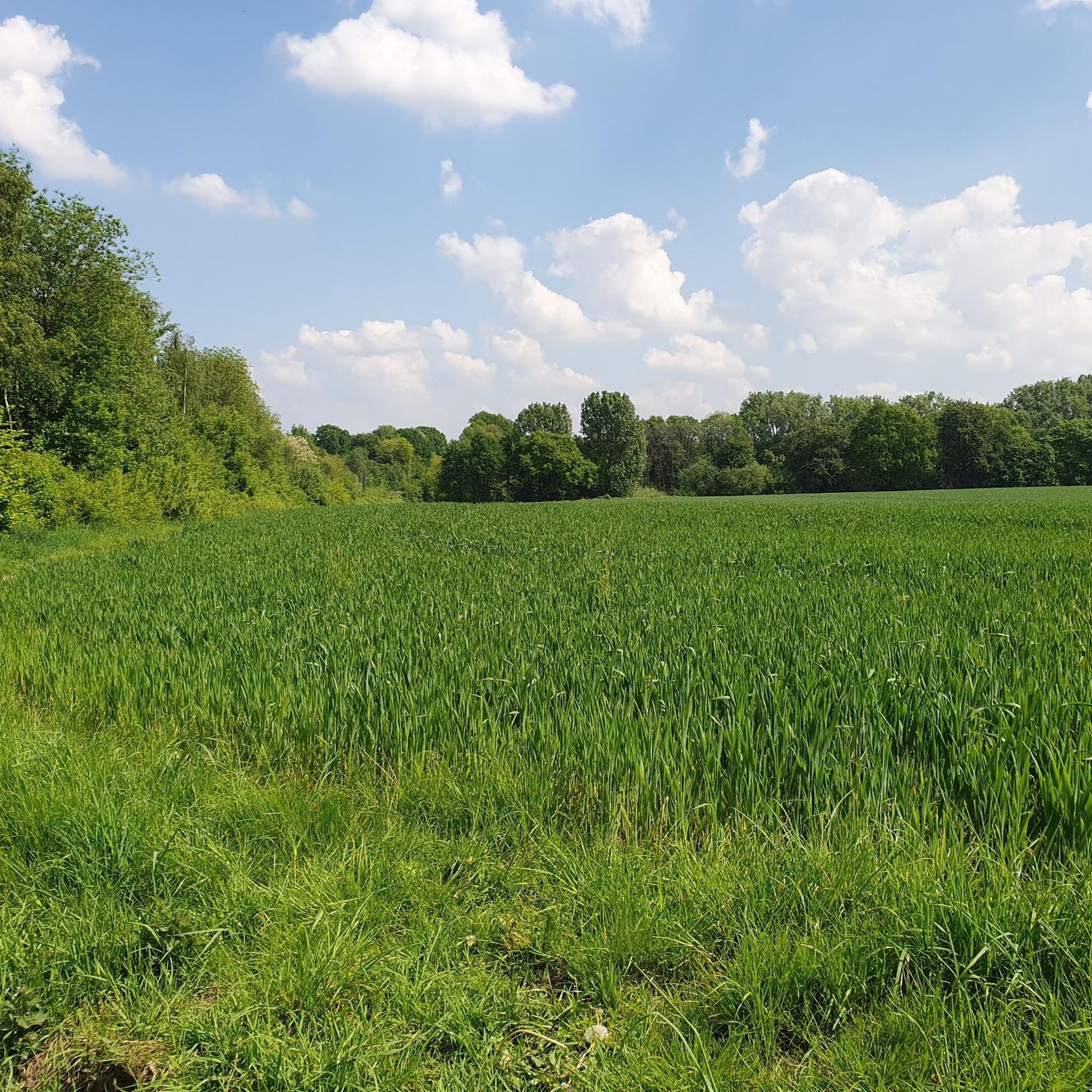
Was pretty mucky and slippy on a gravel bike in June, although it's been a wet year
0
0

Swithland Reservoir, opened in 1896 for Leicester, had a 500 million-gallon capacity but became insufficient. In the early 20th century, a pipeline from Derwent reservoirs in Derbyshire was required. As you pass Buddon Wood, quarried in the early Iron Age for millstones, take a moment to enjoy the scenery, woodland, and water birds. You might also catch sight of steam trains on the viaduct from this spot.
1
0

Bradgate House is one of England's great 'lost country houses', a once-magnificent Tudor mansion and the birthplace of Lady Jane Grey, the tragic 'Nine Days Queen'. The story of Bradgate House goes back long before Lady Jane's birth, however, and is intertwined with the history of Bradgate Park, a large country park in which the ruins stand. Bradgate Park began as a hunting ground in the early 13th century. It was enclosed by an earthwork bank and ditch, topped by oak timbers. In 1445 the park passed by marriage to the Grey family, who owned it for the next 5 centuries. The first grey owner was Edward Grey, whose son John married Elizabeth Woodville. After John's death at the Battle of St Albans in 1461 Elizabeth married King Edward IV. One of Elizabeth's sons by her first marriage was Sir Thomas Grey, the 1st Marquess of Dorset.
1
1
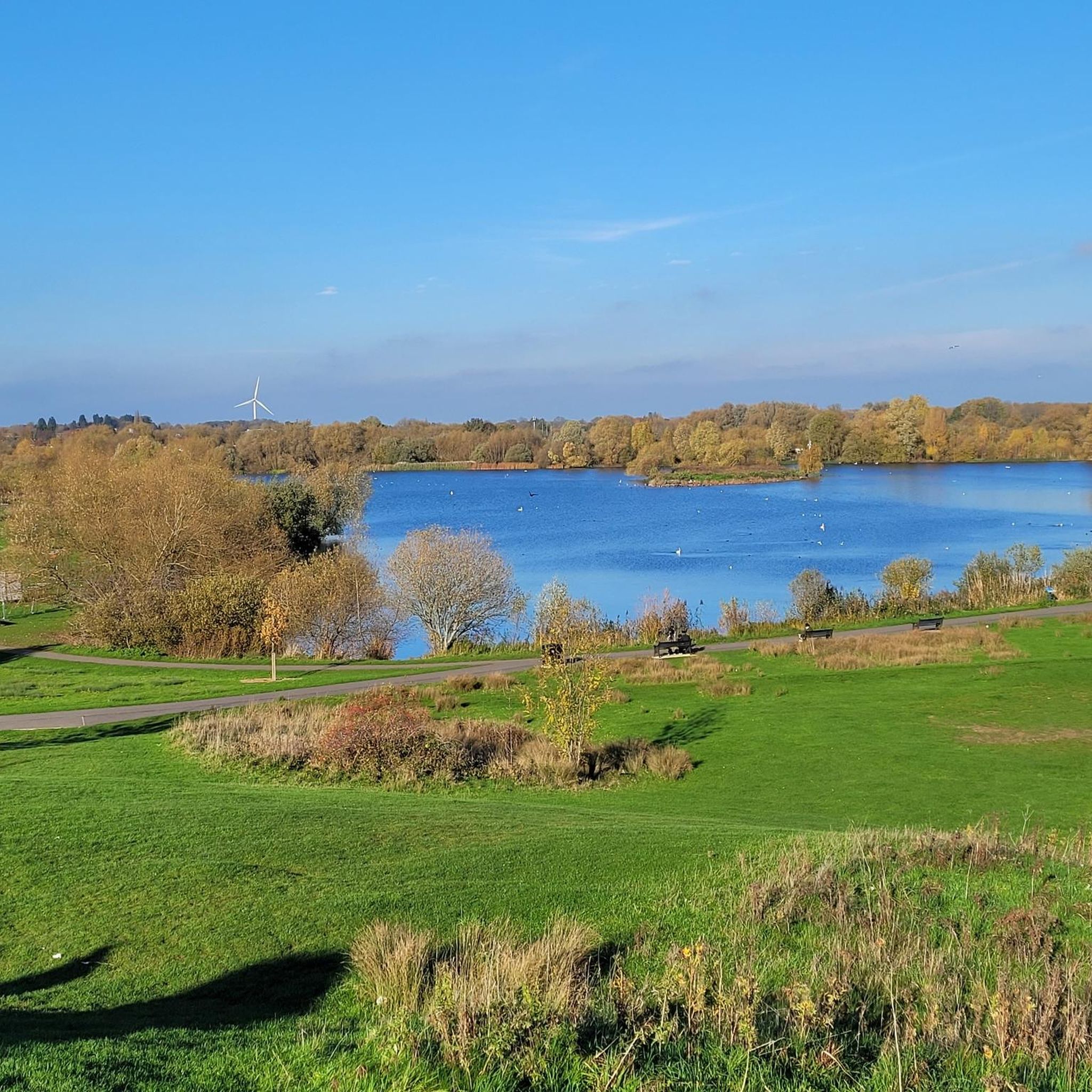
Swithland Reservoir is a reservoir in the English county of Leicestershire. It is north-east of the village of Swithland from which it takes its name, north-west of Rothley and approximately 133 metres (145 yd) south-west of Mountsorrel Quarry. It is part of the 187.1-hectare (462-acre) Buddon Wood and Swithland Reservoir Site of Special Scientific Interest (SSSI).
0
0

Swithland Wood is a small remnant of the original Charnwood Forest managed by part of the Bradgate Estate. As a small chunk of ancient woodland, Swithland consists of mature oak, birch, alder and lime with supports a rich variety of butterflies, moths and birds. This chunk of woodland is the type that would of previously covered all of the British mainland whilst groups of hunter gatherers moved through the landscape.
2
0

A great view over the water and at the passing vintage railway.
0
0
バークビーソープでのの人気観光スポット

komootモバイルアプリでインスピレーションを得よう


さらに探索
まだ探しているハイライトが見つかりませんか?他の地域のトップアトラクションのガイドを見てみましょう:
