クレイクロス周辺のアトラクション&必見スポット - トップ20
クレイクロスには必見のスポットがたくさんあります。ハイキング愛好家やサイクリング愛好家の方は、ぜひクレイクロスを探索してこのエリアにある20
の隠れたスポットを訪れてみてください。このエリアの必見スポットを確認し、次の冒険に出かける計画を立てましょう。
最終更新日: 9月 26, 2026
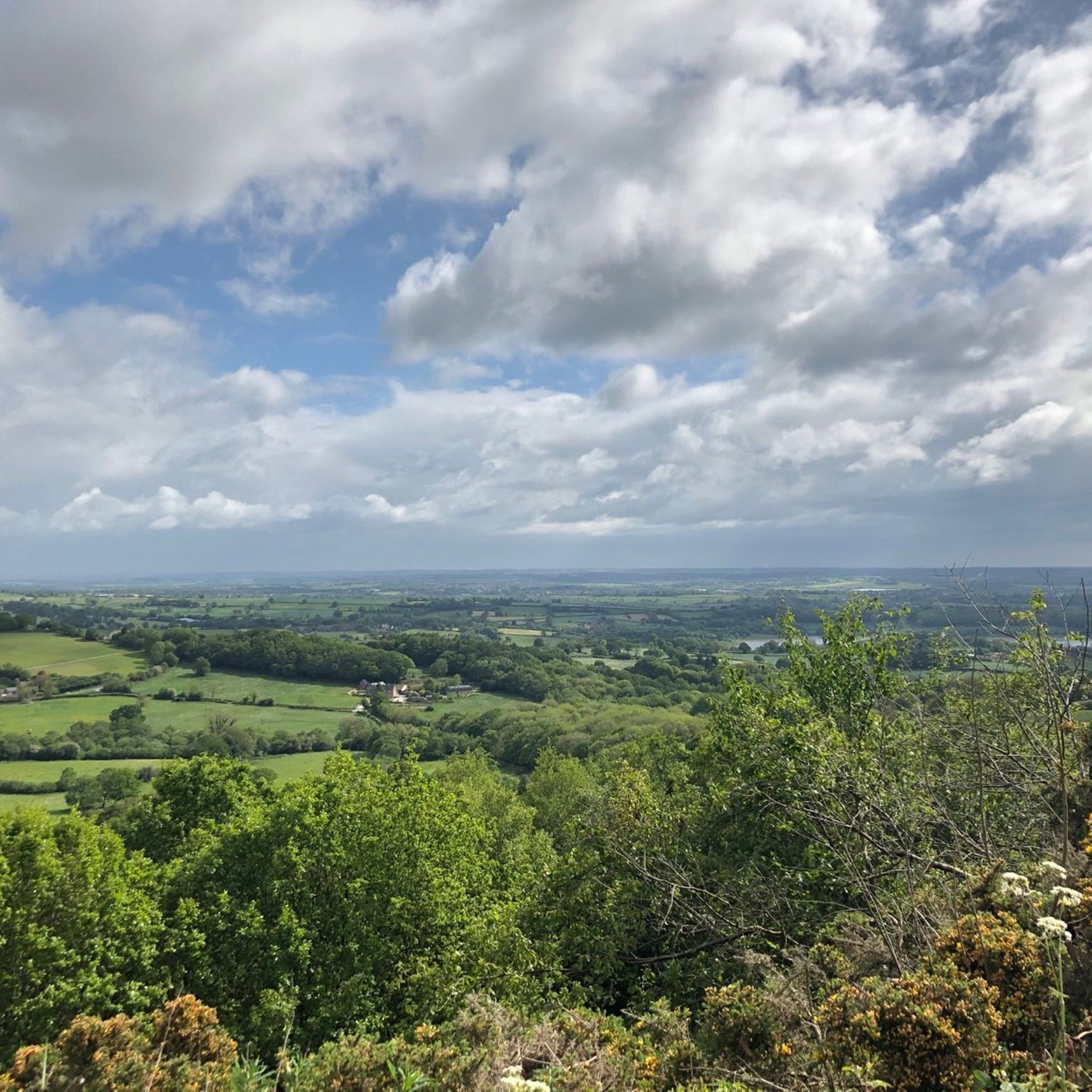
High Tor と Giddy Edge
ハイライト (セグメント) • 展望台
役立つ情報 は

ハイ・ピーク・ジャンクション
ハイライト • 歴史的な場所
役立つ情報 は

今すぐサインアップして、こんな場所を発見しよう
最高のシングルトラック、ピーク、その他のエキサイティングなアウトドアスポットのおすすめを受け取ろう。
クロムフォード運河沿いの遊歩道
ハイライト (セグメント) • 川
役立つ情報 は

ホール・レイズ・パーク、マトロック
ハイライト • 集落
役立つ情報 は

リナクル・ミドル貯水池 南東端
ハイライト • トレイル
役立つ情報 は

無料でサインアップして、さらに多くの観光スポットを発見しましょう クレイクロスでの。
すでにアカウントをお持ちですか?
無料アカウントで今日から始めよう
次の冒険が待っています。
コミュニティからのヒント

A towpath (also known as a towpath or towpath), which runs alongside the river or canal, was an indispensable part of the transport infrastructure in earlier times. Before ships could be propelled by motor power, horses walked along the bank and pulled the vessel against the current. This activity was called "treideln" in German, and that's how the towpath got its name. Where these paths – running directly along the bank – have survived to this day, they no longer serve their original purpose, but are still popular with hikers and cyclists.
0
0


A really pretty and scenic stretch of canal with sparkling turquoise water. Amenities are available at High Peak Junction and Cromford Wharf.
0
0

Good foot paths around Linacre , very wet and muddy once you leave them . Good waterproof boots and gaiters recommend .
0
0

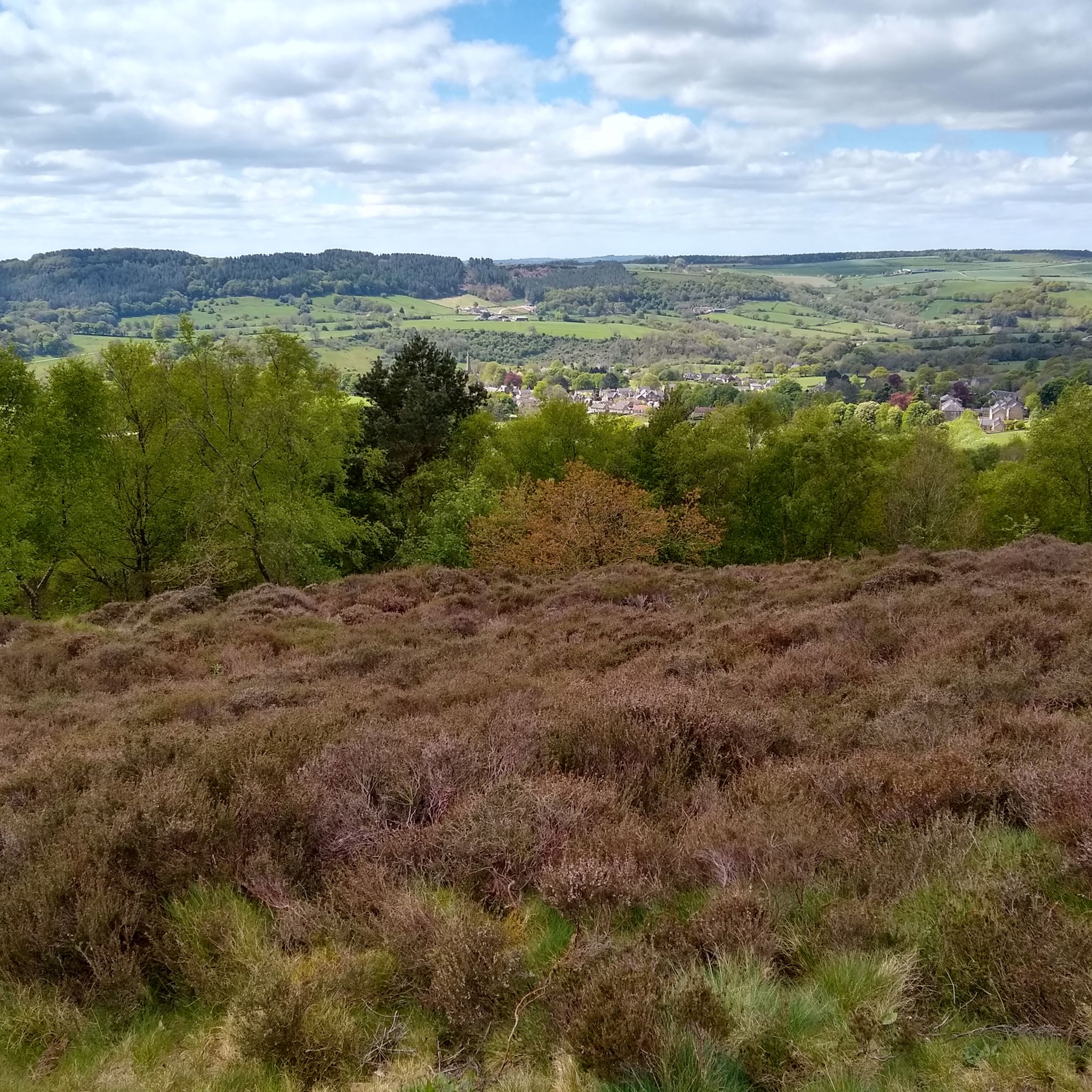
There are three beautiful reservoirs at Linacre, aptly named Lower, Middle, and Upper, going from east to west. The reservoirs are surrounded by fields and woodland with a network of trails and footpaths. The woods are beautiful and include oak, beech, alder, larch, and pine, and in the springtime they are carpeted with bluebells. It is a scenic area, and there is a public car park on the northern edge of the woods of the Lower Reservoir.
1
0

A ford originally crossed the river at this point, and the side became a major crossing point. A settlement developed around the bridge, known as Matlock Bridge, which later became part of modern Matlock. The downstream side of the bridge dates from the 15th century.
0
0
19th century pleasure ground which exploited the dramatic qualities of the Derwent valley. Peter Arkwright of Willersley Castle enclosed the grounds c 1860 and constructed pedestrian paths from a new entrance on the south side approached from the bridge to Matlock Bath railway station. The entrance from Starkholmes Road was retained and could be used by carriages. A pathway was formed through Fern Cave (scheduled ancient monument) and another on a narrow ledge along part of the cliff face. In 1879 the grounds were leased to the Matlock and High Tor Recreation Grounds Company Ltd and Milner of London was retained to supervise landscaping. Arkwright's Grand Walk, also used by carriages, was created, leading south to the summit from a gateway in Pig Tree Lane, now Pic Tor Lane. A refreshment room was erected near the summit, tennis and quoit or skittle grounds were constructed close to a modified southern entrance and additional paths put in with a broad flight of steps.
0
0
クレイクロスでのの人気観光スポット

komootモバイルアプリでインスピレーションを得よう


さらに探索
まだ探しているハイライトが見つかりませんか?他の地域のトップアトラクションのガイドを見てみましょう:
