ランサンのおすすめライド
4.2
(183)
8,543
ライダー
674
ライド
ランサン周辺のロードバイクルートをお探しですか?ここでは、komootが提供するランサンでのロードバイクライドのコレクション全体を評価して選び抜いた人気ルートをご紹介します。各ライドの詳細をぜひご覧ください。
最終更新日: 10月 8, 2026
4.2
(5)
26
ライダー
49.1km
02:07
280m
280m
中程度のロードライド. ある程度のフィットネスレベルが必要です。 全般的に舗装状態が良好で走行しやすい道です。
9
ライダー
36.6km
01:38
170m
180m
中程度のロードライド. あらゆるフィットネスレベルに適しています。 ツアーの一部に、未舗装のため走行が難しい箇所があるかもしれません。

8
ライダー
25.1km
01:04
140m
140m
初級者向けロードバイクライド. あらゆるフィットネスレベルに適しています。 全般的に舗装状態が良好で走行しやすい道です。
10
ライダー
54.4km
02:22
300m
300m
中程度のロードライド. ある程度のフィットネスレベルが必要です。 全般的に舗装状態が良好で走行しやすい道です。
3.7
(3)
8
ライダー
27.1km
01:09
150m
150m
初級者向けロードバイクライド. あらゆるフィットネスレベルに適しています。 全般的に舗装状態が良好で走行しやすい道です。
さらに多くのルートや他のユーザーのおすすめ情報を確認できます。
すでにアカウントをお持ちですか?
おすすめのツアーは他のkomootユーザーが実際に経験した何千ものアクティビティに基づいています。
無料アカウントで今日から始めよう
次の冒険が待っています。
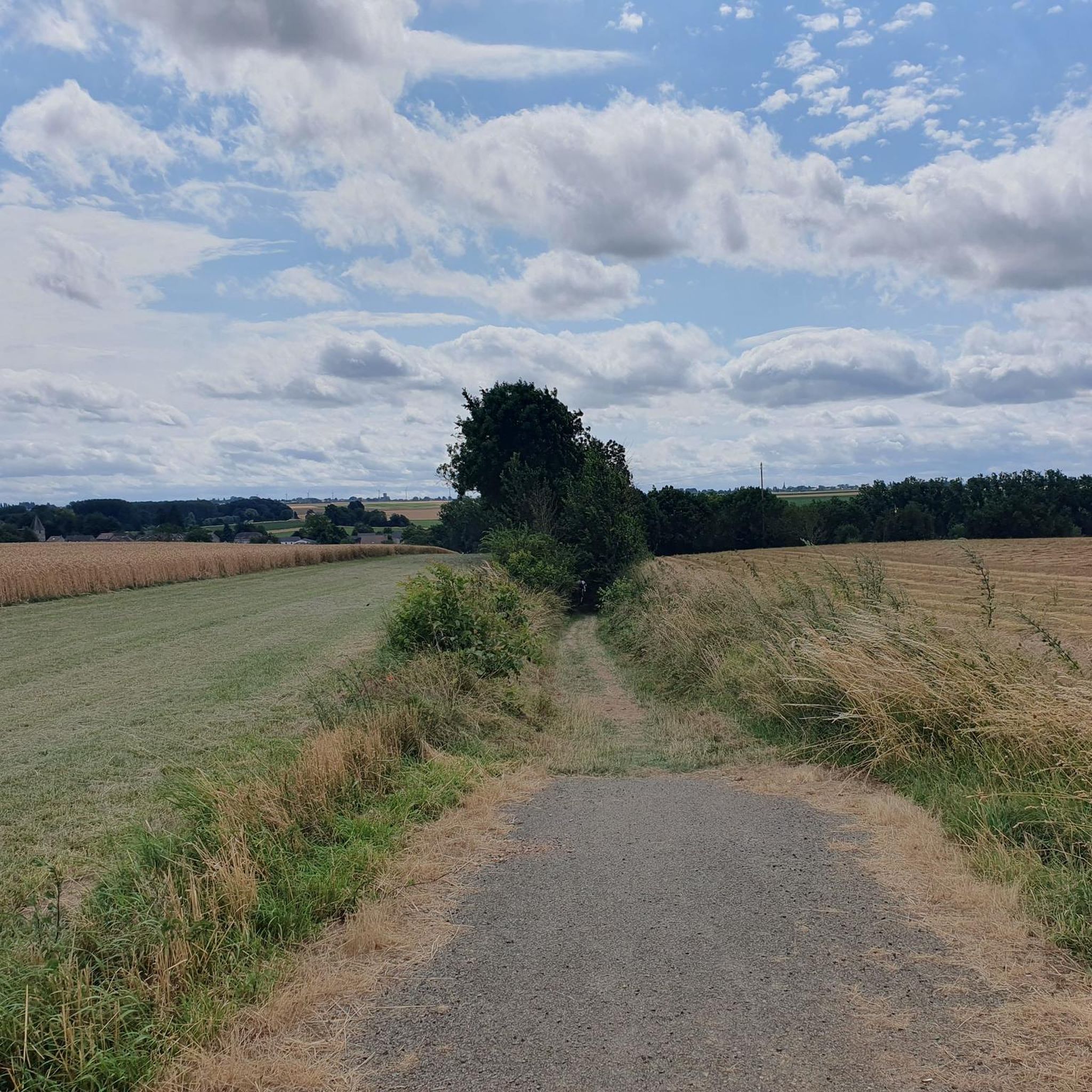
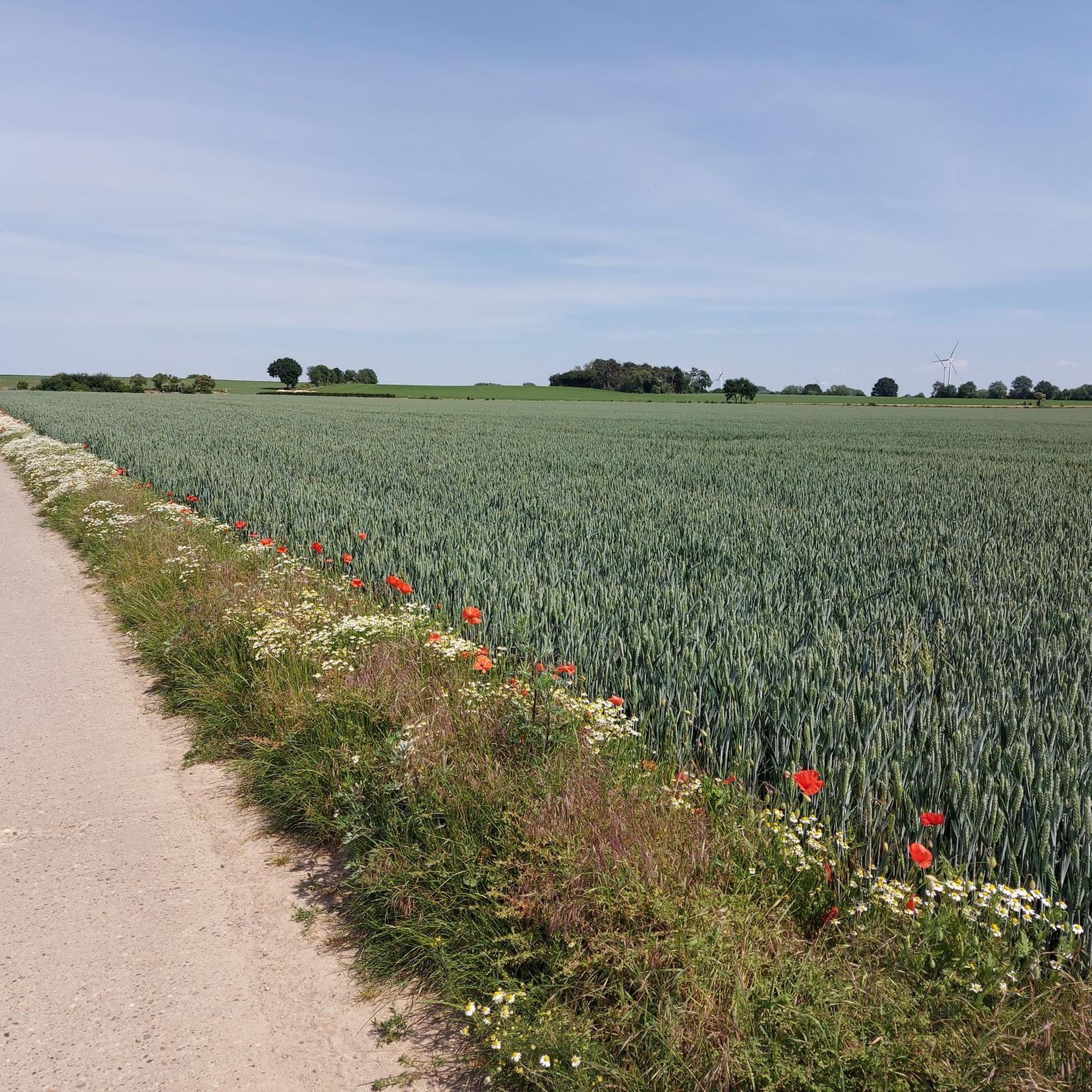
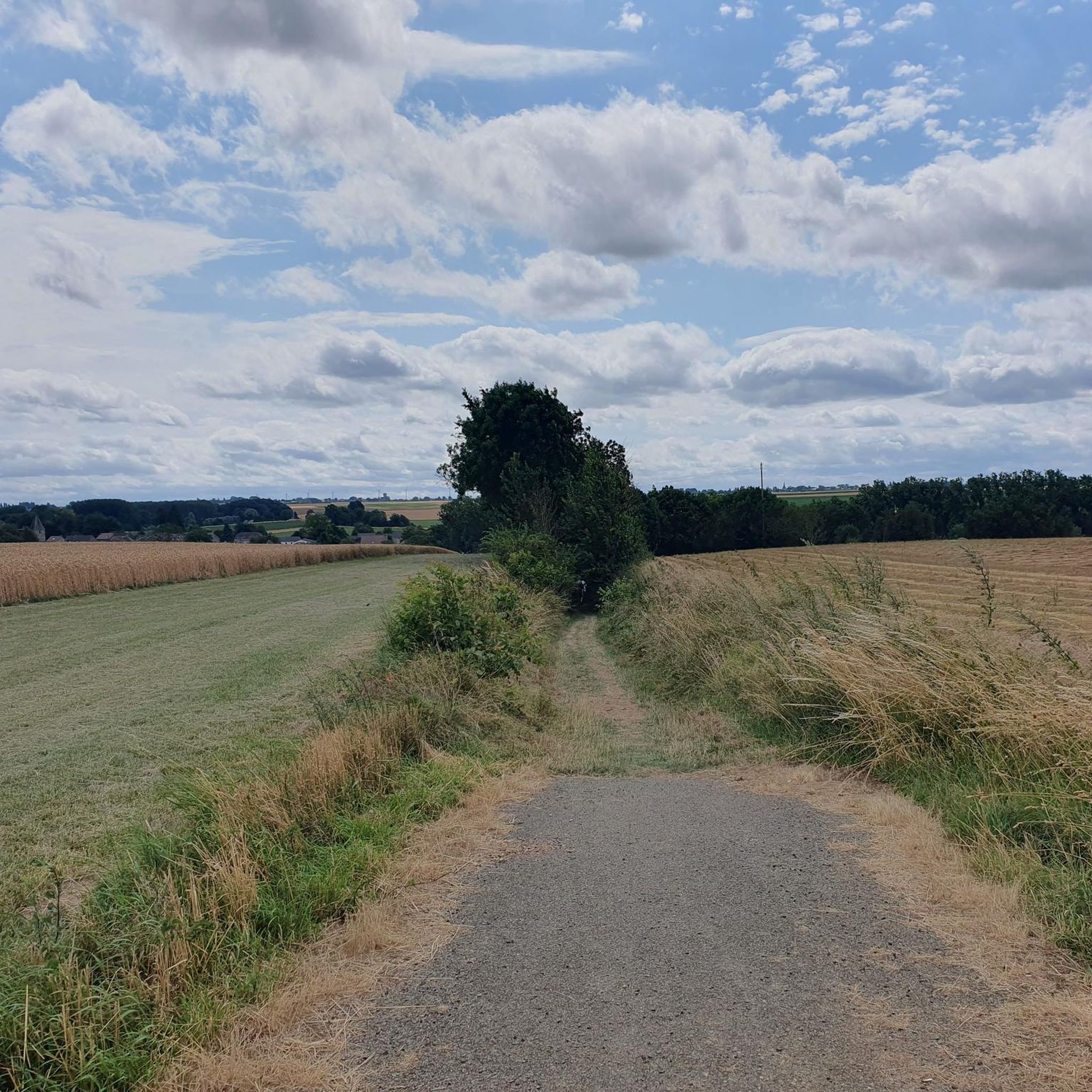
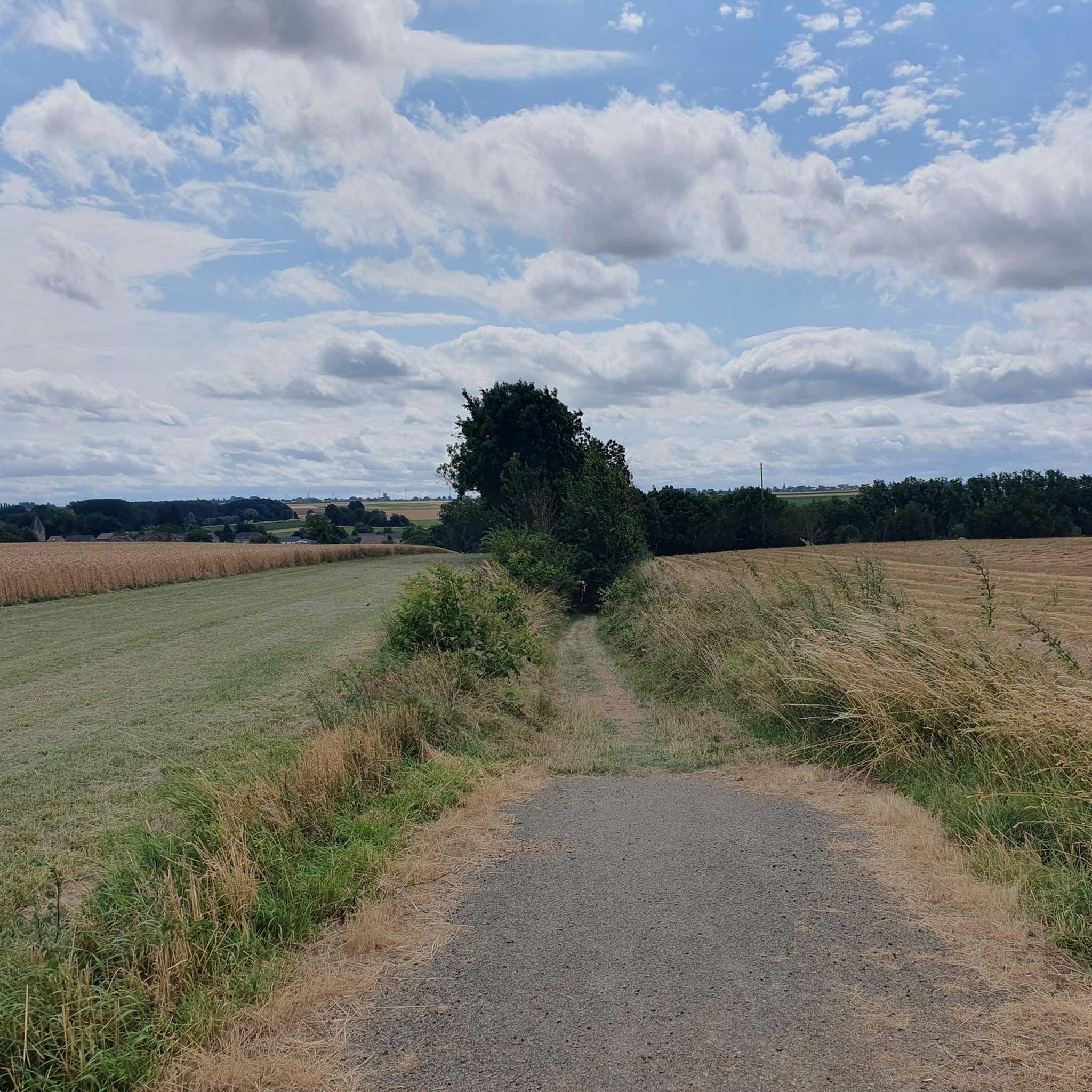

コミュニティからのヒント

シャトー・スニエール(Château Snyers)、またはシャトー・ド・ラ・ヴァレット(Château de la Valette)としても知られる城の歴史は、16世紀初頭に始まります。1505年、それまで明らかに防御的な機能を果たしていた元の要塞化された城は、火災により大部分が焼失しました。同じ場所に、変化するルネサンス期の生活環境や住居の理想によりよく適した新しい建物を建設することが決定されました。17世紀の間、この地域を荒廃させた多くの戦争の結果に、この領地は繰り返し直面しました。軍隊の移動、略奪、軍事占領は痕跡を残し、城はかなりの損害を受けました。この不安定な時期は、18世紀末になってようやく徹底的に対処された衰退につながりました。1791年、マルキ・ジャン=クロード=ベルナール・ド・ラ・ヴァレット(オーストリア皇帝の侍従)は、城の大規模な再建と装飾に着手し、現在の調和のとれた外観を与えました。何度かの所有権の移転を経て、城は最終的に、元ハンヌイ市長で公証人であるルイ=ジョゼフ・スニエールの手に渡りました。彼の名の下で、この領地はスニエール家と永続的に結びつきました。
4
0

スキー以外(:))のすべてのスポーツに多くのルートの可能性を持つ、とても素敵な小さな村
0
0


Orp station, with telegraphic code ORP, was a railway station in Orp-le-Grand from 15 October 1865 to 4 October 1959 for passengers and until 20 October 1981 for goods, since 1977 a sub-municipality of Orp-Jauche in Walloon Brabant on railway line 147 (Landen - Tamines). https://nl.wikipedia.org/wiki/Station_Orp Be sure to also take a look at the area around the station where the railway facilitated an industrial activity that is now a thing of the past. At the front there is a car park and on the other side of the road you can see a small "castle", the castle of Tongerlo. The back is more interesting with a pleasant park on the RAVeL cycle path and at the intersection with the main road (at the chip shop) various buildings from a recent industrial past. An information board also tells what they are/were: you can see the remains of a sugar factory, workers' buildings, remains of the cement industry and so on.
3
0
The Château Rose was built by order of Albert-Pierre Stier (1745-1816). In 1776, he bought the seigniory of Orp, as it had been known since the end of the 17th century, when the land of Orp-le-Grand was merged with that of Orp-le-Petit. The pillory of Orp-le-Petit at the front is one of about fifty in Belgium that are listed by the Royal Institute for Cultural Heritage. When our country was invaded by France in 1794, the French revolutionaries rushed to abolish the symbols of the Ancien Régime and the pillory was demolished. A few years later, around 1826, Baron Jean-François de Vinck de deux Orp (1774-1827), nephew of the builder of the castle, had the restored elements of the pillory rebuilt on his estate, more specifically in the central part of the meadow below the castle. Source: https://www.orp-jauche.be/wp-content/uploads/Brochure_PetitPatrimoinePopulaire_ORP.pdf
7
0
Heritage information about the station (description): This is a good example of a rural station that was built by the State Railways in 1908. Characteristic brick architecture in a particularly elaborate decorative design with bricks using bush-hammered natural stone blocks. A so-called 'logis des piocheurs' has also been preserved here. The Landen-Tamines line was abolished in 1959. Building built on an elongated floor plan consisting of: a main volume (home, waiting rooms 1st and 2nd class) of four bays and two storeys under a saddle roof (now with artificial slates, previously with natural slates), a low wing of seven bays (waiting room 3rd class, office, storage area) also under a saddle roof and on the other side an outbuilding (laundry, coal storage area and lampisterie) under a hipped roof. Architecture characterized by natural stone bush-hammered plinth, facades in red smooth brick with horizontal bands (yellow and gray brick) and wooden cornices with profiled cornice blocks. Natural stone blocks with the name of the station are incorporated in the facades. The interior was changed. Separate annex: the so-called 'logement des piocheurs' in half-timbered construction (wood and brick). In the garden of the station master there are two approximately one hundred year old yew trees. Inventory of Immovable Heritage: Station Racour, https://id.erfgoed.net/erfgoedobjecten/200086
7
0
Never just call the former station of Racour-Landen "former station". First of all, there is the protected station itself. Secondly, thirdly, fourthly and so on, there is much more. For example, you have an orchard where you can rest and picnic and pick now and then. There is an information board about the station and one about nature and one about Racour and one about all sorts of other things for the inquisitive among us. And then there are remnants from that station past. There is even the entire area around the station, protected as a village view. That is because of its industrial-archaeological value. But it is also simply beautiful there. Quote: "Because of its industrial-archaeological value, the area around Racour station is also protected as a village view. In addition to the protected station building and the 'logis des piocheurs', the station master's garden with two yew trees of approximately 100 years old and the former railway bed are also part of it." Source: https://www.landen.be/beschermde%20dorpsgezichten And you are close to the Waasmontse Tom. See https://www.komoot.com/nl-nl/highlight/7164887 Or if you want to see a somewhat older train, just walk on that path past the old station that you can admire from there. Or the miniature of the station. Or beautiful views. Or, well, there is quite a lot and something for everyone I think. Just enjoy this spot and what you see and find on a relatively small surface, for some undoubtedly a spot with multiple highlights.
7
0
ランサンでのの人気観光スポット

komootモバイルアプリでインスピレーションを得よう


さらに探索
他の地域の最高のロードサイクリングルートを見てみましょう。
