サントステファノベルボ周辺のアトラクション&必見スポット - トップ20
サントステファノベルボには必見のスポットがたくさんあります。ハイキング愛好家やサイクリング愛好家の方は、ぜひサントステファノベルボを探索してこのエリアにある20
の隠れたスポットを訪れてみてください。このエリアの必見スポットを確認し、次の冒険に出かける計画を立てましょう。
最終更新日: 10月 9, 2026
バルバレスコの塔
ハイライト • 記念碑
翻訳者 Google •
役立つ情報 は

コスティリオーレ・ダスティ城
ハイライト • 城
翻訳者 Google •
役立つ情報 は

今すぐサインアップして、こんな場所を発見しよう
最高のシングルトラック、ピーク、その他のエキサイティングなアウトドアスポットのおすすめを受け取ろう。
モナステロ・ボルミダ
ハイライト • 集落
翻訳者 Google •
役立つ情報 は

キエゼッタ・サンタ・マリア・ヴェルジネ
ハイライト • 宗教的な場所
翻訳者 Google •
役立つ情報 は
聖ペトロ・聖パウロ教会(Chiesa dei Santi Pietro e Paolo)、ネイヴ
ハイライト • 宗教的な場所
翻訳者 Google •
役立つ情報 は

無料でサインアップして、さらに多くの観光スポットを発見しましょう サントステファノベルボでの。
すでにアカウントをお持ちですか?
無料アカウントで今日から始めよう
次の冒険が待っています。

コミュニティからのヒント

Monastero Bormidaは、アスティ県ピエモンテ州にある魅力的なイタリアの古都で、ランガ・アスティジャーナの趣のある風景に囲まれています。この町は、1050年頃、サラセン人の襲撃によって荒廃した土地を開墾し、再植民するために、アレラモ侯爵によって呼び出されたベネディクト会修道士の一団によって設立されました。
0
0

モナステロ・ボルミダ城は、防御施設としてではなく、1050年頃にフルトゥアリア修道院から来た修道士たちによって設立されたベネディクト会修道院として誕生しました。彼らは、サラセン人の襲撃によって荒廃した土地を開墾するために、アラムッチ侯爵によって招かれました。今日でも見られる高さ27メートルの塔は、元々は鐘楼であり、南側の塔から数メートルの距離を流れる川が、この建物の非軍事的な性格を裏付けています。1393年にベネディクト会修道士たちは修道院を去り、封建時代の歴史が始まりました。封建領地は、15世紀に最初の防御施設を追加して城に変えたデル・カレット侯爵家のものとなりました。この建物は、内庭を持つ四角形の構造で、複数の側面から塔で保護されており、かつての鐘楼とは小さな吊り橋で結ばれています。南側のファサードには、石柱のある2つのアーチを持つルネサンス様式のロッジアが見られます。内部では、17世紀に改築された主階の部屋には、モザイクの床と、花柄や幾何学模様のフレスコ画が描かれたヴォールト天井やリブ・ヴォールト天井が保存されています。その後、城はデッラ・ローヴェレ家、次いでジェノヴァのポッレリ家を経て、最終的に1880年から市の所有となりました。現在、見学可能で、地域の「オープン・キャッスル」サーキットに含まれています。
1
0


"Castle" of Monastero Bormida Place of tourist, historical, architectural and cultural interest Piazza Castello, 1, 14058 Monastero Bormida AT http://www.comune.monasterobormida.at.it/ 014488450
4
0


The tower joined to the castle by a medieval arch
3
0

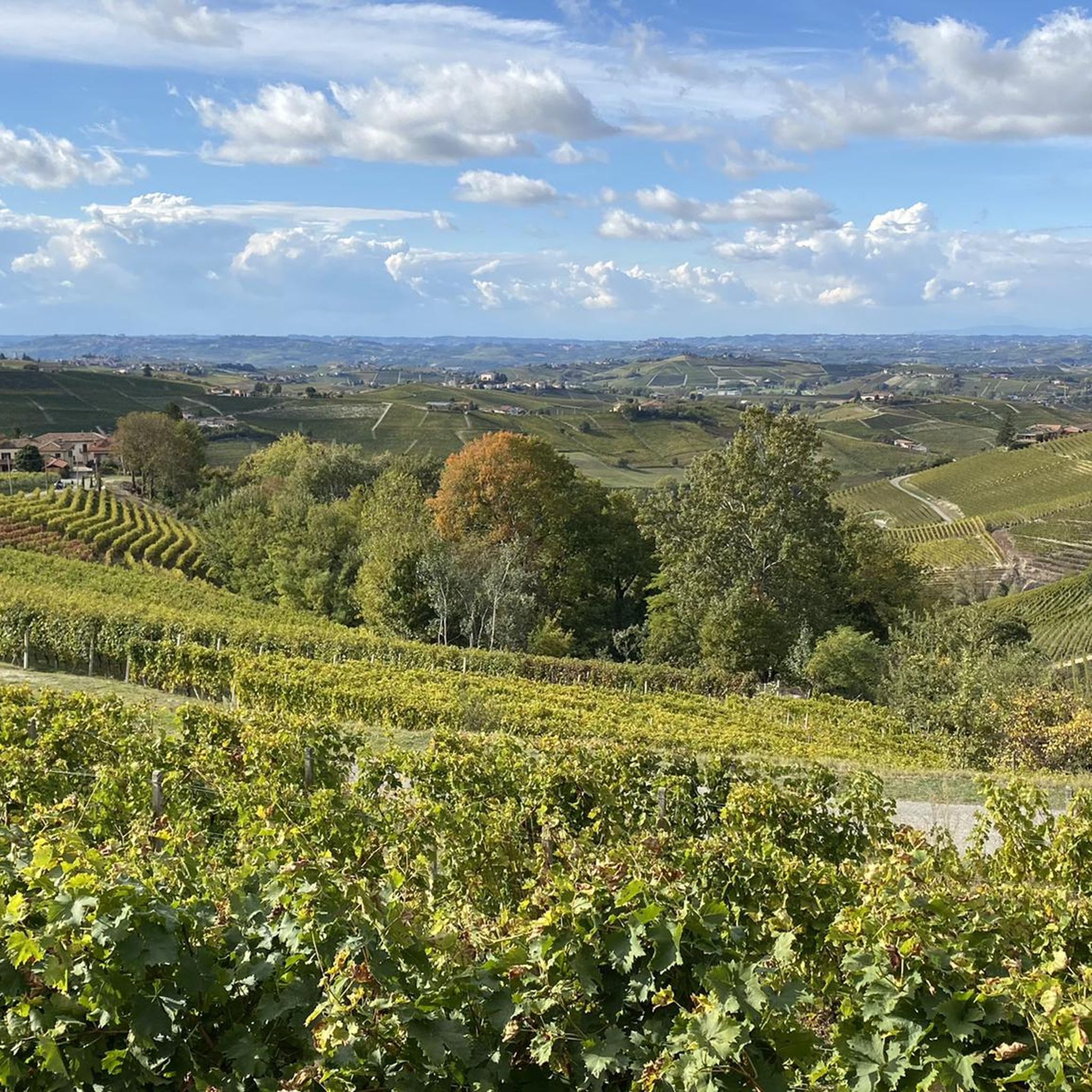
The small town of Barbaresco is famous for being the place of origin of the wine of the same name. The municipality is part of the Langhe, Roero and Monferrato area, which has been part of the UNESCO heritage since 2014.
3
0

It is also called the Tremlett church in honor of the British artist who repainted and embellished it taking inspiration from the colors of the Coazzolo hill. David Tremlett who also helped repaint the Barolo chapel in La Morra which attracts many tourists
1
0
サントステファノベルボでのの人気観光スポット

komootモバイルアプリでインスピレーションを得よう


さらに探索
まだ探しているハイライトが見つかりませんか?他の地域のトップアトラクションのガイドを見てみましょう:
