ノチェーラアンブラ周辺のアトラクション&必見スポット - トップ20
ノチェーラアンブラには必見のスポットがたくさんあります。ハイキング愛好家やサイクリング愛好家の方は、ぜひノチェーラアンブラを探索してこのエリアにある20
の隠れたスポットを訪れてみてください。このエリアの必見スポットを確認し、次の冒険に出かける計画を立てましょう。
最終更新日: 8月 31, 2026
ピアッツァ・デル・コムーネ(アッシジ)
ハイライト • 歴史的な場所
翻訳者 Google •
役立つ情報 は

アッシジのサン・ルフィーノ大聖堂と泉
ハイライト • 宗教的な場所
+ of Saint Francis (see komoot.com/de-de/highlight/138624 ) and
+ of Saint Clara (see komoot.com/de-de/highlight/2665025 ). …
翻訳者 Google •
役立つ情報 は
今すぐサインアップして、こんな場所を発見しよう
最高のシングルトラック、ピーク、その他のエキサイティングなアウトドアスポットのおすすめを受け取ろう。
無料新規登録
サンタ・マリア・ソプラ・ミネルヴァ教会
ハイライト • 宗教的な場所
翻訳者 Google •
役立つ情報 は
エレーモ・デッレ・カルチェリ
ハイライト • 宗教的な場所
The Shrine of the Hermitage of the Prisons
An ancient Franciscan shrine on Monte Subasio, 4 km from Assisi and 800 meters above sea level, …
翻訳者 Google •
役立つ情報 は

クローチェ・ディ・サッソ・ピアーノ(サッソ・ピアーノの十字架)
ハイライト • 山頂
翻訳者 Google •
役立つ情報 は

無料でサインアップして、さらに多くの観光スポットを発見しましょう ノチェーラアンブラでの。
無料新規登録
すでにアカウントをお持ちですか?
無料アカウントで今日から始めよう
次の冒険が待っています。
ログインまたは登録


コミュニティからのヒント

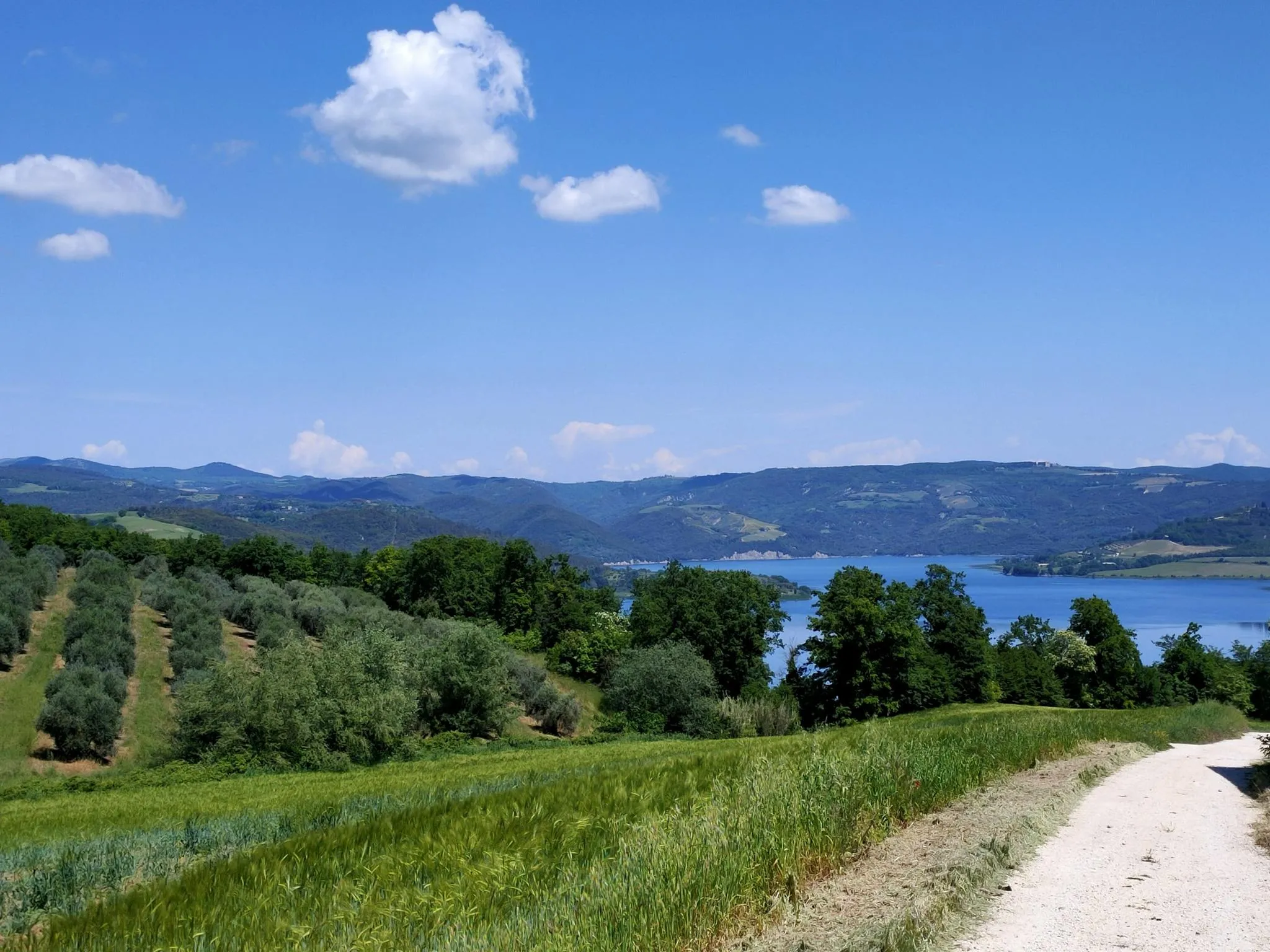
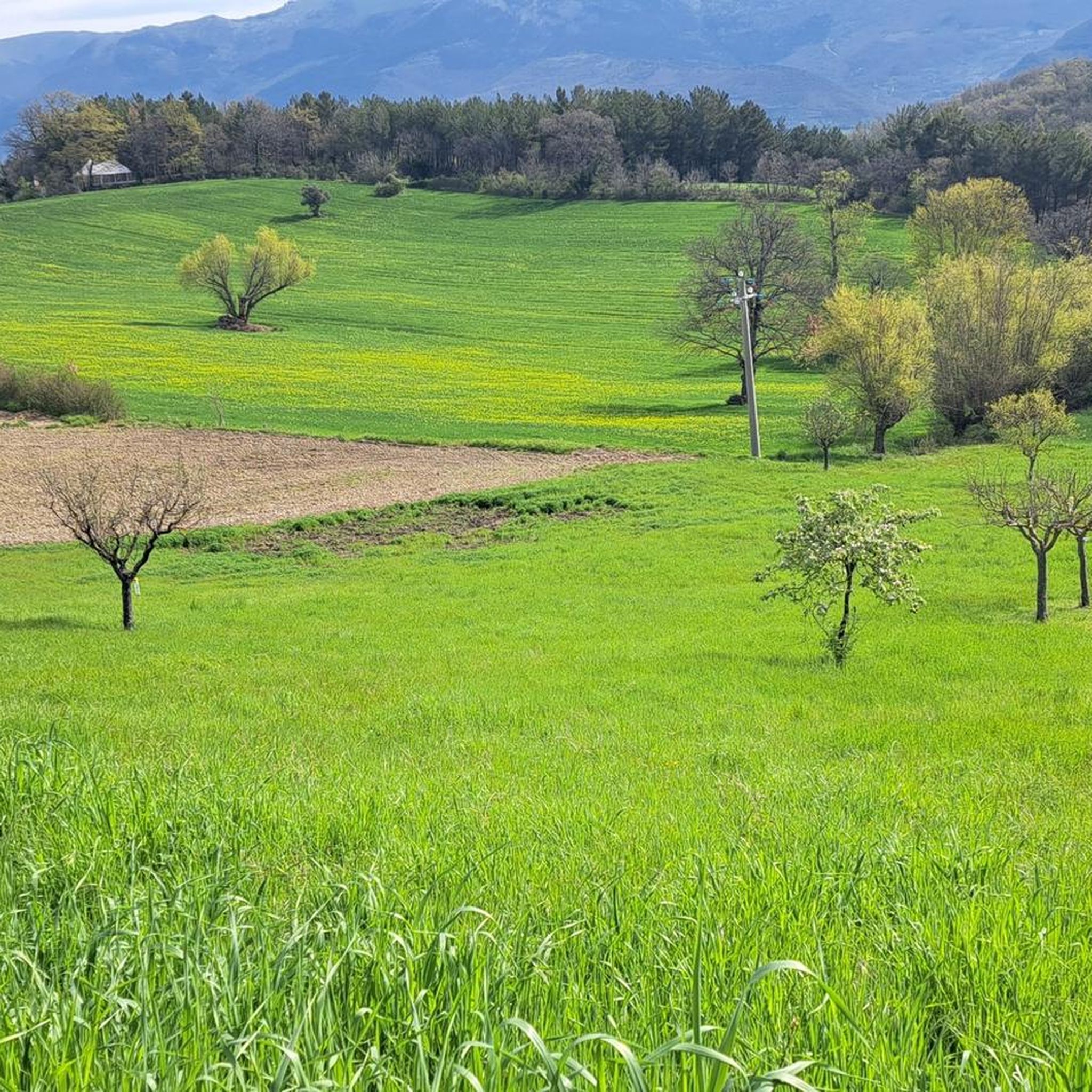
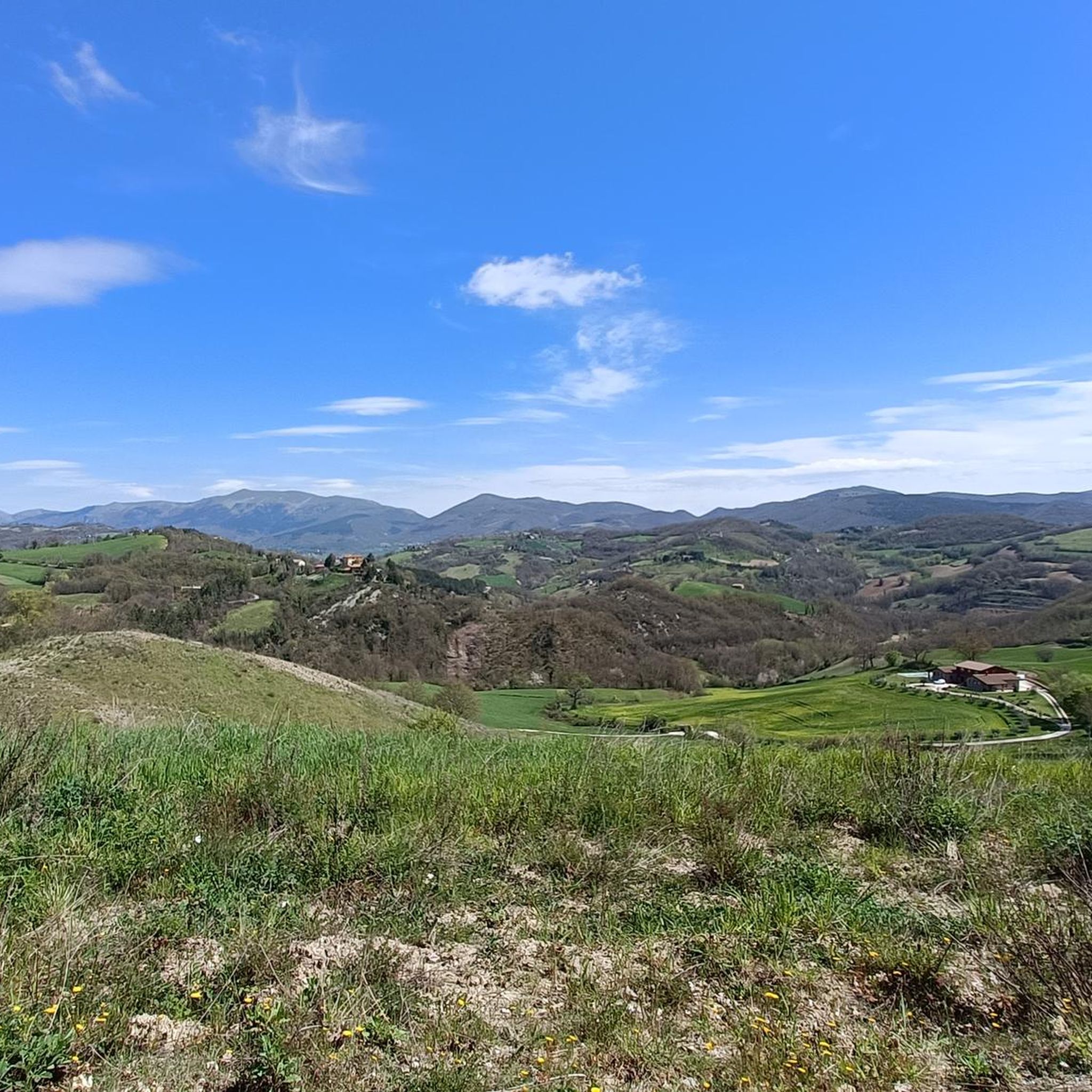
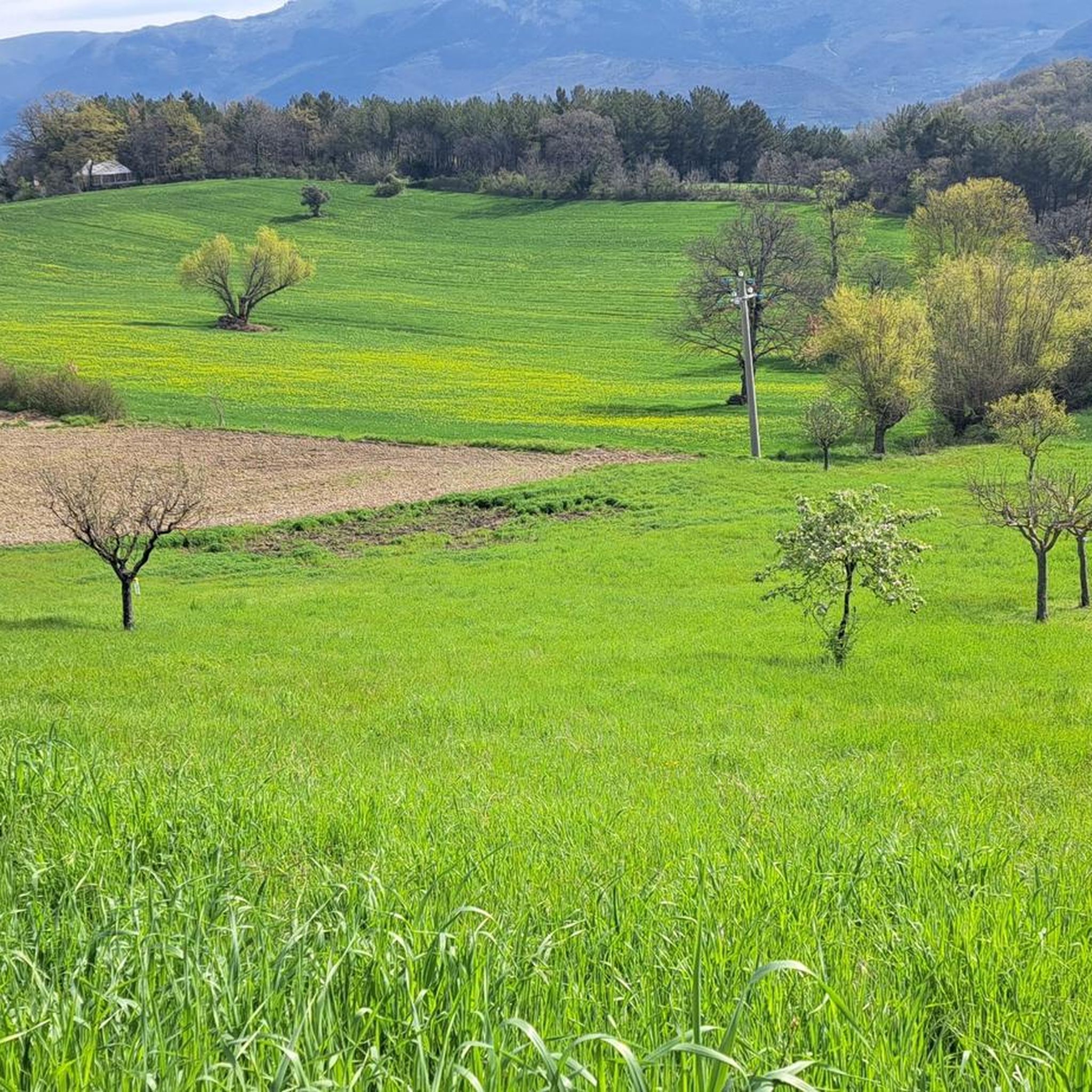
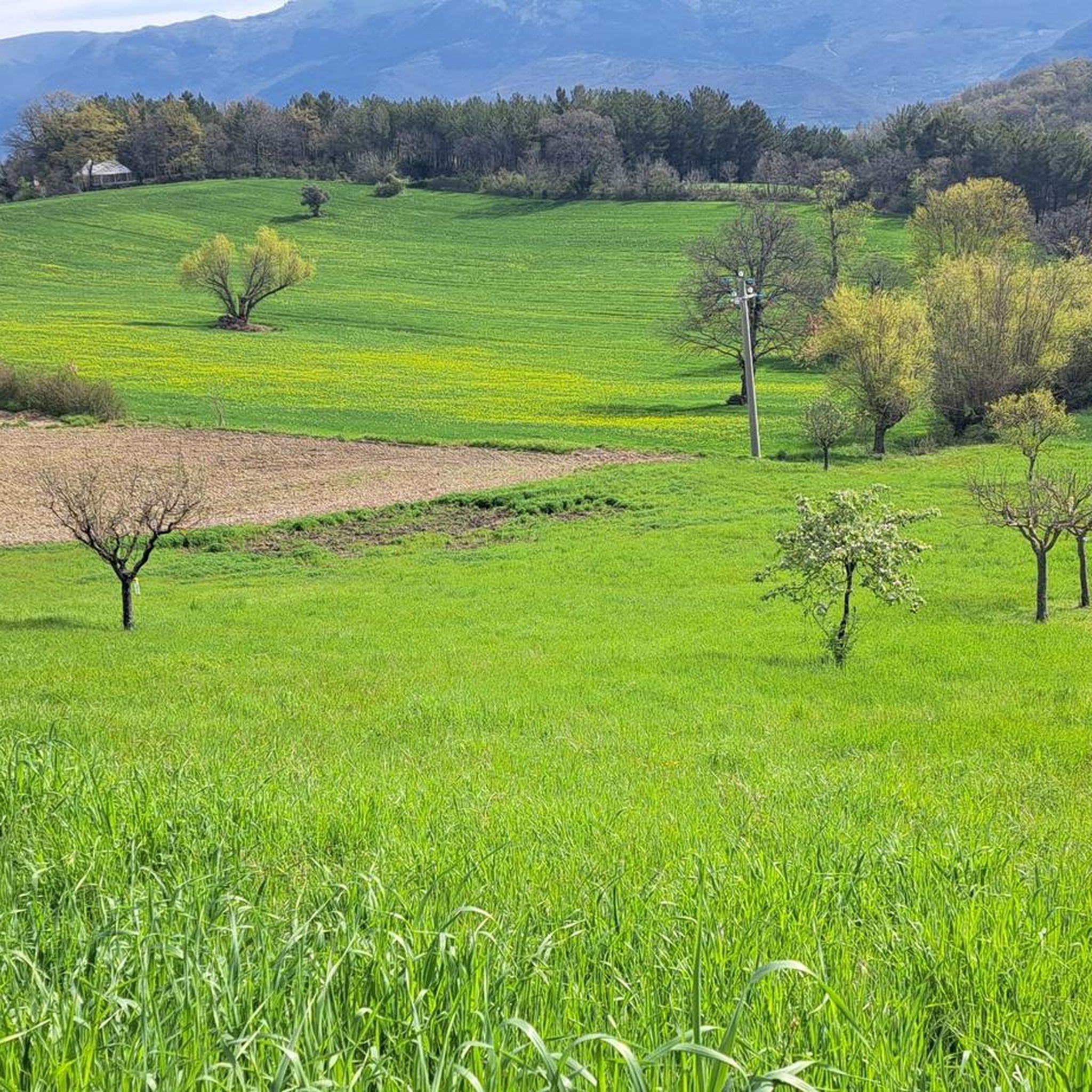
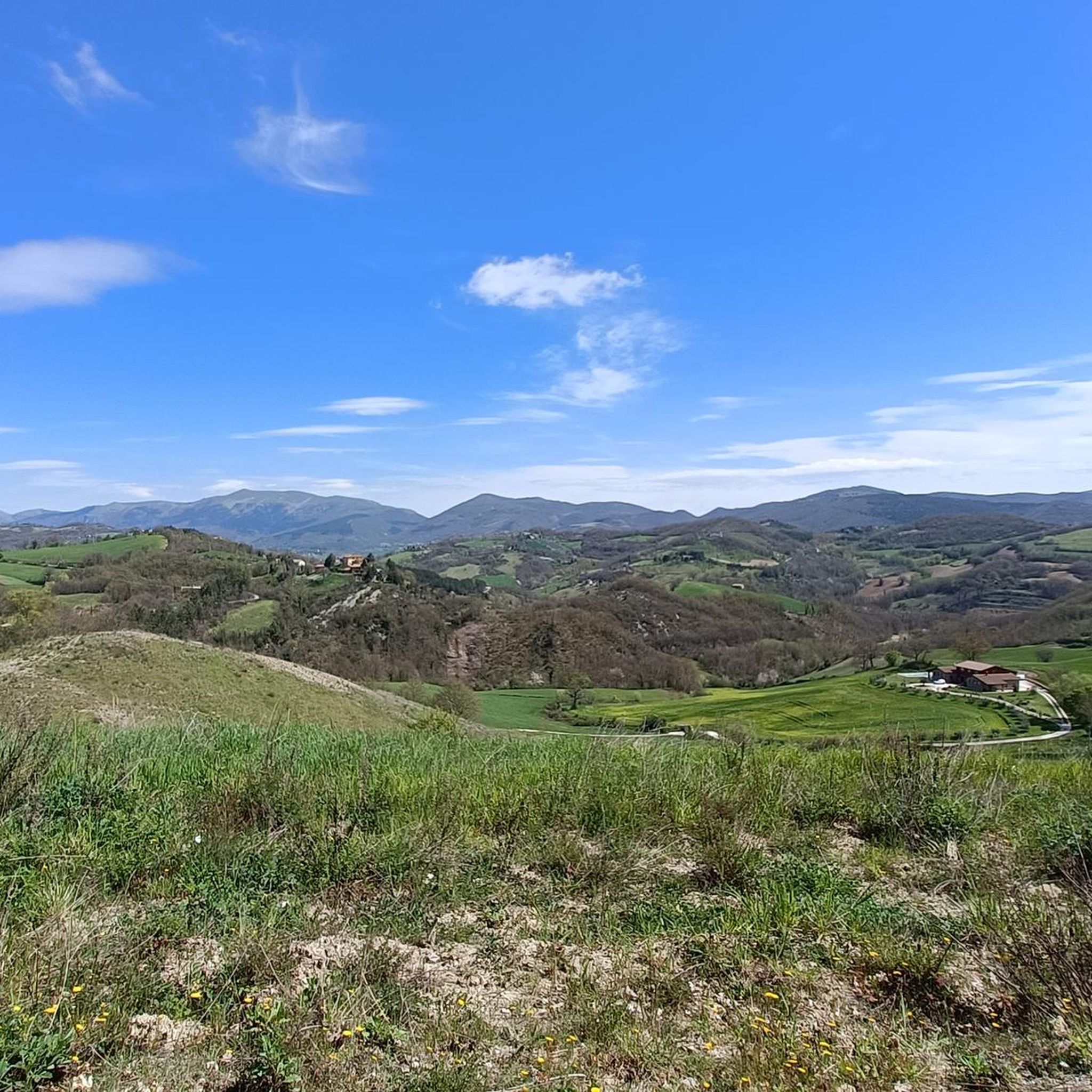
サッソ・ピアノという名の頂上に立つ、クロチェ・ディ・サッソ・ピアノと呼ばれるこの小さな聖なる記念碑の前で、ここに立ち寄る人々にアッシジの聖フランチェスコについての短い考察を捧げたいと思います。 + 「そして私たちはあなた[神の父]に感謝します、…あなたの十字架と血と死によって、囚われていた私たちを贖いたかったからです。」 (NbR XXIII, 3)
0
0

of the ancient Roman temple only the six-column façade remains. The church is the seat of the TOR, Third Regular Order of Saint Francis
2
0

Eremo delle Carceri, the resting place of St. Francis, Assisi The Eremo delle Carceri is a pilgrimage site located in the dense forest of Monte Subasio, about 4 km from Assisi and at an altitude of 800 m. St. Francis and his first brothers imprisoned themselves for devotion, living a simple life, and praying more devoutly. The word "carceri," which may be confusing, does not mean "prison" but comes from the Latin "carcer," meaning a solitary, isolated place. This is where the term "carcerare" comes from, referring to monks and describing their practice of retreating to pray as hermits. In 1215, Benedictine monks donated the Eremo delle Carceri to Saint Francis, which became one of the most important places in his life: Immersed in a quiet, peaceful, centuries-old holm oak forest, Saint Francis followed his calling here and learned to pray devoutly. The Grotto of Saint Francis, among stories and legends Through a narrow passage, one reaches the Grotto of Saint Francis, where, according to the history of Francis of Assisi, the saint experienced his first true meditation and became a different person. Another story is that of Saint Rufinus, a companion of Saint Francis who managed to resist the devil. It is said that the hole in the grotto floor was caused by the devil when he was defeated and sank into the abyss. Many mistakenly believe that St. Francis's famous sermon to the birds took place here, but historical sources definitively link the legend to Piandarca, a town in the municipality of Cannara. Text / Source: Umbria Tourism.it https://www.umbriatourism.it/de/-/eremo-delle-carceri-der-ruheort-des-heiligen-franziskus
13
0
Hermitage of the Prisons, Assisi The Shrine of the Hermitage of the Prisons An ancient Franciscan shrine on Monte Subasio, 4 km from Assisi and 800 meters above sea level, in the heart of a forest of centuries-old holm oaks, is one of the Franciscan shrines guarded by the Friars Minor of the Seraphic Province of Saint Francis of Assisi. The word "carcere" does not mean "prison": it comes from the Latin "carcer," meaning a remote, solitary place, therefore suitable for the life of prayer. Francis, his companions, and, after them, the friars, came here for some prayers. Hermitage of the Prisons, Via Eremo delle Carceri, 38, 06081 Assisi PG, Italy Text/Source: SERAPHIC PROVINCE OF ST. FRANCIS OF ASSISI OF THE UMBRIAN FRIES MINOR https://www.santuarioeremodellecarceri.org/
13
0

The baroque basilica is located on the town hall square.
2
0
For many visitors to Assisi, the more well-known destinations are probably the Holy Sepulchre Churches + of Saint Francis (see https://www.komoot.com/de-de/highlight/7134144 ) and + of Saint Clara (see https://www.komoot.com/de-de/highlight/2665025 ). However, these two churches are more recent (compared to this one). The ancient, venerable and original main church of the city and thus also of the diocese is of course the cathedral, the seat of the bishop. Francis and Clara also received the sacrament of baptism in this cathedral, dedicated to Saint RUFINO.
4
0

The Roman temple is a hexastyle prostyle of the Corinthian order. It is a podium temple whose columns rest on pedestals on the steps, which is comparatively unusual and results from the lack of space on the terrace on which the temple was originally located. The architrave is double-faced, and the frieze bore a dedicatory inscription that no longer exists. When the church was built in the 16th century, the cella was completely removed. The contrast between the grandiose classical façade and the small-scale interior, which was redesigned in the baroque style by the architect Giacomo Giorgetti from Assisi in the 17th century, is striking.
2
0
The town (Latin Asisium, older Italian/Tuscan Ascesi or Scesi, no longer in use today) was colonized by the Romans in 399 BC and built in terraces on a rocky ridge on the west side of Monte Subasio. It was previously an acropolis of the Umbrians. The city walls, the forum (or market square Piazza del Comune), a theater, an amphitheater and the Temple of Minerva, which was later converted into the church of Santa Maria sopra Minerva, can still be found from Roman times. In 328 the town was Christianized by the current patron saint Rufino di Assisi (San Rufino). In 545 the town was largely destroyed by the Ostrogoths, later came under the rule of the Lombards and was then placed under the control of the Dukes of Spoleto. In the 12th century, Assisi became a free commune and adopted a Ghibelline orientation, which was in contrast to the Guelph neighboring city of Perugia. Saint Francis of Assisi, who was born in Assisi in 1181/1182, was taken prisoner as a young man during these conflicts. In the 13th/14th centuries, the city expanded beyond the Roman city walls, and the walls were extended several times. In the late Middle Ages, Assisi was under the alternating rule of the popes, various condottieri, the dukes of Milan and Urbino, and finally returned to the Papal States in the 15th century. The city owes the fact that Assisi was saved from fighting and thus possibly from destruction in 1944 to the then commander of the German occupation troops, Colonel Valentin Müller, who was able to persuade the German commander in Italy, Field Marshal Albert Kesselring, to declare Assisi an undefended, open hospital city. At the same time, Bishop Giuseppe Placido Nicolini and the Franciscan Rufino Niccacci, with helpers from the Catholic Church, organized the hiding of politically and racially persecuted people, including many Jews, in monasteries and other church buildings.
3
0

komootモバイルアプリでインスピレーションを得よう


さらに探索
まだ探しているハイライトが見つかりませんか?他の地域のトップアトラクションのガイドを見てみましょう:
